
If you have a dog and need extra support in your daily life, training your dog as a service dog can change everything. Imagine having a loyal companion who not only loves you but also helps you with tasks that make life easier and safer.
You might wonder where to start, what steps to follow, or how to make sure your dog is ready for this important role. This guide will walk you through everything you need to know to get your dog trained as a service dog, making the process clear and achievable.
Keep reading, and you’ll discover how to turn your dog into the helper you both deserve.
Service Dog Basics
Training a dog to become a service dog requires understanding the basics first. Service dogs help people with disabilities in many ways. They perform specific tasks to assist their owners daily. Knowing the types of service dogs and their qualities is essential. This helps in deciding if your dog can become a reliable helper.
Types Of Service Dogs
Service dogs have different roles based on needs. Guide dogs help people who cannot see well. Hearing dogs alert those who are deaf or hard of hearing. Mobility assistance dogs support people with physical disabilities. Medical alert dogs warn about health issues like seizures or diabetes. Each type of service dog has special training for its tasks.
Qualities Of A Good Service Dog
A good service dog must be calm and focused. They should listen well and follow commands quickly. Friendly behavior is important, but they also need to ignore distractions. Service dogs must be healthy and able to work for many years. Patience and intelligence help dogs learn complex tasks. These qualities make a dog suitable for service work.
Assessing Your Dog’s Potential
Assessing your dog’s potential is the first step to training a service dog. Not every dog can perform the tasks needed. It is important to see if your dog has the right traits and health to succeed. This helps save time and effort in training. You need to check your dog’s temperament and overall health. These factors affect how well your dog will work as a service animal.
Temperament Testing
Temperament shows how your dog behaves in different situations. A good service dog must stay calm and focused. They should not be scared of loud noises or busy places. Friendly and confident dogs learn tasks faster. Watch how your dog reacts to strangers and other animals. Avoid dogs that are aggressive or very shy. A stable temperament is key for service work.
Health And Age Considerations
Good health is important for service dogs. Dogs must have strong bodies to handle daily tasks. Check your dog’s joints, eyes, and ears with a vet. Chronic illness or injury can stop training. Age also matters. Puppies may learn easier but take longer to train. Older dogs might have health problems but can still work. Choose a dog that is healthy and at the right age for training.
Essential Training Skills
Training a dog to become a service dog requires teaching specific skills. These skills help the dog assist its owner safely and reliably. Essential training skills form the foundation of a service dog’s abilities. They include obedience, public behavior, and task-related actions.
Basic Obedience Commands
Basic obedience is the first step in service dog training. Commands like sit, stay, come, and heel are crucial. These commands keep the dog focused and controlled. A well-behaved dog is easier to train for advanced tasks. Consistent practice helps the dog respond quickly and correctly.
Public Access Training
Service dogs must behave well in public places. Public access training teaches calmness around people, animals, and noises. The dog learns to ignore distractions and stay by its handler. This skill ensures the dog can work in busy environments. It also helps avoid problems with other people or pets.
Task-specific Training
Task-specific training depends on the handler’s needs. The dog learns to perform actions that assist its owner daily. Tasks might include retrieving items, alerting to sounds, or providing balance support. Training focuses on accuracy and reliability. The dog must perform tasks on command without hesitation.
Choosing A Training Method
Choosing the right training method is key to preparing your dog as a service animal. The approach you select shapes how well your dog learns and performs tasks. This decision depends on your budget, time, and the dog’s needs. Training a service dog demands patience and consistency. Understanding the main options helps in making a smart choice.
Professional Trainers Vs. Diy
Professional trainers have experience with service dogs. They use proven techniques and understand legal rules. Trainers can spot problems early and fix them fast. Hiring a trainer saves time and stress. However, costs can be high.
DIY training means you teach your dog yourself. It saves money and builds a strong bond. You control the pace and focus on your dog’s needs. But, it needs lots of time and effort. Mistakes may slow progress.
Positive Reinforcement Techniques
Positive reinforcement uses rewards to encourage good behavior. Treats, praise, and toys help dogs learn quickly. This method builds trust and a happy attitude. It avoids fear or punishment, making training fun.
Service dogs respond well to clear, kind rewards. Consistent praise helps them repeat tasks. This technique suits most dogs and trainers. It creates lasting skills and a strong partnership.
Legal Requirements And Certifications
Training a dog as a service dog involves more than just teaching commands. Legal rules and proper certification play a big role. Understanding these requirements helps protect your rights and your dog’s role. It also helps you avoid common legal problems. Knowing what laws apply and what documents you need is important.
Service Dog Laws
Service dogs have special protections under the law. The Americans with Disabilities Act (ADA) sets rules for service dogs in public places. These dogs must be trained to help with a disability. The law does not require official certification. Businesses cannot ask for proof of training but can ask if the dog is needed for a disability. Some states have extra laws about service dogs. Check local rules to stay compliant.
Documentation And Identification
No official government ID or registration is required by the ADA. Many owners use vests or badges to show their dog is a service dog. These help avoid confusion in public. Some trainers offer certificates, but these are not legally needed. Be cautious of online sellers offering fake service dog IDs. Proper training and behavior are the true proof your dog is a service dog.
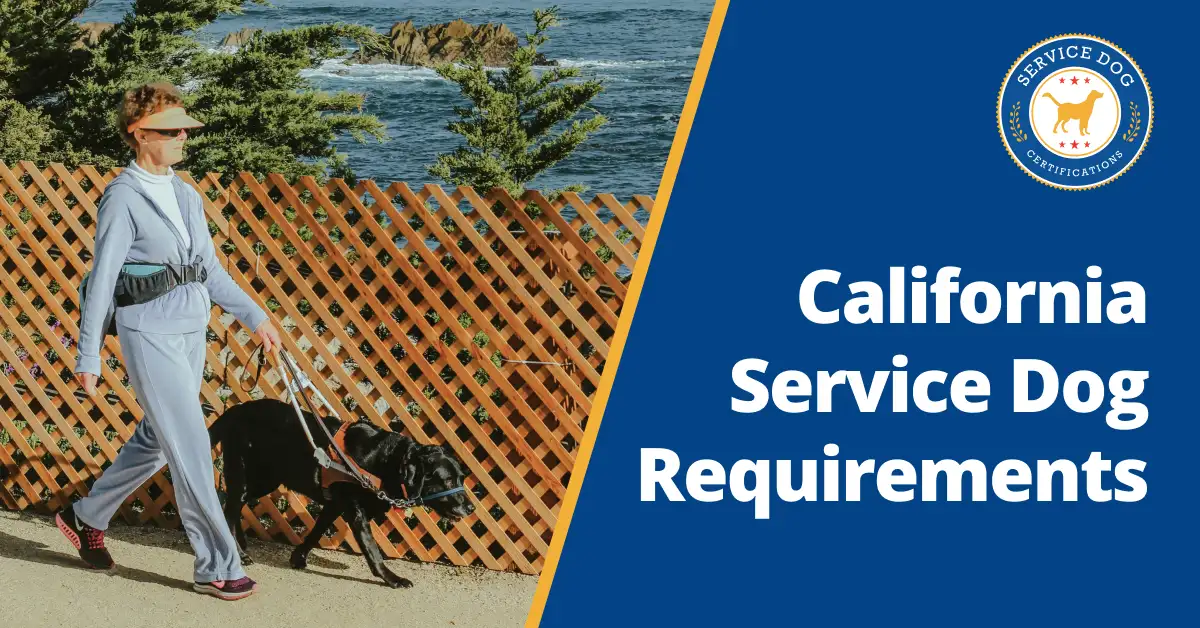
Credit: www.servicedogcertifications.org
Socializing Your Service Dog
Socializing your service dog is a key step in training. A well-socialized dog stays calm and focused in many situations. Socialization builds confidence and trust. It helps your dog work well around people and other animals. This process begins early and continues through training. Consistent social exposure prepares your dog for real-life tasks.
Exposure To Different Environments
Take your dog to various places. Parks, stores, and busy streets are good spots. Let your dog explore new sights and sounds. Short visits work best at first. Gradually increase time and complexity. This helps your dog get used to change. A calm dog adapts faster to new environments.
Handling Distractions
Train your dog to focus despite distractions. Start with mild distractions like soft noises. Reward your dog for staying attentive. Slowly add harder distractions like crowds or traffic. Practice commands in noisy places. This keeps your dog alert and obedient. Your service dog must ignore distractions to assist you well.
Maintaining Training Over Time
Training a service dog does not end after the initial lessons. Maintaining training over time is key to keeping your dog reliable and responsive. Consistent practice and quick correction of issues help your dog stay focused and ready to assist. This section explains how to keep your service dog well-trained and disciplined throughout its working life.
Regular Practice Routines
Practice must be part of your daily schedule. Short sessions work best for your dog’s attention span. Repeat important commands often to reinforce learning. Use real-life situations to practice tasks your dog will perform. This keeps skills sharp and builds your dog’s confidence. Consistency helps your dog understand what you expect every day.
Addressing Behavioral Issues
Behavior problems can affect your dog’s work quality. Watch for signs like distraction, anxiety, or aggression early. Address issues quickly with calm and clear corrections. Positive reinforcement encourages good behavior and discourages bad habits. Consult a professional trainer if problems persist. Early action ensures your service dog stays dependable and safe.
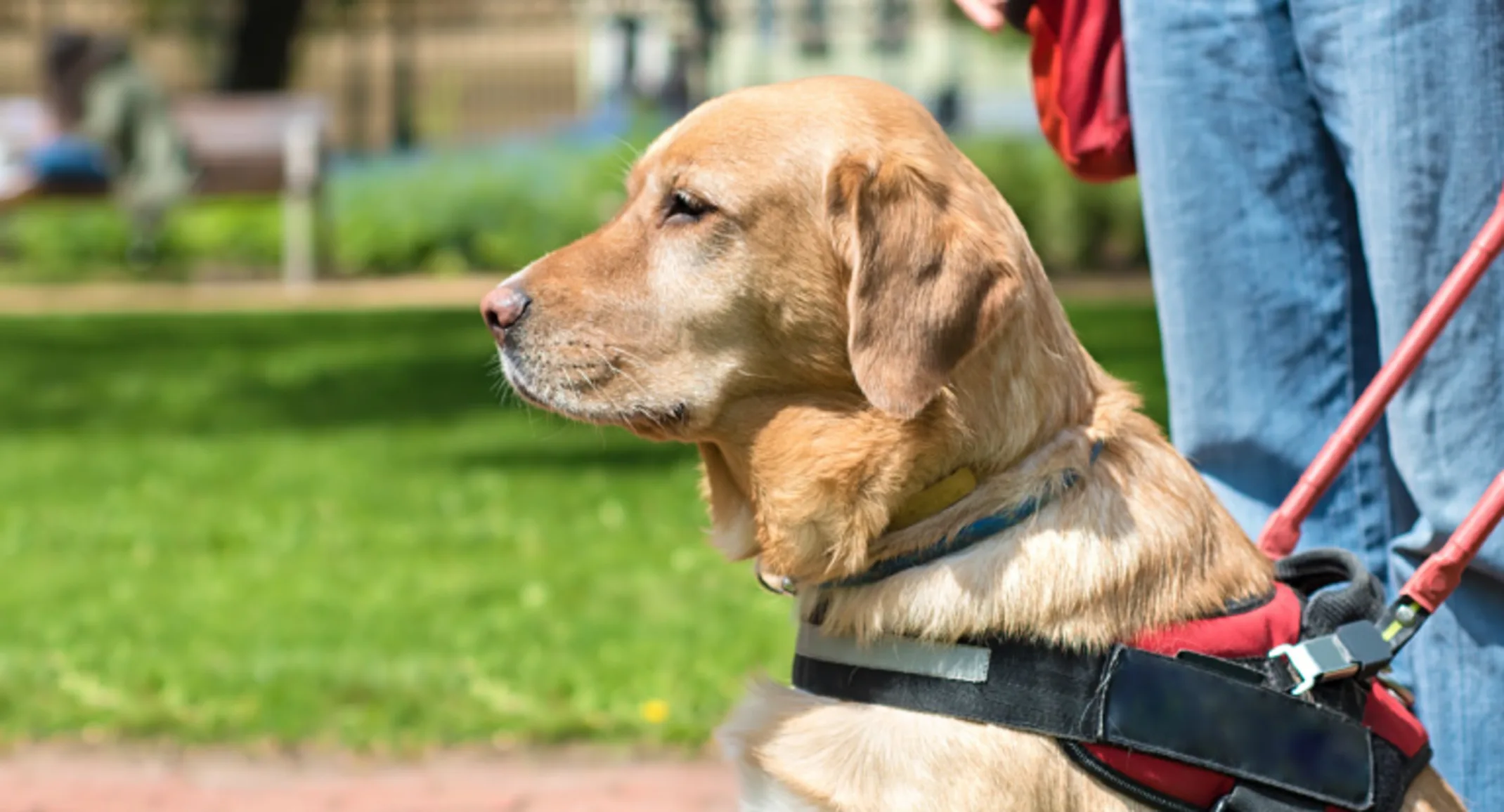
Credit: www.herndonveterinary.com
Resources And Support
Training a dog to become a service dog needs many resources and support. This support helps owners understand the process and meet the needs of their dogs. Many groups and online spaces offer useful advice and guidance. These resources make the training journey easier and more effective.
Training Organizations
Several training organizations specialize in service dog education. They provide classes, workshops, and materials for training. These groups often have experienced trainers who guide owners step-by-step. Some organizations focus on specific disabilities or tasks. Choosing a trusted organization ensures proper training methods and support.
Online Communities
Online communities bring together service dog owners and trainers worldwide. These groups share tips, success stories, and solutions to common problems. Forums and social media groups allow quick help and advice. Being part of an online community offers encouragement and motivation. It also helps owners stay updated on rules and best practices.

Credit: www.youtube.com
Frequently Asked Questions
What Is The First Step To Train My Dog As A Service Dog?
The first step is to assess your dog’s temperament and skills. Choose a dog that is calm, obedient, and eager to learn. This ensures the dog can handle public settings and perform required tasks effectively.
How Long Does It Take To Train A Service Dog?
Training a service dog typically takes 6 months to 2 years. The duration depends on the dog’s age, breed, and the complexity of tasks. Consistent training and professional guidance speed up the process.
Can I Train My Dog As A Service Dog Myself?
Yes, you can train your dog yourself, but professional help is recommended. Trainers provide expertise, socialization, and certification knowledge. This improves the dog’s reliability and public access rights.
What Tasks Can A Service Dog Be Trained To Do?
Service dogs can perform tasks like guiding, alerting, retrieving items, and providing stability. Their tasks must directly assist with the handler’s disability. Training is tailored to the specific needs of the person.
Conclusion
Training a dog as a service animal takes time and patience. Start with basic commands and build trust daily. Consistency helps your dog learn important tasks well. Seek help from professional trainers if needed. Remember, every dog learns at its own pace.
Keep sessions short and positive to avoid stress. Celebrate small wins to stay motivated. A trained service dog can improve your life greatly. Stay committed, and the results will follow. Your effort will create a strong bond and reliable support.

