

Are you wondering if it’s too late to crate train your older dog? You might think crate training only works for puppies, but that’s not true.
Your adult dog can learn to love their crate too. Imagine giving your dog a safe, cozy space they enjoy—a place where they feel calm and secure. This can make your life easier and your dog’s life happier. Keep reading to discover simple, effective steps to crate train your older dog, no matter their age or past habits.
You’ll be surprised at how quickly your furry friend can adjust!

Credit: www.ammothedachshund.com
Benefits Of Crate Training Older Dogs
Crate training an older dog offers many benefits that improve both your pet’s and your life. It helps create a peaceful environment and supports healthy habits. Older dogs can feel safe and calm with proper crate training. This method works well for managing their behavior and easing stress.
Creating A Safe Space
A crate becomes a cozy place where your dog can relax. It gives them a spot to retreat from noise and activity. This safe space helps older dogs feel secure and less overwhelmed. Dogs learn to love their crate as their own quiet zone.
Reducing Anxiety
Older dogs may face new fears or stress. A crate offers a calm area that lowers their anxiety. It acts like a small den where dogs feel protected. Crate training helps them cope with changes or loud sounds. This reduces nervous behavior and restlessness.
Managing Behavior
Crate training helps control unwanted actions. It stops destructive chewing and accidents inside the house. Older dogs learn limits and routines through crate use. This training supports better manners and easier care. It also gives owners peace of mind during busy times.
Assessing Your Dog’s Readiness
Assessing your dog’s readiness is the first step in crate training an older dog. Every dog is different. Some adapt quickly, while others take more time. It helps to understand your dog’s current state before starting. This way, you can make the process easier and less stressful for both of you.
Health Considerations
Check your dog’s health before crate training. Older dogs may have joint pain or other issues. A crate must be comfortable and safe. Avoid crates that are too small or hard. If your dog has health problems, talk to a vet first. Your dog’s comfort is very important in training.
Temperament And Personality
Consider your dog’s personality. Some dogs like small spaces. Others may feel trapped or scared. Watch how your dog reacts to new things. Calm and curious dogs often adapt better. Nervous or shy dogs might need more time. Patience is key to help your dog feel safe.
Previous Training Experience
Think about your dog’s past training. Dogs with crate experience may learn faster. Dogs without any crate training need gentle guidance. Use positive methods like treats and praise. Avoid forcing your dog inside the crate. Building trust takes time but brings good results.
Choosing The Right Crate
Choosing the right crate is the first step to crate train an older dog. The crate should feel safe and comfortable. It helps your dog accept the crate as their own space. This choice affects how quickly your dog will adjust.
Size And Comfort
The crate must be big enough for your dog to stand, turn, and lie down. Too small makes your dog feel cramped. Too large can make it hard to feel cozy. Add a soft bed or blanket to make the crate inviting. Comfort encourages your dog to spend time inside happily.
Material Options
Crates come in different materials like plastic, metal, and fabric. Plastic crates are solid and quiet, good for travel. Metal crates allow more air and visibility but can be noisy. Fabric crates are lightweight and soft but less durable. Choose one that fits your dog’s personality and your needs.
Location Tips
Place the crate in a quiet area where your dog can relax. Avoid spots with too much noise or traffic. A cozy corner in the living room or bedroom works well. The crate should not be too isolated or too busy. This helps your dog feel secure and part of the family.
Step-by-step Crate Training Process
Crate training an older dog needs patience and clear steps. The process helps your dog feel safe and comfortable in the crate. This guide breaks down the crate training into simple parts. Follow each step carefully to help your dog adjust well.
Introducing The Crate
Place the crate in a quiet, familiar room. Leave the door open so your dog can explore. Put a soft blanket or bed inside for comfort. Let your dog sniff and enter the crate freely. Avoid forcing or closing the door at first. This creates a calm and safe space.
Encouraging Positive Associations
Use treats or favorite toys near the crate entrance. Reward your dog for going inside or staying calm. Talk in a soft, happy voice to soothe your dog. Feed meals inside the crate to build good feelings. Make the crate a place your dog likes to visit.
Gradual Increase Of Crate Time
Start by closing the door for a few seconds. Sit nearby and watch your dog stay calm. Slowly add more time with the door closed. Leave the room for short periods while your dog rests inside. Always return before your dog feels anxious. Build crate time step by step.
Common Challenges And Solutions
Crate training an older dog can bring some challenges. These challenges often arise because older dogs have habits and fears formed over time. Understanding common problems helps you handle them better. Each dog reacts differently, so patience is key.
Resistance To Entering The Crate
Older dogs may avoid the crate due to past bad experiences. The crate might feel like a trap or a punishment. Use treats and toys to make the crate inviting. Let your dog explore the crate on their own. Never force them inside. Create a calm and positive space around the crate.
Excessive Barking Or Whining
Barking and whining show your dog feels stressed or lonely. This behavior can worsen if they feel trapped. Ignore the noise to avoid rewarding it. Offer comfort with soft words and gentle petting before crate time. Keep crate sessions short and gradually increase the duration. Make sure your dog has enough exercise before crate time.
Accidents Inside The Crate
Older dogs might have accidents due to health or anxiety. Check for medical issues with your vet first. Limit water intake before crating but keep it available. Clean accidents quickly to prevent odors. Use crate pads that are easy to wash. Praise your dog for holding it outside the crate.
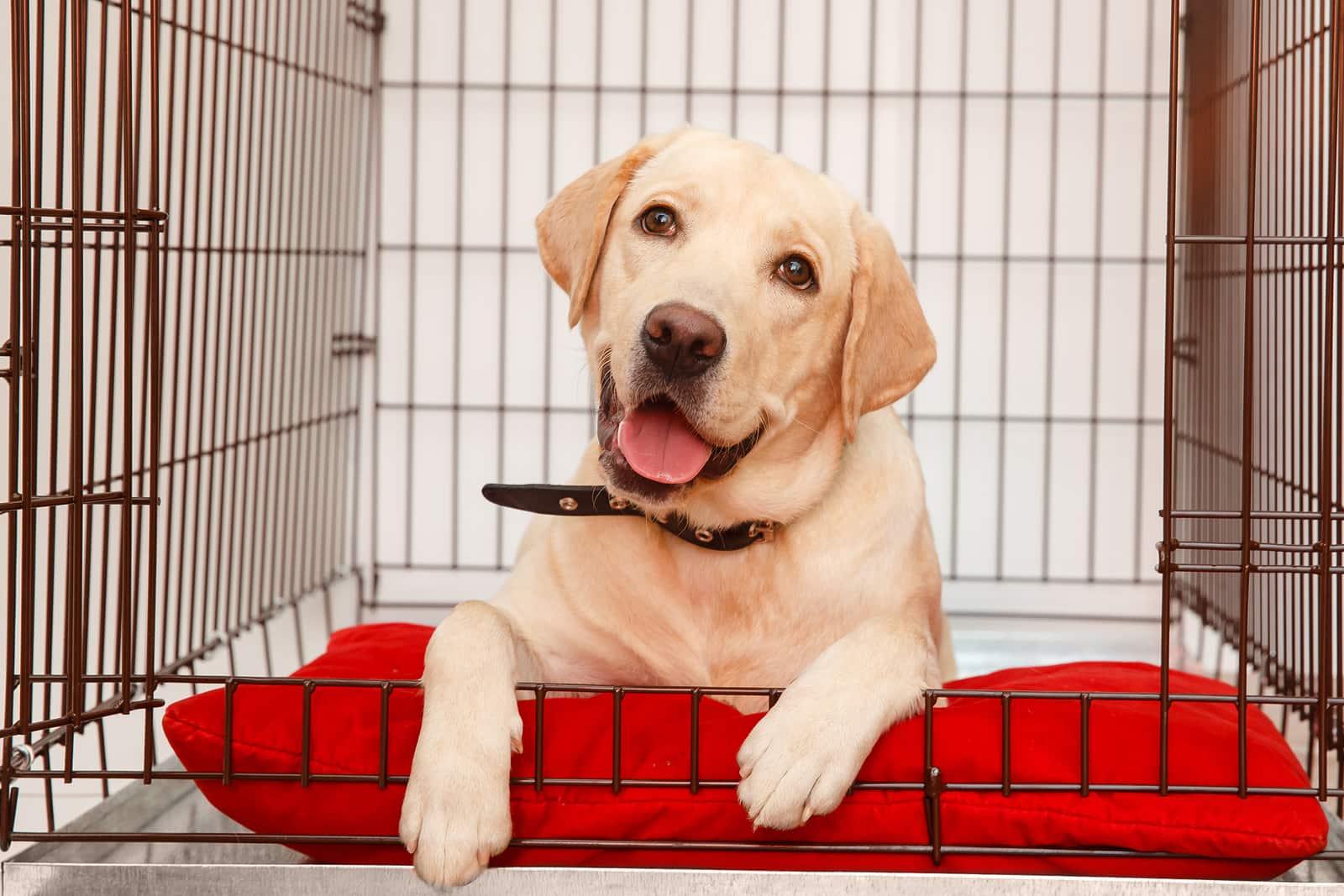
Credit: www.hillspet.com.au
Maintaining Consistency And Patience
Maintaining consistency and patience is key when crate training an older dog. Older dogs need time to adjust to new habits. They learn best with steady routines and calm guidance. Patience helps build trust and confidence. It reduces stress for both you and your dog.
Establishing Routine
Set a clear daily schedule for crate time. Regular feeding, play, and crate sessions help your dog understand expectations. Use the crate at similar times each day. Predictability makes your dog feel safe and secure. Consistent timing helps form a strong habit.
Reward-based Training
Use treats and praise to encourage positive behavior. Reward your dog every time they enter or stay calm in the crate. Positive rewards make the crate a happy place. Avoid punishment, as it causes fear and confusion. Rewards motivate your dog to learn faster.
Adjusting Expectations
Older dogs may take longer to adapt than puppies. Progress might be slow and small. Celebrate every tiny success. Avoid rushing or forcing your dog into the crate. Understand your dog’s limits and respect their pace. Patience leads to lasting results and trust.
When To Seek Professional Help
Crate training an older dog can be a smooth process for many owners. Sometimes, challenges arise that need expert guidance. Knowing when to seek professional help saves time and stress. Experts can offer solutions that suit your dog’s unique needs and behavior.
Behavioral Issues
Older dogs may have habits that make crate training hard. Aggression, anxiety, or fear can block progress. A professional trainer understands these behaviors. They use gentle methods to help your dog feel safe. Early help stops problems from getting worse.
Medical Concerns
Health problems can affect crate training success. Pain or discomfort may cause resistance or accidents. A vet check can identify issues like arthritis or bladder problems. Treating medical concerns improves your dog’s comfort. This makes crate training easier and more effective.
Finding A Trainer
Choose a trainer with experience in older dogs. Look for positive reinforcement techniques only. Ask for references or reviews from other dog owners. A good trainer works with your schedule and goals. Their support makes crate training less stressful for all.

Credit: www.diggs.pet
Frequently Asked Questions
Can Older Dogs Learn Crate Training Effectively?
Yes, older dogs can learn crate training with patience and consistency. Their adaptability depends on past experiences and temperament. Using positive reinforcement helps build comfort and trust in the crate. Regular, short sessions improve success and reduce stress for older dogs.
How Long Should Crate Training Take For Older Dogs?
Crate training duration varies but often takes a few weeks. Older dogs may need extra time due to habits or anxiety. Consistent routines, positive rewards, and gradual crate exposure speed up training. Always monitor your dog’s comfort and adjust training pace accordingly.
What Are The Benefits Of Crate Training Older Dogs?
Crate training offers safety, security, and a personal space for older dogs. It aids in house training, reduces anxiety, and prevents destructive behavior. Crates help manage older dogs with mobility issues or health concerns. It also supports easier travel and vet visits.
How To Introduce A Crate To An Older Dog?
Start by placing treats and toys inside the crate. Encourage your dog to enter willingly without force or pressure. Keep the crate door open initially and praise your dog for calm behavior. Gradually increase crate time, ensuring a positive and stress-free experience.
Conclusion
Crate training an older dog takes patience and care. Dogs can learn new habits at any age. Keep training sessions short and positive. Use treats and praise to encourage good behavior. Watch your dog’s reactions and adjust as needed. Consistency is key for success.
Remember, building trust helps your dog feel safe. Small steps lead to big progress over time. Enjoy the process and celebrate each win. Your older dog can happily adapt to crate life.


