

Leash training an older dog might seem tricky, but it doesn’t have to be. If your furry friend pulls, resists, or seems confused during walks, you’re not alone.
The good news is, with the right approach, you can turn every walk into a calm, enjoyable time for both of you. Imagine having your dog walk beside you, relaxed and happy, no matter their age. Ready to learn how?
Keep reading, because these simple steps can change your daily walks forever.
Credit: www.guidemetrip.com
Choosing The Right Leash And Collar
Choosing the right leash and collar is key to leash training an older dog. Older dogs may have special needs. Comfort and safety come first. The correct gear makes walks pleasant. It helps build trust between you and your dog.
Older dogs might have joint pain or sensitive skin. Pick leashes and collars that do not cause discomfort. This reduces stress during training. A good leash and collar also give you better control. They keep your dog safe on walks.
Types Of Leashes
There are many leash types. A standard leash is simple and strong. It gives good control over your dog. Retractable leashes let your dog roam farther. But they can be hard to manage with older dogs. A hands-free leash is good for slow walks or jogging. Nylon leashes are light and easy to clean. Leather leashes are durable and soft on your hands. Choose a leash length that suits your walking style. A shorter leash keeps your dog close and safe.
Collar Options For Older Dogs
Soft collars work well for older dogs. They avoid hurting sensitive skin. A padded collar adds extra comfort. Head collars guide your dog gently without pulling. Harnesses are a great option. They reduce pressure on the neck. Harnesses also help dogs with breathing or neck issues. Pick a collar that fits well. It should be snug but not tight. Check it often to avoid irritation.
Safety Considerations
Safety matters most with older dogs. Choose leashes and collars with strong clips. They should not break easily. Reflective materials help keep your dog visible at night. Avoid collars that choke or cause pain. Look for quick-release buckles for emergencies. Regularly check gear for wear and tear. Replace damaged parts immediately. Your dog’s safety depends on reliable equipment.

Credit: help.sc.ug
Preparing Your Dog For Training
Preparing your dog for leash training is an important first step. Older dogs need patience and gentle guidance. This phase helps your dog feel safe and ready. It builds trust between you and your pet. Starting well makes training easier and more effective.
Assessing Your Dog’s Temperament
Know your dog’s personality before training. Watch how your dog reacts to new things. Is your dog calm or nervous? Does your dog like new people or stay shy? Understanding these traits helps you choose the right training pace. It also helps avoid stress and fear during training.
Introducing The Leash Indoors
Begin leash training inside your home. Let your dog wear the leash without pulling. Keep the sessions short and calm. Allow your dog to walk freely with the leash. This helps your dog get used to the new feeling. It makes outdoor walks less scary later.
Building Positive Associations
Make leash time a happy moment. Use treats or favorite toys while the leash is on. Praise your dog with a soft voice and gentle petting. Reward calm and relaxed behavior often. This teaches your dog that the leash means good things. Positive feelings help your dog enjoy training.
Basic Leash Training Techniques
Basic leash training is important for older dogs. It builds good habits and makes walks pleasant. Older dogs can learn new skills with patience and care. Start with simple steps and stay consistent. Training sessions should be short and fun to keep your dog interested.
Using Treats And Rewards
Treats help your dog learn faster. Give a small treat when your dog behaves well on the leash. Praise your dog with a happy voice. This shows your dog what you want. Use treats often at first. Slowly, use them less but keep praising.
Teaching Loose Leash Walking
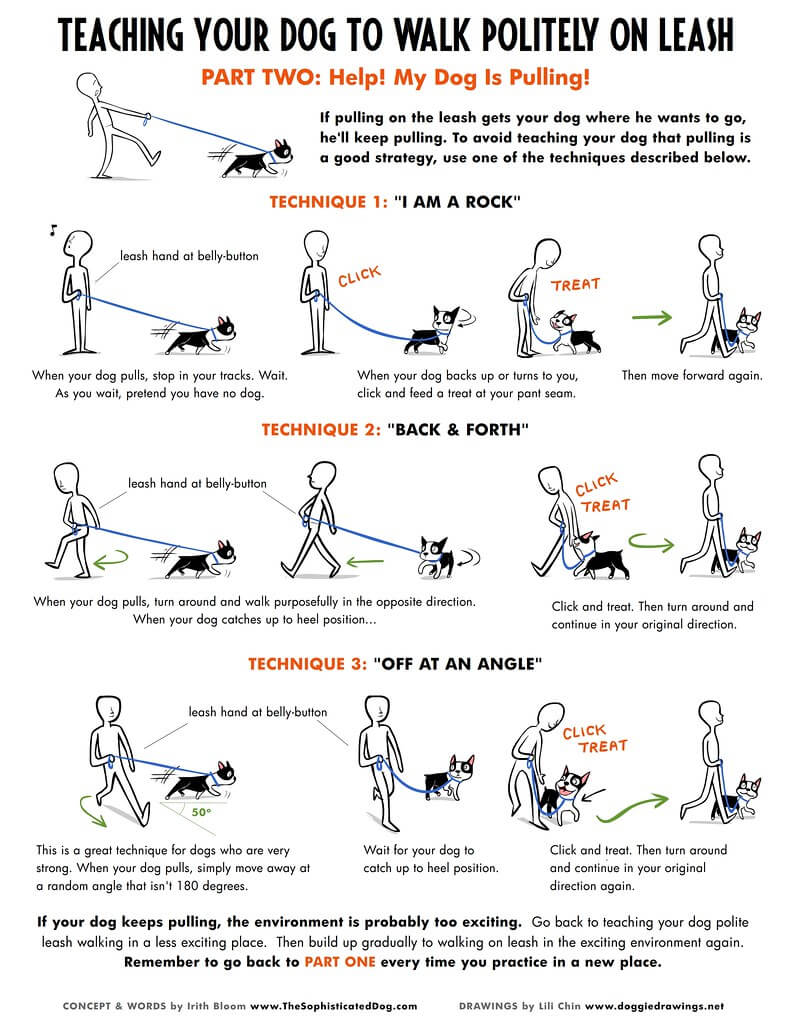
Loose leash walking means the leash is not tight. Stop walking if your dog pulls. Wait until the leash is loose again. Then, start walking slowly. This teaches your dog to stay close. Practice in quiet places first. Gradually try busier areas as your dog improves.
Handling Pulling And Resistance
Pulling is common in older dogs new to leash training. Stay calm and firm. Do not pull back hard. Stop walking and wait for your dog to relax. Use gentle corrections like changing direction. Reward your dog when it follows your lead. Patience is key to reduce pulling over time.
Addressing Common Challenges
Leash training an older dog can bring some unique challenges. These dogs may have habits or fears that make walking harder. Understanding and addressing these issues helps create calm, enjoyable walks. Patience and simple steps lead to better leash manners.
Fear And Anxiety On Walks
Older dogs may feel scared outside. Strange noises or new places cause stress. Watch your dog’s body language closely. Stop and comfort your dog if fear shows. Use treats to create positive feelings. Take short walks at first. Slowly increase time and distance.
Dealing With Distractions
Distractions like other dogs, cars, or people can pull your dog’s focus. Train in quiet areas at the start. Reward attention to you with treats or praise. Practice “look” or “focus” commands before walks. Gradually add distractions as your dog improves. Keep sessions short and fun.
Managing Stubborn Behavior
Older dogs may resist new rules. They might pull or stop often. Stay calm and firm. Use a gentle but steady grip on the leash. Stop walking if pulling happens. Wait for your dog to relax before moving. Consistency is key. Repeat training often in small steps.
Increasing Walk Duration And Complexity
Increasing the length and difficulty of walks helps your older dog get stronger. It also builds their confidence on the leash. Start slow and add time and new challenges step by step. This makes walks fun and safe for your dog.
Gradual Exposure To New Environments
Let your dog explore new places little by little. Start with quiet areas like parks or calm streets. Watch how your dog reacts to sounds and sights. Stop if they seem scared or tired. Gradually add busier places as your dog gets used to the leash and surroundings.
Introducing Commands On Walks
Use simple commands during walks to improve control and focus. Teach “stop,” “wait,” and “heel” in short sessions. Praise your dog for obeying. Commands help your dog stay calm and listen, even in exciting or distracting places.
Building Endurance Safely
Increase walk time by a few minutes each day. Watch for signs of tiredness like lagging or panting. Let your dog rest when needed. Use soft surfaces like grass to protect their joints. Safe endurance building helps your dog enjoy longer, happier walks.
Credit: www.pawmaw.com
Maintaining Consistency And Patience
Training an older dog to walk on a leash takes time and care. Consistency and patience are the keys to success. Dogs learn best when they know what to expect. Regular practice helps build good habits. Keeping a calm attitude makes your dog feel safe and confident. This section shows how to stay steady and patient during leash training.
Setting Realistic Goals
Start with small, easy goals. Let your dog get used to the leash indoors first. Short walks around the house or yard work well. Increase the time and distance slowly. Avoid pushing your dog too fast. Celebrate small wins. Realistic goals keep training fun and stress-free.
Tracking Progress
Write down what your dog does each day. Note good behavior and times when your dog struggles. Tracking helps see what works best. It also shows steady improvement. You can adjust training steps based on your notes. Progress tracking keeps you focused and motivated.
Staying Calm And Encouraging
Your dog feels your mood. Stay calm, even when training is hard. Use a soft voice and gentle touches. Praise your dog often with kind words. Avoid yelling or pulling the leash. Patience helps your dog trust you. Encouragement makes learning easier and more fun.
Frequently Asked Questions
How Do You Start Leash Training An Older Dog?
Begin with short, positive sessions indoors. Use treats and praise to encourage calm walking. Gradually increase time and distractions to build confidence and comfort on the leash.
What Tools Help Leash Train An Older Dog?
Use a comfortable, well-fitted harness or collar. Choose a lightweight leash for control. Avoid retractable leashes for better training focus and safety.
How Long Does Leash Training Take For Older Dogs?
Training time varies by dog personality and past habits. Most older dogs adapt within weeks of consistent, daily practice and positive reinforcement.
How To Handle Leash Pulling In Older Dogs?
Stop walking immediately when pulling occurs. Use treats to reward loose leash walking. Consistency and patience reduce pulling over time.
Conclusion
Leash training an older dog takes time and patience. Start slow and keep sessions short. Use treats and praise to encourage good behavior. Stay calm and consistent every day. Watch your dog’s body language closely. Celebrate small wins along the way.
With effort, your dog will learn to walk nicely. Enjoy peaceful walks and stronger bonds together. Keep practicing, and success will come.
