

Are you tired of finding dog hair on your clothes, furniture, and everywhere in between? If shedding drives you crazy, knowing which dog breeds shed the most can save you a lot of frustration.
Understanding your dog’s shedding habits helps you prepare, clean smarter, and choose a pet that fits your lifestyle. Keep reading to discover the breeds that shed the most—and find out what you can do to manage all that hair before it takes over your home.

Credit: www.purina.com
High-shedding Dog Breeds
High-shedding dog breeds are known for losing a lot of hair throughout the year. Their shedding can create a challenge for pet owners. These dogs often have thick coats that protect them in cold weather. The shedding helps them stay cool in warmer months. Understanding which breeds shed the most can help you prepare for cleaning and grooming.
Labrador Retriever
Labradors are friendly and active dogs. They have a short, dense coat that sheds heavily. Labradors shed year-round with more hair loss in spring and fall. Regular brushing helps manage loose hair. Despite shedding, they remain a popular family pet.
German Shepherd
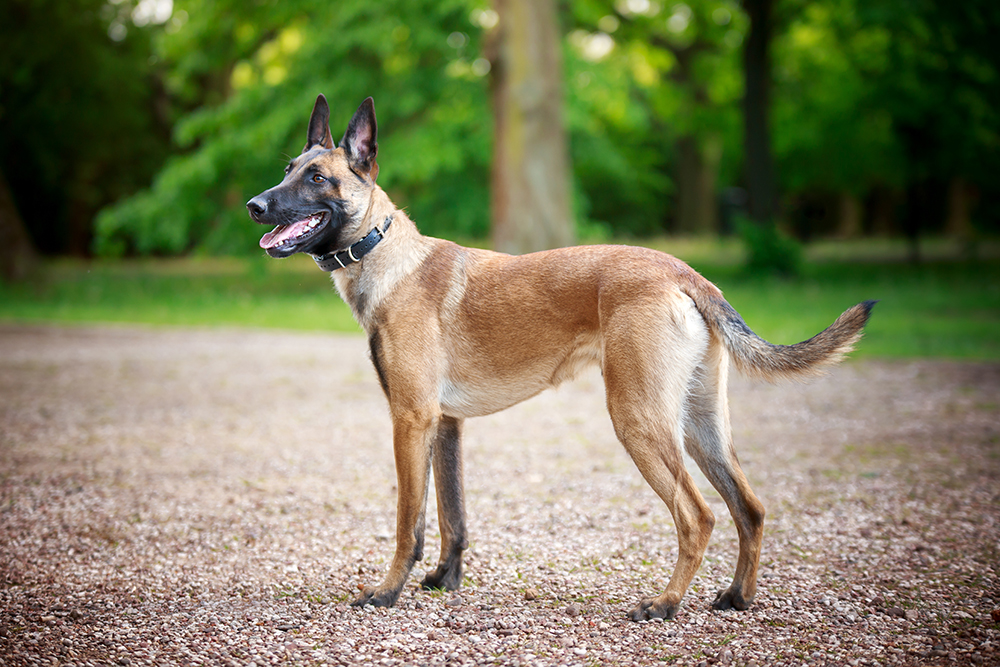
German Shepherds have a double coat that sheds a lot. Their thick fur protects them from harsh weather. Shedding increases during seasonal changes. Brushing several times a week reduces hair around the house. These dogs are loyal and highly trainable.
Siberian Husky
Siberian Huskies have a thick double coat for cold climates. They shed heavily twice a year in a process called “blowing coat.” During this time, daily brushing is important. Huskies are energetic and love outdoor activities.
Golden Retriever
Golden Retrievers have a dense, water-resistant coat. They shed moderately but increase shedding in spring and fall. Weekly brushing helps control loose fur. These dogs are gentle and great with children.
Alaskan Malamute
Alaskan Malamutes have a thick double coat for Arctic cold. They shed heavily, especially in warm months. Frequent grooming is necessary to keep shedding under control. Malamutes are strong and friendly companions.
Factors Influencing Shedding
Shedding varies widely among dog breeds. Several factors influence how much a dog sheds. Understanding these helps manage pet hair better. Below are key factors that affect shedding.
Coat Type And Length
Dogs have different coat types and lengths. Short-haired dogs usually shed less than long-haired ones. Double coats shed more because they have two layers. The undercoat falls out, especially during shedding seasons. Some breeds have wiry or curly coats that trap loose hair. These breeds shed less, but grooming is still important.
Seasonal Shedding Patterns
Many dogs shed more in certain seasons. Spring and fall are peak shedding times. Dogs lose their winter or summer coats to adjust to temperature changes. This process is natural and helps them stay comfortable. Indoor dogs may shed less due to stable temperatures but still follow seasonal patterns. Regular brushing during these times reduces loose hair around the home.
Health And Nutrition
A dog’s health affects its coat condition. Poor nutrition can cause excessive shedding or dry skin. Balanced diets with proper vitamins help maintain healthy fur. Allergies, parasites, or skin infections increase shedding too. Regular vet check-ups catch these issues early. Good grooming and nutrition support a shiny, strong coat with less shedding.
Managing Excessive Shedding
Managing excessive shedding is key to keeping your home clean and your dog comfortable. Shedding happens naturally, but some breeds lose more hair than others. Controlling this shedding takes consistent care and attention. Simple steps can reduce loose fur and skin flakes around your house.
Regular care also helps your dog’s skin stay healthy. It prevents mats and tangles that cause pain. A smooth coat looks shiny and feels soft. Let’s explore some ways to manage shedding effectively.
Regular Grooming Techniques
Brush your dog often to remove loose fur. Use the right brush for your dog’s coat type. Brushing stops dead hair from falling around your home. It also spreads natural oils that keep the coat healthy. Check for knots and tangles and gently remove them. Grooming sessions can be short but should happen at least twice a week. This habit reduces the amount of hair shed daily.
Effective Bathing Practices
Bath your dog every month or as needed. Use a gentle shampoo made for dogs. Avoid harsh soaps that dry out the skin. Rinse well to remove all shampoo residue. Dry your dog completely to prevent skin irritation. Bathing helps wash away loose hair and dirt. It also soothes itchy or flaky skin. Keep baths regular but not too frequent to protect natural oils.
Dietary Supplements For Coat Health
Give your dog supplements that support skin and coat health. Omega-3 and omega-6 fatty acids work well. They reduce inflammation and improve hair strength. Vitamins like biotin and zinc can also help. Consult your vet before adding supplements. A balanced diet with these nutrients reduces shedding. Healthy skin means less hair loss and a shinier coat.
Low-shedding Alternatives
Many people want a dog but worry about shedding. Low-shedding dogs offer a great solution. These breeds shed very little hair and cause less mess. They fit well in homes where cleanliness matters. They also help people with mild allergies enjoy a pet.
Poodles
Poodles come in three sizes: standard, miniature, and toy. Their curly coat traps loose hairs, so they shed less. Poodles need regular grooming to keep their coat healthy. They are smart and easy to train. These dogs love to play and make good family pets.
Bichon Frise
Bichon Frises have soft, curly fur that sheds very little. Their coat needs regular brushing to avoid tangles. These dogs are cheerful and friendly. They get along well with children and other pets. Bichons are small but full of energy and charm.
Portuguese Water Dog
Portuguese Water Dogs have thick, curly coats that shed minimally. Their fur is water-resistant and needs grooming every few weeks. These dogs are strong swimmers and love water activities. They are loyal and protective, making good companions. Portuguese Water Dogs suit active families well.
Shedding And Allergies
Shedding can make allergies worse for many people. Dog hair carries tiny proteins that trigger allergic reactions. These proteins come from skin flakes, saliva, and urine. Shedding spreads these allergens around the home. Understanding how shedding affects allergies helps in choosing the right dog.
Hypoallergenic Dog Myths
Many believe hypoallergenic dogs do not shed or cause allergies. This is not always true. No dog breed is 100% hypoallergenic. Some dogs shed less, but still produce allergens. People with allergies may react differently to various breeds. Allergy symptoms depend on exposure and individual sensitivity.
Allergy-friendly Breeds
Some dog breeds shed very little hair. These breeds may reduce allergen spread in the home. Examples include Poodles, Bichon Frises, and Maltese. Their hair grows continuously and traps dander. Regular grooming helps control shedding and allergens. Choosing these breeds can ease allergy symptoms for some people.
Credit: www.purina.com
Credit: www.purina.com
Frequently Asked Questions
Which Dog Breeds Shed The Most Hair?
Breeds like German Shepherds, Siberian Huskies, and Golden Retrievers shed the most. They have thick double coats. Seasonal shedding is common in these breeds.
How Can I Reduce Shedding In Heavy Shedding Dogs?
Regular brushing removes loose hair and reduces shedding. Use de-shedding tools and maintain a healthy diet. Bathing with shedding-control shampoos helps, too.
Are Hypoallergenic Dogs Low Shedders?
Yes, hypoallergenic dogs like Poodles and Bichon Frises shed very little. They produce fewer allergens and loose hair. These breeds suit allergy sufferers well.
Does Shedding Vary By Dog’s Coat Type?
Yes, double-coated dogs shed more seasonally. Single-coated dogs shed less but still lose hair year-round. Coat type directly affects shedding amount.
Conclusion
Choosing a dog breed means knowing how much they shed. Some dogs lose fur all year, while others shed less. This affects cleaning and allergies in your home. Picking the right breed helps keep your space tidy. Think about your lifestyle and needs before deciding.
Shedding is normal, but some breeds need extra care. Understanding shedding helps you enjoy your pet more. Care and grooming make a big difference. Choose wisely for a happy, clean home.


