

If you have a 40-pound dog, you might wonder if adult small breed food is the right choice. You want to give your furry friend the best nutrition, but are unsure if this type of food meets their needs.
Choosing the wrong food can affect your dog’s health and energy. Keep reading to find out if adult small breed food suits your dog’s size and how to make the best decision for their diet. Your dog’s well-being depends on it.
Small Breed Food Basics
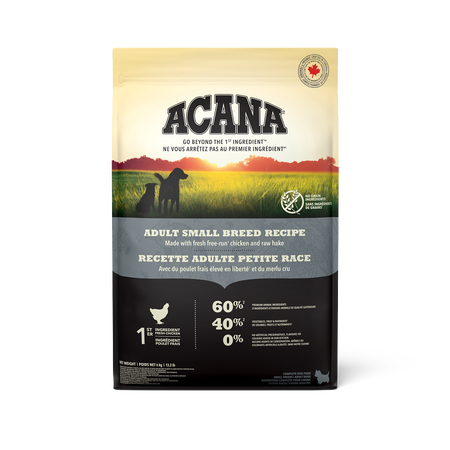
Small breed dog food is made to meet the unique needs of little dogs. These foods support their fast metabolism and smaller mouths. Choosing the right food helps keep your dog healthy and happy. Knowing the basics of small breed food helps you decide if it suits your 40-pound dog.
Small breed formulas often differ from regular dog food. They focus on key nutrients and the right energy levels. Understanding these differences makes feeding easier and safer for your pet.
Nutritional Needs Of Small Breeds
Small breeds need more calories per pound than larger dogs. Their bodies burn energy quickly. They require more protein and fat to stay active and strong. Vitamins and minerals support their fast metabolism and immune system. The food often contains higher nutrient levels in a smaller amount.
Calorie Density And Portion Sizes
Small breed dog food is calorie-dense. This means more energy in less food. It fits their small stomachs and helps avoid overeating. Portion sizes are smaller but packed with nutrients. Feeding the right portion size keeps your dog at a healthy weight. Overfeeding can cause weight gain and health problems.
Credit: www.acana.com
Size Vs. Weight Considerations
Choosing the right food for your dog involves understanding both size and weight. These two factors affect your dog’s nutrition needs differently. Size relates to the breed’s typical body structure. Weight reflects your dog’s current body mass. Both play a key role in deciding the best diet.
Why Breed Size Matters
Breed size influences the shape and energy needs of your dog. Small breeds have faster metabolisms and need more calories per pound. Their food often contains smaller kibble pieces for easier chewing. Larger breeds usually eat bigger kibble and have slower metabolisms. Feeding a small breed diet to a larger dog might not meet its nutritional needs. The nutrients in small breed food focus on supporting high energy and dental care for tiny mouths.
Impact Of Weight On Diet
Weight shows how much your dog currently weighs, which can differ from breed standards. A 40-pound dog may be a large small breed or a small medium breed. Weight helps determine calorie intake and portion size. Overweight dogs need fewer calories, while underweight dogs require more. Feeding a small breed diet to a heavier dog may cause nutrient imbalances. Adjusting food based on weight helps keep your dog healthy and at an ideal size.
Suitability For A 40 Pound Dog
Choosing the right food for a 40-pound dog matters a lot. Adult small breed dog food is made for smaller dogs, usually under 22 pounds. This food has smaller kibble and different nutrients. But can a 40-pound dog eat this food safely? Let’s explore what happens when a medium-sized dog eats small breed food.
Potential Benefits
Small breed food has smaller kibble. This can help dogs chew easily. Some dogs like the taste more. The food often contains more calories per cup. This can help active dogs keep their energy. It also has added nutrients for skin and coat health. For some 40-pound dogs, this food might be easier to eat.
Possible Risks
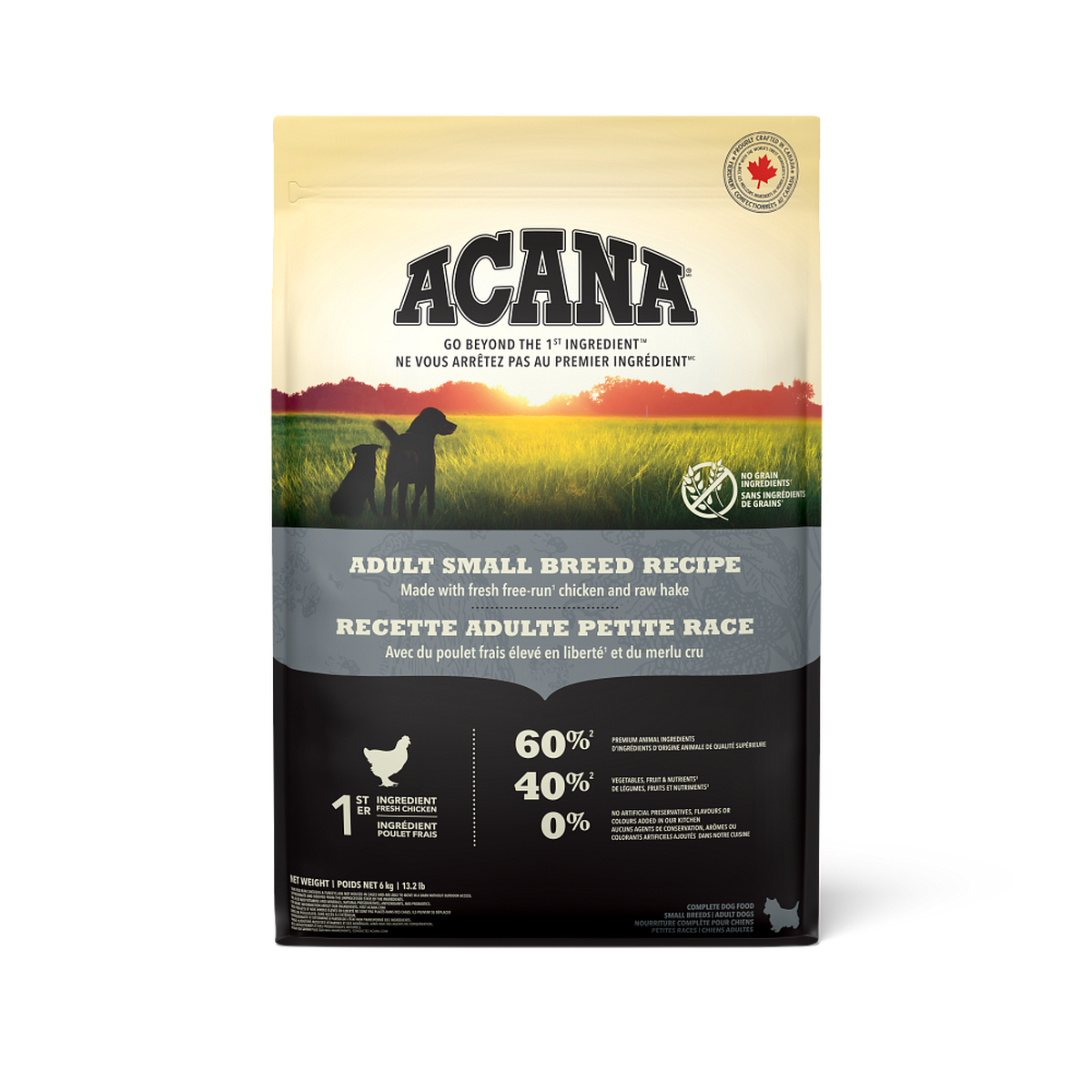
Small breed food has more calories and fat. A 40-pound dog eating this food might gain weight fast. This can cause health problems like joint pain or heart issues. The nutrient balance may not meet a medium dog’s needs. Over time, the dog could miss important vitamins or minerals. Feeding only small breed food could lead to digestive upset. Always watch your dog’s weight and health closely.
Credit: www.acana.com
Alternatives To Small Breed Food
Choosing the right food for your 40-pound dog is important for their health. Small breed dog food may not always meet the needs of medium-sized dogs. There are good alternatives to consider that fit their size and energy levels better.
These options help ensure your dog gets the right nutrients. They also support healthy growth and activity. Let’s explore some alternatives to small breed food for your dog.
Adult Medium Or Large Breed Options
Medium or large breed dog foods are designed for dogs weighing more than 30 pounds. These foods have balanced nutrients to support muscle and joint health. They often contain less calorie-dense ingredients to avoid weight gain. Your 40-pound dog may benefit from these formulas. They help maintain a healthy weight and provide enough energy for daily activities.
Customized Diet Plans
Customized diet plans tailor food to your dog’s specific needs. A vet or pet nutritionist can help create one. They consider your dog’s age, size, and activity level. This plan may include specific ingredients or supplements. Customized diets improve digestion and overall health. They ensure your dog gets exactly what they need to thrive.
Expert Recommendations
Choosing the right food for your 40-pound dog is important. Expert advice helps ensure your dog stays healthy and happy. Experts focus on your dog’s unique needs, size, and activity level. They guide you to make safe, healthy choices for your pet’s diet.
Consulting A Veterinarian
A veterinarian knows your dog’s health history and needs. They can tell if adult small breed food suits your dog. Vets check weight, energy, and any health issues. They suggest the best food type and portion size. Regular vet visits keep your dog’s diet on track.
Monitoring Health And Adjusting Diet
Watch your dog’s weight and energy after changing food. Look for changes in coat, digestion, and behavior. If your dog gains weight or seems tired, change the diet. Adjust portions or switch to a different food type. Keep a close eye to keep your dog healthy.

Credit: www.amazon.com
Frequently Asked Questions
Can A 40 Pound Dog Eat Small Breed Adult Food?
Yes, a 40 pound dog can eat small breed adult food, but it’s not ideal. Small breed formulas have more calories per serving and smaller kibble, designed for smaller dogs’ energy needs and mouth size. Larger dogs may require food tailored to their size for balanced nutrition.
What Are The Risks Of Feeding Small Breed Food To Larger Dogs?
Feeding small breed food to larger dogs can cause overfeeding and weight gain. The calorie density is higher, which may lead to obesity. Also, the nutrient balance might not meet the needs of a 40 pound dog, potentially impacting their overall health and energy levels.
How To Choose The Right Food For A 40 Pound Dog?
Choose dog food based on your dog’s size, age, activity, and health needs. For a 40 pound dog, select adult formulas meant for medium breeds. Check for balanced nutrients, appropriate calorie count, and kibble size that suits their mouth and chewing ability.
Can Small Breed Food Meet My Dog’s Nutritional Needs?
Small breed food meets nutritional needs for small dogs, but may not for 40 pound dogs. Larger dogs often need more protein, fat, and calories. Feeding small breed food might lead to nutrient imbalances or insufficient energy for bigger, active dogs.
Conclusion
Choosing the right food helps keep your dog healthy and happy. A 40-pound dog needs more calories and nutrients than small breed food offers. Feeding small breed food might not meet your dog’s energy needs. Always check the label for ingredients and nutrition facts.
Talk to your vet to find the best food for your dog’s size and health. Your dog deserves a balanced diet for a long, active life. Small breed food is not the best choice for bigger dogs. Choose wisely for your furry friend’s well-being.


