
Are you wondering when the right time is to switch your dog from puppy food to adult food? Making this change at the right moment is crucial for your dog’s health and happiness.
Feed them too early, and they might miss out on essential nutrients. Wait too long, and you could risk weight gain or digestive issues. You’ll discover clear signs and expert tips to help you make the best choice for your furry friend.
Keep reading to ensure your dog stays healthy and strong at every stage of life.
Credit: gmsstleonard.com
Signs Your Puppy Is Ready
Knowing when to switch your puppy to adult food is important for their health. Puppies grow fast, and their needs change as they develop. Watch for signs that show your puppy is ready for this next step.
Age Milestones
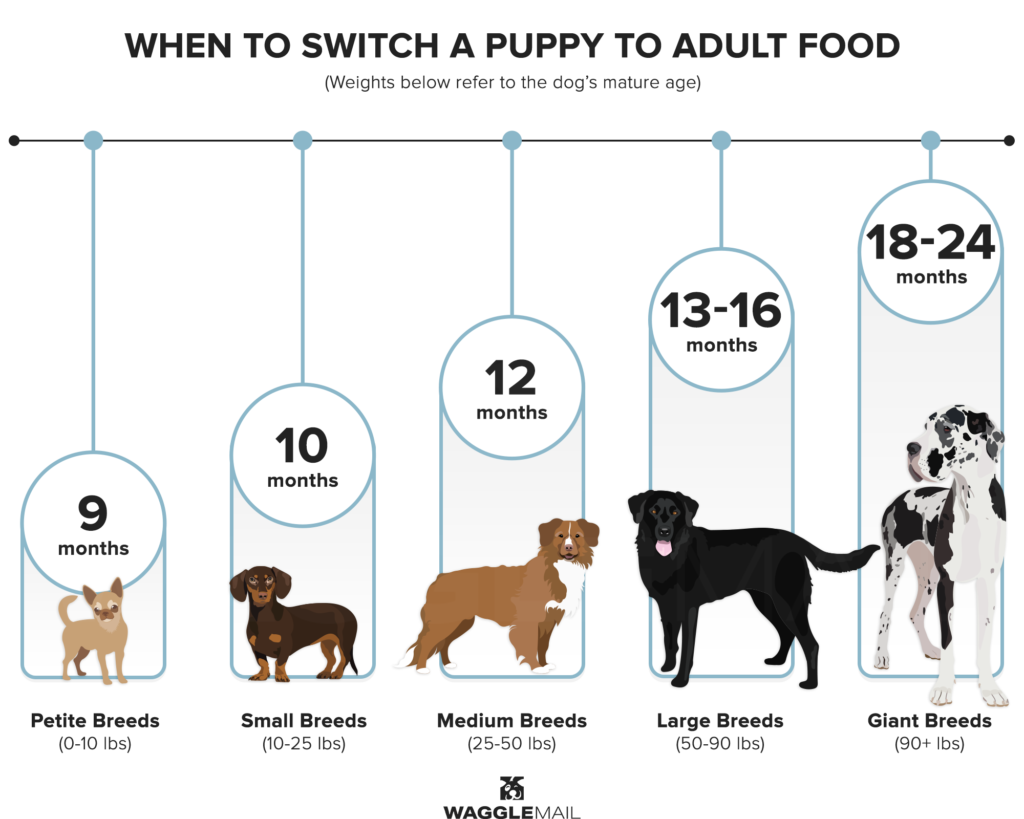
Puppies usually start eating adult food between 9 and 12 months. Small breeds may switch earlier, around 9 months. Larger breeds often need more time, closer to 12 months. Follow your vet’s advice for your puppy’s breed and size.
Weight And Size
Check if your puppy has reached about 80% of their adult weight. Most puppies slow down their growth before switching food. If your puppy looks fuller and less lean, they may be ready. This means their bones and muscles are mostly developed.
Behavioral Changes
Puppies ready for adult food often show less energy than before. They may eat less often and seem calmer. If your puppy’s playful bursts slow down, they might need adult food. Watch for these changes to help choose the right time.
Credit: fit-the-foot.com
Nutritional Differences
Understanding the nutritional differences between puppy and adult dog food helps you choose the best diet. Puppies grow fast and need special nutrients to support their development. Adult dogs have different needs to stay healthy and active.
Puppy Vs Adult Food
Puppy food has more calories and protein to fuel growth. It contains extra vitamins and minerals for strong bones and teeth. Adult dog food has fewer calories to prevent weight gain. It focuses on maintaining muscle and overall health.
Essential Nutrients For Adults
Adult dogs need balanced protein for muscle repair and energy. Healthy fats support skin and coat health. Fiber helps digestion and keeps the gut healthy. Vitamins and minerals protect the immune system and keep organs working well.
Health Benefits Of Switching
Switching to adult food prevents obesity by controlling calorie intake. It supports joint health with added nutrients like glucosamine. Adult food helps maintain a healthy weight and energy level. It also reduces the risk of digestive problems and allergies.
Timing The Transition
Knowing the right time to switch your dog to adult food is important. This change supports their growth and health. Switching too early or too late can affect your dog’s nutrition and digestion. Understanding the best timing helps make the transition smooth and safe.
Ideal Age Range
Puppies usually move to adult food between 9 and 12 months. Small breeds may switch closer to 9 months. Larger breeds often need to wait until 12 months or later. This range supports their growth stages properly.
Breed And Size Considerations
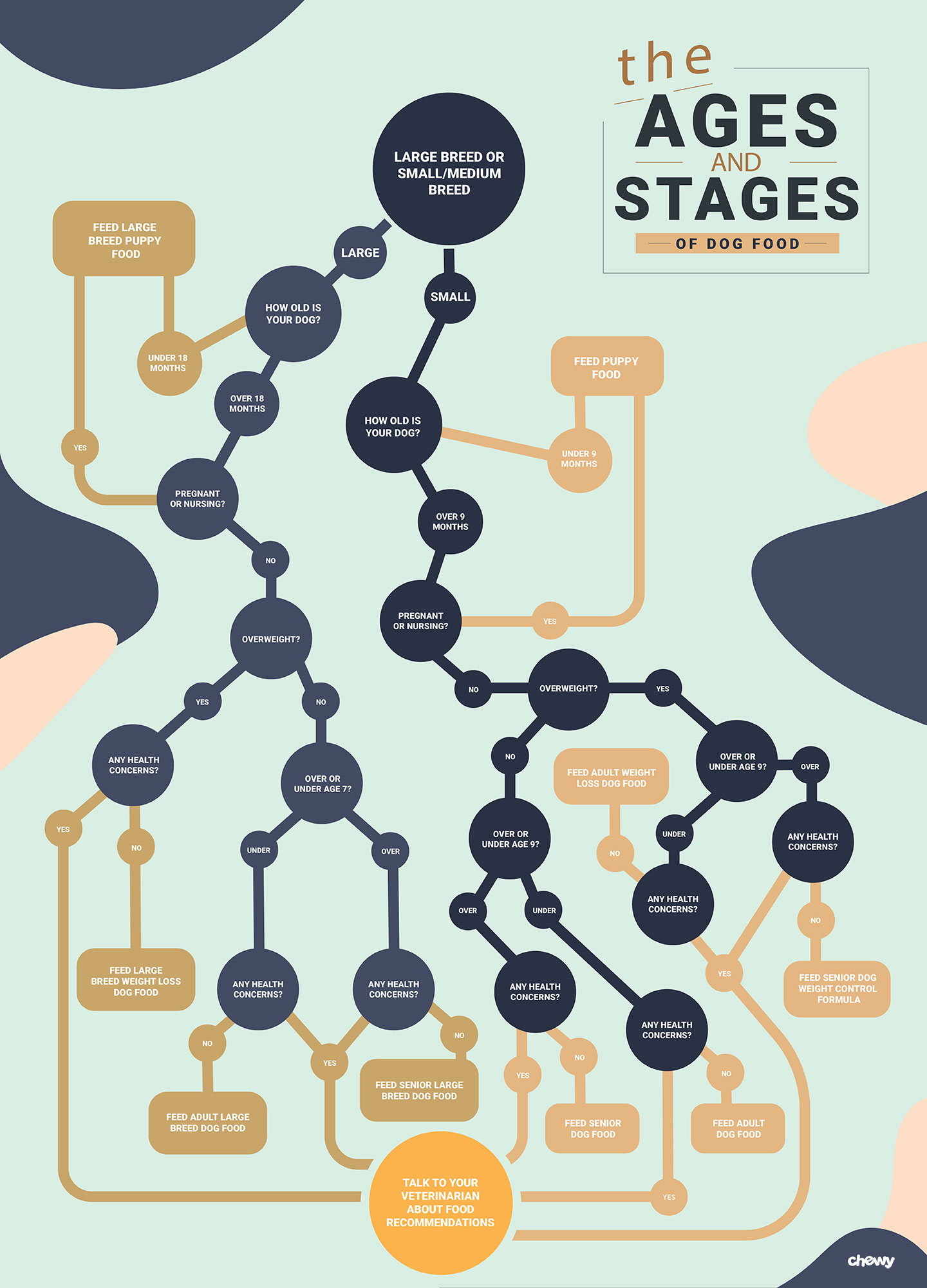
Small dogs grow faster and mature earlier. Large breeds take longer to grow and need more time on puppy food. Giant breeds may need puppy food for up to 18 months. Size and breed impact how long your dog needs special nutrition.
Veterinarian Recommendations
Your vet knows your dog’s health and needs best. They can advise the right time to switch foods. Regular check-ups help track growth and health changes. Follow your vet’s advice for a safe and healthy transition.
How To Switch Foods
Switching your dog from puppy food to adult food needs care. A sudden change can upset their stomach. A smooth transition helps your dog adjust well.
Gradual Introduction
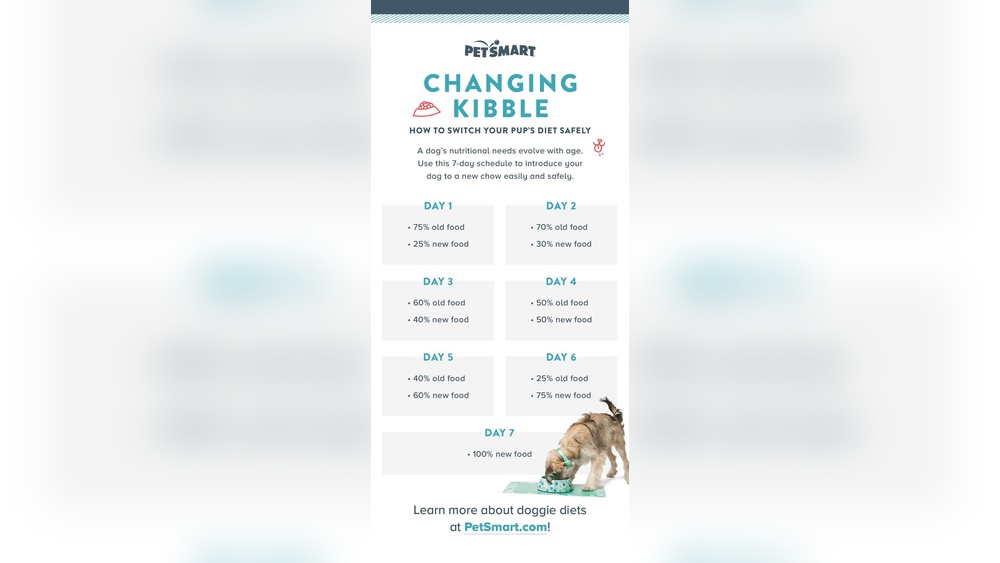
Start by mixing a small amount of adult food with puppy food. Increase the adult food over 7 to 10 days. This slow change helps your dog’s body adapt. It reduces the risk of stomach upset.
Monitoring Digestive Health
Watch your dog’s stool and energy levels each day. Loose stool or vomiting means the change is too fast. If this happens, slow down the transition. Healthy digestion shows your dog is adjusting well.
Adjusting Portions
Adult food has different calories than puppy food. Check the feeding guide on the food package. Adjust the amount to match your dog’s size and activity. Keep an eye on their weight during the switch.
Common Challenges
Transitioning your dog to adult food is an important step. It comes with some challenges that pet owners often face. Knowing these common issues helps you prepare and handle them easily. Your dog’s health and happiness depend on a smooth change in diet.
Picky Eating
Some dogs reject new food at first. They may prefer the puppy food taste and texture. This can make the transition tough. Offer small mixes of old and new food. Gradually increase the adult food amount. Patience is key to help your dog adjust.
Allergic Reactions
New ingredients can cause allergies in some dogs. Watch for itching, redness, or upset stomach. Stop feeding the food immediately if reactions appear. Consult your vet for advice and alternatives. Choose adult food with simple, natural ingredients to reduce risks.
Weight Management
Adult food has different calories than puppy food. Dogs may gain or lose weight during the switch. Monitor your dog’s weight closely. Adjust portion sizes based on activity levels. Keep your dog fit and healthy with balanced meals and exercise.
Special Cases
Some dogs do not follow the usual growth patterns. These special cases need different care when changing to adult food. Understanding their unique needs helps keep them healthy and strong.
Large Breed Puppies
Large breed puppies grow fast but need careful feeding. Their bones and joints need support to avoid problems. Switching to adult food too soon can harm their growth. Wait until they are about 12 to 18 months old. Use food made for large breeds to help healthy development.
Senior Dogs
Older dogs have slower metabolism and different needs. They may need fewer calories but more nutrients for joints and skin. Some senior dogs benefit from adult food with added supplements. Consult your vet to find the best time to change their diet.
Dogs With Health Issues
Dogs with health problems need special diets. Some conditions require foods with less fat or added fiber. Others need diets that support kidney or liver health. Always ask your vet before changing food for sick dogs. This ensures the diet matches their health needs perfectly.

Credit: www.scala-santa.com
Frequently Asked Questions
When Is The Right Age To Switch To Adult Dog Food?
Most dogs transition to adult food around 12 months old. Large breeds may switch between 12 to 18 months. Always consult your vet for breed-specific guidance to ensure proper nutrition during growth.
How Do I Know If My Dog Is Ready For Adult Food?
Look for signs like slowed growth and changes in energy. If your dog’s weight stabilizes and they act less puppy-like, it’s time to switch. Your vet can confirm readiness based on health and development.
Can Switching Too Early Harm My Puppy’s Health?
Yes, switching too early can cause nutrient deficiencies. Puppies need higher protein and fat for growth. Premature transition may lead to weak bones or poor development, so follow recommended age guidelines closely.
What Are The Benefits Of Adult Dog Food?
Adult dog food supports maintenance, not growth, with balanced nutrients. It helps maintain a healthy weight and energy level. Ingredients are formulated to meet mature dogs’ dietary needs efficiently.
Conclusion
Choosing the right time to switch your dog’s food is important. Watch for signs like growth slowing or changes in energy. Transition slowly to avoid stomach upset and help your dog adjust. Quality adult food supports health and keeps your dog active.
Remember, every dog is different, so trust your pet’s needs. Regular vet visits can guide you on the best feeding plan. Feeding the right food helps your dog live a happy, healthy life.


