

Are you wondering if a grain free diet is the right choice for your dog? With so many options out there, it’s easy to feel confused about what’s best for your furry friend.
You want to give your dog the healthiest food possible, but is cutting out grains really the answer? This article will help you understand the benefits and risks of a grain free diet, so you can make the best decision for your dog’s health and happiness.
Keep reading to find out if grain free is truly good for all dogs—or just some.
Grain Free Diet Basics
Grain free diets for dogs have grown in popularity. Many dog owners wonder if these diets suit all dogs. Understanding the basics helps you make good choices for your pet. Grain free means no wheat, corn, or rice in the food. Instead, other ingredients provide energy and nutrients.
Knowing what grain free dog food contains is important. This helps you check if it meets your dog’s needs. Some dogs may benefit from grain free diets. Others may do well on regular dog food with grains. Let’s explore what grain free diets really mean.
What Is Grain Free Dog Food
Grain free dog food does not have common grains like wheat or corn. It uses other sources of carbohydrates. These might include potatoes, peas, or lentils. The food still contains protein, fats, vitamins, and minerals. Grain free diets aim to reduce allergies or digestive issues in dogs.
Some dogs react to grains, but many do not. Grain free food is not always better for all dogs. It depends on the dog’s health, age, and breed. Always check with a vet before changing your dog’s diet.
Common Ingredients In Grain Free Diets
Instead of grains, grain free diets use vegetables, fruits, and legumes. Ingredients like sweet potatoes, peas, and chickpeas are common. These provide fiber and energy to dogs. Meat or fish is the main source of protein in most grain free foods.
Other ingredients include oils and supplements to support health. Each recipe varies by brand and type. Reading labels helps you understand what your dog will eat. This knowledge helps pick the right food for your dog’s needs.
Benefits Of Grain Free Diets
Grain free diets have become popular for many dogs. These diets exclude common grains like wheat, corn, and rice. Many owners choose grain free food to help their pets feel better and stay healthy.
Grain free diets often use vegetables, fruits, and meat as main ingredients. This change can bring several benefits for dogs. Some dogs digest these diets more easily. Others show fewer allergy signs. Energy levels may also improve.
Improved Digestion
Grains can be hard for some dogs to digest. Grain free diets remove these ingredients. This helps reduce stomach upset and gas. Dogs may have firmer stools and less diarrhea. Their gut feels calmer and works better.
Allergy Relief
Many dogs have allergies to grains. These allergies cause itching, redness, and ear infections. Grain free diets help reduce these symptoms. Removing grains lowers the chance of allergic reactions. Dogs often feel more comfortable and show healthier skin.
Better Energy Levels
Grain free diets provide protein and healthy fats. These nutrients give dogs steady energy throughout the day. Dogs on grain free food may be more active and playful. Their muscles stay strong and healthy. Overall, they feel more lively and alert.
Potential Risks And Concerns
Choosing a grain free diet for dogs is popular but not risk-free. Some concerns can affect your dog’s health. Understanding these risks helps make better food choices.
Nutritional Deficiencies
Grain free diets may lack essential nutrients found in grains. Dogs need fiber, vitamins, and minerals. Missing these can cause health problems like poor digestion or weak immune systems. Some grain free foods do not balance nutrients well. This can lead to long-term deficiencies.
Link To Heart Disease
Studies suggest a link between grain free diets and heart disease in dogs. Dilated cardiomyopathy, a serious heart condition, has been reported. The exact cause is unclear but may relate to missing ingredients. Dogs on grain free diets need monitoring for heart health.
Cost And Availability
Grain free dog foods often cost more than regular diets. Special ingredients and production raise prices. They can be harder to find in some stores. This limits options and may lead to inconsistent feeding. Owners should consider budget and access before choosing grain free.

Credit: portlandpetfoodcompany.com
Which Dogs Benefit Most
Not all dogs need a grain free diet. Some dogs show clear benefits from avoiding grains. These dogs often have health or digestive issues. Understanding which dogs benefit most helps owners make better food choices.
Dogs With Grain Allergies
Grain allergies cause itching, rashes, and upset stomachs. Dogs with these allergies feel more comfortable on grain free food. Their skin improves and digestion gets better. Grain free diets remove common allergens like wheat and corn.
Breeds Prone To Sensitivities
Some breeds have sensitive stomachs or food reactions. Breeds like Bulldogs, Boxers, and Retrievers often struggle with grains. Grain free diets reduce bloating and gas in these dogs. This diet can support their overall health.
Puppies And Senior Dogs
Puppies need easy-to-digest food for growth. Grain free options provide better nutrient absorption. Senior dogs often have weaker digestion. Grain free diets help reduce digestive stress. Both age groups can benefit from simpler ingredients.
When To Avoid Grain Free Diets
Not all dogs benefit from a grain free diet. Some dogs do better with grains included in their food. Grain free diets are not always the best choice for every dog’s health needs.
Healthy Dogs Without Allergies
Dogs without food allergies or sensitivities usually do well on regular diets. Grains provide energy and fiber that help digestion. Avoiding grains without a true allergy may limit important nutrients. Grain free diets are not necessary for healthy dogs.
Balanced Diet Importance
Every dog needs a balanced diet to stay strong and active. Grains add carbohydrates, vitamins, and minerals that support health. Removing grains might cause nutrient gaps if not replaced properly. Balanced nutrition is key to a dog’s overall wellbeing.
Veterinary Recommendations
Always follow your vet’s advice about your dog’s diet. Vets can test for allergies and suggest the best food type. Some dogs need grains for energy, while others need grain free. Trust professional guidance to avoid diet mistakes and health issues.
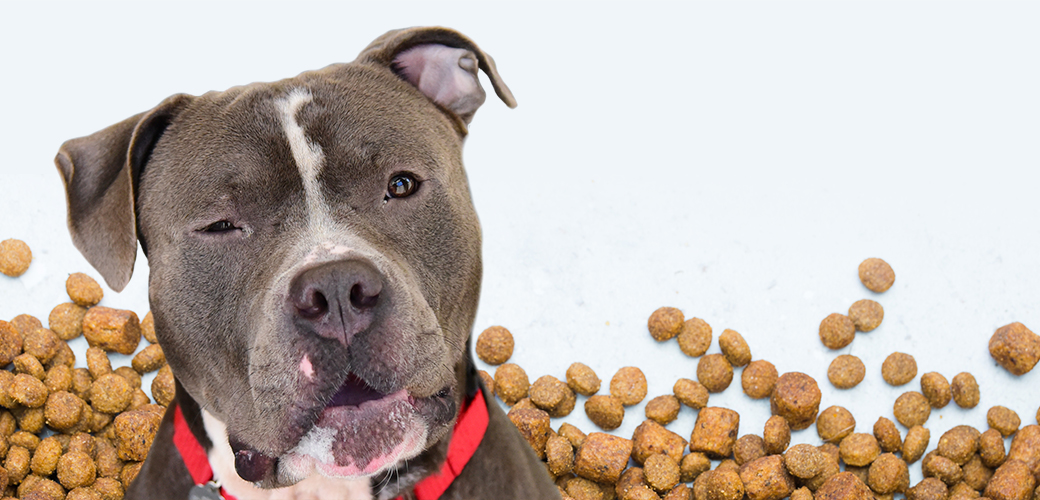
Credit: www.aspca.org
Choosing The Right Dog Food
Choosing the right dog food is very important for your pet’s health. Not all dogs need the same diet. A grain free diet might help some dogs but not all. Understanding your dog’s needs helps you pick the best food. This section guides you on how to choose food that suits your dog well.
Reading Labels Carefully
Check the ingredients list on dog food packages. Look for high-quality protein sources like chicken or fish. Avoid foods with too many fillers or artificial additives. Grain free does not always mean better. Some grain free foods use more fat or carbs instead. Knowing what is inside helps you make a good choice.
Consulting Your Vet
Your vet knows your dog’s health history best. Ask about the benefits and risks of grain free diets. Share any allergies or health issues your dog has. Your vet can suggest the best food type and brands. This advice helps avoid health problems linked to diet changes.
Trial And Observation
Try a new food for a few weeks. Watch your dog’s energy, coat, and digestion. Note any changes in behavior or health. If your dog reacts badly, stop and try a different food. Careful observation shows what suits your dog best. Patience is key during this testing phase.
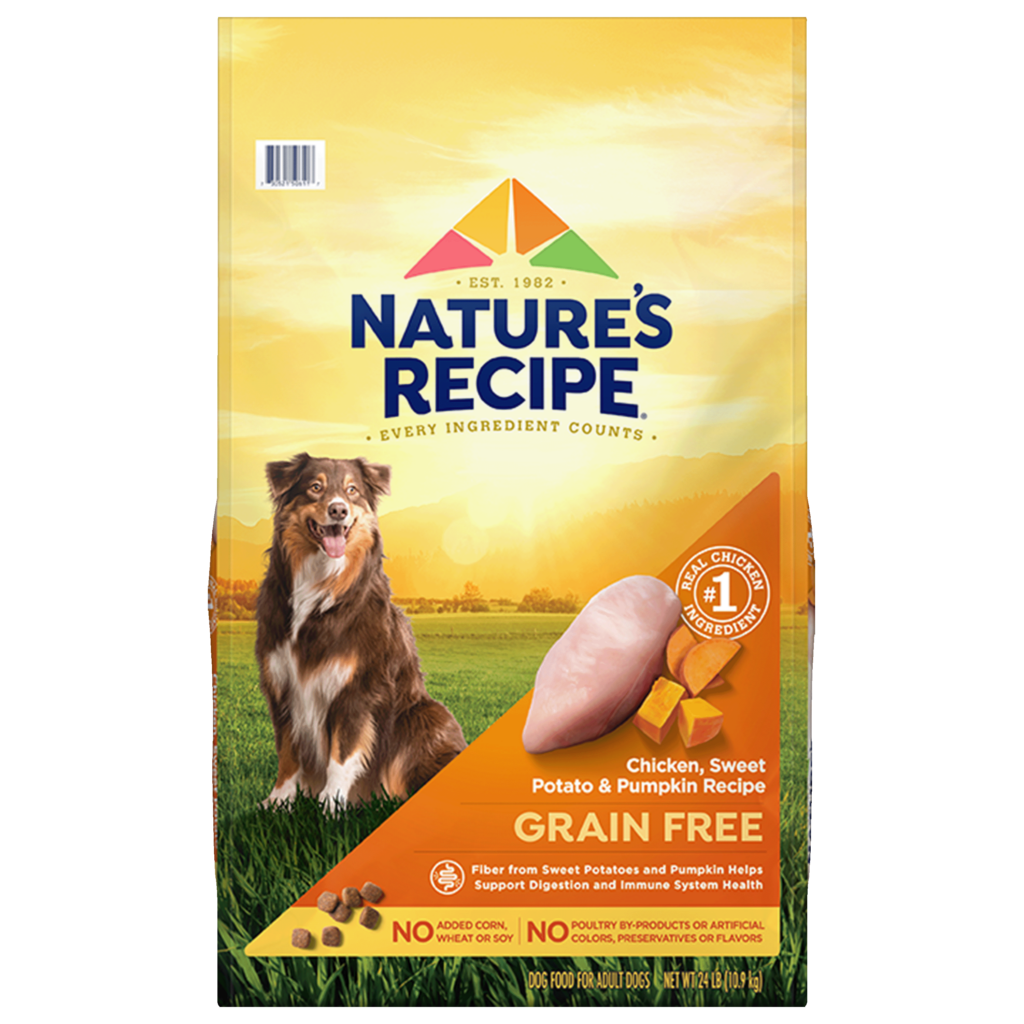
Credit: www.naturesrecipe.com
Frequently Asked Questions
Is A Grain Free Diet Safe For All Dogs?
A grain free diet is not safe for every dog. Some dogs need grains for balanced nutrition. Consult your vet before switching diets.
What Are Benefits Of Grain Free Dog Food?
Grain free dog food may reduce allergies and improve digestion. It often contains more protein and fewer fillers than grain-based foods.
Can Grain Free Diets Cause Health Issues?
Grain free diets can lead to heart problems in some dogs. Recent studies link them to canine dilated cardiomyopathy (DCM). Always monitor your dog’s health.
Which Dogs Need Grain Free Diets Most?
Dogs with grain allergies or sensitivities benefit most. Also, some breeds prone to digestive issues may need grain free options.
Conclusion
A grain free diet may help some dogs with allergies or sensitivities. Not all dogs need to avoid grains for good health. Always watch your dog’s reactions to new foods. Consult your vet before changing their diet. Each dog is unique, and their food should be too.
Balance and nutrition matter most for strong, happy dogs. Choose what fits your dog’s needs best. Simple and healthy food keeps tails wagging.


