

Have you ever caught your adult dog sneaking puppy food and wondered if it’s harmful? You might be worried about their health or if you’re doing something wrong.
It’s natural to want the best for your furry friend and avoid any mistakes. Understanding what happens when your adult dog eats puppy food can help you make the right choices for their diet and wellbeing. Keep reading to find out why this happens, what it means for your dog’s health, and how you can handle it wisely.
Nutritional Differences
Adult dogs and puppies have different nutritional needs. Puppy food is designed to support growth and development. Adult dog food focuses on maintenance and overall health. Understanding these differences helps decide if feeding puppy food to an adult dog is safe or harmful.
Calorie Content Variations
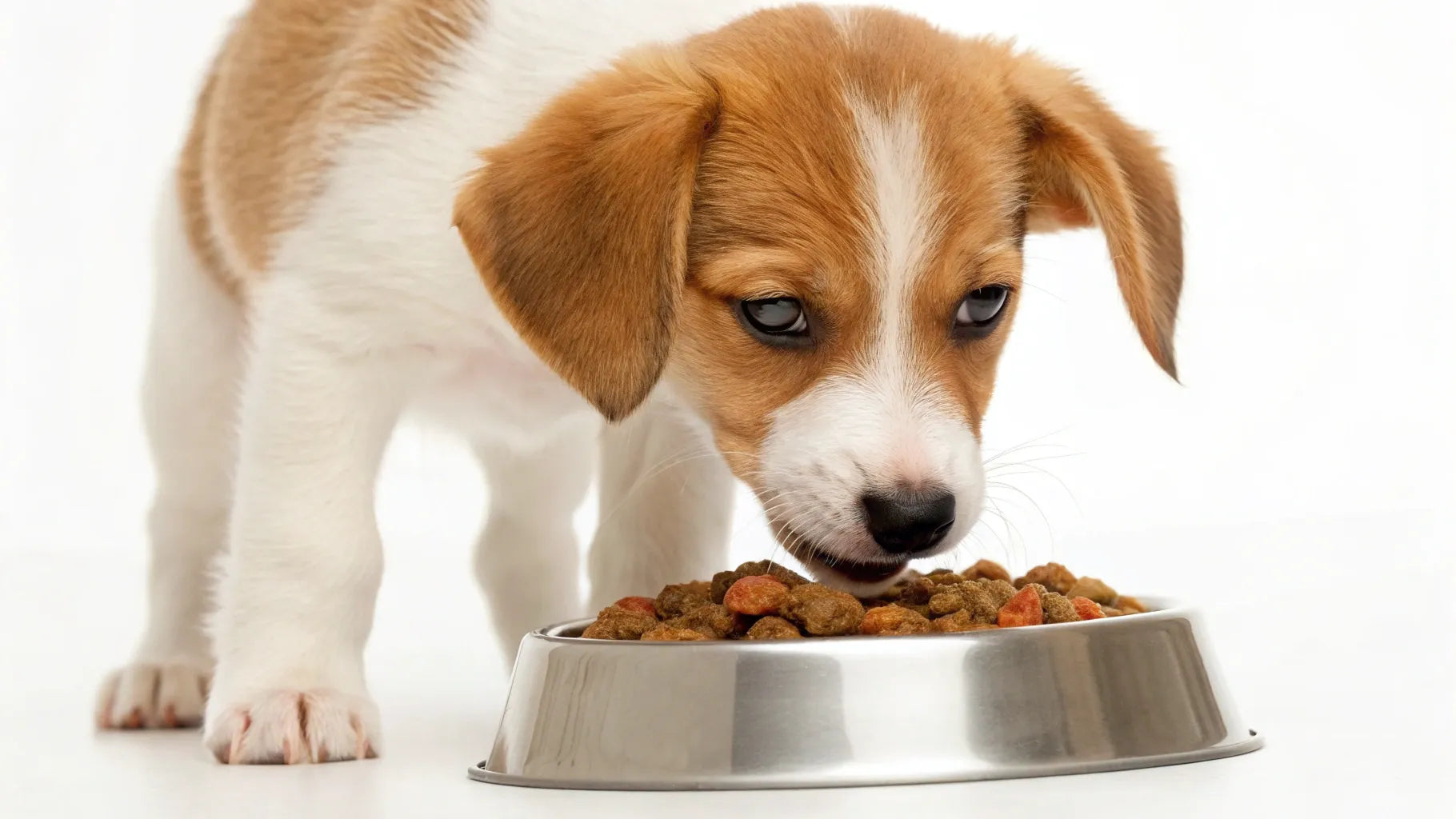
Puppy food contains more calories than adult dog food. Growing puppies need extra energy for their rapid growth. Adult dogs require fewer calories to avoid weight gain. Feeding high-calorie puppy food to an adult dog can cause obesity. Excess weight strains joints and organs over time.
Protein And Fat Levels
Puppy food has higher protein and fat levels. These nutrients support muscle building and brain development in puppies. Adult dogs need balanced protein and fat amounts to maintain health. Too much protein or fat can lead to digestive issues. It may also upset the balance of nutrients in adult dogs.
Vitamin And Mineral Balance
Puppy food includes extra vitamins and minerals for growth. Calcium and phosphorus levels are higher to support strong bones. Adult dog food has adjusted levels to prevent health problems. Feeding puppy food long-term might cause mineral imbalances. This can affect kidney and bone health in adult dogs.
Potential Health Risks
Feeding adult dogs with puppy food can cause several health risks. Puppy food is designed for growing dogs. It has more calories and nutrients than adult dogs need. This can affect your dog’s health in different ways.
Weight Gain And Obesity
Puppy food has extra calories to support growth. Adult dogs eating this food may gain weight fast. Excess weight can lead to obesity. Obesity increases the risk of many health problems. These include joint pain, diabetes, and heart disease.
Digestive Issues
Adult dogs have different digestive needs than puppies. Puppy food may be harder for adult dogs to digest. This can cause stomach upset, diarrhea, or gas. Digestive problems make your dog uncomfortable. They can also affect nutrient absorption.
Nutrient Imbalances
Puppy food has more protein and fat than adult dogs need. Too much protein or fat can stress the kidneys and liver. Adult dogs require balanced nutrients for maintenance, not growth. Feeding puppy food regularly may lead to nutrient imbalances. This can harm your dog’s long-term health.
When Puppy Food Might Be Okay
Adult dogs usually need food made just for them. Puppy food has more calories and nutrients to help young dogs grow. Yet, some adult dogs might find puppy food okay at times. This section explains when feeding puppy food to adult dogs is acceptable and even helpful.
Growth And Recovery Phases
Some adult dogs are still growing. Large breeds, like Great Danes, grow for up to two years. These dogs might need extra nutrients found in puppy food.
Dogs recovering from illness or surgery need more energy. Puppy food can help them regain strength faster. It supplies extra calories and protein needed for healing.
Senior Dogs With Special Needs
Older dogs sometimes lose weight or muscle. Puppy food can support weight gain in these cases. It offers more calories without increasing food volume.
Senior dogs with health problems may need richer food. Puppy food may provide extra vitamins and minerals to help.
Credit: www.houndsy.com
Switching Diets Safely
Switching your adult dog’s food to puppy food needs care. Sudden changes can upset their stomach or cause diarrhea. A slow, careful switch helps the dog’s body adjust. It also reduces the risk of digestive problems. Follow these tips to keep your dog healthy during the change.
Gradual Transition Tips
Start by mixing a small amount of puppy food with the adult food. Increase the puppy food amount slowly over 7 to 10 days. Watch your dog’s eating habits during this time. Avoid giving treats or other foods that might confuse their digestion. Consistency helps your dog accept the new diet easily.
Monitoring Health Changes
Observe your dog for any signs of discomfort after the switch. Look for vomiting, diarrhea, or unusual behavior. Check their energy levels and coat condition. If problems appear, slow down the transition or consult a vet. Keep track of changes to ensure the diet suits your dog well.
Consulting Your Veterinarian
Talking to your veterinarian is key when your adult dog eats puppy food. They know your dog’s health best and can guide you. This step helps avoid nutrition problems and keeps your dog healthy.
Personalized Nutrition Advice
Your dog’s needs are unique. A vet can suggest the right food type and amount. They consider age, weight, and activity level. This advice helps balance nutrients and supports your dog’s well-being.
Identifying Underlying Conditions
Eating puppy food might signal health issues. A vet checks for problems like allergies or digestion troubles. Early detection helps treat conditions before they get worse. Trust your vet to find the cause and recommend solutions.
Credit: blog.justfoodfordogs.com
Credit: www.chewy.com
Frequently Asked Questions
Is It Harmful If Adult Dogs Eat Puppy Food?
Eating puppy food occasionally isn’t harmful for adult dogs. Puppy food is richer in nutrients, which may cause weight gain or digestion issues if fed long-term. For balanced health, adult dogs should have food formulated for their specific life stage.
What Happens If Adult Dogs Eat Puppy Food Regularly?
Regularly eating puppy food can lead to excess calories and nutrients. This may cause obesity, digestive upset, or nutrient imbalances in adult dogs. It’s best to feed adult dogs food designed for their age and activity level to maintain optimal health.
Can Adult Dogs Digest Puppy Food Properly?
Adult dogs can digest puppy food, but it has higher fat and protein content. This richness might stress their digestive system if consumed frequently. Occasional consumption is safe, but consistent feeding may cause gastrointestinal upset or weight issues.
Should I Switch Adult Dogs From Puppy Food Immediately?
Switching from puppy to adult dog food should be gradual. Sudden changes can upset digestion and cause diarrhea or vomiting. Transition over 7-10 days by mixing increasing amounts of adult food with puppy food for smooth adjustment.
Conclusion
Adult dogs eating puppy food now and then is usually okay. Puppy food has more nutrients than adult dogs need daily. Too much can cause weight gain or upset stomach. Monitor your dog’s health and energy closely. Choose food made for their age for best results.
Talk to your vet if unsure about diet changes. Feeding the right food helps your dog stay happy and strong. Keep your dog’s meals balanced for a long, healthy life. Simple steps make a big difference in pet care.


