

Are you wondering when it’s time to switch your furry friend to adult dog food? Choosing the right moment is key to keeping your dog healthy and happy.
Feeding your pup the wrong food can affect their growth, energy, and overall well-being. You’ll discover exactly what age your dog should start eating adult food and why this change matters. Keep reading to make sure you give your dog the best nutrition at every stage of their life.
Credit: wellbeloved.com
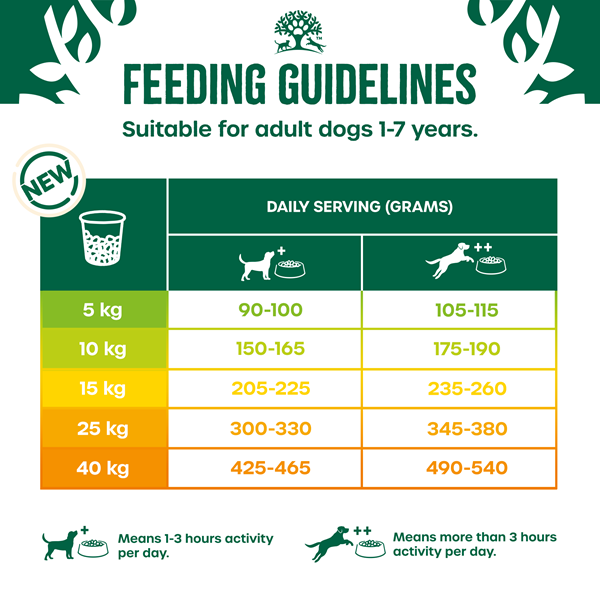
When To Switch To Adult Food
Knowing when to switch your dog from puppy food to adult food is important. This change supports their health and growth. Dogs need different nutrients as they grow. Feeding the right food at the right time helps keep them strong and active.
Puppy Growth Stages
Puppies grow fast in the first year. Their bones and muscles develop quickly. In the first six months, they need food made for puppies. This food has extra nutrients for growth. After six months, growth slows down. Their food needs start to change too.
Breed Size And Timing
Small breeds grow faster than large breeds. Small dogs can switch to adult food around 9 to 12 months. Large breeds need more time. They may stay on puppy food until 12 to 18 months. Large dogs need extra nutrients for bone health during growth.
Signs Your Dog Is Ready
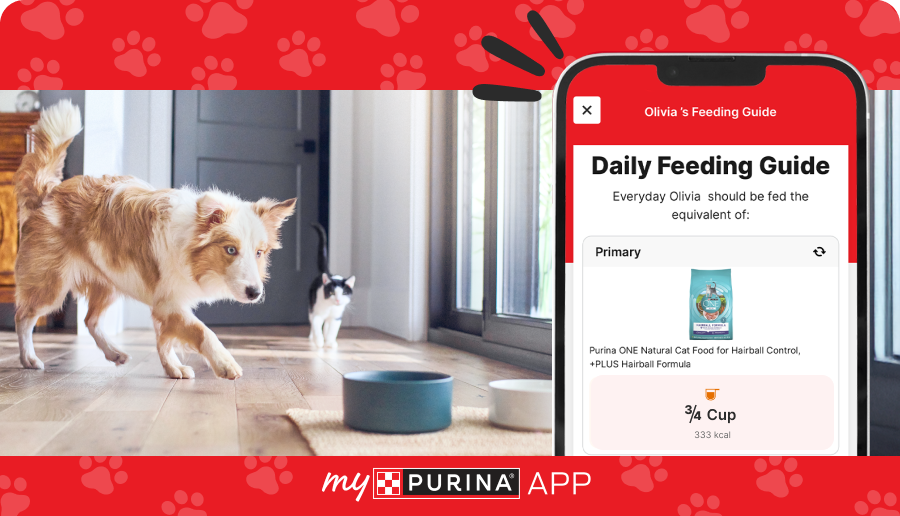
Your dog may be ready for adult food if they are less active in growth. Their size looks close to full adult size. They start to eat less puppy food. Weight stays steady and they have healthy energy. Talk to your vet to be sure about the switch.
Credit: www.purina.com
Differences Between Puppy And Adult Food
Understanding the differences between puppy food and adult dog food helps you choose the right diet for your dog. Puppy food supports growth and development. Adult food focuses on maintaining health and energy. Each type of food has unique ingredients and nutrition.
Nutritional Needs
Puppies need more protein to build strong muscles. They also require extra vitamins and minerals for bone growth. Adult dogs need balanced nutrients to keep their body healthy. Their diet supports maintenance, not growth.
Calorie Content
Puppy food contains more calories to fuel active growth. Puppies burn energy faster than adult dogs. Adult food has fewer calories to prevent weight gain. This helps avoid obesity and related health problems.
Ingredients To Look For
Puppy food includes ingredients like DHA for brain development. It has higher levels of calcium and phosphorus for bones. Adult food contains antioxidants to boost the immune system. Look for high-quality proteins and fewer fillers in both.
How To Transition To Adult Food
Switching your dog from puppy food to adult food is important for their health. This change should happen slowly. Sudden changes can upset your dog’s stomach. A good transition helps your dog adjust and enjoy their new diet.
Gradual Switching Process
Start by mixing 25% adult food with 75% puppy food. Do this for three days. Then, mix 50% adult food and 50% puppy food for the next three days. After that, give 75% adult food and 25% puppy food for three days. Finally, feed only adult food.
Monitoring Your Dog’s Reaction
Watch your dog’s behavior and stool during the change. Check for any vomiting or diarrhea. If your dog seems tired or refuses food, slow down the process. Keep an eye on their energy and weight. Healthy dogs will adapt well to the new food.
Common Transition Issues
Some dogs may have upset stomachs or loose stools. This usually improves after a few days. Loss of appetite can happen but should not last long. If problems continue, consult your vet. Avoid switching foods too quickly to reduce these issues.
Credit: www.chewy.com
Special Considerations
Choosing the right food for your dog is not always simple. Some dogs need special care in their diets. Age is one factor, but health and lifestyle matter too. Understanding these special considerations helps keep your dog healthy.
Senior Dogs And Diet
Older dogs need less energy but more nutrients. Their metabolism slows down over time. Feeding adult food might not meet their needs. Senior dog food usually has fewer calories. It also contains more fiber and vitamins. This helps with digestion and joint health. Watch your dog’s weight and energy levels. Adjust food type and amount as needed.
Dogs With Health Conditions
Some dogs have health problems that affect their diet. Kidney disease, allergies, or digestive issues need special food. Regular adult food might worsen these conditions. Prescription diets often have controlled nutrients. They support recovery and ease symptoms. Always check labels and ingredients. Avoid foods that trigger allergies or discomfort.
Consulting Your Veterinarian
Your vet knows your dog’s health best. They can guide the right time to switch food. They also recommend special diets for health issues. Regular check-ups help monitor your dog’s condition. Discuss any changes in appetite or behavior. A vet’s advice ensures your dog eats safely and well.
Tips For Choosing Quality Adult Dog Food
Choosing the right adult dog food affects your dog’s health and happiness. Good food supports energy, digestion, and a shiny coat. Quality matters more than price. Here are some tips to help you pick the best adult dog food.
Reading Labels
Check the ingredients list first. Real meat or fish should be the top ingredient. Avoid foods with vague terms like “meat meal” or “animal by-products.” Look for clear sources of protein.
Check the guaranteed analysis for protein, fat, and fiber amounts. Adult dogs need balanced nutrients to stay healthy. Look for foods with at least 18% protein and moderate fat.
Avoiding Harmful Ingredients
Stay away from artificial colors, flavors, and preservatives. These can cause allergies or upset your dog’s stomach. Avoid fillers like corn, wheat, and soy as they offer little nutrition.
Some dogs react badly to certain grains. Grain-free options can help sensitive dogs. Always watch for ingredients that may cause allergies or digestive issues.
Top Recommended Brands
Choose brands known for quality ingredients and good safety records. Some popular choices include Blue Buffalo, Wellness, and Hill’s Science Diet. These brands often use real meat and avoid fillers.
Look for brands that conduct feeding trials. This means they test their food on dogs before selling. It helps ensure the food meets nutritional needs and tastes good.
Frequently Asked Questions
When Should Dogs Switch To Adult Food?
Dogs typically switch to adult food between 12 to 18 months. Small breeds mature faster, around 12 months. Large breeds may need adult food at 18 months. Consult your vet for breed-specific guidance.
Why Is Age Important For Switching Dog Food?
Age affects a dog’s nutritional needs. Puppies need more calories and nutrients for growth. Adult dogs require balanced maintenance diets. Feeding the right food at the right age supports health and development.
Can I Feed Adult Food To Puppies Early?
Feeding adult food to puppies too early can cause nutrient deficiencies. Puppies need higher protein and fat levels for growth. Always use age-appropriate puppy food until your vet advises switching.
How To Know When A Dog Is Ready For Adult Food?
Signs include reaching full size, lower energy needs, and dental maturity. Vets recommend switching when growth slows down. Monitor your dog’s weight and activity for the best timing.
Conclusion
Dogs usually switch to adult food between one and two years old. This change supports their growing bodies and health needs. Watch your dog’s size, breed, and activity for the right time. Feeding adult food too early or late can cause problems.
Talk to your vet to get advice for your dog. Feeding the right food helps keep your dog strong and happy. Remember, each dog is different, so adjust feeding to fit your pet’s needs. Good nutrition is key to a long, healthy life.


