

You want the best for your furry friend, especially when it comes to their food. If your dog just turned one, you might be wondering, “Can a 1 year old dog eat adult dog food?”
It’s a common question, and the answer isn’t as simple as you might think. What you feed your dog now can affect their health, energy, and happiness for years to come. Keep reading to discover the facts you need to make the right choice for your loyal companion.
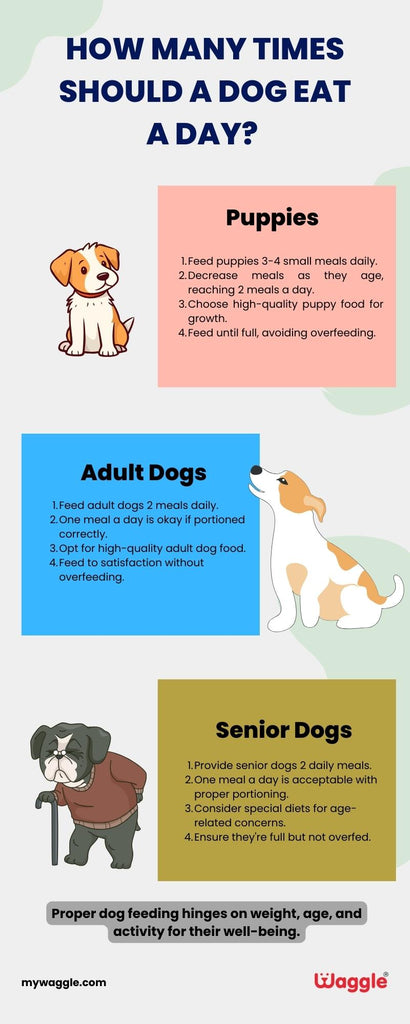
Credit: kamat.com
Nutritional Needs Of A 1 Year Old Dog
A 1 year old dog stands at a unique point in life. The puppy phase is mostly over, but full maturity is not reached yet. Their body and mind still need good nutrition to stay healthy. Feeding the right food helps them grow strong bones and muscles. It also supports brain development and energy levels.
Choosing food that fits their age keeps them active and happy. Nutritional needs change at this stage. Understanding these needs helps you pick the best diet for your dog.
Growth And Development Requirements
At 1 year old, dogs transition from puppy growth to adult maintenance. Their rapid growth slows but does not stop. They still build muscle and strengthen bones. This stage requires balanced nutrients to support this growth.
Essential vitamins and minerals help keep the immune system strong. Calcium and phosphorus work together for healthy teeth and bones. Fatty acids support skin and coat health. This mix ensures steady, healthy development.
Calorie And Protein Needs
Energy needs change as dogs grow. A 1 year old needs enough calories for daily activity but not too many. Excess calories can cause weight gain. Too few can lead to low energy and poor health.
Protein is vital for muscle repair and growth. High-quality protein sources give essential amino acids. These help maintain muscle mass and support overall health. Feeding the right calorie and protein balance is key to a healthy adult dog.
Differences Between Puppy And Adult Dog Food
Understanding the differences between puppy and adult dog food is important for your dog’s health. Puppies need special food to support their fast growth and energy. Adult dogs have different needs to keep them healthy and active. Feeding the right food at the right age helps your dog stay strong and happy.
Ingredient Variations
Puppy food contains more protein and fat than adult food. These ingredients support muscle and brain development. Adult dog food has fewer calories to prevent weight gain. Puppy food also includes DHA, an important fat for brain growth. Adult food focuses on ingredients that support joint health and digestion.
Nutrient Balance
Puppy food has extra vitamins and minerals for strong bones and teeth. Calcium and phosphorus levels are higher to help bones grow. Adult dog food has balanced nutrients for maintenance, not growth. It usually has more fiber to aid digestion. Puppies need more energy, so their food is richer in nutrients.
When To Transition To Adult Dog Food
Knowing the right time to switch your dog from puppy food to adult dog food is important for their health. The change should happen at the right moment to support their growth and energy needs. Feeding adult food too soon or too late can affect their nutrition and well-being.
Different dogs grow at different rates. Watch your dog’s behavior and body to understand when to start the transition. This helps keep your dog healthy and happy.
Signs Your Dog Is Ready
Your dog may show clear signs of being ready for adult food. One sign is reaching full size or close to it. Growth slows down, and your dog looks more mature.
Energy levels also change. Puppies are often very active, but adult dogs have steadier energy. If your dog seems less hyper, it might be time.
Check their teeth, too. Adult teeth usually come in fully by one year. This is a good indicator your dog is ready for adult food.
Recommended Transition Timeline
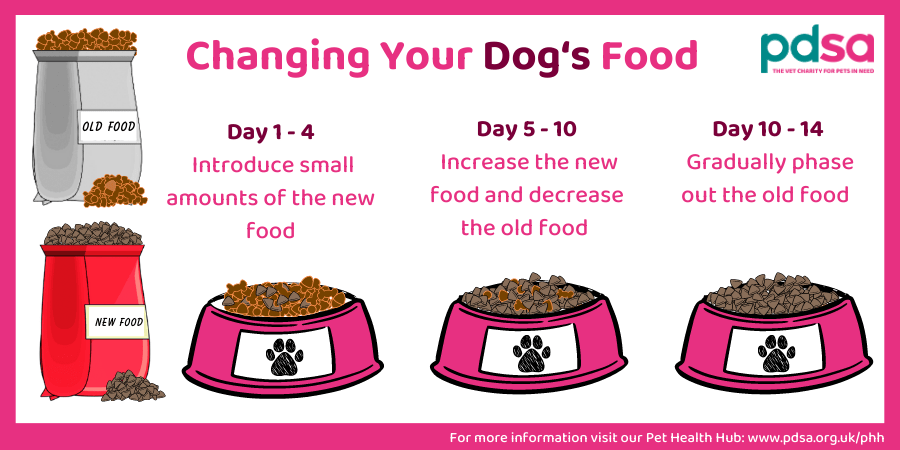
Start changing the food gradually over 7 to 10 days. Mix small amounts of adult food with puppy food. Increase adult food while reducing puppy food bit by bit.
This slow change helps your dog’s stomach adjust. Sudden changes can cause upset stomach or diarrhea. Patience during this time is key for a smooth switch.
Keep a close eye on your dog’s reaction. Watch for any signs of discomfort or refusal to eat. Adjust the pace if needed to make the transition easy.

Credit: www.becopets.com
Potential Risks Of Early Switch
Switching a 1-year-old dog to adult dog food too soon can cause some problems. Puppies and young dogs have special needs for growth. Their food must support strong bones, muscles, and a healthy immune system. Adult dog food is made for a different stage of life. Using it early may not provide the right balance of nutrients. This can lead to health issues and discomfort.
Nutritional Deficiencies
Puppy food contains more protein, fat, and calories. These help puppies grow fast and build energy. Adult dog food has less of these nutrients. Feeding adult food early can cause missing vitamins and minerals. This may slow growth or weaken bones. It can also affect brain development and coat health. Missing key nutrients can lead to long-term problems.
Digestive Issues
A puppy’s digestive system is still developing at one year. Adult dog food has more fiber and different ingredients. This can upset a young dog’s stomach. Diarrhea, vomiting, or constipation may happen. Sudden diet changes can cause stress and discomfort. A slow transition is safer to avoid digestive problems.
Expert Recommendations
Expert recommendations help dog owners make the best feeding choices. Dogs have different nutritional needs at each life stage. Understanding expert advice ensures your dog stays healthy and happy.
Experts suggest careful consideration before switching a 1-year-old dog to adult dog food. This guide covers key advice from veterinarians and factors like breed and size.
Veterinarian Advice
Veterinarians recommend a smooth transition from puppy to adult food. This usually happens around one year old but varies by dog. Adult dog food contains fewer calories and different nutrients than puppy food. This change supports your dog’s slower growth and stable energy needs. Some vets suggest a gradual mix of foods over several days. Watch for signs of digestive upset during the switch. Regular vet check-ups help confirm your dog’s diet matches its health needs.
Breed And Size Considerations
Breed size affects the timing to switch foods. Small breeds mature faster and may need adult food sooner. Large breeds grow slower and need puppy food longer. Their bones and joints need more support during growth. Experts advise special formulas for large breeds to prevent health issues. Know your dog’s breed and size to pick the right diet stage. This approach helps avoid underfeeding or overfeeding your dog.
Credit: www.pdsa.org.uk
How To Switch To Adult Dog Food Safely
Switching a one-year-old dog to adult dog food needs care. The right approach helps avoid stomach problems. It also ensures your dog gets the right nutrients for growth and health.
Changing food too fast can upset your dog’s digestion. A careful plan makes the switch smooth and safe. Watch your dog closely during this time.
Gradual Transition Tips
Start by mixing a small amount of adult food with puppy food. Increase the adult food portion every few days. Do this over a week or two. This slow change helps your dog’s stomach adjust. Offer fresh water during meals to aid digestion.
Monitoring Your Dog’s Response
Check your dog’s stool for changes in texture or smell. Watch for vomiting or diarrhea signs. Notice if your dog loses appetite or energy. If problems appear, slow the transition or consult your vet. Good behavior means your dog is adjusting well.
Frequently Asked Questions
Can A 1 Year Old Dog Eat Adult Dog Food?
Yes, most 1-year-old dogs can transition to adult dog food. At this age, their growth slows, and adult formulas meet their nutritional needs better.
When Should I Switch My Dog To Adult Food?
Switch your dog to adult food around 12 months old. Large breeds may need to wait until 18-24 months for full growth.
Is Adult Dog Food Safe For Young Dogs?
Adult dog food is generally safe for dogs over one year. However, puppies need specialized food for growth, so avoid early switching.
What Are The Risks Of Feeding Adult Food Too Early?
Feeding adult food too early may cause nutrient deficiencies. Puppies need higher protein and fat for growth, which adult food may lack.
Conclusion
A 1-year-old dog can usually eat adult dog food. Their growth stage is almost complete by this time. Adult food meets their energy and nutrient needs well. Switching too early or too late can cause problems. Watch your dog’s weight and health closely.
Consult your vet for the best advice. Each dog is different, so pay attention to signs. Feeding the right food helps keep your dog happy and healthy. Simple changes make a big difference in your dog’s life.


