

Are you wondering when your puppy should switch from puppy food to adult dog food? Knowing the right time to make this change is important for your dog’s health and growth.
Feed them too early, and they might miss out on essential nutrients. Wait too long, and they could gain unnecessary weight or develop health problems. You’ll discover exactly what age dogs should start eating adult food and how to make the transition smooth and safe for your furry friend.
Keep reading to ensure you’re giving your dog the best nutrition at every stage of life.
When To Switch To Adult Dog Food
Knowing the right time to switch your dog to adult food is key for their health. Feeding adult food too early or too late can affect growth and energy. Each dog grows at a different pace and needs food that fits their stage.
Puppy Growth Stages
Puppies grow fast in the first year. During this time, they need food rich in nutrients. Usually, small breeds finish growing by 9 to 12 months. Larger breeds may need up to 18 or 24 months. The growth stage helps decide when to change food.
Breed Size And Maturity
Small dogs mature quicker than large dogs. Small breeds switch to adult food around 9 to 12 months. Medium breeds do so at 12 months. Large and giant breeds take longer and may need puppy food for 18 months or more. Breed size affects how long your dog needs special puppy food.
Signs Your Dog Is Ready
Look for changes in your dog’s behavior and body. If they stop growing fast, it is a sign. Their energy levels may slow down too. Teeth are fully grown by this time. Your vet can help confirm your dog is ready for adult food.
Credit: www.gallant.com
Differences Between Puppy And Adult Food
Puppy food and adult dog food serve different purposes. Puppies grow fast and need special care in their diet. Their food supports strong bones, muscles, and overall health.
Adult dogs have slower growth and different energy needs. Their food focuses on maintenance and keeping them healthy. Understanding these differences helps pet owners choose the right food.
Nutritional Requirements
Puppies need more protein than adult dogs. Protein helps build muscles and tissues. They also need extra vitamins and minerals for growth. Calcium and phosphorus are important for strong bones. Adult dogs require balanced nutrition to keep their weight stable. Too much protein can stress adult dog kidneys.
Calorie Content
Puppy food has higher calories to support energy needs. Growing puppies burn more energy during play and learning. Adult dog food has fewer calories. This helps prevent weight gain and obesity. Feeding adult dogs too many calories can cause health problems. Calorie control is key to a healthy adult dog.
Ingredient Variations
Puppy food often contains more fat for energy. It also includes ingredients that support brain development. Adult food focuses on ingredients that promote a healthy coat and digestion. Fiber content is higher in adult food for better digestion. Ingredient differences reflect the changing needs of dogs as they age.
Risks Of Early Or Late Transition
Changing your dog’s food at the right time is very important. Switching too soon or too late can cause problems. Dogs need the right nutrients for their age and size. Feeding adult food too early or puppy food too long can affect their health.
Health Issues From Early Switching
Giving adult food to puppies too early can cause poor growth. Puppy food has more nutrients for bones and muscles. Adult food lacks these nutrients, which can lead to weak bones. Puppies might also get less energy from adult food. This can make them tired and less active. Some puppies may develop stomach problems from the wrong food.
Consequences Of Delayed Transition
Keeping puppies on puppy food for too long can cause weight gain. Puppy food has extra calories designed for growth, not maintenance. Older dogs on puppy food may become overweight or obese. This puts stress on their heart and joints. Delayed switching can also affect dental health and digestion. Adult dogs need less fat and protein than puppies.
How To Transition Your Dog’s Diet
Transitioning your dog from puppy food to adult food is an important step. It helps your dog adjust to new nutrients and avoid stomach upset. A smooth change supports your dog’s health and digestion.
Gradual Food Mixing Method
Start by mixing a small amount of adult food with puppy food. Slowly increase the adult food portion over 7 to 10 days. This method helps your dog get used to the new taste and texture. Avoid switching suddenly to prevent digestive problems.
Monitoring Your Dog’s Reaction
Watch your dog’s behavior and stool during the transition. Look for signs of discomfort or allergies. Loose stools or vomiting may mean the change is too fast. If problems appear, slow down the transition process.
Adjusting Portions And Frequency
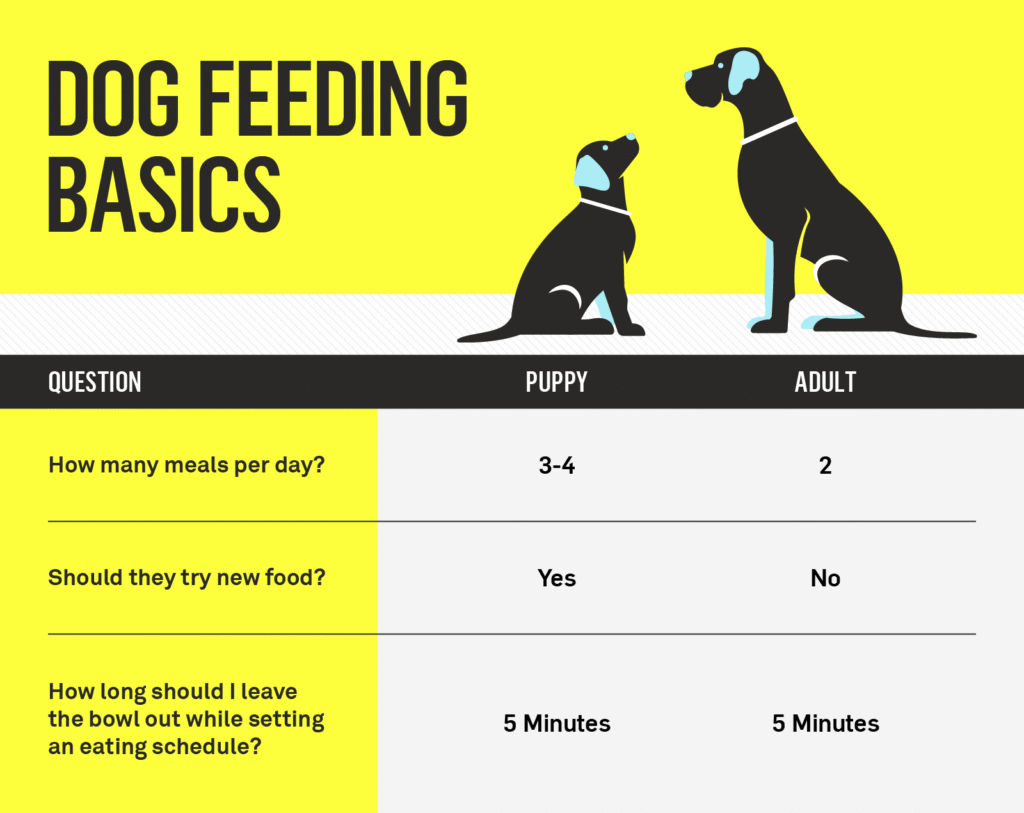
Adjust food amounts based on your dog’s age, weight, and activity level. Adult dogs usually eat less often than puppies. Feed smaller meals multiple times a day at first. Gradually reduce meal frequency as your dog matures.
Special Considerations For Different Breeds
Different dog breeds grow and develop at various rates. This affects when they should switch to adult food. Knowing these differences helps you feed your dog correctly. It supports their health and energy needs.
Small Breed Dogs
Small breed dogs mature faster than larger dogs. They often switch to adult food around 9 to 12 months. Their metabolism is faster, so they need nutrient-rich food. Feeding them adult food too early can cause problems.
Large And Giant Breed Dogs
Large and giant breeds grow slowly and take longer to mature. They usually start adult food between 12 to 24 months. Their bones and joints need special care during growth. Puppy food for large breeds helps avoid early bone issues.
Mixed Breeds
Mixed breed dogs vary in size and growth rates. Watch their size and behavior to decide when to change food. A vet can guide you based on your dog’s health. Mixed breeds may need a tailored approach to feeding.
Credit: www.purina.com
Consulting Your Veterinarian
Deciding the right time to switch your dog to adult food can feel tricky. Each dog is unique. Their growth, breed, and health all matter. Consulting your veterinarian offers clear guidance. They help you choose the best feeding plan. Their advice supports your dog’s health and well-being.
Personalized Feeding Plans
Your veterinarian creates feeding plans based on your dog’s needs. They consider age, size, and breed. A large breed dog may need adult food later. Small breeds might switch earlier. Vets also check activity levels. They recommend food that matches energy needs. Personalized plans keep your dog healthy and happy.
Addressing Health Concerns
Some dogs have special health needs. Your vet looks for allergies or digestive problems. They suggest foods that avoid these issues. Dogs with joint problems might need supplements. Vets can advise on diet to support bones. This care helps prevent future health problems. Always discuss any health concerns with your vet.
Credit: www.purina.com
Frequently Asked Questions
When Should Dogs Switch To Adult Food?
Dogs typically switch to adult food between 12 to 18 months. Large breeds might take longer, up to 24 months. This transition supports their changing nutritional needs for growth and maintenance.
Can Puppies Eat Adult Dog Food?
Puppies should not eat adult dog food as it lacks essential nutrients. Puppy food is specially formulated for their rapid growth and development. Feeding adult food too early can affect their health.
What Signs Show Dogs Need Adult Food?
Signs include slowed growth, stable weight, and reduced energy for growth. When puppies become less active and their bones stop growing, it’s time to switch. Consult your vet for personalized advice.
Is Adult Dog Food Suitable For All Breeds?
Adult dog food is generally suitable for most breeds. However, large and giant breeds may need specific formulas. Tailor the diet to breed size, activity level, and health conditions for best results.
Conclusion
Dogs usually switch to adult food between 12 and 18 months. This change helps meet their growing needs. Watch your dog’s size and activity to decide the right time. Always choose good-quality food for healthy growth. Consult your vet if unsure about the switch.
Feeding adult food too early or late can cause problems. Pay attention to your dog’s health and energy levels. Feeding the right food supports a long, happy life. Simple steps make a big difference in your dog’s health. Keep learning and caring for your furry friend.


