

You love your puppy and want the best for them. So, you might wonder, “Can I just feed my puppy the same food as my adult dog?” It sounds simple, right?
But here’s the thing—puppies have special needs that adult dogs don’t. Feeding them the wrong food could slow their growth or cause health problems down the line. If you want your puppy to grow strong and healthy, it’s important to understand why adult dog food just won’t cut it.
Keep reading, and you’ll discover the surprising reasons behind this and how to choose the right food for your furry friend.

Credit: www.dogster.com
Nutritional Needs Of Puppies
Puppies need special food to grow strong and healthy. Their bodies are small but growing fast. They need the right food to support this growth. Adult dog food does not meet these needs. This is why puppies cannot eat it safely.
Understanding what puppies require helps explain why their food is different. The nutrients in puppy food support their bones, muscles, and brain. It also helps their immune system fight sickness. Adult dog food lacks some of these important nutrients.
Growth And Development Requirements
Puppies grow quickly in their first year. Their bones and muscles develop fast. They need more calories than adult dogs. These calories give them energy for play and learning. Puppy food has the right amount of calories and protein. It helps build strong muscles and bones. Adult food has fewer calories, which may slow growth.
Essential Nutrients For Puppies
Puppies need special nutrients for healthy development. Protein helps build muscles and repair tissues. Fat gives energy and supports brain growth. Calcium and phosphorus are vital for strong bones and teeth. Puppy food has higher levels of these nutrients. Adult dog food does not have enough for puppies. Feeding adult food can cause nutrient imbalance and health issues.
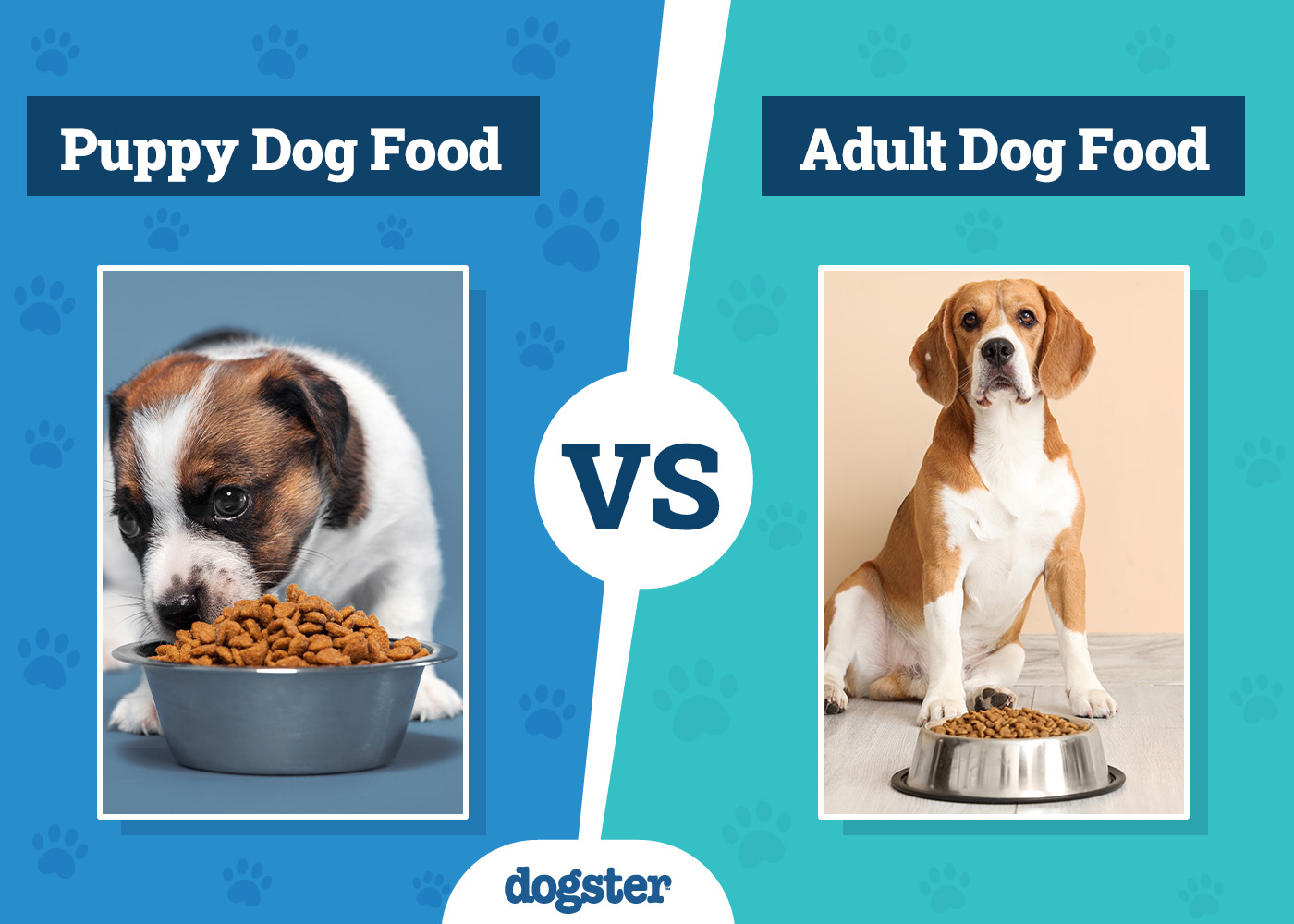
Credit: www.dogster.com
Differences In Puppy And Adult Dog Food
Puppy food and adult dog food differ in many important ways. These differences meet the unique needs of growing puppies versus mature dogs. Puppies need special nutrition to support their fast growth and development.
Adult dogs have different energy and nutrient requirements. Feeding the wrong food can cause health problems or slow growth in puppies. Understanding these differences helps keep dogs healthy at every stage.
Calorie And Protein Content
Puppy food has more calories than adult dog food. Growing puppies need extra energy to build strong muscles and bones. Protein levels are higher in puppy food. Protein supports muscle growth and repairs tissues. Adult dogs need fewer calories and less protein to maintain their weight. Too much protein or calories can lead to weight gain in adults.
Vitamin And Mineral Variations
Puppy food contains higher levels of vitamins and minerals. Calcium and phosphorus are especially important for bone growth. Puppies need more of these minerals than adult dogs. Puppy food also has extra vitamins like vitamin E and C. These vitamins support the immune system and overall development. Adult dog food has balanced vitamins and minerals for maintenance. Feeding adult food to puppies can cause nutrient imbalances and health risks.
Health Risks Of Feeding Adult Food To Puppies
Puppies have special needs for their growth and health. Feeding adult dog food to puppies can cause serious health risks. Their bodies cannot handle the nutrients meant for adult dogs. This can lead to problems that affect their development and wellbeing.
Understanding these risks helps you give your puppy the right food. Proper nutrition supports strong bones, muscles, and a healthy immune system. Avoid feeding adult food to puppies to keep them safe and healthy.
Digestive Issues
Puppies have sensitive stomachs. Adult dog food is harder for them to digest. This can cause upset stomach, diarrhea, or vomiting. Their digestive system is not ready for the rich ingredients in adult food. Feeding the wrong food can make puppies uncomfortable and sick.
Nutrient Deficiencies
Adult dog food lacks some nutrients puppies need. Puppies require more protein, fat, and vitamins for growth. Adult food does not provide enough of these essential nutrients. This leads to weak muscles, poor energy, and low immunity. Missing nutrients slow down the puppy’s overall development.
Delayed Growth
Puppies grow fast and need proper nutrition to keep up. Adult food does not support their rapid growth. Feeding adult food can cause bones and muscles to grow slower. This delay affects their strength and size. Healthy growth requires food made specifically for puppies.
Signs Of Poor Nutrition In Puppies
Puppies need special care with their diet. Poor nutrition affects their growth and health. Signs of poor nutrition in puppies show quickly. These signs tell you if the food is not right. Watch your puppy closely for any changes. Early signs help fix problems fast.
Weight Loss And Weakness
Puppies should gain weight steadily. Weight loss is a clear warning sign. Weakness often follows weight loss. Your puppy may tire quickly or seem less active. These signs mean the puppy lacks enough energy. Adult dog food may not meet puppy needs.
Coat And Skin Problems
A healthy puppy has a shiny coat and smooth skin. Dull fur or dry, flaky skin shows poor nutrition. You may see bald spots or redness. These problems happen when puppies miss essential nutrients. Adult food might not provide the right vitamins for puppies.
Behavioral Changes
Puppies with poor nutrition may act differently. They can become irritable or less playful. Some puppies may hide or sleep more than usual. These changes signal that the puppy feels unwell. Proper puppy food supports good behavior and mood.
Choosing The Right Food For Puppies
Choosing the right food for puppies is very important for their health and growth. Puppies need food that supports their developing bodies and strong immune systems. Adult dog food lacks some nutrients that puppies require. Feeding the wrong food can cause health problems and slow growth. Knowing how to pick the best food helps your puppy stay healthy and happy.
Age-appropriate Labels
Always check the food label to confirm it is made for puppies. Puppy food has more protein, fat, and calories than adult dog food. These nutrients help puppies grow muscles and energy. Look for terms like “puppy,” “growth,” or “all life stages” on the package. Avoid foods labeled only for adult dogs because they do not meet puppy needs.
Consulting A Veterinarian
Talk to a veterinarian about the best food for your puppy. Vets can recommend brands and formulas based on breed, size, and health. They help avoid allergies and digestive issues. Regular check-ups ensure your puppy is growing well on the chosen diet. A vet’s advice makes feeding easier and safer for your puppy.
Transitioning From Puppy To Adult Food
Transitioning from puppy food to adult dog food is a key step in your dog’s growth. Puppies need different nutrients than adult dogs. Their food supports fast growth and development. Adult dog food has fewer calories and different nutrient levels. Switching at the right time helps your dog stay healthy.
This change should not be sudden. A careful switch avoids stomach problems. It helps your dog adjust to new tastes and textures. Knowing when and how to switch food is important.
Timing The Switch
Most dogs switch to adult food between 9 and 12 months old. Small breeds may change earlier. Large breeds might need puppy food longer. Growth rates vary by breed. Check your vet’s advice for the best timing. Watch your dog’s size and behavior. Signs like slower growth show it’s time to switch.
Gradual Introduction Tips
Start by mixing a small amount of adult food with puppy food. Increase adult food slowly over 7 to 10 days. This helps your dog’s stomach adjust. Watch for any signs of upset stomach. Keep fresh water available at all times. Avoid sudden diet changes to prevent digestive issues. Patience makes the transition easier and safer.

Credit: www.purina.com
Frequently Asked Questions
Why Can’t Puppies Eat Adult Dog Food?
Puppies need more nutrients for growth than adult dogs. Adult food lacks the right balance of protein, fat, and calories. Feeding adult food can stunt their development and weaken their immune system.
What Nutrients Do Puppies Need In Food?
Puppies require higher protein, fat, calcium, and DHA levels. These support brain development, bone growth, and energy needs. Adult dog food typically doesn’t meet these increased nutritional demands.
How Does Adult Dog Food Affect Puppy Growth?
Adult food may cause nutrient deficiencies or excesses in puppies. This imbalance can lead to poor growth, weak bones, and health issues. Proper puppy food ensures healthy development during critical early months.
Can Feeding Adult Food Harm A Puppy’s Health?
Yes, it can lead to malnutrition and digestive problems. Adult formulas lack essential vitamins and minerals for puppies. This can weaken their immune system and cause long-term health risks.
Conclusion
Puppies need special food to grow strong and healthy. Adult dog food lacks important nutrients for young pups. Feeding the wrong food can cause health problems. Choose puppy food designed for their size and needs. This helps their bones, muscles, and brain develop well.
Always check labels and ask a vet if unsure. Proper nutrition sets the stage for a happy dog. Keep your puppy’s diet right to support a long life. Simple steps make a big difference in their health.


