

Are you wondering when it’s the right time to switch your dog to adult food? Feeding your furry friend the right food at the right age is key to keeping them healthy and happy.
But how do you know when your puppy is ready to make that change? Getting this timing right can save you from common feeding mistakes that might affect your dog’s growth and energy. Keep reading, and you’ll discover exactly when and how to make this important switch with confidence.
Credit: www.ralphs.com
Signs Your Dog Is Ready
Knowing when to switch your dog to adult food matters for their health. Dogs grow fast. Their needs change as they get older. Watch for signs that show your dog is ready for adult food. These signs help you decide the right time to change their diet.
Age Milestones
Puppies usually switch to adult food between 9 and 12 months old. Smaller breeds may change earlier, around 9 months. Larger breeds might need up to 18 months. Age is a simple guide but not the only one. Check your dog’s size and growth too.
Physical Development
Your dog’s body shows clear signs when ready. Teeth should be fully grown and strong. The puppy coat will start to change into adult fur. Your dog’s weight will be close to adult size. Muscle tone will improve, and energy levels stabilize.
Behavioral Changes
Adult dogs act different than puppies. Your dog may become calmer and less playful. Eating habits will change, with less frequent meals. They may show more focus and less biting behavior. These changes suggest your dog is growing up.
Credit: www.dogster.com
Nutritional Needs Transition
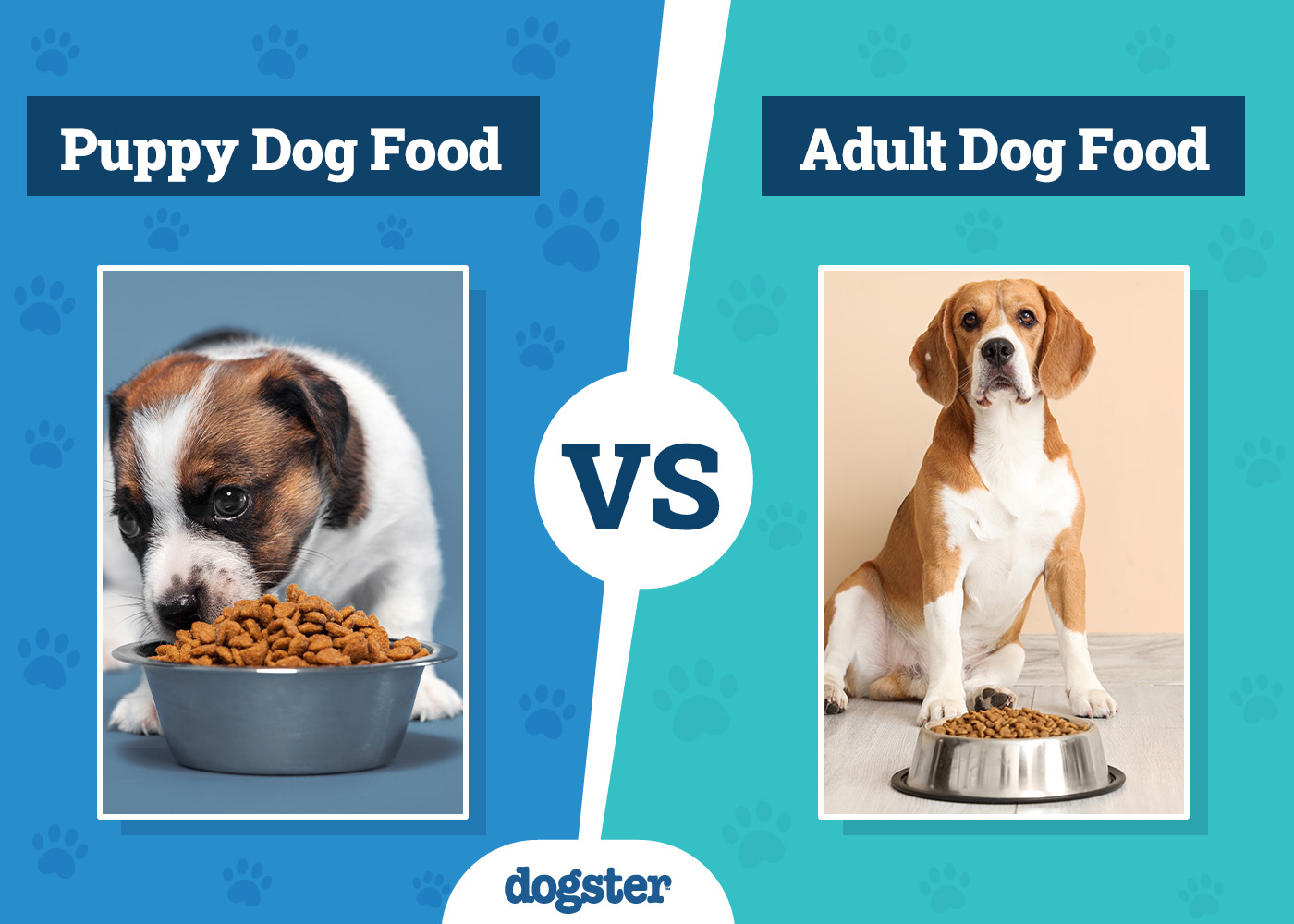
Feeding a dog adult food requires a careful change in their diet. Puppies and adult dogs have different nutritional needs. Changing their food at the right time supports their health and growth. Understanding these needs helps you choose the best food for your dog’s stage of life.
Puppy Vs Adult Food Ingredients
Puppy food contains more nutrients to support growth. It has higher levels of calcium and DHA for bone and brain development. Adult food focuses on maintaining health and energy without extra growth nutrients. Ingredients in adult food often include more fiber and fewer calories.
Calorie And Protein Requirements
Puppies need more calories to fuel their rapid growth. Their protein intake is also higher to build muscles and organs. Adult dogs require fewer calories to prevent weight gain. Protein remains important, but the amount is lower than in puppy food.
Digestive Adaptation
A dog’s digestive system changes with age. Puppies digest food differently and need special nutrients. Adult dogs have stronger digestion and can handle adult formulas. Switching food slowly helps their stomach adapt without upset.
Breed And Size Considerations
Breed and size affect when a dog should switch to adult food. Different breeds grow at different rates. Size also changes their nutritional needs. Knowing this helps feed your dog right. It supports healthy growth and prevents problems.
Small Breeds
Small breeds grow fast and finish growing early. Most small dogs can switch to adult food at six months. Their metabolism is quicker, so adult food must be balanced. Choose food made for small breed adults. It has the right nutrients and smaller kibble.
Large Breeds
Large breeds grow slower than small breeds. They take longer to reach adult size, often 12 to 18 months. Switching to adult food too soon can cause bone and joint problems. Wait until they are about one year old. Use large breed adult food with controlled calcium and protein.
Giant Breeds
Giant breeds grow the longest, sometimes up to two years. They need special care during growth to avoid health issues. Keep them on puppy food for 12 to 24 months. Switch to adult food slowly and choose formulas for giant breeds. These foods support strong bones and joints.
How To Switch To Adult Food
Switching your dog to adult food is an important step in their growth. Doing it right helps keep your dog healthy and happy. Sudden changes can upset their stomach. Follow a clear plan to make the switch smooth and easy for your dog.
Gradual Transition Steps
Start by mixing 25% adult food with 75% puppy food. Keep this mix for three days. Then increase adult food to 50%. After three more days, change to 75% adult food. Finally, feed only adult food. This slow change helps your dog adjust.
Monitoring Your Dog’s Response
Watch your dog’s behavior and digestion during the switch. Look for signs like vomiting, diarrhea, or loss of appetite. Check their energy levels and mood. If any problems appear, slow the transition. Give more time for your dog’s body to adapt.
Common Challenges
Some dogs refuse new food at first. Try warming the food or adding a small treat. Digestive upset is common but usually mild. Allergies can show up with new ingredients. Consult a vet if your dog has strong reactions. Patience is key to overcoming these issues.
Veterinarian Recommendations
Veterinarian recommendations are key when deciding to feed your dog adult food. Vets have the best knowledge about your dog’s health and growth. They guide you to make the right choice for your pet’s diet. Following their advice helps avoid health issues and ensures proper nutrition.
When To Consult A Vet
Consult a vet before changing your dog’s food. Puppies grow at different rates. Some may need adult food earlier, others later. A vet checks your dog’s weight, breed, and health. They decide the best time to switch food safely.
Tailored Feeding Plans
Each dog has unique needs. Vets create feeding plans based on age, size, and health. These plans include the right type of adult food. They may suggest gradual changes to avoid stomach problems. Tailored plans keep your dog healthy and strong.
Health Checks Before Switching
Health checks are vital before food changes. Vets look for signs of allergies or digestive issues. They ensure your dog is ready for adult food. Early health checks prevent problems after switching. Regular vet visits help track your dog’s progress.
Credit: www.raisedrightpets.com
Special Cases And Exceptions
Special cases and exceptions affect the right time to feed adult dog food. Not all dogs follow the same schedule. Some need different nutrition depending on their condition and life stage. Understanding these special needs helps keep dogs healthy and happy. Below are key situations where feeding adult food may differ.
Pregnant Or Nursing Dogs
Pregnant dogs need more calories and nutrients than usual. Puppy food or a diet with higher protein and fat often works better. Nursing dogs use more energy to feed their puppies. Their diet must support milk production and recovery. Feeding adult dog food too early can cause nutritional gaps. Special diets help mothers stay strong and puppies grow well.
Dogs With Health Issues
Some health problems require special diets. Dogs with kidney, liver, or digestive issues may need food made for their condition. Adult dog food might not be right for them. Prescription diets often have fewer minerals and fats. These diets support healing and comfort. Always check with a vet before changing food for sick dogs.
Senior Dogs
Older dogs have different needs than younger adults. Their metabolism slows, and joint problems may appear. Senior dog food has less calories but more nutrients for joints and brain health. Feeding regular adult dog food might cause weight gain or miss key vitamins. Switching to senior formulas helps maintain energy and mobility.
Frequently Asked Questions
When Is The Right Time To Feed A Dog Adult Food?
Most dogs transition to adult food at one year old. Large breeds may switch later, around 18-24 months. Consult your vet for breed-specific advice to ensure proper nutrition and growth during this change.
How To Know If My Dog Is Ready For Adult Food?
Signs include slower growth, loss of puppy teeth, and stable weight. Puppies become less active and their nutritional needs shift. Monitor behavior and consult your vet before switching to adult food.
Can Feeding Adult Food Too Early Harm My Puppy?
Yes, early adult food can cause nutrient imbalances. Puppies need higher protein and fat for growth. Feeding adult food too soon may lead to deficiencies and developmental issues.
What Are The Benefits Of Feeding Adult Dog Food?
Adult dog food meets maintenance needs with balanced nutrients. It helps maintain healthy weight, supports energy levels, and prevents obesity. Proper adult food promotes longevity and overall health.
Conclusion
Feeding your dog adult food at the right time keeps them healthy. Most dogs switch around one year old, but size matters too. Large breeds may need adult food a bit later. Watch your dog’s growth and energy to decide.
Always choose good-quality food made for adults. Changing food slowly helps avoid stomach problems. Healthy eating supports a long, happy life for your pet. Pay attention and give your dog the best care possible.


