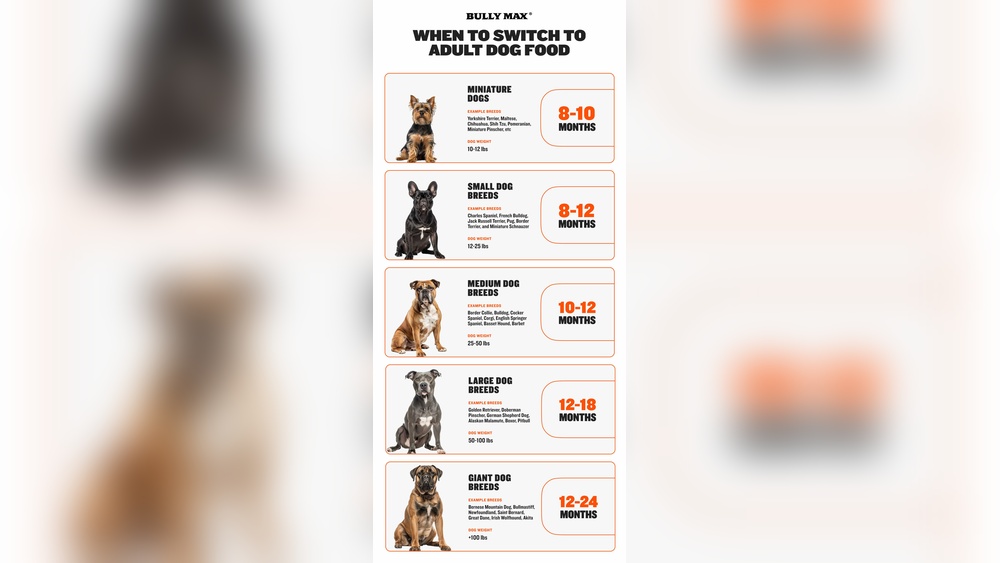
Are you worried about your puppy’s sudden upset stomach? You might be surprised to learn that feeding your little one adult dog food could be the cause.
Puppies have different nutritional needs, and giving them the wrong food can lead to diarrhea and discomfort. If you want to keep your puppy happy and healthy, understanding how adult dog food affects their digestion is key. Keep reading to discover why this happens and what you can do to protect your furry friend.
Puppy Digestive Sensitivity
Puppies have sensitive digestive systems that differ from adult dogs. Their bodies are still growing and developing. This makes their stomachs more fragile. Even small changes in food can upset their digestion. Feeding puppies adult dog food can cause problems. Understanding their digestive sensitivity helps keep them healthy.
Digestive Differences Between Puppies And Adults
Puppies digest food differently than adult dogs. Their stomachs produce less acid and enzymes. This makes it harder to break down certain foods. Puppies need more nutrients for growth and energy. Adult dog food often has different nutrient levels. This mismatch can stress a puppy’s digestive system. It may cause discomfort and digestive upset.
Common Digestive Issues In Puppies
Diarrhea is a common problem in puppies. It often happens after diet changes or eating the wrong food. Puppies may also suffer from gas, bloating, and vomiting. Their sensitive stomachs react quickly to new foods. Adult dog food can be too rich or hard to digest. This can lead to loose stools and stomach pain. Careful feeding helps avoid these digestive issues.
Credit: www.bowlerspets.com
Ingredients In Adult Dog Food
Adult dog food contains ingredients made for grown dogs. These ingredients differ from those in puppy food. Puppies need special nutrients to support their growth. Feeding adult food to puppies can sometimes cause stomach problems. Understanding these ingredients helps explain why.
Nutritional Composition Variances
Adult dog food has less protein and fat than puppy food. Puppies need more protein to build muscles and grow strong. Adult formulas may not have enough calories for puppies. Vitamins and minerals in adult food are balanced for mature dogs. These differences can cause digestion issues in puppies.
Potential Irritants For Puppies
Some ingredients in adult dog food can upset a puppy’s stomach. Adult food may contain higher fiber levels that puppies find hard to digest. Certain additives and preservatives may irritate sensitive puppy tummies. Ingredients like large amounts of plant-based proteins might cause diarrhea. Puppies have delicate digestive systems that need gentle care.
How Adult Food Triggers Diarrhea
Puppies have unique dietary needs that differ from adult dogs. Feeding adult dog food to puppies can cause digestive upset, including diarrhea. This happens because adult food does not match the puppy’s nutritional requirements and digestive system.
Understanding how adult food triggers diarrhea helps pet owners make better feeding choices. Several factors play a role in this reaction, such as nutrient imbalance, changes in gut flora, and food allergies or intolerances.
Imbalance Of Nutrients
Puppies need more protein, fat, and certain vitamins than adult dogs. Adult dog food often lacks these essential nutrients in the right amounts. This imbalance stresses the puppy’s digestive system. The food may also have more fiber or ingredients that are harder for puppies to digest. This causes loose stools or diarrhea.
Impact On Gut Flora
The gut flora in puppies is still developing. Adult dog food can disrupt this delicate balance. Ingredients not suited for puppies may kill good bacteria or encourage harmful bacteria. This disturbance leads to digestive problems and diarrhea. Healthy gut flora is key to a puppy’s digestion and immune system.
Allergic Reactions And Intolerances
Puppies can be sensitive to certain ingredients in adult dog food. Allergic reactions or intolerances may cause inflammation in the gut. This inflammation results in diarrhea and discomfort. Common triggers include certain proteins, grains, or additives not found in puppy food. Feeding adult food increases the risk of these reactions.
Credit: www.houndsy.com
Signs Your Puppy Has Food-related Diarrhea
Food-related diarrhea in puppies can be worrying for pet owners. Puppies have sensitive stomachs and can react to adult dog food. Spotting the signs early helps keep your puppy healthy. Watch closely for changes in your puppy’s bathroom habits and behavior.
Diarrhea caused by food often comes with other symptoms. Understanding these signs helps you decide when to act. Quick attention can prevent more serious health issues for your puppy.
Symptoms To Watch For
Loose or watery stools are the main sign of diarrhea. Your puppy may poop more often than usual. Look for signs of discomfort during bowel movements. Vomiting can happen alongside diarrhea in some cases.
Loss of appetite is common when your puppy feels unwell. Your puppy might seem tired or less playful. Watch for signs of dehydration like dry gums or sunken eyes. A bloated belly can also indicate digestive upset.
When To Seek Veterinary Help
Contact a vet if diarrhea lasts more than two days. Immediate help is needed if your puppy shows blood in stool. Severe vomiting or refusal to eat requires urgent care.
Dehydration signs mean a vet visit is necessary. Puppies younger than eight weeks need quick medical attention. Sudden weakness or collapse calls for emergency help right away.
Safe Feeding Practices For Puppies
Puppies need special care in their diet to grow strong and healthy. Feeding them properly helps avoid stomach problems like diarrhea. Safe feeding practices keep puppies happy and prevent digestive upset.
Understanding the right food and how to change diets carefully is very important. Mistakes in feeding can cause discomfort and illness. Follow clear steps to keep your puppy’s tummy safe.
Choosing The Right Puppy Food
Puppies need food designed just for them. Puppy food has extra nutrients for growth and energy. Avoid adult dog food because it lacks what puppies need. Look for labels that say “complete and balanced for puppies.”
Choose brands with good ingredients and no fillers. High-quality protein helps build strong muscles. Proper vitamins and minerals support bones and the immune system. The right food supports healthy digestion and reduces diarrhea risk.
Transitioning Between Diets
Change your puppy’s food slowly over 7 to 10 days. Mix a small amount of new food with the old food. Gradually increase new food while decreasing old food. Sudden changes can upset the puppy’s stomach.
Watch for signs like loose stools or vomiting during transition. If issues appear, slow down the change or consult a vet. A slow switch helps the puppy’s digestive system adjust smoothly.
Avoiding Common Feeding Mistakes
Do not feed puppies adult dog food or human snacks. Too much fat or different ingredients can cause diarrhea. Avoid overfeeding; give the right portion size for their age and weight.
Keep feeding times regular to support healthy digestion. Always provide fresh water. Clean feeding bowls to prevent bacteria growth. These simple steps prevent common feeding problems.
Alternatives To Adult Dog Food
Choosing the right food for puppies is key to keeping them healthy. Adult dog food may cause tummy troubles like diarrhea in young pups. Puppies need more nutrients to grow strong and stay active. There are better choices than adult dog food for puppies.
Specialized Puppy Formulas
Puppy formulas are made to meet the needs of growing dogs. They contain the right amount of protein, fat, and vitamins. These foods support healthy bones, muscles, and the immune system. Puppy formulas are easier to digest than adult dog food. Feeding your pup with specialized food helps avoid stomach issues like diarrhea.
Homemade Diet Options
Home-cooked meals can be a good option for puppies. You control the ingredients and avoid artificial additives. Simple recipes include cooked chicken, rice, and vegetables. Always check with a vet to ensure the diet has all needed nutrients. Homemade diets can be gentle on a puppy’s stomach and reduce the risk of diarrhea.
Veterinary Insights And Recommendations
Veterinarians have clear advice about feeding puppies. Puppies need food designed for their growth stage. Adult dog food can upset their stomachs and cause diarrhea. Understanding their nutritional needs helps prevent health issues.
Veterinary experts focus on safe feeding practices. They recommend foods with balanced nutrients and easy digestion. Following these tips supports your puppy’s health and comfort.
Expert Advice On Puppy Nutrition
Puppies require higher protein and fat than adult dogs. Their food should support rapid growth and energy needs. Adult dog food often lacks these essential nutrients. It may also contain ingredients harder for puppies to digest.
Veterinarians suggest choosing puppy-specific formulas. These foods help build strong bones and muscles. They also support the immune system and brain development. Avoid switching to adult food too early. Wait until your puppy reaches the right age and size.
Managing Diarrhea Effectively
Diarrhea in puppies needs quick attention. Persistent diarrhea can cause dehydration and weakness. Veterinarians recommend stopping adult food if diarrhea occurs. Switch back to puppy food or a bland diet.
Keep your puppy hydrated with fresh water. Monitor stool and behavior closely. If diarrhea lasts more than 24 hours, visit a vet. Early treatment prevents serious complications. Follow veterinary guidance for feeding and care.
Credit: www.fullbuckethealth.com
Frequently Asked Questions
Can Adult Dog Food Upset A Puppy’s Stomach?
Yes, adult dog food can upset a puppy’s stomach. Puppies have sensitive digestive systems needing specific nutrients for growth. Adult food lacks these and may cause diarrhea or discomfort.
Why Does Adult Dog Food Cause Diarrhea In Puppies?
Adult dog food may cause diarrhea due to higher protein and fat levels. Puppies’ digestive enzymes are not fully developed, making it hard to process adult formulas.
When Should Puppies Switch To Adult Dog Food?
Puppies should switch to adult dog food around 12 months old. This timing ensures their digestive system is mature enough for adult nutrition without causing digestive issues.
How To Prevent Diarrhea From Adult Dog Food In Puppies?
To prevent diarrhea, gradually transition your puppy’s diet over 7-10 days. Mix increasing amounts of adult food with puppy food to allow digestion adjustment.
Conclusion
Feeding puppies adult dog food can upset their stomachs. Their digestive systems need food made for puppies. This special food helps them grow strong and healthy. Diarrhea often happens because adult food lacks proper nutrients. Always choose the right food for your puppy’s age.
Watch for any signs of discomfort or illness. Consult your vet if diarrhea lasts more than a day. Taking care of your puppy’s diet keeps them happy and well. Small changes make a big difference in their health. Good food means a happy, healthy puppy.