
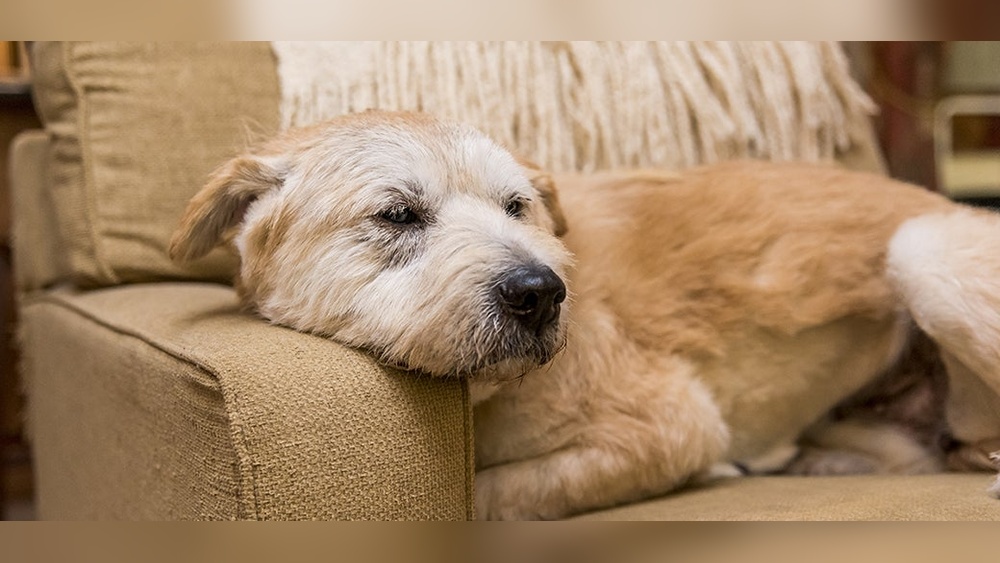
Have you noticed your once calm and loving dog suddenly showing signs of aggression? It can be confusing and even scary to see your older dog behave this way.
Understanding why your furry friend is acting aggressively is key to helping them—and keeping your home safe. You’ll discover what triggers aggressive behavior in older dogs and what you can do to manage it. If you want to protect your bond and ensure your dog’s comfort, keep reading.
This might just change how you care for your loyal companion.
Credit: www.aspca.org
Causes Of Aggression
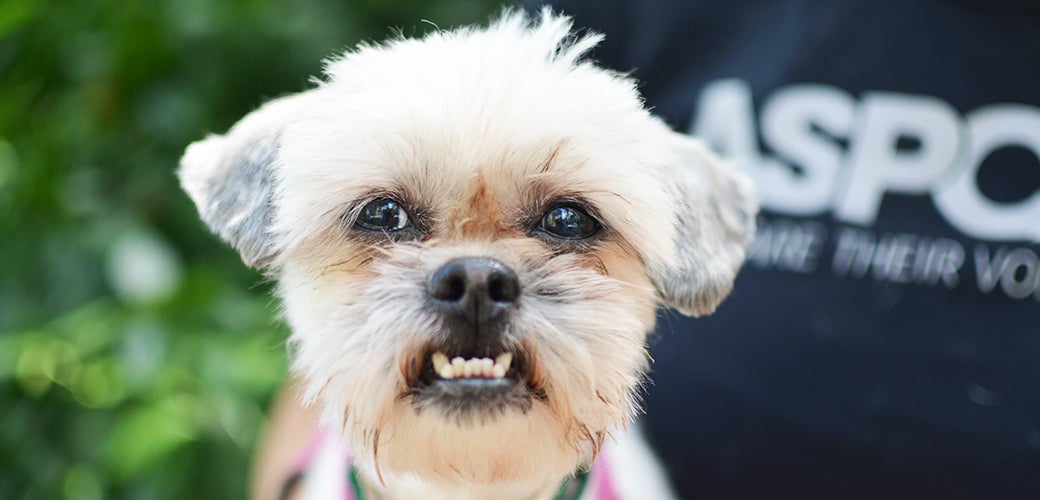
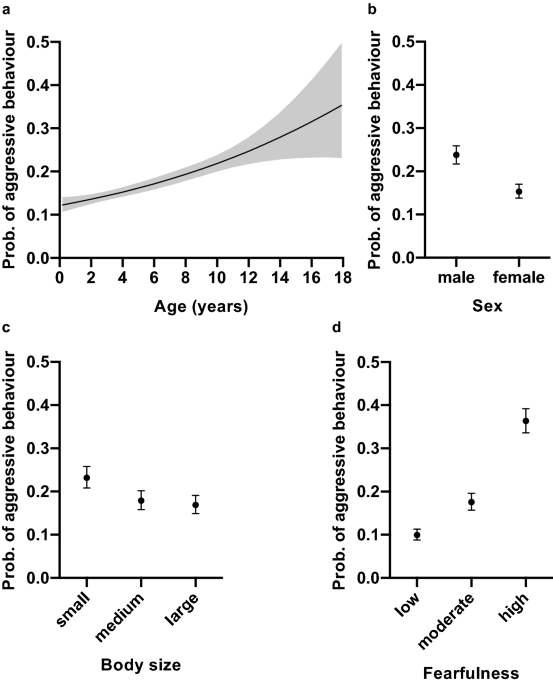
Aggression in older dogs can arise from many causes. Understanding these causes helps in managing and caring for your dog better. Aggression often signals discomfort or fear. Identifying the root cause is key to addressing the behavior effectively.
Medical Issues
Health problems can lead to sudden aggression in older dogs. Conditions like brain tumors or neurological disorders may change behavior. Regular vet check-ups help catch medical causes early. Treating health issues often reduces aggressive acts.
Fear And Anxiety
Older dogs may become fearful or anxious more easily. Loud noises, new people, or changes can trigger fear-based aggression. Anxiety builds up, making dogs act defensively. Calm surroundings and patience help reduce fear.
Territorial Behavior
Older dogs can become protective of their space. They may guard their home or favorite spots aggressively. This behavior increases if they feel their territory is threatened. Respecting their boundaries eases territorial aggression.
Pain And Discomfort
Pain often causes irritability and aggression in senior dogs. Arthritis, dental problems, or injuries make dogs sensitive. They may snap or growl to avoid touch. Gentle care and pain relief improve their mood.
Changes In Environment
New surroundings can confuse older dogs. Moving house or changes in routine cause stress. Stress can trigger aggressive reactions to unfamiliar things. Keeping routines steady helps older dogs feel safe.
Credit: www.nature.com
Recognizing Aggressive Signs
Recognizing aggressive signs in older dogs is key to keeping them safe. Aggression can show up in many ways. Early detection helps manage these behaviors better. Watch for subtle changes in how your dog acts and looks. Understanding these signs makes it easier to respond calmly and appropriately.
Body Language Cues
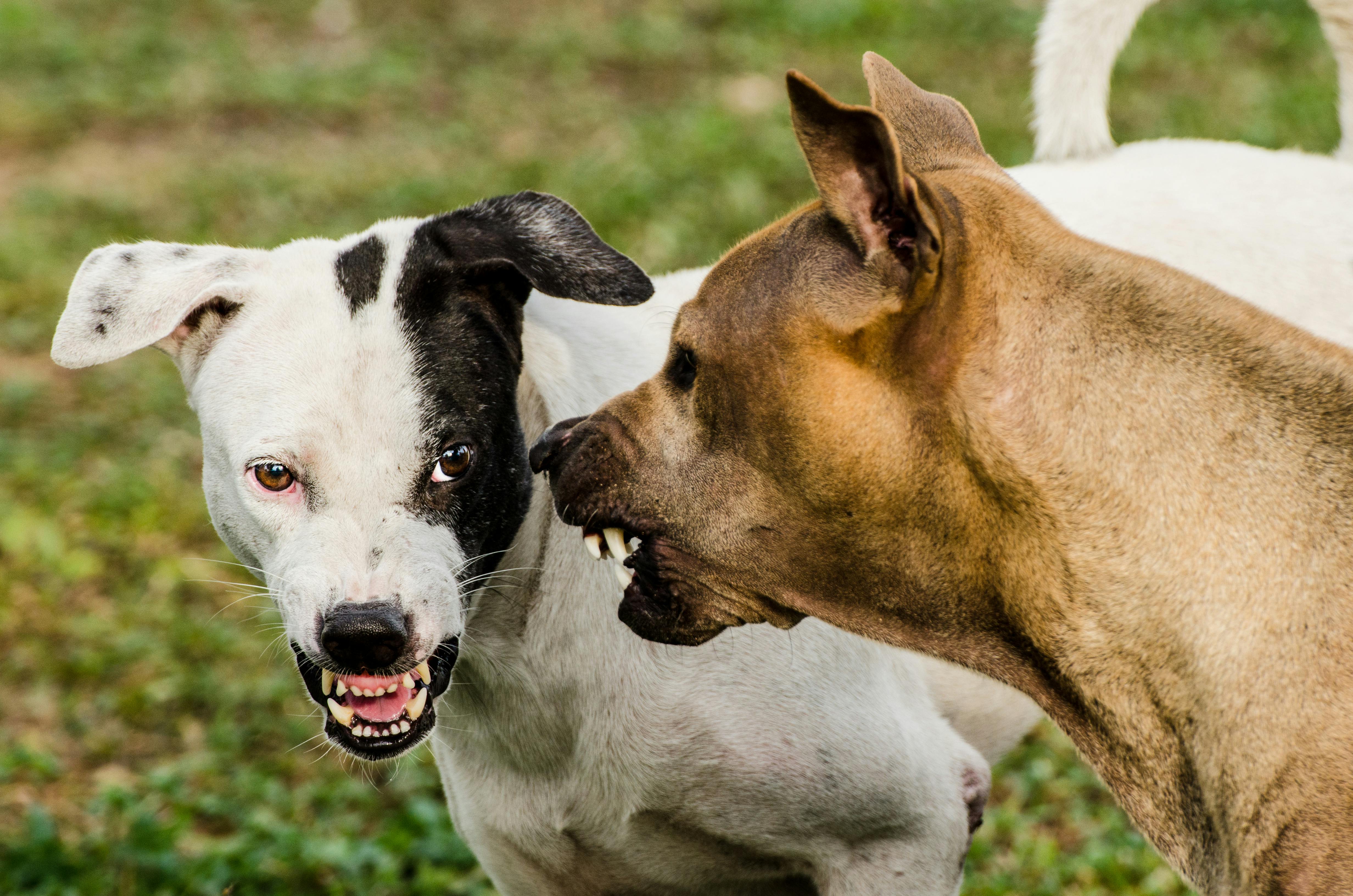
Body language often reveals a dog’s feelings before aggression. Look for stiff posture and raised hackles. A fixed stare or a wrinkled nose can signal tension. Tail position matters too; a low or tucked tail shows fear. Ears pinned back may indicate stress or discomfort. These cues warn of possible aggression ahead.
Vocalizations
Growling or snarling are common vocal signs of aggression. Barking sharply or in a deep tone warns others to stay away. Whining or yelping may show fear but can lead to defensive aggression. Pay attention to sudden changes in your dog’s usual sounds. These noises help communicate how your dog feels.
Behavioral Changes
Changes in behavior can signal rising aggression. An older dog might avoid people or other pets suddenly. Increased irritability or snapping at small annoyances can appear. Loss of interest in play or walks may occur. These shifts suggest discomfort or pain causing aggression.
Triggers To Watch For
Certain triggers can provoke aggressive reactions in older dogs. Pain from arthritis or illness often causes defensiveness. New people or animals might stress your dog. Loud noises or sudden movements can startle them. Changes in routine or environment may also trigger aggression. Identifying triggers helps reduce risky situations.
Preventing Aggression
Preventing aggression in older dogs is essential for their well-being and your peace of mind. Aggressive behavior can arise from fear, pain, or confusion. Taking steps early helps keep your dog calm and safe. Small changes in daily care can reduce stress and avoid triggers.
Consistent Routine
Older dogs thrive on routine. Feeding, walking, and playtime at the same hours create a sense of security. Consistency helps reduce anxiety that can lead to aggression. Sudden changes may confuse your dog and cause stress. Keep daily activities predictable to build trust and calmness.
Safe Environment Setup
Design a quiet and comfortable space for your dog. Remove sharp objects and clutter that might cause accidents. Provide soft bedding and easy access to food and water. A safe space helps your dog feel protected and lowers defensive behavior. Avoid crowded or noisy areas that may overwhelm them.
Proper Socialization
Gradual socialization keeps your dog friendly and confident. Introduce new people or pets slowly and carefully. Use positive reinforcement to reward calm behavior. Social encounters help prevent fear-based aggression. Respect your dog’s limits and avoid stressful situations.
Managing Aggressive Behavior
Managing aggressive behavior in older dogs requires patience and care. This behavior can stem from pain, fear, or confusion. Addressing it early helps keep your dog safe and calm. Various methods can help reduce aggression and improve your dog’s quality of life.
Training Techniques
Training helps change your dog’s reactions. Use gentle commands and rewards to encourage good behavior. Avoid punishment; it can increase fear and aggression. Consistent routines make dogs feel safe and reduce stress. Practice short sessions often to keep your dog engaged.
Behavioral Therapy
Behavioral therapy focuses on changing how your dog thinks and feels. A therapist may use desensitization to reduce fear triggers. Counter-conditioning teaches your dog to associate triggers with positive experiences. Therapy takes time but often leads to lasting changes. It also helps your dog handle stress better.
Medication Options
Medication can support behavior management in some cases. Vets may prescribe drugs to reduce anxiety or pain. These medicines work best with training and therapy. Always follow your vet’s advice on dosage and use. Medication is not a quick fix but part of a bigger plan.
Working With Professionals
Experts offer guidance tailored to your dog’s needs. Trainers and vets can identify causes of aggression. They create plans that combine training, therapy, and medication. Professionals teach owners how to respond calmly and safely. Their support improves results and helps keep your dog happy.
Supporting Aging Dogs
Supporting aging dogs helps reduce aggressive behavior and improves their quality of life. Older dogs may feel pain or confusion that causes them to act out. Helping them stay comfortable and happy is key to lessening aggression. Simple steps can make a big difference for your senior dog.
Focus on their health and mental needs. This support keeps them calm and more relaxed. It also strengthens the bond between you and your dog.
Pain Management
Older dogs often have joint pain or arthritis. Pain can make them irritable and aggressive. Use vet-prescribed medicine or natural treatments to ease their pain. Gentle massages or warm compresses may also help. Watch for signs like limping or whining. Managing pain is crucial for a peaceful dog.
Nutritional Support
Nutrition affects behavior in aging dogs. Provide food rich in vitamins and minerals. Special diets support joint health and brain function. Omega-3 fatty acids reduce inflammation and improve mood. Avoid foods that upset their stomach or cause allergies. Balanced meals keep your dog strong and calm.
Regular Vet Checkups
Frequent vet visits catch health issues early. Checkups help track changes in behavior and health. Your vet can adjust treatments to control aggression. Early detection of illness prevents worsening symptoms. Routine exams protect your dog’s well-being as they age.
Mental Stimulation
Older dogs need mental exercise to stay sharp. Puzzles and gentle games keep their mind active. Training with treats or toys provides fun learning. Mental activity reduces anxiety and boredom. A busy mind means a happier, less aggressive dog.
Credit: positively.com
Frequently Asked Questions
What Causes Aggressive Behavior In Older Dogs?
Aggression in older dogs often stems from pain, cognitive decline, or fear. Health issues like arthritis can cause discomfort, making dogs irritable. Changes in senses or confusion may also trigger defensive aggression. Identifying the root cause helps in managing and reducing aggressive behaviors effectively.
How Can I Safely Manage An Aggressive Older Dog?
To manage aggression, create a calm environment and avoid sudden moves. Use positive reinforcement and reward good behavior. Consult a veterinarian to rule out medical problems. Professional training or behavior therapy may be necessary to ensure safety for both dog and owner.
Can Pain Lead To Aggression In Senior Dogs?
Yes, pain is a common cause of aggression in older dogs. Conditions like arthritis or dental problems can cause discomfort. When in pain, dogs may react aggressively to protect themselves. Treating the pain often reduces aggressive behaviors and improves quality of life.
When Should I Consult A Vet About Aggression In My Dog?
Consult a vet if your older dog shows sudden or worsening aggression. Early evaluation can detect medical issues or cognitive decline. Prompt treatment helps prevent harm and improves your dog’s comfort. Never ignore changes in behavior, as they often signal underlying problems.
Conclusion
Aggressive behavior in older dogs can be tough to handle. Changes in health or pain often cause this behavior. Watch your dog closely for signs of discomfort. Consult a vet to rule out medical issues first. Training and patience help manage aggression well.
Keep your dog calm with a safe, quiet space. Remember, love and care make a big difference. Understanding your dog’s needs improves your bond. Stay patient and consistent every day. Your older dog deserves comfort and respect.


