
Potty training your puppy can feel like a big challenge, but it doesn’t have to be stressful. Imagine having a clear plan that helps your puppy learn quickly and keeps your home clean.
You want your furry friend to be happy, healthy, and well-behaved, right? You’ll discover simple, effective tips that make potty training easier for both you and your puppy. Keep reading, and soon you’ll enjoy the confidence that comes with a well-trained pup.
Credit: bigstateplumbing.com
Preparing For Potty Training
Preparing for potty training sets the stage for success. It helps your puppy learn faster and reduces accidents. The right preparation makes training easier for both of you.
Choosing The Right Supplies
Pick supplies that fit your puppy’s size and needs. Puppy pads help if you train indoors. A leash keeps your puppy close during outdoor trips. Use cleaning products that remove smells well. This stops your puppy from using the same spot again.
Setting A Consistent Schedule
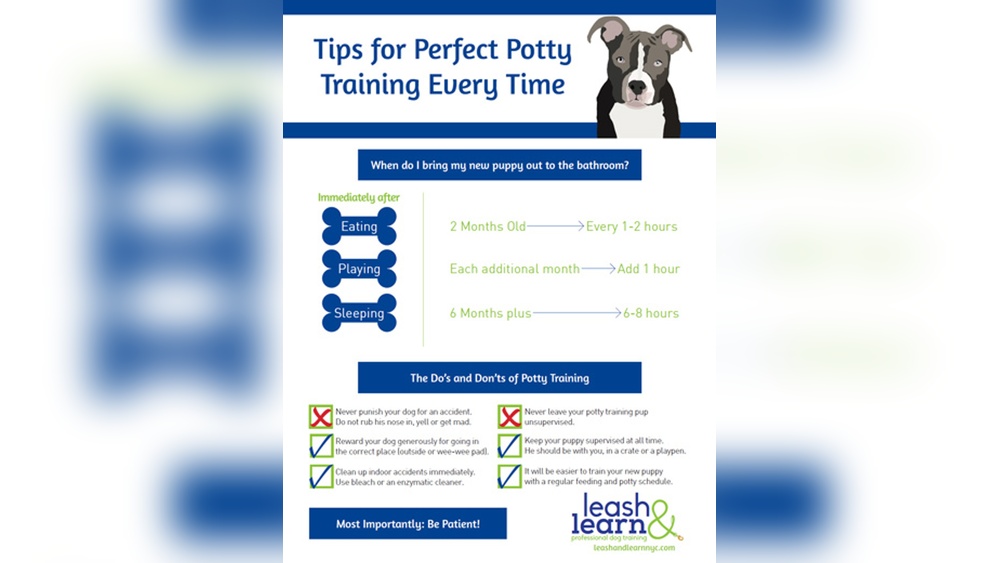
Regular bathroom breaks build good habits. Take your puppy out first thing in the morning. Offer trips after meals and naps. Keep times the same each day. This helps your puppy understand when to go.
Designating A Potty Area
Choose one spot for your puppy’s bathroom needs. A consistent place helps your puppy recognize where to go. Outdoor areas should be quiet and easy to reach. Indoors, place pads in a safe corner. This reduces confusion and speeds learning.

Credit: shnakhat.com
Effective Training Techniques
Potty training a puppy requires patience and the right techniques. Using effective training methods helps your puppy learn faster. It also reduces accidents and stress for both of you. Focus on clear signals, rewards, and safe spaces to guide your puppy.
Using Positive Reinforcement
Positive reinforcement means rewarding good behavior. Give treats, praise, or playtime when your puppy goes potty outside. This teaches your puppy what you want. Avoid punishments, as they can confuse and scare your puppy. Consistent rewards make your puppy eager to learn.
Recognizing Puppy Signals
Learn your puppy’s signs before they need to go. Sniffing, circling, or whining often mean they need a bathroom break. Watch closely during play or after eating. Taking your puppy outside at these moments helps prevent accidents. Quick action builds good habits early.
Implementing Crate Training
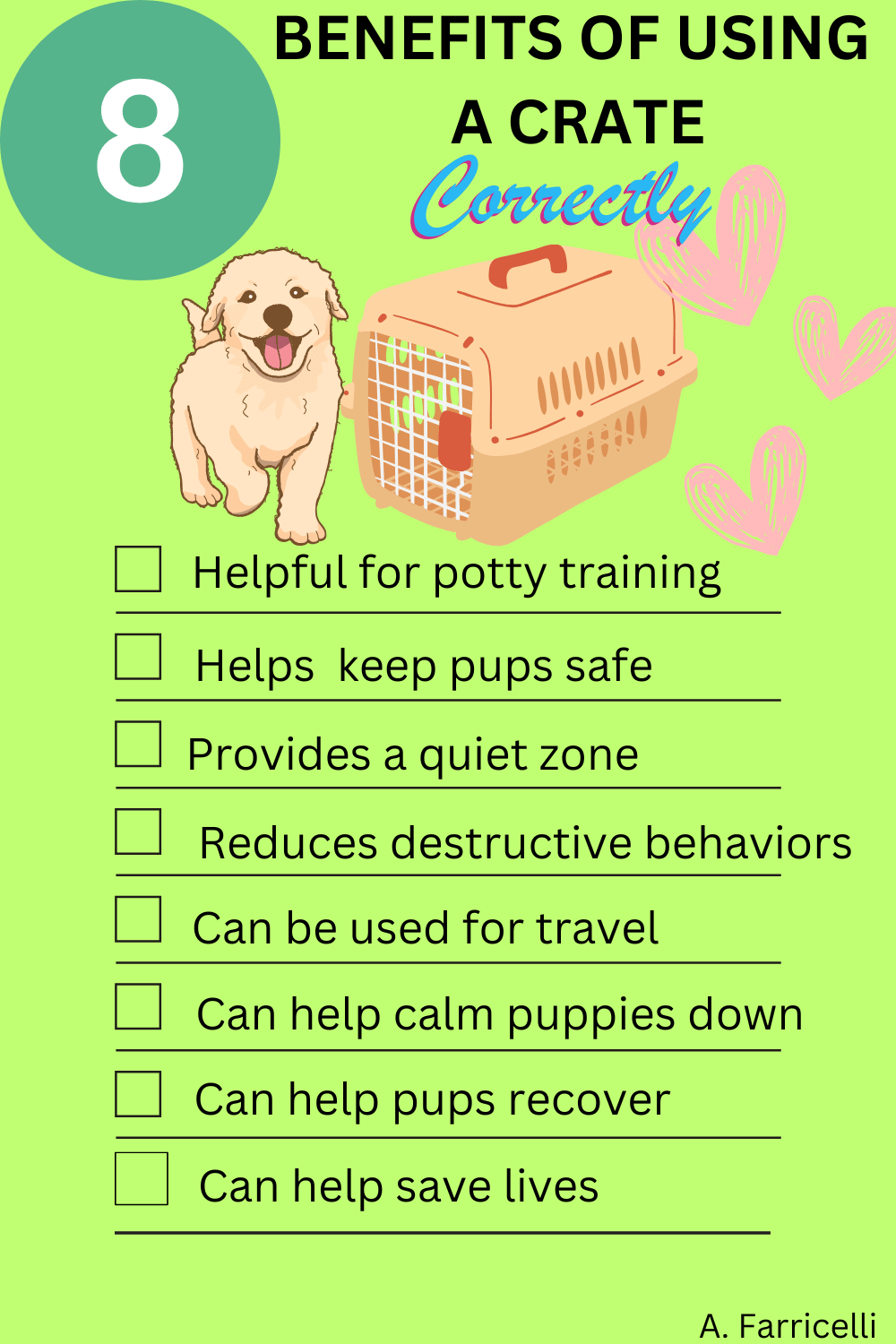
Crate training creates a safe, cozy spot for your puppy. Puppies usually avoid soiling their sleeping area. Use the crate for short times and always make it positive. Take your puppy outside right after leaving the crate. This method encourages bladder control and reduces accidents.
Common Challenges
Potty training a puppy can be full of ups and downs. Many pet owners face similar hurdles during this process. Understanding common challenges helps keep patience and progress steady.
Each puppy learns at its own pace. Some days go well, while others bring setbacks. Staying calm and consistent is key to success.
Handling Accidents Calmly
Accidents happen often during potty training. Puppies do not mean to misbehave. Reacting with anger can scare them.
Clean accidents quietly and thoroughly. Use a gentle voice to guide your puppy. Reward good behavior to encourage learning.
Dealing With Regression
Sometimes puppies forget their training. This is normal, especially during changes or stress. Regression is a sign to slow down.
Return to basic steps and be patient. Keep a regular schedule and remind your puppy gently. Reassurance helps rebuild trust and habits.
Managing Distractions
Puppies get easily distracted by sights and sounds. This can delay potty training progress. Create a calm, quiet space for training sessions.
Focus your puppy’s attention with treats and praise. Short, frequent training times work best. Avoid overwhelming your puppy with too many stimuli.
Speeding Up The Process
Speeding up the potty training process helps your puppy learn faster. It also reduces accidents inside the house. Focus on clear habits and routines. This creates a strong pattern for your puppy to follow. Consistency is key in every step.
Increasing Outdoor Trips
Take your puppy outside more often. Frequent trips give more chances to go potty outside. Try every two hours and after meals or naps. Praise your puppy each time they go outside. This builds a positive link with outdoor potty.
Using Commands Consistently
Choose simple potty commands like “Go potty” or “Hurry up.” Use the same words every time. Say the command right before your puppy goes. This helps them understand what you want. Over time, they will respond to the command quickly.
Monitoring Diet And Water Intake
Control your puppy’s food and water schedule. Set regular meal times and limit water before bedtime. A steady routine helps predict when they need to go. Avoid free feeding to reduce accidents. Clean water is always available during the day.
Maintaining Long-term Success
Maintaining long-term success in potty training means keeping your puppy’s good habits strong. Training does not end after the first few weeks. It requires ongoing effort and care. Consistency and patience help your puppy stay on track. This section covers key tips for lasting potty training success.
Reinforcing Good Habits
Always praise your puppy for going potty outside. Use treats and kind words to encourage repeat behavior. Stick to a regular schedule for bathroom breaks. Avoid punishment, which can confuse your puppy. Make potty time positive and clear.
Adjusting Training As Puppy Grows
As your puppy grows, their needs change. Increase time between bathroom breaks gradually. Watch for new signs when your puppy needs to go. Change the training routine to fit your puppy’s age. Keep training flexible but consistent.
Keeping Patience And Persistence
Potty training takes time and effort. Expect accidents and setbacks. Stay calm and patient during mistakes. Keep training every day without giving up. Your puppy learns best with steady, kind guidance.

Credit: www.etsy.com
Frequently Asked Questions
How Long Does Puppy Potty Training Usually Take?
Puppy potty training typically takes 4 to 6 months. Consistency and patience speed up the process. Each puppy learns at its own pace, so stay persistent and positive.
What Is The Best Time To Start Potty Training?
Start potty training as soon as you bring your puppy home. Early training helps establish good habits quickly. Puppies are most receptive between 8 and 12 weeks old.
How Often Should I Take My Puppy Outside?
Take your puppy outside every 1 to 2 hours. Also, go out after meals, naps, and playtime. Frequent trips prevent accidents and reinforce good potty habits.
What Are Effective Rewards For Potty Training?
Use treats, praise, and play as rewards. Positive reinforcement encourages your puppy to repeat good behavior. Always reward immediately after successful potty trips outside.
Conclusion
Potty training a puppy takes patience and clear routines. Consistency helps your puppy learn faster. Praise good behavior to encourage them. Expect accidents; they are part of learning. Keep calm and stay positive throughout training. Soon, your puppy will know where to go.
Enjoy this time—it builds a strong bond. With care and effort, success is near. Keep these tips in mind for smooth training. Your puppy will thank you with good habits.


