

Have you ever wondered why your dog wags its tail, barks at strangers, or suddenly hides under the table? Understanding animal behavior, especially in dogs, can unlock the secrets behind these actions.
When you learn what your furry friend is really trying to tell you, your bond grows stronger and your life together becomes happier. You’ll discover simple, clear insights into dog behavior that anyone can grasp. Get ready to see your dog in a whole new light—and finally understand what’s going on in that clever canine mind of theirs.
Credit: www.wihumane.org
Dog Communication
Dogs communicate in many ways beyond barking or wagging tails. Their communication helps them express feelings and needs clearly. Understanding dog communication builds a stronger bond between you and your pet.
Dogs use body movements, sounds, and facial cues to share messages. Paying attention to these signs helps interpret what your dog wants to say.
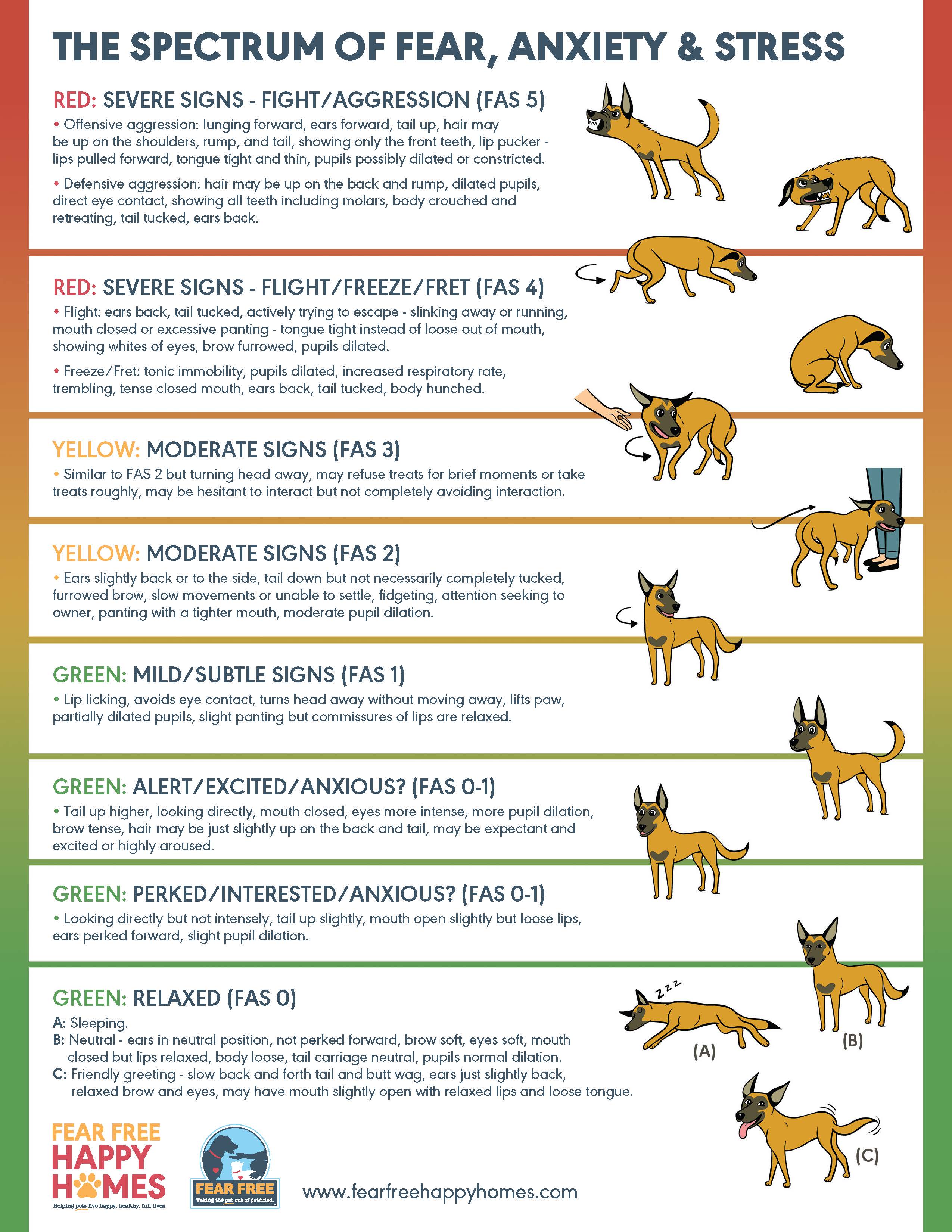
Body Language Signals
Body language is a key way dogs talk. A wagging tail can mean happiness or excitement. A stiff body might show alertness or fear. Dogs also use their ears and posture to give clues about their mood.
Look for signs like raised hackles or a tucked tail to understand emotions. This helps avoid misreading a dog’s feelings and reactions.
Vocalizations And Sounds
Dogs use different sounds to communicate. Barking can mean warning, greeting, or asking for attention. Whining often shows stress or a need. Growling warns others to back off or stop.
Each sound has a purpose. Listening carefully helps recognize what your dog wants or feels.
Facial Expressions
Dogs show emotions through their faces. Relaxed eyes and a soft mouth mean calmness. Wide eyes and a tense mouth can signal anxiety or fear. Raised eyebrows may show curiosity or interest.
Reading these expressions helps understand your dog’s feelings instantly. Faces tell stories that words cannot.
Common Dog Behaviors
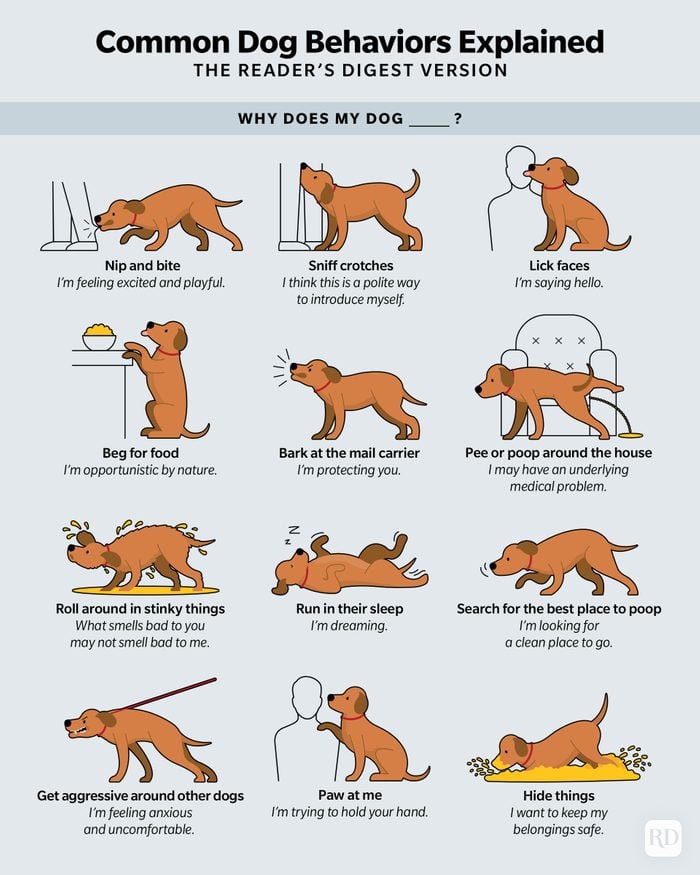
Dogs show many behaviors that help us understand their feelings and needs. These behaviors come from their instincts and how they live with humans. Knowing common dog behaviors helps owners care for their pets better.
Dogs use actions and sounds to communicate with people and other animals. They show joy, fear, or alertness through body language and noises. Watching these behaviors helps us see what dogs want or feel.
Play And Social Interaction
Play is a key part of a dog’s life. Dogs use play to learn and build bonds with others. They chase, wrestle, and use their mouths gently during playtime. This behavior helps dogs practice social skills.
Dogs also greet each other by sniffing and wagging tails. These actions show friendliness and help dogs feel safe. Social interaction keeps dogs happy and less stressed.
Territorial Actions
Dogs protect their space by barking or growling at strangers. They mark territory using scent from their paws or urine. This behavior warns others to stay away. Territorial actions come from a dog’s need for safety.
Sometimes dogs patrol their home area by walking around. This behavior helps them notice changes or threats. Understanding territorial actions helps owners respect their dog’s space.
Hunting And Chewing Instincts
Dogs have strong hunting instincts from their wild ancestors. They may chase small animals or move quickly after toys. This behavior is natural and shows their alertness.
Chewing helps dogs keep their teeth clean and reduce stress. Puppies chew to explore the world and relieve teething pain. Providing safe chew toys satisfies this instinct and protects belongings.
Training Techniques
Training techniques are key to shaping your dog’s behavior and building a strong bond. Good training helps dogs learn commands, manners, and how to behave around people and other animals. It also makes daily life easier and safer for both you and your pet.
Effective training uses clear methods that dogs can understand. Patience and practice play a big role. Training sessions should be short but regular. This helps dogs remember what they learn and stay motivated.
Positive Reinforcement
Positive reinforcement means rewarding good behavior. Treats, praise, or playtime can be rewards. This encourages dogs to repeat the behavior. Avoid punishment as it can cause fear or confusion. Rewards make training fun and build trust. Dogs learn faster when they feel happy and safe.
Consistency And Routine
Consistency is vital for training success. Use the same commands and signals every time. Everyone in the household should follow the same rules. A daily routine helps dogs know what to expect. Regular training sessions reinforce learning. Predictable routines reduce anxiety and help dogs focus.
Addressing Unwanted Behaviors
Unwanted behaviors can be changed with patience. Identify the cause of the behavior first. Redirect your dog to a better action. For example, offer a toy instead of chewing furniture. Avoid yelling or physical punishment. Consistent correction and positive rewards work best. Seek help from a professional trainer if needed.
Emotional Needs
Dogs have deep emotional needs that affect their behavior and happiness. Meeting these needs helps them live healthy and joyful lives. Understanding their feelings builds a strong bond between dogs and owners. Emotional care is as important as physical care.
Bonding And Affection
Dogs crave connection with their humans. They show love through licking, cuddling, and following you around. Spending quiet time together strengthens trust and comfort. Simple acts like gentle petting or talking softly make dogs feel safe. Strong bonds reduce fear and encourage good behavior.
Stress And Anxiety Signs
Stress can cause changes in dog behavior. Signs include pacing, whining, or hiding. Some dogs bark more or chew on things. Watch for changes in eating or sleeping habits. Early detection helps reduce anxiety and prevent bigger problems. Calm environments and routines ease stress for dogs.
Mental Stimulation
Dogs need mental exercises to stay happy. Puzzle toys and training games challenge their minds. New experiences and smells keep dogs curious and alert. Boredom can lead to destructive behavior or restlessness. Regular playtime and learning moments improve focus and mood.
Health And Behavior
Healthy dogs behave better. Their health affects their mood and actions. A strong body supports a calm mind. Understanding how health links to behavior helps owners care well. Small changes in diet or exercise can improve a dog’s behavior. Watching for signs of illness keeps dogs safe and happy.
Nutrition Impact
Good nutrition builds a healthy dog. Balanced food gives energy and supports brain function. Poor diet can cause irritability or tiredness. Dogs need proteins, fats, vitamins, and minerals daily. Avoid feeding too many treats or human food. Fresh water is important for digestion and alertness. Quality food helps dogs stay active and focused.
Exercise Benefits
Exercise shapes a dog’s behavior. Regular walks and play reduce stress and anxiety. Active dogs sleep better and obey commands more easily. Without enough activity, dogs may become restless or destructive. Exercise helps maintain a healthy weight, avoiding joint problems. Outdoor time also improves social skills and confidence. Simple games can keep your dog happy and calm.
Recognizing Illness Symptoms
Illness changes how dogs act. Watch for signs like lethargy, loss of appetite, or unusual aggression. Coughing, vomiting, or limping also signal health issues. Early detection leads to faster treatment and recovery. Keep track of any sudden behavior shifts. Regular vet visits help catch problems early. Knowing normal behavior helps spot illness quickly.
Environmental Influences
Environmental factors shape a dog’s behavior deeply. Dogs respond to their surroundings every day. Their actions and moods often reflect changes in the environment. Understanding these influences helps owners provide better care and training.
Home Setup
The home environment plays a big role in dog behavior. A quiet, safe space helps dogs feel calm. Crowded or noisy areas may cause stress or anxiety. Comfortable bedding and personal space give dogs a sense of security. Toys and activity areas keep dogs mentally active and happy.
Social Environment
Dogs are social animals. Interaction with humans and other pets shapes their behavior. Positive social experiences boost confidence and reduce fear. Lack of socialization can lead to shyness or aggression. Regular walks and playtime encourage healthy social skills.
Adapting To Changes
Dogs notice changes around them quickly. Moving to a new home or adding a pet can cause stress. Routines and familiar objects help dogs adjust faster. Patience and gentle guidance support dogs during transitions. Over time, dogs learn to cope with new situations.
Breed-specific Traits
Dogs come in many breeds, each with unique traits. These breed-specific traits shape how dogs behave every day. Understanding these traits helps owners care better for their pets. It also improves how dogs and humans live together. Let’s explore key breed traits like activity, temperament, and training challenges.
Activity Levels
Some breeds have high energy and need lots of exercise. Border Collies and Huskies love running and playing. Other breeds, like Bulldogs, prefer short walks and more rest. Activity level depends on breed history and purpose. Knowing your dog’s energy helps plan daily routines.
Temperament Variations
Temperament varies across breeds. Some dogs are naturally calm and gentle. Others can be protective or very alert. For example, Golden Retrievers are friendly and patient. German Shepherds tend to be loyal and watchful. These traits affect how dogs react to people and situations.
Training Challenges
Training can be easy or tough based on breed. Intelligent breeds like Poodles learn commands fast. Stubborn breeds may resist training and need patience. Some dogs respond better to rewards than corrections. Understanding breed challenges helps create effective training plans.
Credit: www.rd.com
Credit: www.aspca.org
Frequently Asked Questions
What Are Common Dog Behavior Traits?
Dogs often show loyalty, playfulness, and protectiveness. They use body language and vocalizations to communicate feelings and needs effectively.
How Do Dogs Communicate With Humans?
Dogs communicate through barks, whines, tail wagging, and facial expressions. They read human emotions and respond to tone and gestures.
Why Do Dogs Bark Excessively?
Excessive barking often signals boredom, anxiety, or alertness. It’s a dog’s way to express needs or warn of perceived threats.
How Can I Improve My Dog’s Behavior?
Consistent training, positive reinforcement, and socialization help improve dog behavior. Understanding their needs and signals also strengthens the bond.
Conclusion
Understanding dog behavior helps build a stronger bond with your pet. Dogs communicate through actions and sounds every day. Watching their body language reveals what they feel or need. Training becomes easier when you know why they act a certain way.
Patience and care improve your dog’s happiness and trust. Every dog is unique, so take time to learn them well. Enjoy the journey of discovering your dog’s true nature. This knowledge makes life better for both you and your dog.

