

Are you struggling to teach your dog where to go potty? Crate training might be the simple solution you’ve been looking for.
When done right, crate training helps your dog learn good bathroom habits quickly and with less stress—for both of you. Imagine having a reliable method that makes accidents rare and house training smoother. You’ll discover easy steps to crate train your dog effectively, so you can enjoy a cleaner home and a happier pup.
Keep reading, and let’s make potty training a success together!
Benefits Of Crate Training
Crate training offers many benefits for potty training your dog. It helps build good habits quickly and safely. Using a crate teaches your dog to hold their bladder and bowels until the right time. It also makes the potty training process less stressful for both you and your dog.
The crate becomes a special place where your dog learns self-control. This method supports your dog’s natural instincts and helps avoid accidents inside the house. Dogs feel comfortable and secure in their crate, which speeds up training success.
Why Crate Training Helps Potty Training
Dogs do not like to soil their own space. A crate gives your dog a small, clean area to stay in. This encourages them to wait for bathroom breaks. The crate helps teach your dog to hold their bladder. It also sets clear limits on where your dog can go.
Crate training creates a routine. Dogs learn when to go outside to potty. This reduces accidents inside your home. The crate acts as a tool for teaching bladder control. It helps your dog understand the difference between inside and outside.
Creating A Safe Space For Your Dog
A crate is more than just a training tool. It becomes your dog’s safe space. This space helps reduce anxiety and stress. Dogs feel calm and relaxed inside their crate. A quiet, comfortable crate helps your dog rest and feel secure.
Making the crate a positive place builds trust. Your dog will want to spend time there. This safe space makes potty training easier and faster. Your dog learns to enjoy their crate, which helps with overall training success.
Choosing The Right Crate
Choosing the right crate is a key step in potty training your dog. A good crate creates a safe space for your pet. It helps your dog learn to hold their bladder until they go outside. The right crate keeps your dog comfortable and calm during training.
Types Of Dog Crates
Wire crates are popular for their ventilation and visibility. They fold easily for storage and travel. Plastic crates offer a cozy, den-like environment. They are quieter and block out distractions. Soft-sided crates work well for gentle dogs. They are lightweight and easy to carry. Each crate type has its own benefits for potty training.
Sizing Your Dog’s Crate
Pick a crate that fits your dog’s size well. The crate should be large enough for your dog to stand, turn, and lie down comfortably. A crate too big may encourage accidents. A crate too small can cause discomfort and stress. Measure your dog from nose to tail and add a few inches. Proper sizing supports successful potty training.
Preparing Your Dog For The Crate
Preparing your dog for the crate is the first step in successful crate training. It helps your dog feel safe and calm inside the crate. Taking time to get your dog used to the crate makes potty training easier. Start slow and be patient. The crate should become a positive place for your dog.
Introducing The Crate Gradually
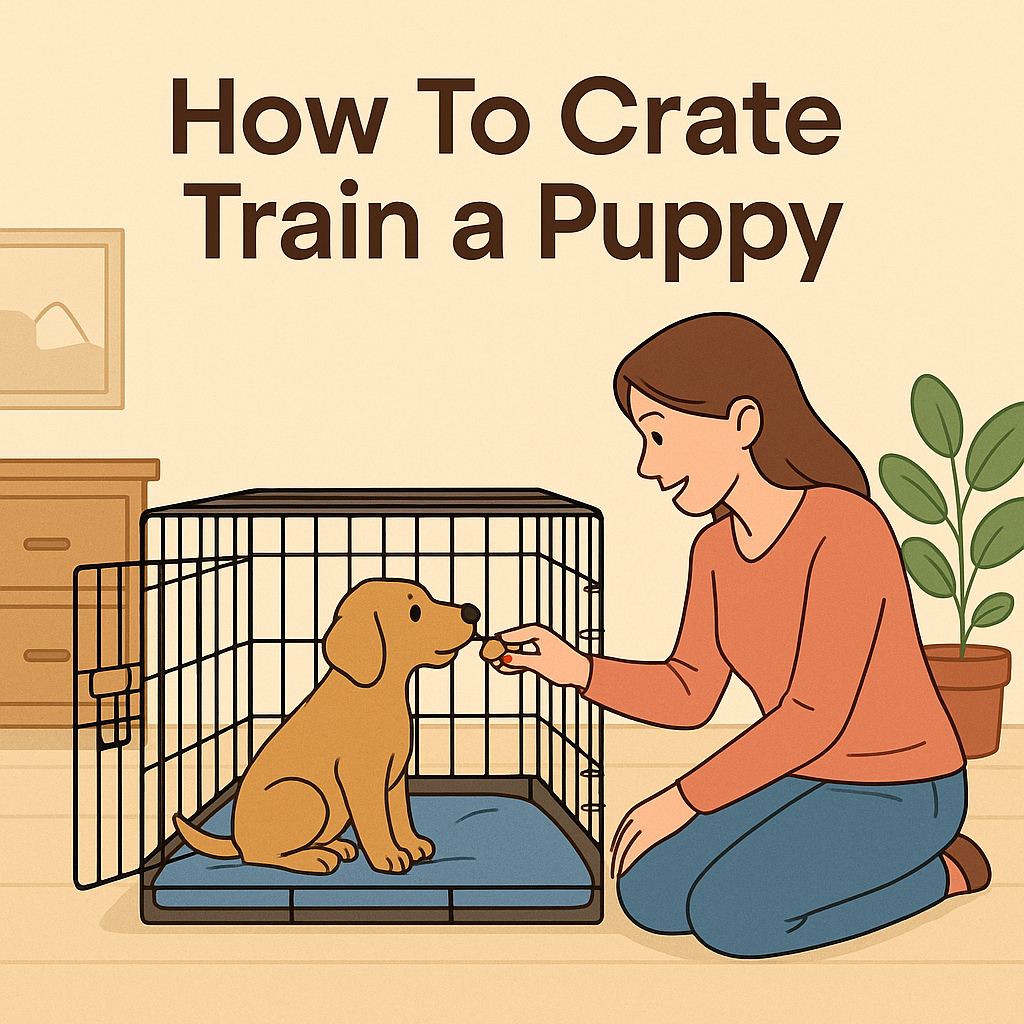
Start by placing the crate in a common area. Leave the door open so your dog can explore. Put treats or toys inside to encourage your dog to enter. Do not force your dog inside. Let your dog go in and out freely. Spend short periods near the crate and praise your dog for calm behavior. Slowly increase the time your dog spends inside with the door closed. Always use a calm voice and gentle praise.
Making The Crate Comfortable
Add a soft blanket or dog bed inside the crate. Choose items your dog likes. Avoid anything that may cause discomfort. Keep the crate clean and dry at all times. Place the crate in a quiet, cozy spot in your home. Avoid direct sunlight or cold drafts. A comfortable crate helps your dog relax and want to stay inside. This comfort builds positive feelings toward the crate.
Credit: funnyfuzzy.com
Setting A Potty Schedule
Setting a potty schedule is key to successful crate training for your dog. It helps your dog learn when and where to go. A regular schedule builds good habits and reduces accidents inside the house.
Dogs thrive on routine. They feel secure when they know what to expect. Setting a consistent potty schedule makes house training easier for both you and your dog.
Timing Bathroom Breaks
Take your dog outside first thing in the morning. After meals, take them out again. Puppies need more frequent breaks, about every two hours. Adult dogs usually need fewer breaks but still need regular trips outside. Try to keep breaks at the same times each day. This predictability helps your dog understand when it is time to go.
Recognizing Your Dog’s Signals
Watch your dog closely for signs they need to go. Sniffing around, circling, or whining can mean they need a bathroom break. Some dogs head to the door when they need to go out. Respond quickly to these signals. Taking your dog out right away prevents accidents and reinforces good habits.
Using Positive Reinforcement
Using positive reinforcement helps your dog learn potty training faster. It creates good habits by encouraging the right behavior. Dogs respond well to rewards and praise. This method builds trust between you and your pet.
Positive reinforcement makes potty training less stressful. It focuses on what your dog does right. This way, your dog feels happy and motivated to learn.
Rewarding Successful Potty Trips
Give your dog a treat right after they potty outside. Praise them with a happy voice and gentle petting. Use small, tasty treats your dog loves. Timing is key. Reward your dog immediately to connect the action with the reward.
Keep rewards consistent. Every successful potty trip deserves recognition. This helps your dog understand what you expect. Over time, your dog will choose to potty outside more often.
Avoiding Punishment
Never punish your dog for accidents. Punishment confuses and scares them. It can cause anxiety and slow training progress. Instead, clean accidents quietly without showing anger.
Focus on guiding your dog to the right spot. Use gentle corrections like redirecting to the crate or outside. Patience and kindness work better than punishment. Your dog learns best through trust and positive support.

Credit: www.reddit.com
Handling Accidents Properly
Accidents are a normal part of crate training for potty training. Dogs do not learn instantly. They need time to understand where to go. Handling accidents the right way helps your dog learn faster. It also keeps your home clean and comfortable.
Cleaning Up Effectively
Clean accidents quickly to remove smells. Dogs return to spots that smell like urine. Use a cleaner made for pet stains. Avoid ammonia-based products. These can confuse your dog. Blot the area with a towel first. Then spray the cleaner and let it sit. Wipe the spot until it is clean and dry.
Staying Patient And Consistent
Patience is key during crate training. Do not punish your dog for accidents. They learn by repeating actions. Praise your dog when they go outside. Keep a regular schedule for bathroom breaks. Consistency helps your dog know what to expect. Stay calm and kind at all times. This builds trust and good habits.
Adjusting Crate Time
Adjusting crate time is an important step in potty training your dog. It helps your dog learn to hold their bladder and feel comfortable in the crate. You need to change the crate time slowly and watch your dog’s signals carefully. This keeps your dog happy and makes training easier.
Increasing Time Gradually
Start with short crate periods. Just a few minutes at first. Then add more time slowly. This helps your dog get used to the crate. Watch your dog’s behavior. If they stay calm, increase crate time by 10 to 15 minutes. Do not rush. Longer crate time too soon can cause stress. Take breaks for play and potty trips. Build up to the time your dog can hold their bladder.
Knowing When To Let Your Dog Out
Pay close attention to your dog’s signals. Whining, scratching, or pacing means they need out. Let your dog out right away to avoid accidents. Take them to the potty spot calmly. Praise them for going outside. If your dog stays quiet and calm, wait a bit longer before letting them out. This helps them learn patience and control. Timing is key for good potty training.
Troubleshooting Common Issues
Troubleshooting common issues is key to successful crate training for potty training. Many dogs face challenges that slow progress. Understanding these problems helps you stay patient and consistent. This section covers two major concerns: crate anxiety and resistance to potty training.
Dealing With Crate Anxiety
Some dogs feel scared or stressed inside the crate. This fear can cause barking or attempts to escape. Start by making the crate cozy with soft bedding. Use treats and toys to create positive feelings. Avoid forcing your dog inside quickly. Let them explore the crate at their own pace. Short, calm sessions help build comfort. Praise your dog often when they enter willingly. Over time, the crate becomes a safe space, not a place of fear.
Managing Resistance To Potty Training
Resistance to potty training is common in many puppies. They may not understand where to go or hold it too long. Set a regular schedule for bathroom breaks. Take your dog outside after meals, naps, and playtime. Watch for signs like sniffing or circling. Praise and reward your dog immediately after they go outside. Avoid punishment for accidents inside. Clean accidents thoroughly to remove smells. Patience and routine help your dog learn faster.

Credit: www.reddit.com
Frequently Asked Questions
How Long Does Crate Training Take For Potty Training?
Crate training usually takes 1 to 4 weeks for effective potty training. Consistency and patience speed up progress. Puppies learn faster with a regular schedule and positive reinforcement. Individual dogs may vary, so adjust timing accordingly for best results.
What Size Crate Is Best For Potty Training?
Choose a crate just large enough for your dog to stand, turn, and lie down comfortably. Too big a crate may encourage accidents. Proper sizing helps your dog hold their bladder longer and associate the crate with cleanliness.
How Often Should I Take My Dog Out During Crate Training?
Take your dog outside every 2 to 3 hours during crate training. Puppies need more frequent breaks, especially after eating, drinking, or waking. Regular outdoor trips prevent accidents and reinforce good potty habits effectively.
Can Crate Training Prevent Potty Accidents Inside The House?
Yes, crate training can reduce indoor potty accidents. Dogs avoid soiling their sleeping area naturally. A well-managed crate routine teaches bladder control and encourages going outside, leading to fewer accidents indoors.
Conclusion
Crate training helps your dog learn where to go potty. Keep routines simple and stay patient every day. Praise your dog for good behavior and stay calm during accidents. Small steps lead to big progress in potty training. Soon, your dog will understand and follow the rules well.
Trust the process and enjoy the journey together. A clean home and happy dog are worth the effort.


