

Are you struggling to understand your Australian Cattle Dog’s strange behavior? You’re not alone.
These smart and energetic dogs can sometimes act in ways that confuse or frustrate you. But don’t worry—knowing the common behavior issues can help you create a stronger bond and a happier home. Keep reading to discover what might be behind your dog’s actions and how you can fix them before they get worse.
Your Australian Cattle Dog deserves your attention, and you deserve peace of mind.

Credit: www.reddit.com
Common Behavior Problems
Australian Cattle Dogs are smart and energetic. They have strong instincts and need clear guidance. Without proper training, some behavior problems can appear. Understanding these common issues helps owners manage them better. These challenges are normal but need attention for a happy pet.
Excessive Barking
Australian Cattle Dogs often bark a lot. They use barking to warn or alert. Sometimes, they bark due to boredom or anxiety. This can annoy neighbors and family. Training to control barking is important. Provide enough exercise to reduce this behavior.
Aggression Towards People
Some dogs may show aggression if scared or protective. Early socialization reduces fear-based aggression. Teaching calm behavior around strangers helps too. Never punish aggression with harsh methods. Calm and consistent training works best.
Chasing And Herding Instincts
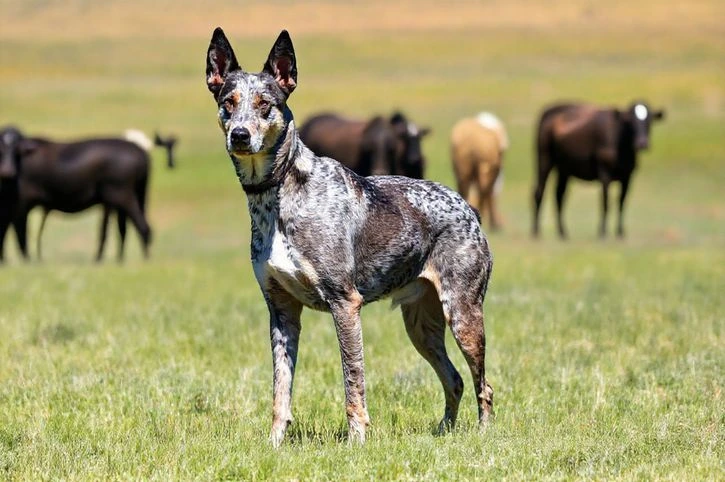
These dogs have a strong desire to herd. They may chase cars, bikes, or animals. This behavior can be dangerous outdoors. Redirect their energy with games or training. Controlled herding activities satisfy their natural drive.
Destructive Chewing
Chewing is normal but can become a problem. Bored or anxious dogs chew furniture or shoes. Provide plenty of chew toys and mental activities. Supervise to prevent damage and teach what is okay to chew.
Separation Anxiety
Australian Cattle Dogs can become anxious when alone. Signs include whining, pacing, or destruction. Gradual training helps them feel safe alone. Leaving toys and keeping a routine reduces stress.
Causes Of Behavior Issues
Behavior issues in Australian Cattle Dogs often stem from specific causes. Understanding these causes helps in managing and preventing problems. These dogs need proper care, attention, and guidance to stay happy and healthy.
Lack Of Exercise
Australian Cattle Dogs are very active and need daily exercise. Without enough physical activity, they may become restless and destructive. Boredom and excess energy can lead to chewing, barking, and digging. Regular walks and playtime reduce these behaviors.
Insufficient Mental Stimulation
These dogs are intelligent and need mental challenges. Without mental tasks, they grow bored quickly. Lack of stimulation can cause anxiety and unwanted habits. Puzzle toys, training, and games keep their minds sharp and content.
Poor Socialization
Proper socialization is essential for healthy behavior. Dogs not exposed to people, animals, or new environments may develop fear or aggression. Early and regular social experiences build confidence and calmness. Socializing helps them behave well in different situations.
Inconsistent Training
Clear and consistent training is crucial for Australian Cattle Dogs. Mixed signals confuse them and create frustration. Consistency in commands and rules builds trust and good manners. Positive reinforcement encourages desired behaviors effectively.
Training Strategies
Training an Australian Cattle Dog needs patience and clear methods. These dogs are smart but strong-willed. Using the right strategies helps shape good behavior. Training keeps them happy and well-behaved. It also builds a strong bond between you and your dog.
Positive Reinforcement Techniques
Reward your dog for good behavior. Use treats, praise, or play as rewards. This encourages the dog to repeat good actions. Avoid punishment as it can create fear. Positive reinforcement builds trust and confidence. Keep training sessions short and fun to keep attention.
Establishing Clear Boundaries
Set clear rules from the start. Be consistent with what is allowed and what is not. Dogs feel secure with consistent boundaries. Use simple commands to explain limits. Do not change rules often. Clear boundaries prevent confusion and bad habits.
Crate Training Benefits
Use a crate to give your dog a safe space. It helps with house training and reduces anxiety. Make the crate comfortable and inviting. Never use the crate as punishment. Crate training teaches self-control and independence. It also helps prevent destructive behavior.
Using Commands Effectively
Use short, clear commands for training. Speak in a calm and firm voice. Repeat commands consistently to help learning. Reward obedience immediately after the command. Avoid long or complicated phrases. Effective commands lead to faster response and better control.
Exercise And Mental Enrichment
Australian Cattle Dogs are active and smart. They need both exercise and mental challenges. Without these, they can develop behavior problems. Giving them the right activities helps keep them happy and healthy.
Daily Physical Activities
These dogs need at least one hour of exercise daily. Walking, running, or playing fetch works well. Regular physical activity burns energy and reduces restlessness. It also strengthens muscles and improves overall health.
Interactive Toys And Puzzles
Interactive toys keep their minds busy. Puzzle feeders and treat-dispensing toys challenge their thinking. These toys reduce boredom and stop destructive behavior. They also improve problem-solving skills and focus.
Agility And Herding Exercises
Agility training suits this breed’s natural skills. It includes obstacle courses and timed challenges. Herding exercises mimic their original work tasks. These activities satisfy their instincts and boost confidence.
Managing Aggressive Behavior
Aggressive behavior in Australian Cattle Dogs can be challenging. Managing it early helps keep your dog calm and safe. Understanding your dog’s signals and reactions is key. You can reduce risks and build trust with the right approach. Patience and consistency work best for these smart, strong dogs.
Recognizing Warning Signs
Watch for growling, snarling, or stiff body posture. Sudden barking or lunging may also signal aggression. Pay attention to raised fur and intense staring. These signs show your dog feels threatened or stressed. Early recognition helps stop problems before they grow.
Calming Techniques
Use a calm voice and slow movements around your dog. Offer treats to distract and reward good behavior. Create a quiet space where your dog feels safe. Regular exercise helps reduce excess energy that can cause aggression. Avoid yelling or punishment; it can make aggression worse.
When To Seek Professional Help
Seek help if aggression increases or causes harm. A dog trainer or behaviorist can provide expert guidance. Professionals use safe methods to change aggressive habits. Early intervention prevents serious issues and improves your dog’s life. Never ignore persistent aggressive behavior.
Preventing Separation Anxiety
Australian Cattle Dogs are smart and active. They form strong bonds with their owners. This can lead to separation anxiety. Preventing this problem helps your dog stay calm and happy. It also protects your home from damage caused by stress.
Gradual Alone Time Training
Start by leaving your dog alone for short periods. Increase the time slowly over days or weeks. This helps your dog learn that you will come back. Avoid long absences at the start. Reward your dog when it stays calm alone.
Creating A Safe Environment
Make a cozy space for your dog. Use a crate or a small room with toys and water. Keep the area quiet and free from distractions. This space feels like a safe zone. It reduces stress when your dog is alone.
Using Distractions During Absence
Give your dog something to do while you are gone. Puzzle toys or chew treats work well. These keep the dog busy and calm. Avoid loud noises or sudden changes that scare your dog. Distractions help pass time and reduce anxiety.
Socialization Tips
Socialization plays a key role in shaping a well-behaved Australian Cattle Dog. Proper social skills help reduce anxiety and aggression. It also makes your dog happier and more confident. Starting socialization early creates lasting positive habits. Below are practical tips to help your dog adapt well to new people, pets, and places.
Introducing New People And Pets
Allow your dog to meet new people calmly and slowly. Begin with quiet, friendly individuals. Avoid overwhelming your dog with large groups. Watch your dog’s body language for signs of stress. Reward calm behavior with treats or praise. For new pets, use a controlled, neutral space. Keep leashes on during first meetings. Supervise interactions closely to prevent conflicts. Gradually increase time spent together as trust builds.
Controlled Exposure To Environments
Expose your Australian Cattle Dog to various places regularly. Start with quiet, safe areas like parks or quiet streets. Gradually introduce busier spots with more noise and movement. Let your dog explore at its own pace. Avoid forcing your dog into uncomfortable situations. This helps build confidence and reduces fear. Use treats and praise to create positive connections. Controlled exposure prevents fear and aggression later on.
Encouraging Positive Interactions
Reward your dog for polite behavior around others. Praise calmness and friendliness with treats or kind words. Redirect unwanted behavior gently but firmly. Teach basic commands like “sit” and “stay” for better control. Use positive reinforcement to strengthen good habits. Encourage your dog to share space without tension. Consistent practice helps your dog enjoy social encounters. Positive interactions build trust and reduce anxiety.
Credit: www.vitalizepet.com

Credit: www.reddit.com
Frequently Asked Questions
What Are Common Australian Cattle Dog Behavior Issues?
Australian Cattle Dogs often show high energy, stubbornness, and herding instincts. They may nip or bark excessively if not trained. Without enough exercise, they can become destructive or anxious. Early socialization and consistent training help manage these behaviors effectively.
How To Manage Aggression In Australian Cattle Dogs?
Aggression often stems from fear or lack of socialization. Early training, positive reinforcement, and regular social exposure reduce aggressive tendencies. Avoid harsh punishments, as they can worsen aggression. Professional help is recommended if aggression persists or escalates.
Why Do Australian Cattle Dogs Herd People Or Pets?
Herding is a natural instinct in this breed. They may nip or chase to control movement, including people or animals. Providing mental stimulation and proper outlets for herding behavior helps reduce unwanted herding at home.
How Much Exercise Does An Australian Cattle Dog Need?
This breed requires at least 1-2 hours of vigorous exercise daily. Activities like running, agility, and obedience training keep them physically and mentally fit. Insufficient exercise can lead to behavioral problems such as restlessness and destructiveness.
Conclusion
Australian Cattle Dogs have unique behavior traits. Some can cause challenges for owners. Understanding their needs helps reduce problems. Training and socializing them early is key. Consistency and patience build good habits. These dogs need exercise to stay happy. Meeting their mental and physical needs matters.
Knowing their behavior helps create a strong bond. Keep learning about your dog’s personality. This makes living together much better.

