

Bringing a new puppy home is exciting, but house training can quickly become overwhelming. You want your furry friend to learn good habits without stress or mess taking over your life.
What if you had simple, proven tips that make training easier and even enjoyable for both of you? You’ll discover practical steps to help your puppy understand where to go, when to go, and how to build routines that stick.
Keep reading, and you’ll gain the confidence to turn your puppy into a well-behaved companion faster than you think.
Choosing The Right Spot
Choosing the right spot for house training your puppy is very important. It helps your puppy learn quickly and avoid accidents. The spot should be easy to reach and safe. It should also be a place where your puppy feels comfortable. This makes training easier and less stressful for both of you.
Indoor Vs Outdoor Options
Decide if your puppy will go inside or outside to do their business. Outdoor spots are natural and teach your puppy to wait for walks. Indoor spots work well in bad weather or for small spaces. You can use puppy pads or a litter box indoors. Choose a spot that fits your lifestyle and your puppy’s needs.
Consistency In Location
Use the same spot every time your puppy needs to go. This helps your puppy remember where to go. Moving the spot can confuse your puppy and cause accidents. Stay patient and keep using the spot until your puppy understands. Consistency builds good habits and speeds up training.

Credit: www.preventivevet.com
Establishing A Routine
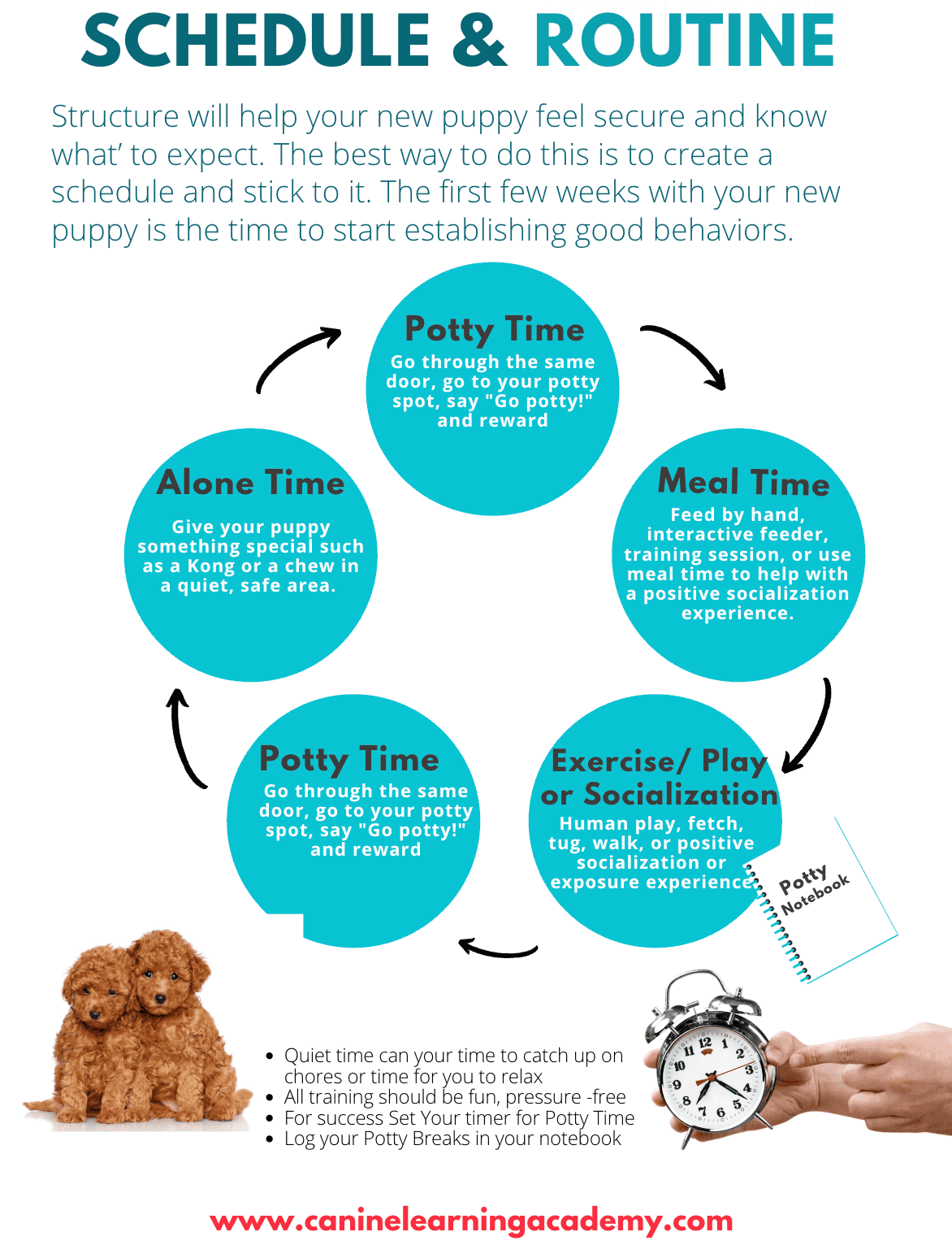
Creating a routine helps your puppy feel safe and learn faster. Dogs thrive on consistency. A steady daily plan guides their behavior and builds good habits. It also makes training easier for you.
Feeding Schedule
Feed your puppy at the same times every day. Choose two or three times that fit your lifestyle. Regular feeding helps control your puppy’s hunger and digestion. It also makes potty training more predictable. Avoid giving food outside these times to keep the schedule clear.
Regular Potty Breaks
Take your puppy outside often, especially after eating and sleeping. Set specific times for potty breaks, like every one to two hours. Consistent potty trips teach your puppy where to go. Watch for signs like sniffing or circling. Quick trips outside reduce accidents inside the house.
Using Crate Training
Crate training is a helpful tool for house training puppies. It gives your puppy a safe space to rest and learn good habits. Using a crate can reduce accidents in the house and make your puppy feel secure.
With patience and care, your puppy will see the crate as a cozy den. This helps them stay calm and confident while learning new rules.
Selecting The Right Crate
Choose a crate that fits your puppy’s size. It should be big enough to stand, turn, and lie down comfortably. Avoid crates that are too large. Puppies may use extra space as a bathroom spot.
Look for a crate with good ventilation and a secure door. Plastic or wire crates work well. The crate should be easy to clean and safe for your puppy.
Making The Crate Comfortable
Add a soft blanket or bed inside the crate. This makes the space warm and inviting. Place a few safe toys to keep your puppy entertained.
Keep the crate in a quiet area but near your family. Your puppy will feel less lonely and more at ease. Avoid placing the crate in direct sunlight or cold spots.
Positive Reinforcement Techniques
Positive reinforcement is a gentle and effective way to train your puppy at home. It means giving your puppy something good when they do the right thing. This helps your puppy learn faster and feel happy during training. Using kind rewards builds trust and encourages good habits.
Positive reinforcement focuses on praising and rewarding good actions. This method avoids fear and confusion. It makes training a fun experience for both you and your puppy. Consistency and patience are key to success with this technique.
Rewarding Good Behavior
Give treats or praise immediately after your puppy does something right. Use small, tasty treats your puppy loves. Verbal praise like “good dog” works well too. Timing is important. Reward your puppy within seconds of the good action. This helps them link the reward to the behavior. Repeat often to reinforce the lesson. Use toys or playtime as rewards too. Each puppy prefers different rewards. Watch what motivates your puppy most.
Avoiding Punishment
Do not yell or hit your puppy for mistakes. Punishment can scare your puppy and slow learning. It may cause your puppy to hide or avoid you. Focus on guiding your puppy gently instead. Ignore bad behavior when possible. Redirect your puppy to the right action calmly. Use rewards to encourage good habits. Patience and kindness build a strong bond. Training should be positive and stress-free.
Recognizing Signs And Signals
Recognizing your puppy’s signs and signals is key to house training success. Puppies cannot tell you when they need to go outside. Watching their behavior helps you know when it’s time for a potty break.
Early recognition prevents many accidents in the house. It builds trust between you and your puppy. Learning these signals also creates a smoother training process.
Common Puppy Behaviors
Puppies sniff the floor a lot before going potty. They may circle around in a small area. Whining or scratching at the door shows they want outside. Some puppies pace back and forth nervously. These actions mean your puppy needs to go out soon.
Watch closely for sudden stops in play. Sometimes puppies freeze or squat briefly. These are clear signs your puppy needs a bathroom break.
Preventing Accidents
Take your puppy outside often, especially after eating or sleeping. Watch for the behaviors mentioned above. Act quickly when you see these signals. Praise your puppy after they go potty outside. This teaches good habits faster.
Use a consistent potty spot to help your puppy understand where to go. Stay calm and patient if accidents happen. Clean the area well to remove smells. This stops your puppy from returning to the same spot.
Cleaning Up Accidents
Cleaning up puppy accidents is part of house training. Quick and proper cleaning helps stop repeat mistakes. It also keeps your home fresh and safe. Use the right techniques to clean well. This helps your puppy learn faster.
Effective Cleaning Methods
Start by blotting up urine with paper towels. Press gently to soak it all. Avoid rubbing as it spreads the stain. Use a pet-safe cleaner to wash the area. Enzyme-based cleaners work best to break down stains. Follow product instructions for best results. Let the spot dry completely before allowing your puppy near.
Removing Odors Completely
Bad smells attract puppies back to the same spot. Use odor neutralizers, not just air fresheners. Vinegar and water mix can help remove smells. Spray the area lightly and let it sit. Baking soda also absorbs odors well. Sprinkle it on dry spots, wait, then vacuum. Repeat cleaning if the smell lingers. A clean scent-free area stops repeats and aids training.
Handling Setbacks
Setbacks in puppy house training are common. Puppies learn at their own pace. Sometimes accidents happen despite your best efforts. Handling these moments calmly helps your puppy learn better. Stay focused on progress, not perfection.
Staying Patient
Patience is key during setbacks. Puppies do not understand rules right away. They need time to adjust to new routines. Getting upset can confuse your puppy. Speak softly and stay calm. Reward good behavior to encourage learning. Remember, every puppy has good days and bad days.
Adjusting Strategies
Sometimes a training method does not work well. Watch your puppy’s behavior closely. Try changing the schedule or rewards. Use shorter training sessions to keep focus. Consistency is important, but flexibility helps too. Find what motivates your puppy most. Adjust your plan to fit your puppy’s needs.
Involving Family Members
Training a puppy is a team effort. Involving all family members helps the puppy learn faster. Each person plays a role in teaching good habits. Consistency and clear communication are key. Everyone should use the same words and routines.
Consistent Commands
Use the same words for commands. For example, say “sit” or “stay” and not different phrases. This helps the puppy understand what to do. Confusing words slow down training. Agree on simple commands and stick to them.
Shared Responsibilities
Divide training tasks among family members. One person can handle feeding times. Another can lead bathroom breaks. This creates a routine for the puppy. It also prevents confusion about who does what. Shared duties help the puppy trust all family members.
When To Seek Professional Help
Training a puppy can be challenging. Sometimes, issues arise that feel too hard to fix alone. Knowing when to seek professional help can save time and stress. Experts can offer guidance tailored to your puppy’s needs. Recognizing the signs helps you decide the right moment for help.
Identifying Persistent Issues
Some problems continue despite your efforts. Your puppy may still have accidents inside the house. Biting or chewing might not stop. The puppy could show fear or aggression. These issues can affect your daily life. They might also harm your puppy’s well-being. Persistent problems often need expert advice. Professionals can find the root cause quickly. Early help can prevent worse behavior later.
Choosing The Right Trainer
Not all trainers are the same. Look for someone with good experience in puppy training. Check if they use kind and positive methods. Avoid trainers who use harsh punishments. Find trainers with good reviews and recommendations. A good trainer explains steps clearly. They show you how to work with your puppy. Choose someone who understands your puppy’s breed and age. The right trainer makes training easier and more fun.
Credit: caninelearningacademy.com

Credit: petcareadvisorusa.com
Frequently Asked Questions
How Long Does Puppy House Training Usually Take?
Puppy house training typically takes 4 to 6 months. Consistency, patience, and positive reinforcement speed up the process. Every puppy learns at its own pace, so some may take longer than others.
What Are The Best Methods For Puppy House Training?
The best methods include crate training, regular potty breaks, and rewarding good behavior. Use consistent commands and supervise your puppy closely. Positive reinforcement encourages quick learning and reduces accidents.
How Often Should I Take My Puppy Outside To Potty?
Take your puppy outside every 1 to 2 hours, especially after eating, drinking, or waking up. Frequent trips prevent accidents and help establish a reliable routine. Consistency is key for effective house training.
What Common Mistakes Should Be Avoided During Puppy Training?
Avoid punishing accidents, inconsistent schedules, and neglecting praise. These mistakes can confuse your puppy and slow training progress. Patience and positive reinforcement lead to better outcomes.
Conclusion
Training your puppy takes time and patience. Small steps lead to big progress. Stay consistent with routines and rewards. Watch your puppy learn and grow each day. Mistakes happen; keep calm and keep trying. Celebrate every success, no matter how small.
A happy, well-trained puppy makes life better. Enjoy this special journey with your new friend.


