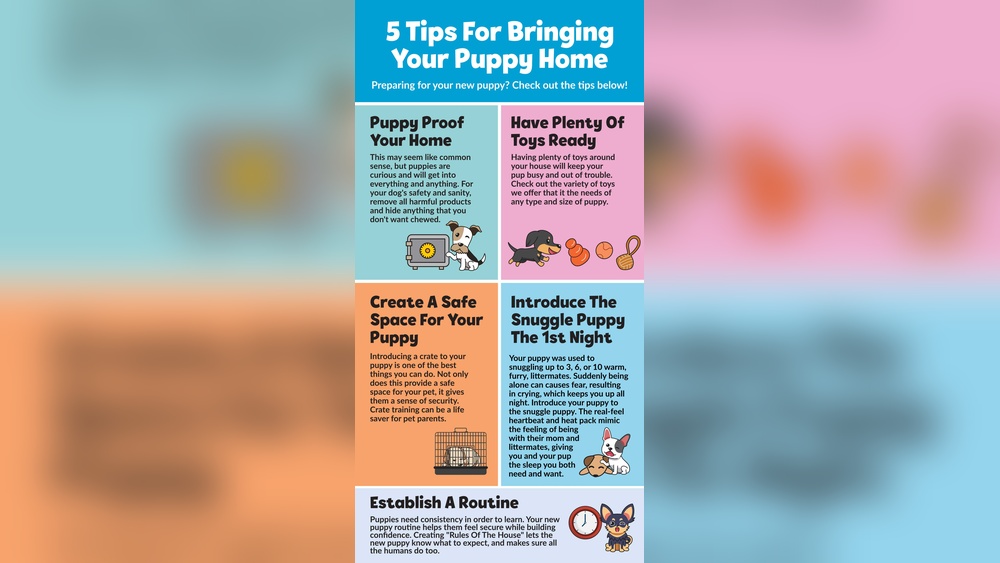
Bringing home a 6 week old puppy is an exciting time, but it can also feel overwhelming. You want to give your new furry friend the best start possible, but where do you begin?
With the right tips, you can make sure your puppy grows up happy, healthy, and well-behaved. This guide will help you understand exactly what your little pup needs in these crucial early weeks. Keep reading, and you’ll discover simple steps that make a big difference for both you and your puppy.
Feeding Your 6 Week Old Puppy
Feeding your 6 week old puppy is very important for healthy growth. At this age, puppies start eating solid food but still need gentle care. Proper feeding helps build strong bones, muscles, and a healthy immune system. It also sets good habits for life.
Choosing the right food and feeding the right amount keeps your puppy happy and active. Careful feeding supports their fast growth and changing needs. This guide explains how to feed your young puppy well.
Choosing The Right Puppy Food
Pick a puppy food made for small, growing dogs. It should have high protein and fat levels. Look for food with natural ingredients and no fillers. Avoid foods with artificial colors or flavors. Wet or dry food both work well. Choose a brand trusted by vets and pet owners.
Feeding Schedule And Portions
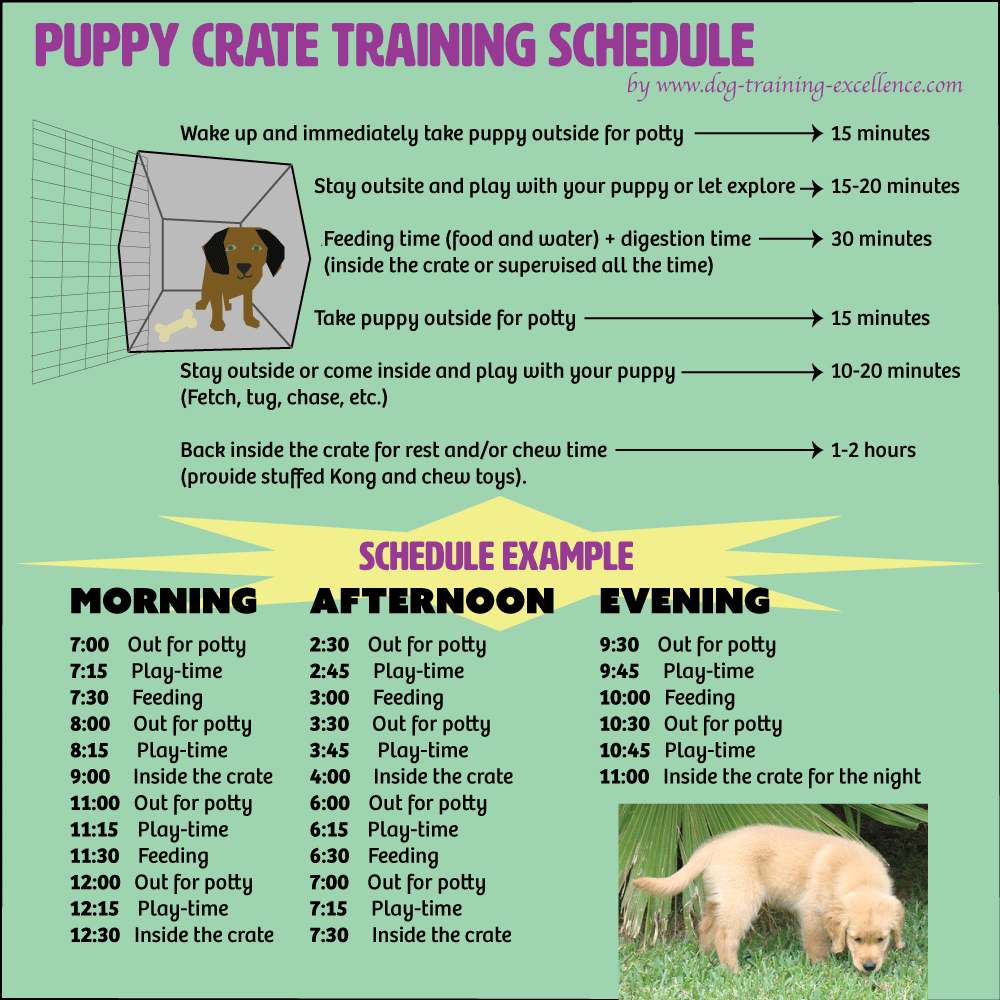
Feed your puppy four small meals every day. This keeps their energy steady and digestion smooth. Measure portions carefully based on the food package or vet advice. Do not overfeed to avoid weight problems. Fresh water must always be available. Watch your puppy’s appetite and weight closely.
Transitioning From Mother’s Milk
At six weeks, puppies slowly eat less milk and more solid food. Mix puppy food with warm water to make it soft. Offer this mixture several times a day. Gradually reduce the water to help the puppy adjust. Monitor for any stomach upset or refusal to eat. Be patient and gentle during this change.

Credit: www.howtotrainadreamdog.com
Creating A Safe Space
Creating a safe space helps your 6-week-old puppy feel calm and secure. It sets the foundation for good behavior and healthy growth. A safe space protects your puppy from harm and keeps your home organized. Focus on making this area cozy, secure, and puppy-friendly.
Puppy-proofing Your Home
Remove small objects that your puppy can swallow. Hide electrical cords and keep them out of reach. Block off stairs and dangerous areas with baby gates. Store cleaning supplies and chemicals in locked cabinets. Check for sharp edges or loose items around the floor. A safe home prevents accidents and stress for your puppy.
Setting Up A Comfortable Crate
Choose a crate large enough for your puppy to stand and turn. Add soft bedding to make it cozy and warm. Place the crate in a quiet spot, away from loud noises. Introduce the crate slowly with treats and gentle praise. A crate becomes your puppy’s safe den and helps with house training.
Safe Toys And Chewing Options
Pick toys made from non-toxic materials and no small parts. Choose chew toys that match your puppy’s size and chewing strength. Rotate toys to keep your puppy interested and prevent boredom. Avoid toys that can break easily or cause choking. Safe toys protect teeth and support healthy play habits.
Health And Vet Care
Taking care of a 6 week old puppy’s health is very important. Early vet visits help catch problems fast. Good health habits now build a strong, happy dog. Puppies need special care to grow well and stay safe from diseases. This section covers key tips for health and vet care.
Scheduling First Vet Visits
Book your puppy’s first vet visit soon after bringing it home. The vet checks overall health and looks for any issues. This visit is a chance to ask questions about feeding, care, and training. Regular check-ups keep your puppy on a healthy track. Write down the vet’s advice and follow it carefully.
Vaccinations And Deworming
Puppies need vaccines to protect against common diseases. Your vet will make a vaccination schedule. Deworming is also crucial to remove harmful parasites. Follow the vet’s recommended timing for shots and deworming pills. These steps keep your puppy safe and healthy.
Monitoring Puppy Health
Watch your puppy every day for signs of illness. Check for coughing, sneezing, or unusual behavior. Healthy puppies eat well and stay active. Any changes in appetite or energy should be reported to the vet. Early action helps prevent serious health problems.

Credit: www.reddit.com
Training Basics
Training your 6 week old puppy starts with simple, clear steps. This age is perfect for building good habits and creating a strong bond. Keep training sessions short and fun. Use gentle praise and treats to encourage your puppy.
Focus on three main areas: potty training, socialization, and basic commands. Each area helps your puppy learn how to behave and feel safe in new situations. Consistency and patience are key throughout this process.
Potty Training Tips
Begin potty training by setting a regular schedule. Take your puppy outside often, especially after eating or sleeping. Choose a specific spot for bathroom breaks. Praise your puppy immediately after they go in the right place. Watch for signs like sniffing or circling to know when they need to go. Clean accidents with an enzyme cleaner to avoid repeats.
Socialization With People And Pets
Expose your puppy to different people gently and calmly. Let them meet adults and children in safe environments. Introduce other vaccinated pets slowly to avoid fear. Use treats and soft words to create positive experiences. Early socialization helps your puppy grow confident and friendly.
Basic Commands To Start
Teach simple commands like “sit,” “stay,” and “come” using treats. Use a calm voice and clear hand signals. Keep training sessions short, about 5 minutes. Repeat commands regularly but avoid overwhelming your puppy. Reward good behavior immediately to help learning.
Exercise And Playtime
Exercise and playtime are very important for a 6-week-old puppy. These activities help build muscles and improve coordination. Play also teaches social skills and keeps your puppy happy. It is best to keep play sessions short and gentle. Puppies at this age tire quickly and need plenty of rest. A balance of exercise and rest helps your puppy grow strong and healthy.
Age-appropriate Activities
Choose activities that match your puppy’s small size and energy. Soft toys and gentle tug games work well. Short walks around the house or yard let your puppy explore safely. Avoid rough play or fast running. Let your puppy discover new sounds and sights. These simple activities support mental and physical growth.
Encouraging Healthy Play
Use toys that are safe and easy to chew. Praise your puppy with a gentle voice during play. Show patience as your puppy learns new skills. Play with your puppy often to build trust. Avoid forcing your puppy to play if it seems tired or scared. Healthy play builds a good bond and keeps your puppy interested.
Avoiding Overexertion
Watch for signs of tiredness, such as yawning or slowing down. Stop playtime if your puppy pants heavily or lies down. Too much exercise can cause stress and injury. Puppies need many naps to grow properly. Keep play sessions short, about 5 to 10 minutes. Let your puppy rest and recover before the next playtime.
Credit: www.louisesims.co.uk
Grooming Essentials
Grooming is important for a 6-week-old puppy’s health and happiness. It helps keep their coat clean and skin healthy. Early grooming also builds trust and comfort between you and your puppy. Start gently and make grooming a positive experience. Use soft tools made for puppies and be patient.
Bathing And Brushing
Use a mild puppy shampoo to protect their delicate skin. Bath your puppy only when needed, about once a month. Keep water warm and use a cup to rinse slowly. Dry them with a soft towel and keep them warm after.
Brush your puppy’s fur daily with a soft brush. Brushing removes dirt and loose fur. It also stops tangles and mats. Be gentle and use small strokes to avoid hurting your puppy.
Nail Trimming Tips
Trim your puppy’s nails carefully to avoid pain. Use small, sharp nail clippers designed for puppies. Cut only the tip of each nail to avoid the quick. If unsure, trim little by little.
Keep your puppy calm and hold their paw firmly. Praise and reward them to make nail trimming easier. Regular trims prevent nails from growing too long and causing discomfort.
Ear And Teeth Care
Check your puppy’s ears weekly for dirt or bad smell. Use a damp cotton ball to clean only the outer ear. Avoid inserting anything deep inside to prevent injury.
Start brushing your puppy’s teeth early. Use a puppy toothbrush and toothpaste made for dogs. Brush gently in small circles to keep teeth clean and gums healthy. This helps prevent bad breath and dental problems.
Frequently Asked Questions
How Do I Care For A 6 Week Old Puppy?
At 6 weeks, puppies need gentle handling, proper nutrition, and a warm environment. Start socializing them and introduce basic potty training.
What Should I Feed A 6 Week Old Puppy?
Feed high-quality puppy food formulated for their age. Offer small, frequent meals to support their rapid growth and development.
How Often Should A 6 Week Old Puppy Be Fed?
Feed your puppy 4 times daily. Frequent meals help maintain their energy and support healthy digestion.
When Should I Start Training My 6 Week Old Puppy?
Begin simple training sessions at 6 weeks. Use positive reinforcement to teach basic commands and encourage good behavior early.
Conclusion
Caring for a 6-week-old puppy takes patience and love. Start with gentle handling and lots of rest. Feed small meals often to keep energy up. Begin simple training to build good habits early. Watch for signs of illness and visit the vet.
Socialize your puppy with people and pets safely. These steps help your puppy grow strong and happy. Enjoy this special time—it goes by fast!