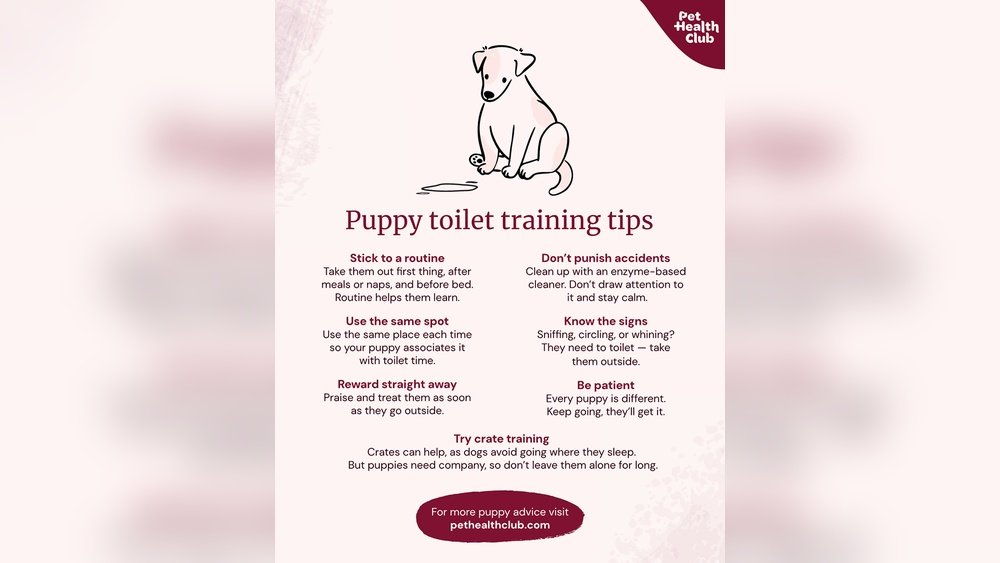
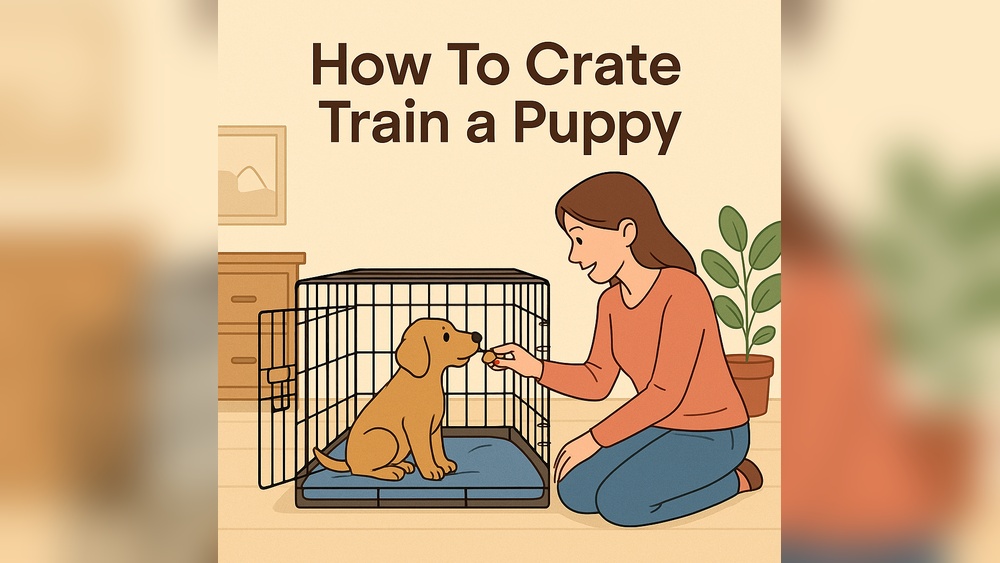
Bringing a new puppy into your home is exciting, but toilet training can quickly become a challenge. If you’re tired of cleaning up messes and want your puppy to learn good habits fast, you’re in the right place.
This guide will share simple, effective puppy toilet training tips that anyone can follow. By the end, you’ll have the tools to make accidents rare and enjoy a cleaner, happier home with your furry friend. Keep reading to discover how to make toilet training easier for both you and your puppy!
Choosing The Right Spot
Choosing the right spot for puppy toilet training is very important. Puppies learn faster when the place is clear and easy to find. This helps them know where to go every time they need to relieve themselves. Picking a good spot makes training smoother and less stressful for both you and your puppy.
Think about where you want your puppy to go. The spot should be quiet and safe. It should also be easy for your puppy to reach. A good spot helps your puppy feel comfortable and confident during toilet training.
Indoor Vs Outdoor Areas
Decide if your puppy will go indoors or outdoors. Some homes have space for outdoor training. Others use indoor pads or litter boxes. Outdoor areas give puppies fresh air and natural scents. This helps them learn faster.
Indoor spots work well for small spaces or bad weather. Choose a spot away from food and play areas. Keep the place clean and smell-free. This keeps your puppy happy and healthy.
Consistency In Location
Always use the same spot for toilet training. Puppies learn by routine. Changing the spot confuses them. This can cause accidents inside the house.
Take your puppy to the chosen spot every time. Praise them when they go there. This builds good habits and trust. Consistency makes training easier and faster.
Establishing A Routine
Establishing a routine is the key to successful puppy toilet training. Puppies learn best through consistency and repetition. A clear daily schedule helps your puppy understand when it is time to eat, play, and go outside. This structure reduces accidents and builds good habits quickly.
Feeding Schedules
Set specific times for feeding your puppy each day. Feeding at the same times helps control when your puppy needs to go to the bathroom. Avoid free feeding or leaving food out all day. Measure the food portions to keep meals consistent. This predictability makes it easier to plan bathroom breaks.
Regular Bathroom Breaks
Take your puppy outside regularly, especially after meals, naps, and playtime. Aim for bathroom breaks every 1-2 hours during the day. Watch for signs your puppy needs to go, like sniffing or circling. Praise your puppy immediately after they go outside. Regular breaks and positive feedback teach your puppy where to go.
Recognizing Puppy Signals
Recognizing your puppy’s signals is key to successful toilet training. Puppies cannot speak, but they use body language to tell you they need to go. Watching closely helps you understand these signs. This helps prevent accidents and speeds up training.
Every puppy shows signals in different ways. Some are easy to spot, others are subtle. Paying attention to your puppy’s behavior builds trust. It also makes training smoother and less stressful for both of you.
Common Signs Before Elimination
Puppies often sniff the ground or circle before going. They may suddenly stop playing and look restless. Some start whining or scratching near the door. Others may squat or lower their body. Watching for these signs helps you act fast.
Responding Quickly
Act immediately when you see your puppy’s signals. Take them to the designated toilet spot right away. Praise and reward your puppy after they go outside. Quick responses teach your puppy where to go. This makes toilet training faster and easier.

Credit: coziwow.com
Positive Reinforcement Techniques
Positive reinforcement is a kind way to teach your puppy good bathroom habits. It helps your puppy learn what you want without fear or confusion. Your puppy feels happy and safe. This makes training faster and more fun for both of you.
Using rewards to encourage your puppy shows them which behaviors please you. Patience and consistency are important. Celebrate every small success. This builds your puppy’s confidence and trust.
Using Treats And Praise
Treats are a strong motivator for puppies. Give a small, tasty treat right after your puppy goes potty outside. This helps them connect the reward to the action. Use calm, happy words like “Good job!” or “Well done!”
Combine treats with gentle petting or a cheerful tone. Puppies love attention and praise. This makes them want to repeat the right behavior. Avoid scolding or punishment. It can scare your puppy and slow learning.
Timing Rewards Effectively
Give rewards immediately after your puppy finishes going potty. Delays can confuse your puppy. They might not link the treat to the right action. Keep treats handy during training times.
Watch your puppy closely to catch the right moment. Quick rewards help your puppy learn faster. Over time, you can reduce treats and use praise more often. This keeps your puppy motivated without overfeeding.
Handling Accidents Calmly
Accidents happen during puppy toilet training. Staying calm helps your puppy learn faster. Reacting with anger can confuse your puppy. A calm approach builds trust and good habits. Patience is key to successful training.
Cleaning Without Punishment
Use gentle cleaners to remove puppy messes. Avoid harsh chemicals that harm your puppy’s nose. Clean the area thoroughly to remove all smells. This stops your puppy from going there again. Never rub your puppy’s nose in the accident. It can scare and confuse your puppy.
Preventing Repeat Incidents
Watch your puppy closely after accidents. Take your puppy outside often to the right spot. Praise your puppy when it goes outside. Create a regular feeding and bathroom schedule. This helps your puppy know when to go. Close doors to limit your puppy’s roaming space. Use puppy pads if needed during training. Consistency helps your puppy learn faster and better.

Credit: love-your-dog-training.squarespace.com
Using Training Tools
Training tools help puppies learn where to go potty. These tools create clear boundaries and safe spaces. They guide puppies to develop good habits quickly. Using the right tools reduces accidents inside your home. It also makes the training process less stressful.
Crates And Playpens
Crates give puppies a small, cozy space. Dogs usually avoid soiling their sleeping area. This natural instinct helps control bathroom habits. Playpens offer a larger area to move and play. Both tools keep puppies safe and contained. They prevent wandering that leads to accidents. Use crates and playpens with positive praise. This builds comfort and trust in your puppy.
Pee Pads And Litter Boxes
Pee pads are soft mats that absorb urine. Place them in a quiet, easy spot. Puppies learn to go on the pads instead of floors. Litter boxes work well for small or indoor dogs. Fill boxes with special dog litter or grass pads. Clean pads and boxes often to avoid smells. Reward puppies for using these tools correctly. This encourages good bathroom habits indoors.
Common Challenges And Solutions
Toilet training a puppy can be tricky. Challenges often arise that test your patience and creativity. Understanding these common hurdles helps you solve them faster. This section covers typical problems and practical solutions for your puppy’s toilet training journey.
Dealing With Stubborn Puppies
Some puppies refuse to follow toilet rules at first. They may ignore commands or avoid the designated spot. Stay calm and consistent. Use gentle praise when they do well. Avoid punishment; it creates fear and confusion.
Keep a regular schedule for feeding and bathroom breaks. Puppies learn better with routine. Use a specific word or phrase for toilet time. Repeat it every time you take them out. This builds a clear connection in their mind.
Adjusting For Different Breeds
Different breeds have unique toilet training needs. Small breeds may need more frequent breaks due to smaller bladders. Large breeds might take longer to control their bladder muscles. Tailor your training pace to your puppy’s breed size.
Some breeds are more sensitive or nervous. Use calm tones and positive encouragement to build trust. Research your puppy’s breed traits. This knowledge helps set realistic training goals and expectations.

Credit: m.youtube.com
Frequently Asked Questions
How Long Does Puppy Toilet Training Usually Take?
Puppy toilet training typically takes 4 to 6 months. Consistency and patience are key. Some puppies learn faster based on breed and age.
What Are The Best Puppy Toilet Training Methods?
Use positive reinforcement, regular potty breaks, and crate training. Reward good behavior with treats and praise. Avoid punishment to encourage learning.
How Often Should I Take My Puppy Outside?
Take your puppy outside every 1 to 2 hours. Also, after meals, naps, and playtime. Frequent trips help prevent accidents and build good habits.
What Signs Indicate My Puppy Needs To Go Potty?
Look for sniffing, circling, whining, or sudden restlessness. These behaviors signal your puppy needs a bathroom break. Prompt action reduces accidents indoors.
Conclusion
Training a puppy to use the toilet takes time and patience. Stay consistent with your schedule and praise your puppy often. Small steps lead to big progress. Expect accidents but keep calm and try again. Clear communication helps your puppy learn faster.
Soon, your home will stay clean and fresh. Enjoy the journey with your new friend. Good habits start early and last a lifetime. Keep practicing, and success will come.