

Bringing a new puppy home is exciting, but potty training can feel overwhelming. You want your puppy to learn quickly, without accidents all over your floor.
What if you could get simple, effective tips that make potty training easier and less stressful—for both you and your furry friend? You’ll discover free puppy potty training tips that actually work. By following these straightforward steps, you’ll build good habits fast and enjoy more happy moments with your puppy.
Keep reading to find out how to make potty training smooth and successful from day one.
Credit: www.akc.org
Choosing The Right Potty Spot
Choosing the right potty spot is key to successful puppy training. Puppies learn faster when they have a clear place to go. The spot should be easy to access and safe for your puppy.
Pick a potty spot that fits your home and lifestyle. This helps your puppy understand where to go. Clear boundaries make training smoother and less confusing.
Indoor Vs Outdoor Options
Some owners prefer indoor potty spots, like pee pads or indoor grass patches. These work well for small spaces or bad weather. Indoor spots keep your puppy close and safe.
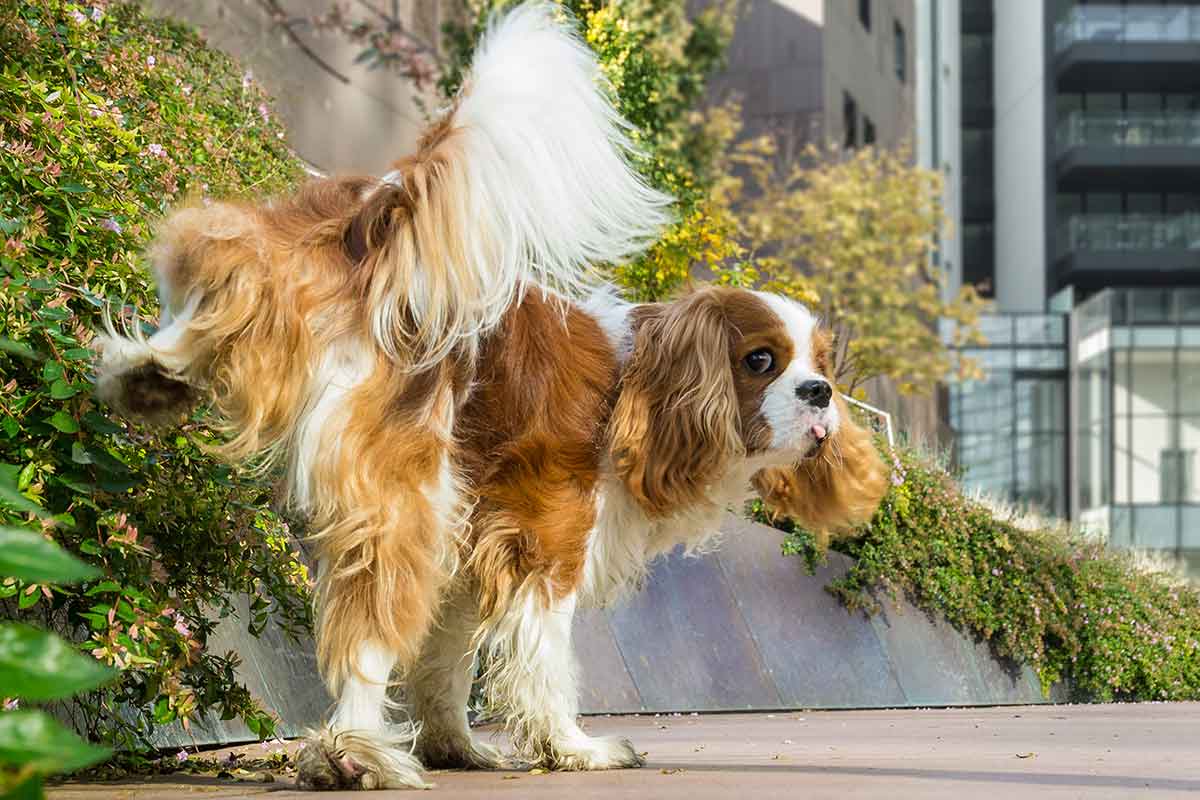
Outdoor spots give puppies fresh air and space to move. Choose a quiet, consistent area outside. Outdoor potty spots help puppies get used to the natural environment.
Consistency In Location
Use the same potty spot every time. Puppies remember places by smell and routine. Changing spots can confuse your puppy and slow training.
Stay patient and take your puppy to the spot often. Praise your puppy when it uses the right place. This builds good habits and trust.
Credit: www.thepuppyacademy.com
Setting A Potty Schedule
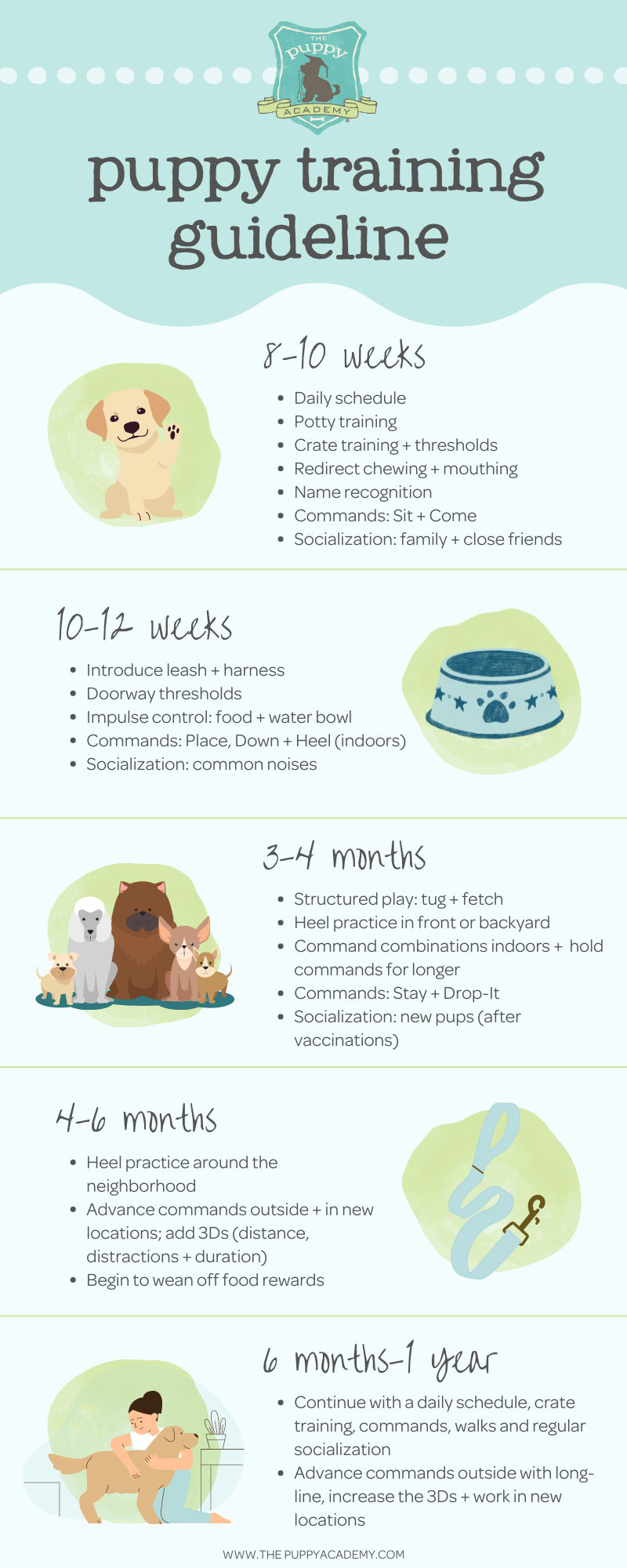
Setting a potty schedule helps your puppy learn fast. Puppies need regular times to eat and go outside. A clear routine makes potty training easier for both of you. It reduces accidents and builds good habits.
Start by planning when your puppy will eat and take bathroom breaks. Consistency is the key to success. Watch your puppy closely to see signs it needs to go.
Feeding And Bathroom Timings
Feed your puppy at the same times every day. This helps their body get used to a routine. After meals, take your puppy outside quickly. Most puppies need to go within 15 to 30 minutes after eating.
Take your puppy out first thing in the morning. Also, take breaks after naps and before bedtime. Regular bathroom trips lower the chance of accidents indoors.
Recognizing Puppy’s Signals
Watch for signs your puppy needs to go out. Sniffing, circling, or whining are common signals. Some puppies pace near the door or scratch it.
Learn your puppy’s signals to act fast. Take them outside right away. This helps your puppy connect the signal with going potty outside.
Using Crate Training Effectively
Using crate training is a smart way to help your puppy learn potty habits. It creates a small, safe space that your puppy will not want to soil. This method teaches control and patience. Crate training also helps prevent accidents in the house.
To use crate training well, you must pick the right crate size. You also need to keep crate time limits in mind. These steps make crate training easy and effective for your puppy.
Selecting The Right Crate Size
Choose a crate that fits your puppy comfortably. The crate should be big enough to stand, turn, and lie down. Not too large. Too much space can encourage accidents inside.
Measure your puppy’s height and length. Add a few inches for growth. This gives room to grow without extra space. A crate that fits well helps your puppy feel safe and secure.
Crate Time Limits
Limit crate time based on your puppy’s age. Puppies under six months should not stay longer than three to four hours. Longer time can cause discomfort and accidents.
Take your puppy out often for potty breaks. After meals, playtime, and naps. This teaches when and where to go potty. Gradually increase crate time as your puppy grows.
Positive Reinforcement Techniques
Positive reinforcement helps puppies learn good potty habits fast. It rewards the puppy for doing the right thing. This method builds trust and makes training fun. Puppies want to please you and repeat good behavior when rewarded.
Use treats and praise to encourage your puppy. Give rewards immediately after your puppy goes potty outside. This links the good action with a positive feeling. Consistency is key to success in potty training.
Treat Rewards
Small, tasty treats work best for potty training. Choose soft treats that your puppy loves. Give a treat right after your puppy finishes outside. This helps your puppy understand what behavior earns rewards.
Keep treats handy during walks or potty breaks. Avoid giving treats for accidents inside the house. Only reward the good potty spots to guide your puppy clearly. Treat rewards make learning fast and enjoyable.
Verbal Praise And Affection
Use a happy voice to praise your puppy. Say phrases like “Good job!” or “Well done!” right after your puppy goes potty outside. Your puppy will learn to associate your voice with success.
Pet and cuddle your puppy gently as a reward. Physical affection strengthens your bond and encourages good behavior. Avoid scolding or harsh words, which can confuse your puppy.
Positive words and touch motivate your puppy to repeat good potty habits. This helps build confidence and trust between you and your puppy.
Handling Accidents Calmly
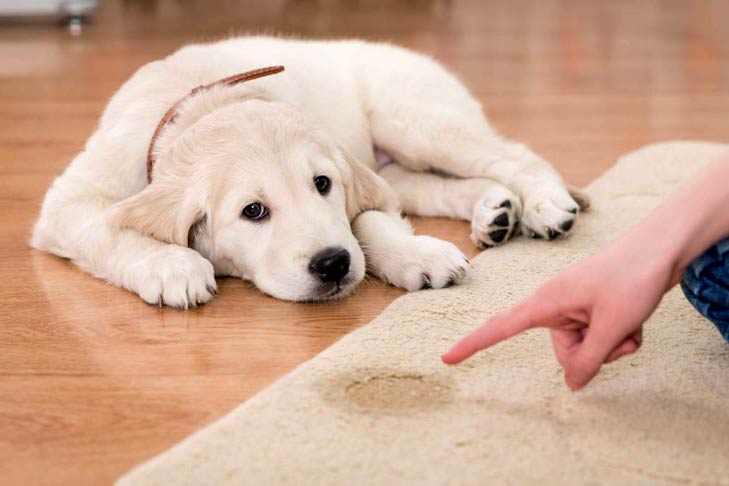
Handling accidents calmly is key to successful puppy potty training. Puppies are still learning where to go. Mistakes happen. Staying calm helps your puppy feel safe and learn faster.
Reacting with anger can scare your puppy. This slows training and causes stress. Patience and understanding build trust. Calm responses make accidents a natural part of learning.
Proper Cleaning Methods
Clean accidents quickly and thoroughly. Use an enzymatic cleaner to remove all odors. This stops your puppy from returning to the same spot. Avoid cleaners with ammonia. They smell like urine and confuse your puppy.
Blot the area with paper towels first. Then spray the cleaner and let it sit. Wipe up the cleaner after a few minutes. Proper cleaning keeps your home fresh and supports training.
Avoiding Punishment
Never punish your puppy for accidents. Puppies do not understand punishment. It can damage your relationship and cause fear. Instead, gently guide your puppy to the right spot.
Praise your puppy when they go outside. Positive reinforcement works better than punishment. Be patient and consistent. Your puppy will learn where to potty in time.
Common Challenges And Solutions
Potty training a puppy can be tricky. Many owners face common problems. These issues slow down progress and cause frustration. Understanding challenges helps find the right solutions. Patience and consistency make training easier and faster.
Dealing With Stubborn Puppies
Some puppies refuse to learn quickly. They may ignore commands or rush outside late. Stay calm and keep a routine. Use clear, gentle words and rewards. Avoid punishment as it can cause fear. Break training into small steps for better focus. Praise every success, no matter how small.
Adjusting Training For Different Breeds
Each dog breed has unique traits. Some breeds need more time to train. Small breeds often have tiny bladders. Frequent outdoor breaks help them avoid accidents. Larger breeds may learn faster but need more space. Study your puppy’s breed for best methods. Tailor training to fit their needs and habits.
Tools To Aid Potty Training
Potty training a puppy can be easier with the right tools. These tools help your puppy learn faster. They also make the process less stressful for both of you. Choosing the right aids can save time and keep your home clean. Here are some useful tools that support effective potty training.
Pee Pads And Training Mats
Pee pads are soft mats that absorb urine well. Place them where your puppy usually goes. They help teach your puppy where to pee safely. Training mats have special scents to attract puppies. They prevent accidents on your floors. Change the pads often to keep the area fresh. Use pads inside until your puppy is ready to go outside.
Alarm And Timer Devices
Alarm and timer devices remind you to take your puppy out. Set alarms for regular potty breaks. Puppies need to go often, especially after eating or sleeping. Timers help keep a steady schedule. Some devices beep or vibrate to alert you. They reduce missed potty times and accidents. Consistent timing helps your puppy learn faster.
Credit: www.fearfreehappyhomes.com
Frequently Asked Questions
How Long Does Puppy Potty Training Usually Take?
Puppy potty training typically takes 4 to 6 weeks. Consistency and patience are key. Some puppies learn faster, while others need more time.
What Is The Best Time To Start Potty Training A Puppy?
Start potty training as soon as you bring your puppy home. Early training helps establish good habits and prevents accidents.
How Often Should I Take My Puppy Outside To Potty?
Take your puppy outside every 1 to 2 hours. Also, go out after meals, naps, and playtime for best results.
What Are Common Mistakes In Puppy Potty Training?
Common mistakes include inconsistent schedules, punishing accidents, and lack of supervision. Avoid these to speed up training success.
Conclusion
Training your puppy takes time and patience. Consistency helps your puppy learn faster. Praise good behavior to encourage repeat actions. Clean accidents quickly to avoid confusion. Remember, every puppy learns at their own pace. Stay calm and positive through the process.
Soon, your puppy will understand where to go. Enjoy building a strong bond with your new friend. Small steps lead to big success in potty training. Keep trying—your efforts will pay off.


