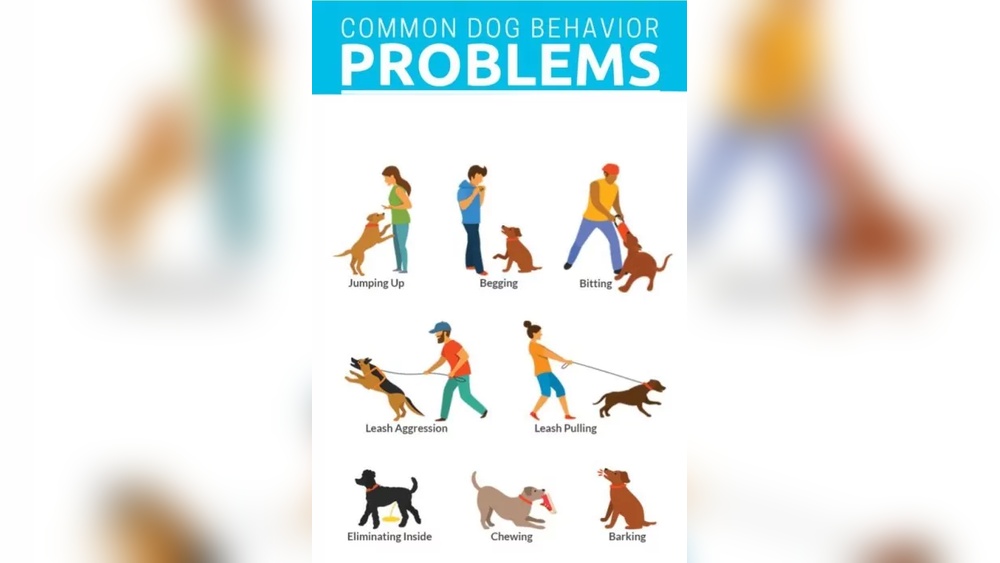
Training an older dog to walk calmly on a leash might seem challenging, but it’s more than possible—and rewarding. If your dog pulls, lunges, or gets nervous outside, this guide is made for you.
Imagine peaceful walks where your dog stays by your side, enjoying every step without frustration. You’ll learn simple, effective steps that fit your dog’s pace and personality. Keep reading, and discover how to turn every walk into a happy, stress-free experience for both you and your furry friend.
Credit: www.diggs.pet
Preparing Your Older Dog
Preparing your older dog for leash training is an important first step. Older dogs may have habits and fears that younger dogs do not. Taking time to prepare helps your dog feel safe and calm. This makes training easier and more effective. Understanding your dog’s personality and needs creates a positive experience.
Assessing Your Dog’s Temperament
Start by observing how your dog reacts to new things. Notice if your dog is calm or nervous around people and other dogs. Look for signs of fear or aggression. This helps you know what to expect during training. Be patient and gentle. Older dogs may need extra time to adjust.
Choosing The Right Leash And Collar
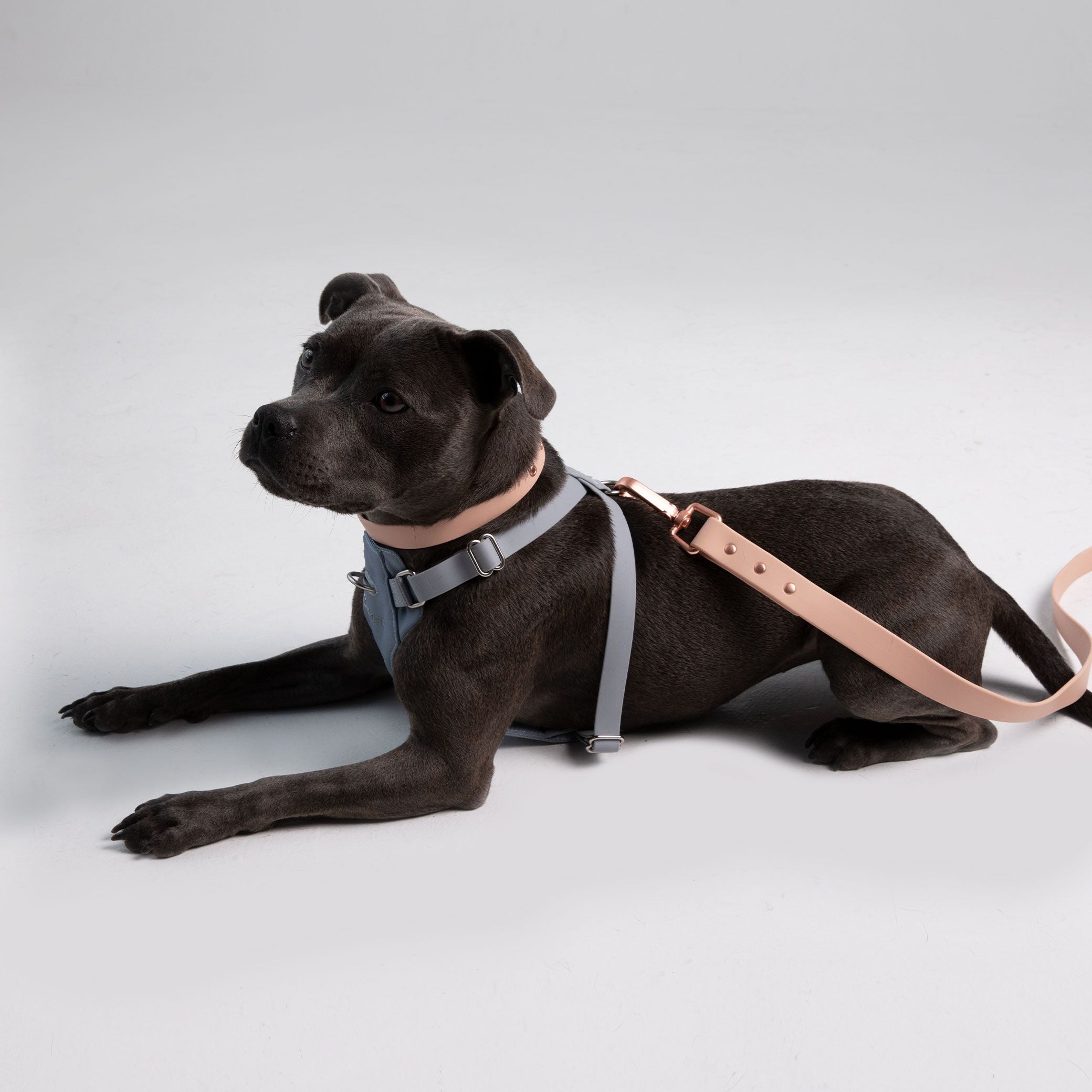
Select a leash and collar that fit your dog well. Avoid heavy or tight collars that can cause discomfort. A soft, adjustable collar is best. Use a leash that is strong but light. This helps your dog walk comfortably. Make sure the leash length allows control without pulling.
Creating A Comfortable Training Space
Pick a quiet and familiar area for training sessions. Avoid noisy or crowded places that may stress your dog. Use a flat surface with few distractions. Keep the space safe and free from hazards. A calm environment helps your dog focus and learn better.
Credit: www.adaptil.co.uk
Introducing The Leash
Introducing the leash to an older dog needs patience and care. Many dogs may not have used a leash before. The new feeling can be strange or scary. Helping your dog accept the leash is the first step. This step builds trust and makes walks more enjoyable.
Letting Your Dog Get Used To The Leash
Start by showing the leash without putting it on. Let your dog sniff and explore it. Hold the leash while your dog moves freely. This helps your dog see the leash as normal. Gradually, place the leash on your dog for short times. Watch your dog’s reaction and stay calm. Do this inside your home first. This safe space lowers stress and builds comfort.
Using Positive Reinforcement
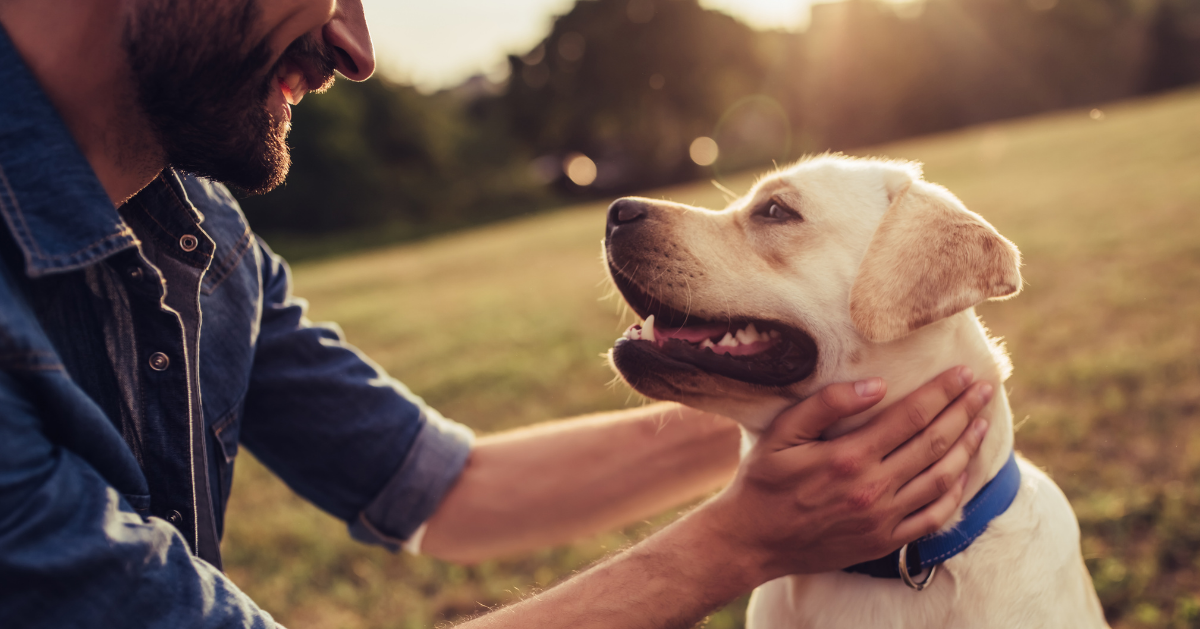
Give treats and praise when your dog stays calm with the leash. Reward every small step of progress. This makes your dog want to wear the leash. Use gentle words and petting as well. Avoid pulling or forcing the leash on your dog. Positive experiences create a strong bond. Leash time becomes fun, not scary.
Basic Leash Training Techniques
Basic leash training helps your dog walk calmly and safely. Older dogs need clear, simple lessons. Start with small steps and keep training short. Consistency is key. Praise your dog for good behavior. Use treats to motivate and guide them. Patience and kindness make training effective.
Teaching Heel Position
Teach your dog to walk close to your side. Hold the leash short but loose. Use a treat near your leg to guide your dog. Say “heel” and start walking slowly. Reward your dog when they stay beside you. Stop and wait if your dog moves ahead. Repeat these steps often for better results.
Encouraging Walking Without Pulling
Pulling makes walks hard and unsafe. Stop walking if your dog pulls. Wait until the leash is loose again. Use treats to keep your dog close. Praise your dog for walking calmly. Change direction if your dog pulls. This teaches your dog to watch you.
Handling Distractions
Distractions make training harder. Start in quiet places with few distractions. Use treats and praise to keep your dog focused. Gradually add distractions like other people or dogs. Stay calm and patient if your dog gets distracted. Reward your dog when they ignore distractions. Practice often to improve focus during walks.
Dealing With Common Challenges
Leash training an older dog can bring unique challenges. Dogs may have habits or fears formed over years. Patience and understanding help overcome these issues. This section focuses on common challenges and ways to handle them effectively.
Managing Fear Or Anxiety
Older dogs may feel scared of the leash or new surroundings. Start slowly by letting your dog see and sniff the leash. Use calm, gentle tones during training sessions. Keep sessions short to avoid overwhelming your dog. Reward calm behavior with treats or praise. Avoid pulling or forcing the dog. Create a safe and positive experience with the leash.
Addressing Stubborn Behavior
Some older dogs resist leash training due to habits or past experiences. Use firm but gentle commands. Be consistent with your training methods every day. Break training into small, manageable steps. Reward progress, even small improvements. Avoid punishment or harsh corrections. Respect your dog’s pace and offer encouragement often.
Building Patience And Consistency
Patience is key when training an older dog. Practice leash training regularly at the same time daily. Consistent routines help dogs learn faster. Stay calm and positive, even if progress is slow. Celebrate small wins to keep motivation high. Remember, older dogs need time to adjust and trust. Your steady approach builds a strong bond.
Advanced Tips For Success
Advanced leash training can make walks more pleasant for you and your older dog. This stage builds on basic skills. It helps your dog stay calm and focused during longer walks. You can teach your dog to follow commands while on a leash. Keeping training steady over time is very important. These tips help keep your dog safe and happy outdoors.
Increasing Walk Duration Gradually
Start with short walks of five to ten minutes. Add a few minutes every day or two. Watch your dog’s energy and comfort levels closely. Stop if your dog shows signs of tiredness or stress. Gradual increase helps your dog adjust without feeling overwhelmed. This approach builds endurance and confidence on the leash.
Incorporating Commands
Use simple commands like “heel,” “sit,” and “stay” during walks. Practice these commands in quiet areas first. Reward your dog with treats or praise for obeying. Repeat commands calmly and clearly. Commands help guide your dog’s behavior and keep walks safe. Training with commands strengthens your bond.
Maintaining Training Over Time
Consistency is key to lasting leash training success. Practice walks regularly to keep skills sharp. Use the same leash and commands each time. Avoid long breaks in training to prevent bad habits. Praise your dog often to encourage good behavior. Ongoing training builds trust and good manners on walks.
Credit: www.chewy.com
Frequently Asked Questions
How Long Does Leash Training Take For Older Dogs?
Leash training duration varies by dog’s age and temperament. Most older dogs learn within 2 to 4 weeks with consistent practice. Patience and positive reinforcement speed up the process. Short, daily training sessions yield the best results in teaching leash manners.
What Are Common Leash Training Mistakes With Older Dogs?
Common mistakes include rushing the process, using harsh corrections, and inconsistent training. Avoid pulling or forcing the dog on the leash. Negative experiences can cause fear or resistance. Focus on gentle encouragement and patience for successful leash training.
Can Older Dogs Learn Leash Walking As Well As Puppies?
Yes, older dogs can learn leash walking effectively. They might need more patience and repetition. Older dogs benefit from clear commands and positive reinforcement. Training adapts to their pace, ensuring enjoyable walks for both dog and owner.
What Equipment Is Best For Leash Training Older Dogs?
Use a well-fitted harness or flat collar for comfort and control. Avoid choke chains or prong collars, which can harm older dogs. A sturdy, non-retractable leash of 4 to 6 feet is ideal for training. Proper equipment supports safe, stress-free walks.
Conclusion
Leash training an older dog takes time and patience. Keep sessions short and positive. Use treats and praise to encourage good behavior. Stay calm and consistent every day. Remember, every dog learns at their own pace. Celebrate small wins along the way.
Soon, walks will become easier and more enjoyable. Your bond with your dog will grow stronger too. Keep practicing, and you will see great progress. Training can be a fun journey for both of you.