

Are you worried that feeding your puppy adult dog food might cause diarrhea? You’re not alone.
Many pet owners wonder if switching to adult dog food too soon can upset their puppy’s tummy. Your puppy’s digestive system is still delicate, and what you feed them matters a lot. You’ll discover why adult dog food could lead to diarrhea and what you can do to keep your puppy healthy and happy.
Keep reading to learn the simple steps that can protect your furry friend from tummy troubles.
Credit: www.houndsy.com
Puppy Digestion Basics
Puppy digestion is different from adult dogs. Their stomachs are smaller and more sensitive. This means what they eat affects them a lot. Understanding how a puppy’s digestive system works helps avoid problems like diarrhea.
Feeding puppies the right food supports their growth and keeps their stomachs calm. The right diet provides energy and nutrients needed for strong bones and muscles. It also protects their digestion from upset and illness.
Differences Between Puppy And Adult Stomachs
Puppy stomachs are smaller and less acidic than adult dogs’. This makes it harder to digest some foods. Their gut bacteria are also different, helping break down milk and soft food. Adult dog food is richer and harder to digest for puppies.
Puppies need gentle food that is easy on their stomachs. Adult dog food can cause stomach upset and diarrhea. Their digestive systems are still developing and not ready for adult food ingredients.
Nutritional Needs Of Puppies
Puppies need more protein and fat than adult dogs. These nutrients help build muscles and support brain growth. They also need vitamins and minerals for healthy bones and immune systems.
Adult dog food often lacks the extra nutrients puppies need. It may not have enough calories or the right balance of nutrients. Feeding puppies the right food helps them grow strong and healthy without digestion problems.
Adult Dog Food Ingredients
Adult dog food contains ingredients tailored for mature dogs. These ingredients support their energy needs and health. Puppies have different nutritional requirements. Their digestive systems are still developing and more sensitive. Understanding adult dog food ingredients helps explain why puppies may get diarrhea.
Common Components In Adult Dog Food
Adult dog food often includes proteins like chicken, beef, or fish. Carbohydrates come from rice, corn, or barley. Fats provide energy and help absorb vitamins. Vitamins and minerals support bone and immune health. Fiber aids digestion and stool formation. These ingredients match adult dogs’ slower metabolism and activity levels.
Potential Irritants For Puppies
Adult dog food may have high protein and fat levels. These can overwhelm a puppy’s sensitive stomach. Some adult foods contain artificial additives or preservatives. Puppies might react to these with loose stools. Fiber content in adult food can be too much for puppies. Spices or strong flavors may upset puppy digestion. Feeding adult food to puppies can lead to diarrhea and discomfort.
Why Adult Food Might Cause Diarrhea
Feeding adult dog food to a puppy can cause diarrhea. Puppies have different dietary needs than adult dogs. Their bodies are still growing and need special nutrients. Adult dog food is not designed for their sensitive digestive systems. This can lead to upset stomachs and loose stools.
Higher Protein And Fat Levels
Adult dog food usually has more protein and fat. These levels are too high for puppies. Their young digestive systems struggle to break down rich food. This overload can cause diarrhea and stomach pain. Puppies need a balanced diet with moderate protein and fat.
Lack Of Essential Puppy Nutrients
Puppy food contains nutrients that support growth. Adult food often lacks these key vitamins and minerals. Missing nutrients can weaken a puppy’s immune system. It can also affect bone and muscle development. Without proper nutrition, puppies may have digestive problems.
Sudden Diet Changes
Switching a puppy’s food too fast causes digestive upset. A sudden change to adult food shocks their stomach. The gut bacteria need time to adjust. Rapid change often leads to diarrhea. Gradual food transitions help puppies adapt smoothly.
Credit: www.raisedrightpets.com
Signs Of Food-related Diarrhea
Recognizing the signs of food-related diarrhea in puppies is key to keeping them healthy. Diarrhea can happen when a puppy eats adult dog food, but spotting the symptoms early helps you act fast. Watch closely for changes in your puppy’s stool and behavior.
Some signs may seem mild at first but can get worse. Knowing what to look for protects your puppy’s health and comfort. Learn which symptoms need attention and when to contact a vet.
Symptoms To Watch For
Loose or watery stools are a common sign of food-related diarrhea. Your puppy may also poop more often than usual. Look for signs of stomach discomfort like whining or restlessness. Vomiting or loss of appetite can also occur. Watch for dehydration, which shows as dry gums or lethargy. A sudden change in your puppy’s energy level might signal a problem.
When To Seek Veterinary Help
Seek help if diarrhea lasts more than 24 hours. If your puppy shows blood or mucus in stool, call a vet immediately. Persistent vomiting or refusal to eat are serious signs. Dehydration symptoms need urgent care. Puppies under six months should see a vet quickly for any diarrhea. Acting early prevents severe health issues and speeds recovery.
Safe Feeding Practices For Puppies
Feeding puppies the right food is very important for their health. Puppies have sensitive stomachs. They need food made just for their growth and development. Using adult dog food can upset their digestion and cause diarrhea. Safe feeding practices help avoid these problems and keep puppies strong and happy.
Choosing the right food and changing it slowly are key steps. These steps protect your puppy’s tummy and support good digestion. Careful feeding helps puppies grow well without stomach issues.
Choosing The Right Puppy Food
Puppies need food with extra nutrients for growth. Puppy food has more protein and fat than adult food. It also contains vitamins and minerals for strong bones and muscles. Select a food labeled for puppies. This ensures the recipe fits their needs. Avoid feeding adult food to puppies. It lacks important nutrients and can cause stomach upset.
Transitioning Between Foods Gradually
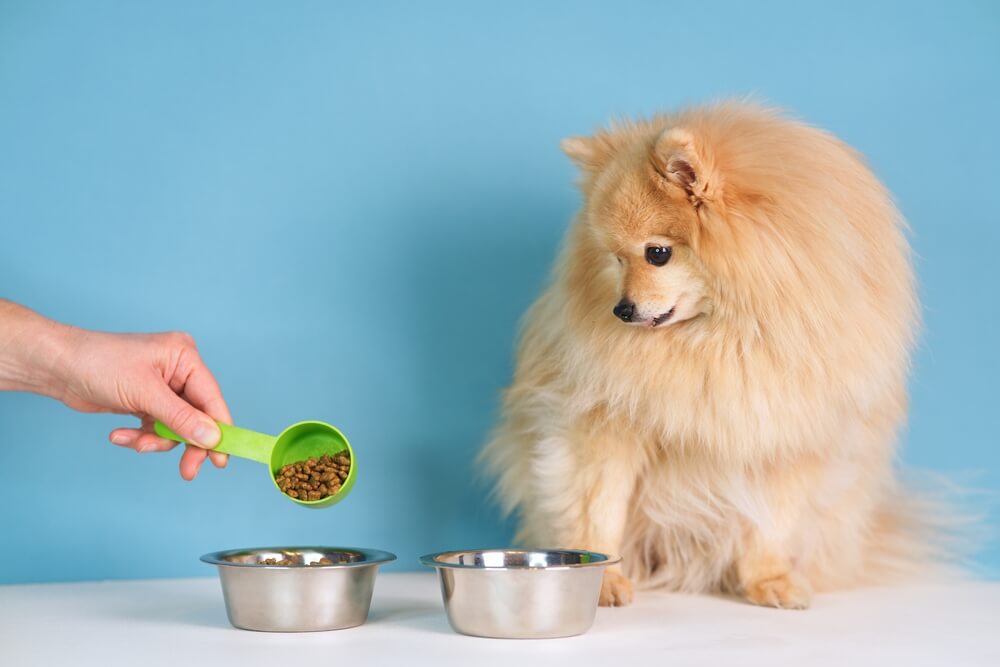
Changing a puppy’s food should happen slowly. Sudden changes can cause diarrhea and stomach pain. Mix a small amount of new food with the old food. Increase the new food amount over 7 to 10 days. Watch your puppy’s reaction. Stop if diarrhea or vomiting occurs. A gentle switch helps the puppy’s digestive system adjust smoothly. This protects the puppy’s health and comfort.
Credit: www.gruppodemas.com
Alternatives When Puppy Food Is Unavailable
Sometimes, puppy food runs out, and finding the right alternative is important. Puppies need a special diet for proper growth and health. Using adult dog food can cause tummy troubles like diarrhea. Knowing safe substitutes helps keep puppies healthy until you get puppy food again.
Temporary Food Options
Choose soft, bland foods that are easy to digest. Boiled chicken without skin or bones works well. Plain cooked rice is gentle on the stomach. Mix small amounts of chicken and rice for a balanced meal. Avoid spicy, oily, or heavily seasoned foods. Feeding small portions often helps prevent digestive upset. Always provide fresh water to keep your puppy hydrated.
Homemade Diet Considerations
Homemade meals can fill the gap but need care. Balance protein, carbs, and fats to support growth. Use lean meats like chicken or turkey, cooked thoroughly. Include cooked vegetables like carrots or pumpkin for fiber. Avoid onions, garlic, and grapes—they are toxic to dogs. Consult a vet to ensure the homemade diet meets nutritional needs. Keep portions small and monitor your puppy’s reaction closely.
Long-term Effects Of Improper Diet
Feeding a puppy adult dog food can cause problems beyond just diarrhea. The wrong diet affects a puppy’s health over time. Puppies need special nutrients to grow strong and stay healthy. An improper diet can slow growth and harm their body systems.
Growth And Development Risks
Puppies need more protein, fat, and calories than adult dogs. Adult food often lacks these key nutrients. This shortage can stunt growth and weaken muscles. Bones may not develop properly, leading to joint problems later. The brain also needs specific fats for healthy development. Without these, learning and behavior can suffer.
Digestive Health Concerns
Puppies have sensitive stomachs. Adult dog food can cause ongoing digestive upset. This leads to diarrhea, vomiting, and poor nutrient absorption. Long-term digestive issues can weaken the immune system. A weak immune system makes puppies more prone to infections and illness. Proper puppy food supports good gut health and strong defenses.
Frequently Asked Questions
Can Adult Dog Food Cause Diarrhea In Puppies?
Yes, adult dog food can cause diarrhea in puppies. It lacks the proper nutrients and higher fat content needed for growing puppies, upsetting their sensitive digestive systems.
Why Is Puppy Food Important Over Adult Dog Food?
Puppy food contains balanced nutrients, vitamins, and minerals essential for growth. Adult dog food does not support puppy development and may lead to digestive issues.
How To Transition Puppy From Adult Dog Food Safely?
Transition gradually over 7-10 days by mixing increasing amounts of puppy food with adult food. This helps avoid stomach upset and diarrhea during the change.
What Ingredients In Adult Dog Food Upset Puppies?
Adult dog food often has higher protein and fat levels. These can overwhelm a puppy’s digestive system, causing diarrhea and gastrointestinal discomfort.
Conclusion
Feeding adult dog food to a puppy can cause diarrhea. Puppies need special nutrients for healthy growth. Adult food may not have the right balance for them. Always choose food made just for puppies. Watch your puppy closely when changing their diet.
Small changes help avoid stomach problems. Healthy food means a happy, active puppy. Proper nutrition supports strong bones and good digestion. Keep your puppy’s tummy calm and safe by feeding right. Trust your vet’s advice for the best diet plan.
Your puppy deserves the best start in life.


