

Are you wondering what goes into a homemade dog food recipe and if it’s the right choice for your furry friend? Making your dog’s meals at home might seem tricky, but it can be a simple and rewarding way to give your pet the best nutrition.
Imagine knowing exactly what your dog is eating, avoiding fillers and additives that often hide in store-bought food. You’ll discover easy-to-follow recipes, the benefits of homemade meals, and tips to keep your dog healthy and happy. Keep reading to find out how you can take control of your dog’s diet and make mealtime something both of you will love.

Credit: thecaninehealthnut.com
Benefits Of Homemade Dog Food
Making homemade dog food offers many benefits for your pet’s health and happiness. You can provide meals that are fresh, healthy, and tailored to your dog’s needs. This approach gives you more control and can make mealtime more enjoyable for your furry friend.
Improved Nutrition
Homemade dog food allows you to include high-quality ingredients. You can add fresh vegetables, lean meats, and whole grains. This helps ensure your dog gets the right vitamins and nutrients. It supports better digestion and overall health. You can avoid fillers and artificial additives often found in commercial food.
Control Over Ingredients
Choosing every ingredient helps prevent allergies and sensitivities. You know exactly what your dog eats. This reduces the risk of harmful chemicals or preservatives. It lets you cater to any special dietary needs. Homemade meals offer peace of mind for pet owners.
Cost-effectiveness
Homemade dog food can be cheaper than buying premium commercial brands. You can buy ingredients in bulk and use leftovers wisely. This reduces waste and saves money. Preparing food at home allows better portion control. It helps stretch your budget without sacrificing quality.
Enhanced Palatability
Dogs often prefer the taste of homemade meals. Fresh ingredients and varied recipes keep them interested. This can improve appetite and encourage picky eaters to enjoy food. Cooking at home lets you experiment with flavors your dog loves. Mealtime becomes a happy and tasty experience.
Essential Nutrients For Dogs
Dogs need a balanced diet to stay healthy and active. Essential nutrients support their growth, energy, and overall well-being. Homemade dog food recipes must include these nutrients in the right amounts. Each nutrient plays a special role in your dog’s health.
Proteins And Amino Acids
Proteins build and repair body tissues. They supply amino acids, which are the building blocks of life. Dogs require high-quality protein from meat, fish, or eggs. These proteins help maintain muscles, skin, and fur. Amino acids support immune function and enzyme production.
Healthy Fats
Fats provide energy and keep the skin shiny. They also help absorb fat-soluble vitamins like A, D, E, and K. Omega-3 and Omega-6 fatty acids reduce inflammation and support brain health. Good sources include fish oil, flaxseed, and chicken fat.
Carbohydrates And Fiber
Carbohydrates supply energy for daily activities. Fiber aids digestion and keeps the digestive system healthy. Sources like rice, oats, and sweet potatoes offer good carbohydrates. Fiber helps prevent constipation and promotes gut health.
Vitamins And Minerals
Vitamins and minerals support many body functions. Calcium and phosphorus strengthen bones and teeth. Vitamins A, C, and E boost immunity and skin health. Minerals like zinc and iron help with oxygen transport and healing. Fresh vegetables and fruits provide these vital nutrients.
Safe Ingredients To Use
Choosing safe ingredients is key to making homemade dog food. It keeps your dog healthy and happy. Using fresh, natural foods helps provide good nutrition. Avoid harmful items that can cause illness or allergies. Focus on balanced ingredients that support your dog’s needs.
Lean Meats And Fish
Lean meats like chicken, turkey, and beef are great protein sources. They help build strong muscles and keep your dog energetic. Fish such as salmon and whitefish offer healthy fats and omega-3s. Always cook meat well to kill germs and avoid bones.
Vegetables And Fruits
Vegetables like carrots, green beans, and peas add vitamins and fiber. Fruits such as apples and blueberries provide antioxidants. Avoid toxic foods like grapes, onions, and garlic. Wash all produce thoroughly and chop into small pieces.
Grains And Legumes
Rice, oats, and quinoa are good grains for energy and digestion. Legumes like lentils and chickpeas add protein and fiber. Cook grains and legumes well to make them easier to digest. Avoid raw or undercooked beans that can be harmful.
Supplements And Additives
Supplements like fish oil and calcium powder can boost nutrition. Add them carefully and follow dosage instructions. Avoid artificial additives, salt, and sugar. Natural herbs such as parsley may help freshen breath and aid digestion.
Ingredients To Avoid
Choosing the right ingredients is key to making safe homemade dog food. Some foods can harm your dog’s health. Avoiding these ingredients keeps your pet safe and happy. This section covers the main ingredients to skip in homemade recipes.
Toxic Foods For Dogs
Some common foods are poisonous to dogs. Chocolate contains substances harmful to their heart and nervous system. Grapes and raisins can cause kidney failure. Onions and garlic may damage red blood cells. Avoid these ingredients completely in homemade meals.
Harmful Additives
Processed foods often contain additives dogs cannot digest well. Artificial sweeteners like xylitol are deadly to dogs. Salt and sugar in large amounts can cause health problems. Stay away from preservatives and flavor enhancers. Fresh, natural ingredients are safer for your dog.
Unsafe Cooking Methods
Cooking methods also affect your dog’s food safety. Avoid using too much oil or salt. Spices and strong seasonings can upset your dog’s stomach. Raw dough or undercooked meat can cause infections. Always cook food thoroughly and keep it simple for your pet.
Easy Homemade Dog Food Recipes
Easy homemade dog food recipes offer a simple way to feed your dog healthy meals. These recipes use common ingredients that are safe and nutritious. Cooking at home lets you control what your dog eats. It can help avoid fillers and preservatives found in some commercial foods.
These recipes are straightforward and quick to prepare. They suit busy pet owners who want to provide fresh food. Each meal includes a balance of proteins, carbs, and vegetables. This supports your dog’s energy and overall health.
Chicken And Rice Meal
This recipe uses boiled chicken and white rice. Chicken is a great source of lean protein. Rice is easy to digest and provides energy. Add cooked carrots or peas for extra vitamins. This meal is gentle on a dog’s stomach.
Beef And Vegetable Stew
Ground beef cooks well in this hearty stew. Use sweet potatoes and green beans for vegetables. These add fiber and important nutrients. Simmer all ingredients until tender. This stew is filling and tasty for dogs.
Fish And Sweet Potato Mix
Cooked fish like salmon or whitefish is rich in omega-3. Sweet potatoes provide fiber and vitamins. Steam or bake both ingredients before mixing. This meal supports healthy skin and a shiny coat.
Vegetarian Dog Food Options
Some dogs thrive on vegetarian meals. Use lentils or chickpeas for protein. Add brown rice and carrots for energy and nutrients. Make sure to include a vitamin supplement for balance. This option suits dogs with meat allergies.
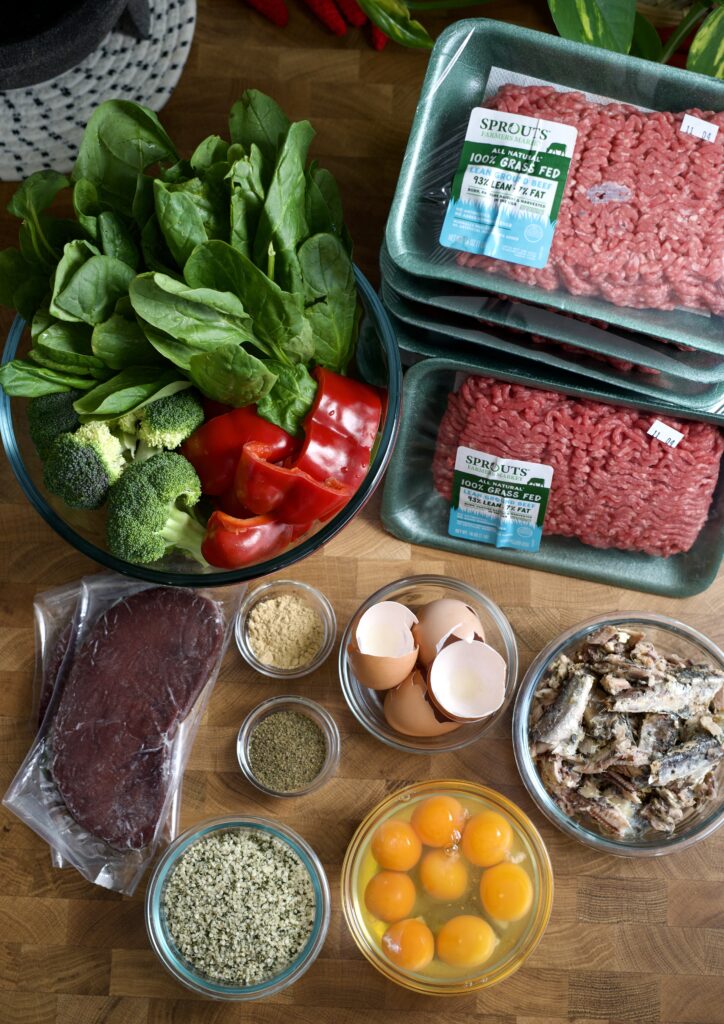
Credit: stellanspice.com
Tips For Preparing Dog Food
Preparing homemade dog food needs care and planning. Small steps make the process safe and healthy. Follow simple tips to keep your dog’s meals nutritious and tasty. This guide covers key points for portion, storage, switching foods, and checking with your vet.
Portion Size And Frequency
Give your dog the right amount of food. Too much or too little can cause problems. Use your dog’s weight and age to decide portions. Feed your dog two or three times a day for balance. Watch your dog’s weight and adjust portions as needed.
Storage And Shelf Life
Store homemade dog food in clean, airtight containers. Keep food in the fridge for up to three days. Freeze extra portions to keep food fresh longer. Thaw frozen meals in the fridge before serving. Never leave food out for more than two hours.
Transitioning To Homemade Food
Change your dog’s diet slowly to avoid stomach upset. Mix new food with old food for about a week. Gradually increase homemade food while reducing old food. Watch for any signs of allergies or digestion issues. Stop if your dog shows discomfort and consult your vet.
Consulting Your Veterinarian
Talk to your vet before starting homemade meals. Your vet can suggest a balanced recipe for your dog. Ask about vitamins and supplements your dog may need. Regular check-ups help track your dog’s health on the new diet. Your vet’s advice keeps your dog safe and happy.
Common Mistakes To Avoid
Making homemade dog food can be rewarding. But mistakes can harm your dog’s health. Avoid common errors to keep your pet safe and happy.
Overfeeding Or Underfeeding
Giving too much food causes weight gain and health issues. Too little food leads to weakness and poor growth. Measure portions carefully. Follow your vet’s advice for the right amount.
Imbalanced Nutrients
Dogs need a mix of proteins, fats, and carbs. Lacking vitamins or minerals can cause illness. Use a variety of ingredients. Balance the recipe with supplements if needed.
Ignoring Allergies Or Sensitivities
Some dogs react to certain foods with itching or stomach pain. Watch for signs of allergies. Avoid ingredients that cause problems. Consult your vet for safe options.
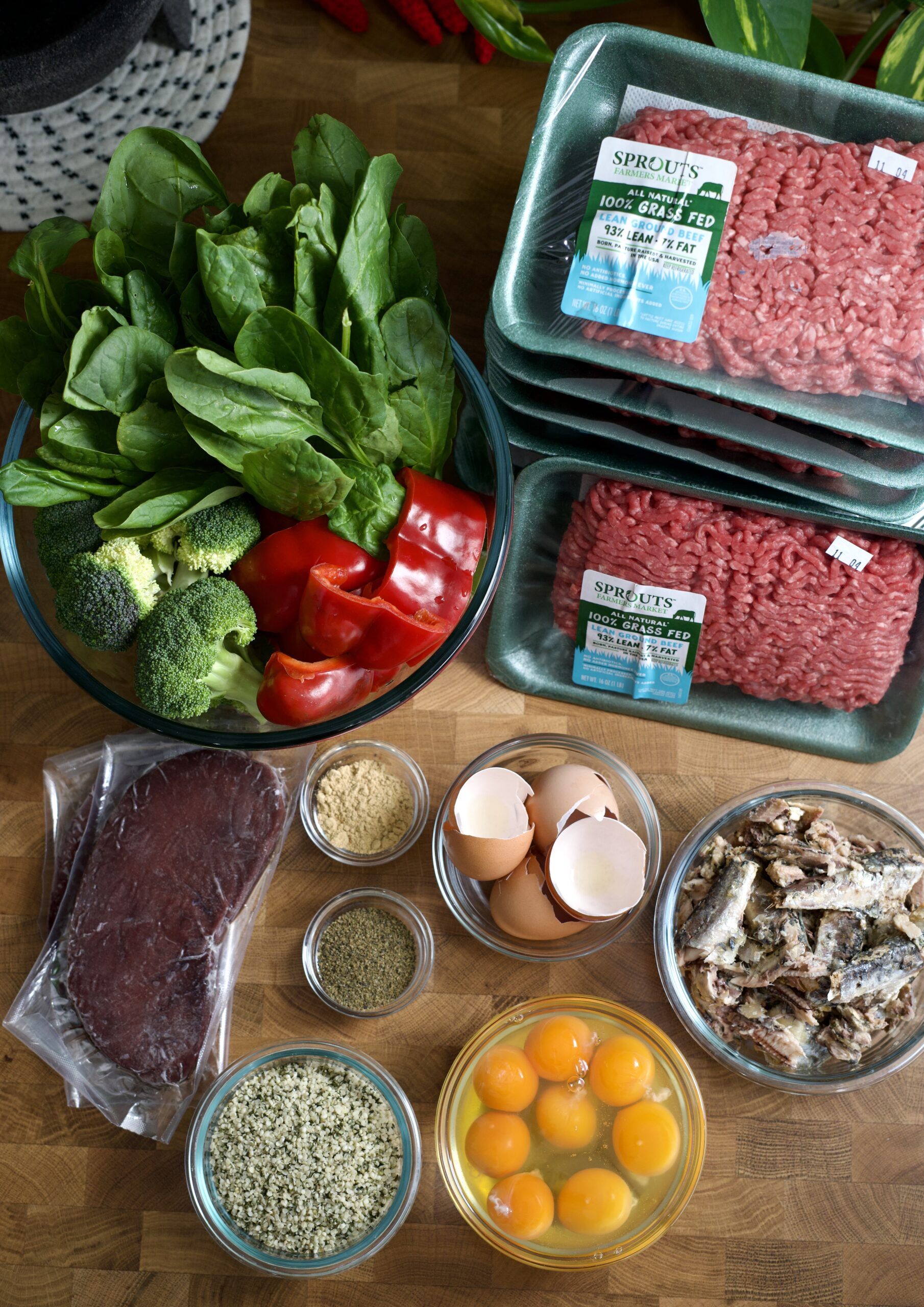
Credit: stellanspice.com
Frequently Asked Questions
What Ingredients Are Best For Homemade Dog Food?
High-quality proteins, vegetables, and grains are ideal. Include lean meats like chicken, carrots, peas, and brown rice. Avoid harmful foods like onions and chocolate. Balanced nutrients ensure your dog’s health and energy.
How Do I Ensure Homemade Dog Food Is Balanced?
Consult a vet or pet nutritionist for guidance. Use recipes with proper protein, fat, fiber, and vitamins. Supplement with essential nutrients like calcium and omega-3s for a complete diet.
Is Homemade Dog Food Safe For All Dog Breeds?
Yes, but portion sizes and ingredients vary by breed and age. Tailor recipes to your dog’s size, health, and activity level. Always monitor for allergies or sensitivities.
How Often Should I Feed My Dog Homemade Food?
Feed adult dogs twice daily and puppies three to four times. Maintain consistent meal times for digestion and routine. Adjust portions based on your dog’s weight and energy needs.
Conclusion
Homemade dog food recipes offer control over your pet’s diet. You choose fresh, healthy ingredients for better nutrition. Preparing meals at home can save money and reduce additives. Always balance proteins, carbs, and fats for your dog’s health. Consult your vet to meet your dog’s specific needs.
Cooking for your dog shows love and care. Simple recipes can keep your dog happy and strong. Give homemade meals a try to see positive changes. Your dog deserves the best you can provide.


