

Are you wondering what happens if you feed your puppy adult dog food? It might seem like a small mistake, but the food your puppy eats plays a huge role in their growth and health.
Giving your puppy the wrong type of food could affect their energy, development, and even their future well-being. You’ll discover exactly why choosing the right food matters and what risks you might face if you don’t. Keep reading to make sure you’re giving your furry friend the best start in life.
Nutritional Needs Of Puppies
Puppies grow fast. Their bodies need special care and food to support this growth. Feeding them the right food helps build strong bones, muscles, and a healthy immune system. Puppy food is made to meet these needs with the right mix of nutrients. Adult dog food does not have the same balance and may not support a puppy’s growth well.
Key Nutrients For Growth
Puppies need extra protein to build muscles and tissues. Fat is also important for energy and brain development. Calcium and phosphorus help make strong bones and teeth. Vitamins like A, D, and E keep their skin and coat healthy. Puppies need more calories than adult dogs because they burn energy quickly.
Differences Between Puppy And Adult Food
Puppy food has more protein and fat than adult dog food. It contains special nutrients to support growth and brain health. Adult food has fewer calories and less fat. This can cause puppies to miss important nutrients if fed adult food. The texture of puppy food is softer, making it easier for puppies to eat and digest.
Risks Of Feeding Adult Food To Puppies
Feeding adult dog food to puppies carries several risks. Puppies need special nutrition for healthy growth. Adult food does not meet these needs fully. This can cause serious problems for your puppy’s health.
Nutrient Deficiencies
Puppies require extra protein, fat, and calories. Adult dog food has lower amounts of these nutrients. Missing essential vitamins and minerals can slow growth. Lack of calcium and phosphorus harms bone development. Deficiencies weaken the immune system too.
Impact On Development
Proper growth needs balanced nutrition. Adult food lacks nutrients for brain and muscle growth. This can lead to weaker muscles and poor coordination. Puppies may become smaller or less active. Early development stages need more energy and nutrients.
Digestive Issues
Puppies have sensitive stomachs. Adult dog food may be harder to digest. This can cause stomach upset, diarrhea, or vomiting. Poor digestion reduces nutrient absorption. This worsens the lack of essential nutrients for growth.
Short-term Effects On Puppies
Feeding a puppy adult dog food can cause several short-term effects. Puppies need more nutrients for growth. Adult food often lacks these essential nutrients. This change in diet can affect their behavior, energy, and appetite quickly. Understanding these effects helps pet owners care for their puppies better.
Behavioral Changes
Puppies fed adult food may act differently. They might seem less playful or more tired. Some puppies become irritable or restless. Changes in mood can happen because their bodies lack key nutrients. These behavioral shifts often show within days of the diet change.
Energy Levels
Energy drops are common in puppies eating adult dog food. Adult food usually has fewer calories than puppy formulas. Puppies need high energy for learning and playing. Lower energy can make them sleep more and move less. This effect is noticeable soon after switching foods.
Appetite And Eating Habits
Puppies might eat less when given adult food. The taste and texture may not appeal to them. Nutrient differences can also reduce hunger. Some puppies become picky or refuse to eat. These changes in appetite can affect their growth and health.

Credit: www.iams.com
Long-term Consequences
Feeding a puppy adult dog food can cause serious problems over time. Puppies need special nutrients to grow strong and healthy. Adult dog food lacks these key nutrients. This can lead to lasting health issues. Understanding these risks helps protect your puppy’s future.
Growth Delays
Puppies need extra protein and calories to grow. Adult dog food has fewer calories and less protein. This can slow their growth. Puppies may stay smaller than healthy pups. Their muscles and organs might not develop well. Growth delays affect their whole body.
Bone And Joint Problems
Puppies require calcium and phosphorus in the right amounts. Adult dog food often has unbalanced minerals. This can cause weak bones and joint pain. Puppies may develop bone deformities or arthritis. Their movement and activity can suffer. Strong bones need proper nutrition early on.
Immune System Weakness
Puppies’ immune systems are still growing. They need vitamins and antioxidants to fight illness. Adult dog food may lack these nutrients. This can make puppies more likely to get sick. Their recovery from illness can take longer. A weak immune system can affect their whole life.
When Adult Food Might Be Used Temporarily
Feeding a puppy adult dog food is usually not recommended. Puppies need more nutrients to grow strong and healthy. Still, there are times when adult food might be used for a short time. This section explains those special cases. It helps you understand when using adult dog food temporarily is okay and safe.
Veterinary Recommendations
A vet may suggest adult food for a puppy in some cases. For example, if the puppy has a health problem that needs a special diet. The vet knows what nutrients the puppy needs at that time. They can guide you on how long to use adult food safely. Following a vet’s advice keeps your puppy healthy.
Emergency Situations
Sometimes, adult dog food is used in emergencies. Imagine running out of puppy food and no store nearby. Feeding adult food for a day or two is better than no food. It fills the puppy’s stomach and gives some energy. But this should only be short-term until puppy food is available again.
Choosing The Right Food For Your Puppy
Choosing the right food for your puppy is very important. Puppies need special nutrients to grow strong and healthy. Feeding them adult dog food can cause problems. It may not have the right vitamins and minerals for their development.
Good puppy food supports their bones, brain, and immune system. It also helps maintain healthy energy levels. Puppies have different needs than adult dogs. Their food should match those needs.
Reading Labels
Check the ingredients list on the dog food package. Look for words like “complete and balanced” for puppies. The food should contain proteins, fats, vitamins, and minerals. Avoid foods with too many fillers or artificial additives. Puppy food usually has more calories than adult dog food. This helps support their rapid growth.
Consulting Your Veterinarian
Your vet knows what your puppy needs. They can recommend the best food brand and type. Discuss any special health needs your puppy may have. Your vet can guide you on when to switch from puppy to adult food. Follow their advice to keep your puppy healthy and happy.
Transitioning Between Puppy And Adult Food
Transitioning your puppy from puppy food to adult dog food is an important step. Puppies need special nutrients to grow strong. Adult dog food has a different balance of nutrients suited for grown dogs. Changing their diet too fast can cause stomach problems. A smooth transition helps your puppy adapt to new food easily. It supports their health and digestion during growth.
Signs Your Puppy Is Ready
Most puppies are ready for adult food between 9 and 12 months old. Large breeds may need more time, up to 18 months. Watch for slower growth and less energy needs. Your vet can help decide the right time. Your puppy’s weight and activity level also show readiness. When they start looking more like an adult dog, it’s time.
Step-by-step Switching Guide
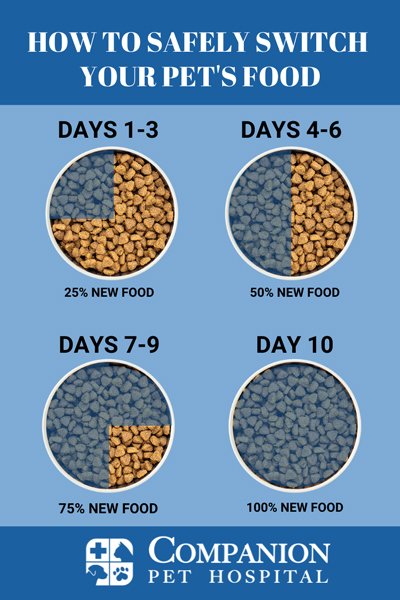
Start by mixing 25% adult food with 75% puppy food. Feed this mix for three days. Then change to 50% adult and 50% puppy food for three more days. Next, use 75% adult and 25% puppy food for another three days. Finally, feed only adult dog food. Watch your puppy’s reaction at each step. Stop or slow down if you see diarrhea or vomiting. This gradual change helps prevent upset stomachs.

Credit: www.bluebuffalo.com
Credit: companionpethospital.com
Frequently Asked Questions
Can Puppies Eat Adult Dog Food Safely?
Puppies can eat adult dog food, but it lacks essential nutrients for growth. Feeding adult food may cause nutritional deficiencies and slow development. It’s best to provide puppy-specific food for balanced vitamins, minerals, and calories needed for healthy growth.
What Are Risks Of Feeding Puppies Adult Dog Food?
Feeding puppies adult dog food risks poor growth and weak immunity. Adult food has fewer calories and nutrients, which can lead to stunted development and health issues. Puppies require higher protein and fat levels found only in puppy formulas.
How Long Can A Puppy Eat Adult Dog Food?
Puppies should not eat adult dog food beyond a few days. Extended feeding can cause malnutrition and digestive problems. Transition to puppy food immediately for proper growth, usually until 12 months of age depending on breed size.
Will Adult Dog Food Affect Puppy’s Growth?
Yes, adult dog food can negatively affect puppy growth. It lacks extra nutrients and calories puppies need. This can result in slower bone development and weaker muscles. Proper puppy nutrition supports healthy growth and lifelong wellbeing.
Conclusion
Feeding a puppy adult dog food can cause health problems. Puppies need more nutrients for growth and energy. Adult food lacks important vitamins and fats for puppies. This may slow their development and weaken their immune system. Always choose food made for puppies to support their health.
Proper nutrition helps puppies grow strong and happy. Remember, good food means a happy puppy. Choose wisely to give your puppy the best start.


