

Have you ever caught your puppy sneaking a bite of adult dog food and wondered if it’s okay? You might worry about what that means for your puppy’s health and growth.
Puppies have special nutritional needs that help them grow strong and stay healthy. So, what happens if your little one eats adult dog food? Keep reading to find out the surprising effects and what you should do to keep your puppy happy and healthy.
This information could save you from common mistakes that many dog owners make. Don’t miss it!
Differences Between Puppy And Adult Dog Food
Puppy food and adult dog food differ in many important ways. Puppies grow fast and need more nutrients than adult dogs. Their food supports strong bones, muscles, and brain development. Adult dogs need fewer calories and different nutrients to stay healthy.
Understanding these differences helps keep dogs healthy and happy. Feeding the right food at the right age is very important.
Nutritional Needs Of Puppies
Puppies need extra protein for muscle growth. They require more fat for energy and brain development. Puppies also need higher levels of calcium and phosphorus. These minerals help build strong bones and teeth. Vitamins and minerals in puppy food support a growing immune system.
Adult dog food does not have these higher levels. Feeding puppies adult food can slow their growth and affect health.
Ingredients In Adult Dog Food
Adult dog food contains fewer calories and less fat. It has balanced protein to maintain muscles, not build them. The mineral levels are lower than in puppy food. Adult food focuses on maintaining weight and overall health. It lacks some nutrients essential for rapid puppy growth.
Feeding adult food to puppies means missing important nutrients. This can cause poor development or health problems later.

Credit: www.iams.com
Potential Risks Of Puppies Eating Adult Food
Puppies need special food to grow strong and healthy. Adult dog food does not meet their unique needs. Feeding puppies adult food can cause problems. These problems may affect their health now and later.
Digestive Issues
Puppies’ stomachs are sensitive. Adult dog food has different ingredients. It can upset their stomachs. This may cause vomiting or diarrhea. Digestive troubles can make puppies weak. It also stops them from absorbing nutrients well.
Nutrient Imbalances
Puppies need extra protein, fat, and calories. Adult food often lacks these in the right amounts. This can slow their growth. Some vitamins and minerals may be too low or too high. This imbalance can hurt their bones and muscles.
Long-term Health Effects
Feeding adult food to puppies over time can cause issues. Poor nutrition might lead to weak bones or joint problems. It can also affect their energy and behavior. Healthy growth depends on the right diet from the start.
Signs To Watch After Puppy Eats Adult Food
After a puppy eats adult dog food, certain signs may appear. These signs help you understand if the food caused any harm. Watch closely for changes in behavior or physical health. Early detection can prevent bigger problems later.
Behavioral Changes
A puppy may act restless or more tired than usual. It might refuse to eat or seem less playful. Watch for unusual whining or signs of discomfort. Sudden mood shifts or irritability are also common. These changes show the puppy might feel unwell.
Physical Symptoms
Look for vomiting or diarrhea after eating adult food. The puppy’s stomach might look swollen or feel hard. Check for excessive drooling or signs of pain. Loss of appetite or dehydration can occur too. These symptoms need quick attention to keep your puppy safe.
Immediate Steps To Take
Finding out that your puppy has eaten adult dog food can cause worry. Acting fast helps reduce any risk to your puppy’s health. There are clear steps to follow immediately after this happens. These steps help keep your puppy safe and comfortable.
Monitoring Your Puppy
Watch your puppy closely for any changes in behavior. Look for signs like vomiting, diarrhea, or loss of appetite. Notice if your puppy seems tired or restless. Keep track of how often they drink water. Observe any swelling or discomfort in their stomach area. Record these details to share with your vet if needed.
When To Contact A Vet
Call your vet if your puppy shows severe signs like repeated vomiting. Contact a vet if diarrhea lasts more than a day. Seek help if your puppy becomes very weak or stops eating. Get advice if your puppy has trouble breathing or is very lethargic. Your vet can guide you on next steps and treatment. Acting quickly can prevent serious health problems.
Adjusting Your Puppy’s Diet Safely
Adjusting your puppy’s diet safely is very important for their health and growth. Puppies have special nutritional needs that differ from adult dogs. Feeding the right food helps their bones, muscles, and brain develop well. Sudden changes in diet can upset their stomach and cause discomfort. Careful adjustment helps avoid digestive problems and ensures your puppy gets all needed nutrients.
Transitioning To Puppy Food
Switching from adult dog food to puppy food needs to be gradual. Start by mixing a small amount of puppy food with the adult food. Slowly increase the puppy food amount over 7 to 10 days. Watch your puppy for any signs of stomach upset. This slow change helps their digestion adjust smoothly. Puppy food has more protein and fat, which support growth. Make sure to choose high-quality puppy food made for their size and breed.
Feeding Schedule Tips
Set a regular feeding schedule to keep your puppy healthy. Feed puppies three to four times a day until they are six months old. After six months, reduce feedings to twice a day. Avoid leaving food out all day. Scheduled meals help control portions and prevent overeating. Use the feeding guidelines on the puppy food package as a starting point. Adjust portions based on your puppy’s growth and activity level. Consistent meal times also help with house training.
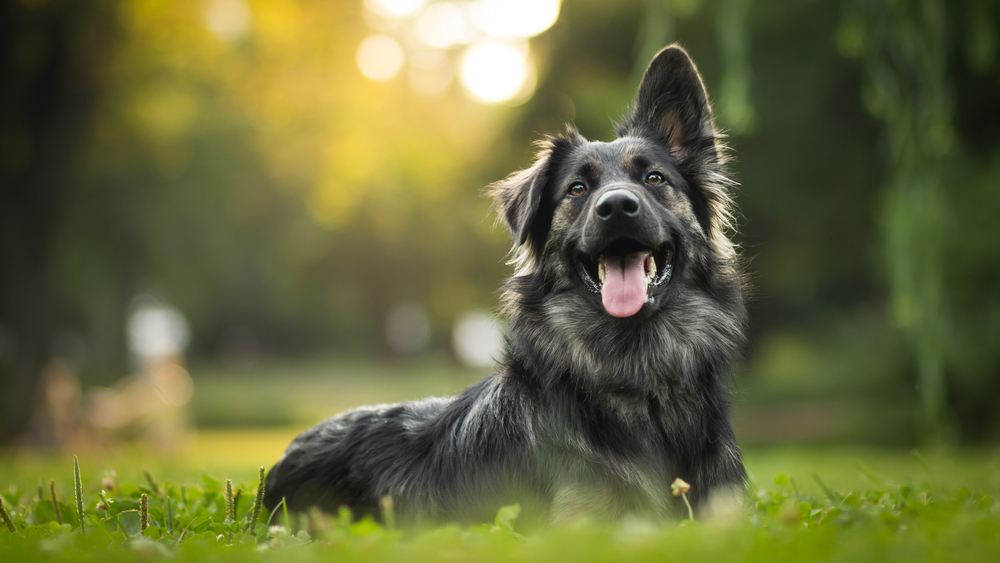
Credit: openfarmpet.com
Preventing Future Feeding Mistakes
Preventing feeding mistakes helps keep puppies healthy and happy. Adult dog food can harm puppies if eaten often. Taking small steps stops these errors from happening again. Clear rules and good habits protect your puppy’s nutrition and growth.
Proper Food Storage
Store adult dog food in sealed containers. Keep it away from your puppy’s reach. Use high shelves or locked cabinets. This stops accidental eating of the wrong food. Always check labels before feeding your dog. Separate puppy and adult food clearly to avoid confusion.
Educating Family Members
Teach everyone in the home about puppy diets. Explain why puppies need special food. Show them how to read pet food labels. Remind them to feed the right food every time. Use notes or signs near feeding areas. This helps everyone follow the feeding plan carefully.
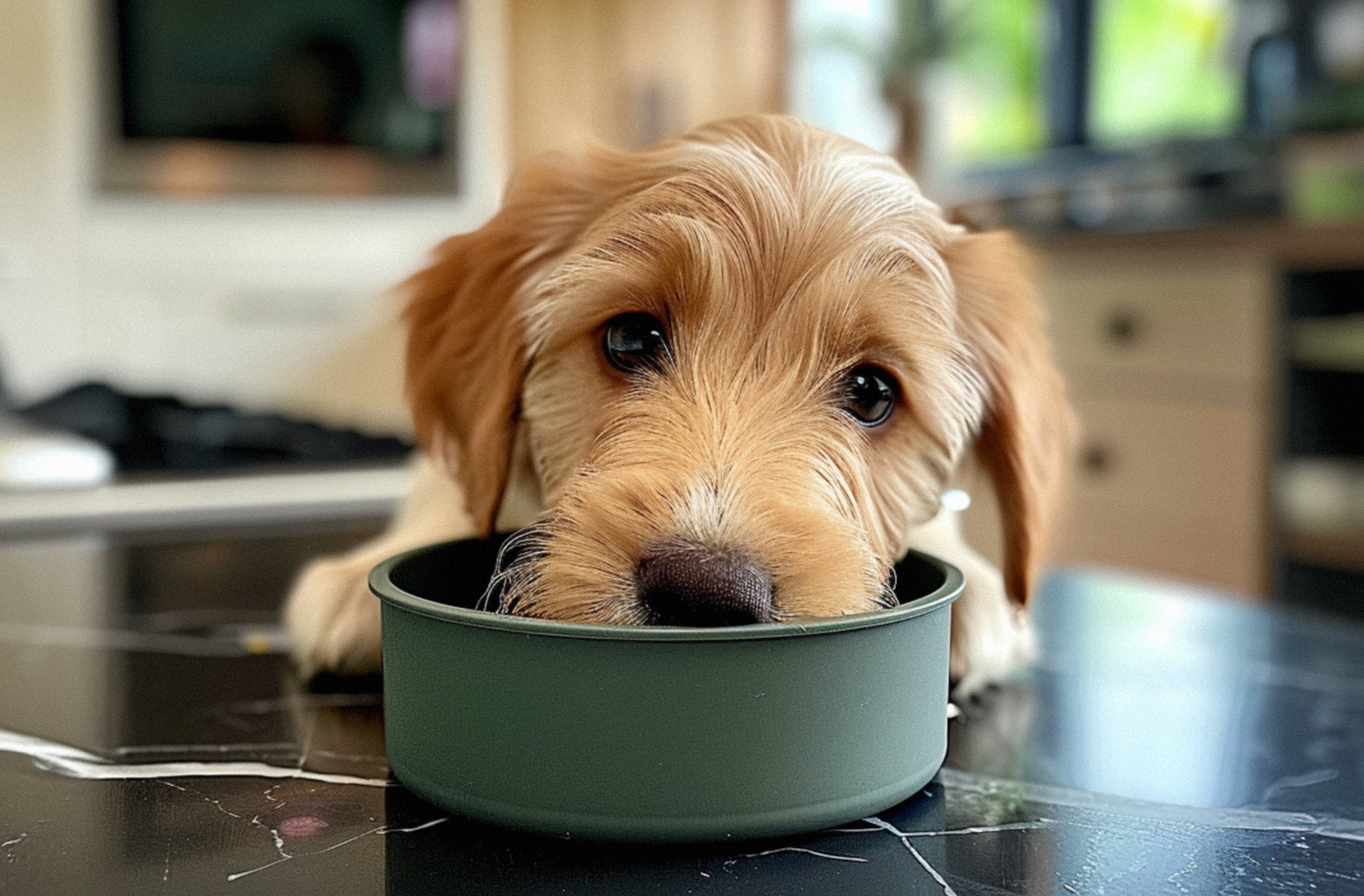
Credit: www.thinkjinx.com
Frequently Asked Questions
Can Puppies Eat Adult Dog Food Safely?
Puppies can eat adult dog food occasionally, but it’s not ideal. Adult food lacks essential nutrients puppies need for growth. Feeding only adult food can lead to nutritional deficiencies and health issues in puppies over time.
What Are The Risks Of Feeding Puppies Adult Dog Food?
Feeding puppies adult dog food may cause poor growth and digestive problems. Adult formulas lack higher protein and fat levels required for puppies. Long-term use can result in weaker bones and compromised immune systems.
How To Transition A Puppy From Adult To Puppy Food?
Gradually mix puppy food with adult food over 7-10 days. Increase the puppy food portion daily to avoid stomach upset. This helps the puppy adjust to proper nutrition and digestion smoothly.
Can Adult Dog Food Cause Digestive Issues In Puppies?
Yes, adult dog food can cause diarrhea or constipation in puppies. Their digestive systems need more digestible nutrients and calories found in puppy formulas. Always monitor for any signs of discomfort after feeding.
Conclusion
Puppies need special food to grow strong and healthy. Adult dog food lacks some important nutrients for puppies. Eating adult food once won’t cause big harm. But regular eating may upset their stomach or slow growth. Always choose puppy food made for their needs.
Watch your puppy closely after eating adult food. If you see problems, talk to your vet quickly. Good care helps your puppy stay happy and healthy. Keep feeding the right food for the best start.


