

You want the best for your dog, and choosing the right food is a big part of that. But have you ever wondered if a grain-free diet is really the healthy choice it’s made out to be?
Many pet owners believe that cutting grains is the key to better health, but the truth might surprise you. Before you switch your dog’s meals, it’s important to understand why a grain-free diet could actually do more harm than good.
Keep reading to discover what you need to know to keep your furry friend happy and healthy.
Credit: www.help.sc.ug
Grain Free Diets Explained
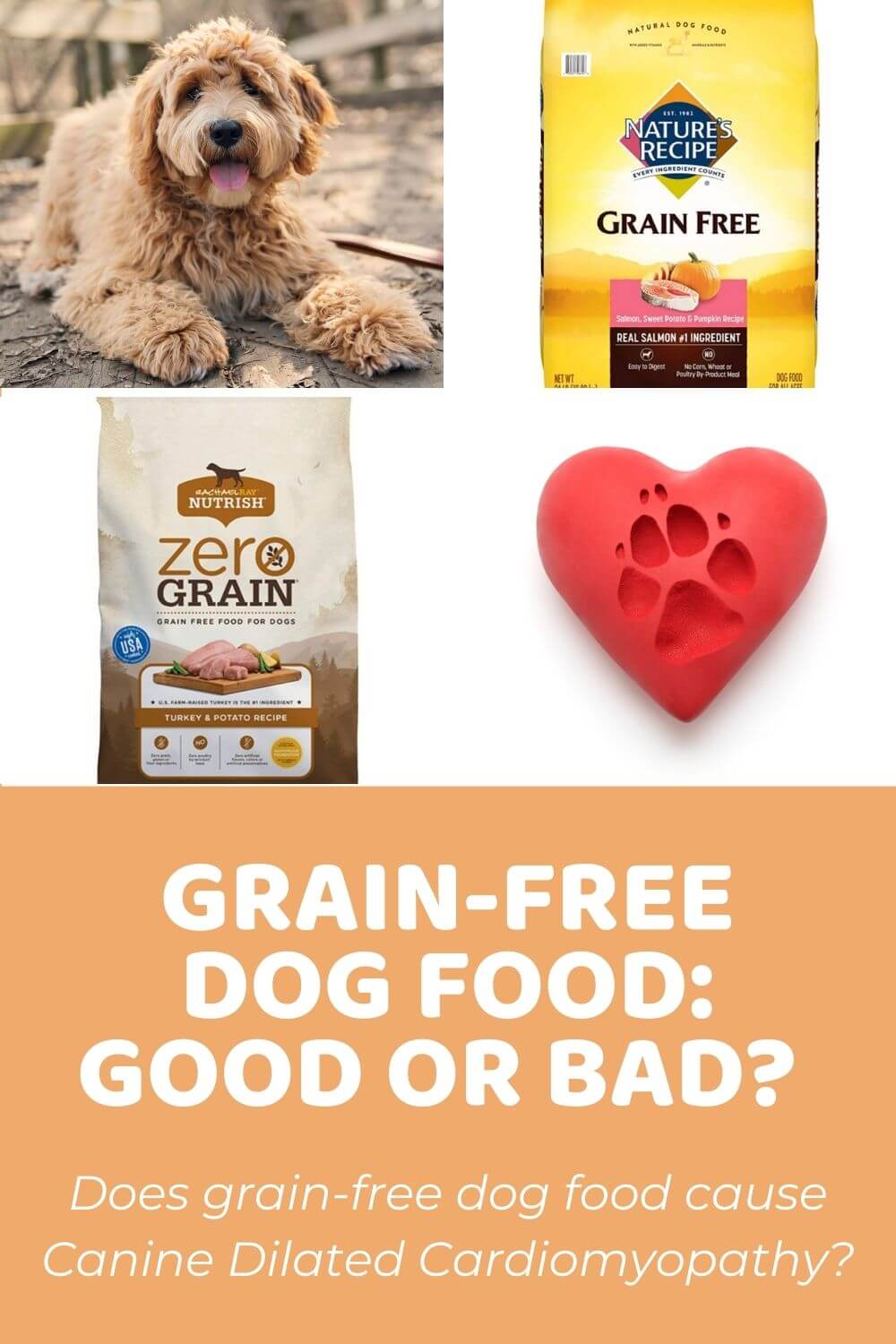
A grain free diet for dogs means feeding them food without grains like wheat, corn, or rice. This diet replaces grains with other ingredients such as potatoes or peas. Many dog owners believe grain free food is healthier. They think grains cause allergies or digestive problems in dogs.
Grain free dog food looks like a better option on the surface. The labels often highlight “no grains” to attract buyers. Yet, the real effects of grain free diets on dogs remain unclear. Understanding what goes inside these foods helps explain why grain free diets may not be the best choice.
Common Ingredients In Grain Free Dog Food
Grain free dog foods usually include potatoes, sweet potatoes, peas, and lentils. These ingredients replace grains as the main source of carbohydrates. Some brands also use chickpeas and tapioca. These alternatives provide energy but differ from traditional grains.
Protein sources in grain free diets are similar to regular dog food. Chicken, beef, fish, and lamb often appear in the ingredient list. Fiber comes from vegetables and fruits rather than grains. This change can affect how well dogs digest their food.
Reasons Behind Grain Free Trend
Many dog owners believe grains cause allergies or stomach issues. This idea spread widely through social media and pet food marketing. Some think grain free diets mimic what wild dogs eat. There is a belief that grains are unnatural for dogs.
Pet food companies promote grain free products as healthier options. They use the trend to boost sales and attract health-conscious buyers. The grain free label gives an impression of premium quality. This trend grew fast, even without strong scientific proof.
Nutritional Imbalances
A grain free diet may seem healthy for dogs. Yet, it can cause nutritional imbalances. Dogs need a variety of nutrients to stay healthy. Grains provide important vitamins, minerals, and fiber. Removing grains can lead to missing key nutrients. This affects your dog’s overall health and energy.
Lack Of Essential Nutrients
Grains offer nutrients like B vitamins and iron. These nutrients help your dog’s body work well. Without grains, dogs might lack these essentials. Some grain free foods replace grains with other ingredients. Still, these do not always provide the same nutrients. Missing vitamins and minerals can cause tiredness and weak immune systems. This makes dogs more prone to illness.
Impact On Digestive Health
Grains contain fiber that supports healthy digestion. Fiber helps food move smoothly through the gut. Grain free diets often lack enough fiber. This can cause digestive problems like constipation or diarrhea. Proper digestion is crucial for nutrient absorption. Poor digestion means dogs get fewer nutrients from food. This leads to weight loss and less energy.
Heart Health Risks
Heart health is a serious concern for dogs on grain free diets. These diets may increase the risk of heart problems. Many pet owners do not realize the danger their pets face. Understanding the link between grain free food and heart health is important for every dog owner.
Connection To Dilated Cardiomyopathy
Dilated Cardiomyopathy (DCM) is a disease that affects a dog’s heart. It makes the heart weak and unable to pump blood well. Some dogs on grain free diets have developed DCM. This condition was once rare in certain dog breeds. But now, it appears in breeds not usually at risk. Experts believe the diet may cause nutrient imbalances. These imbalances can harm the heart muscle over time.
Fda Investigations And Findings
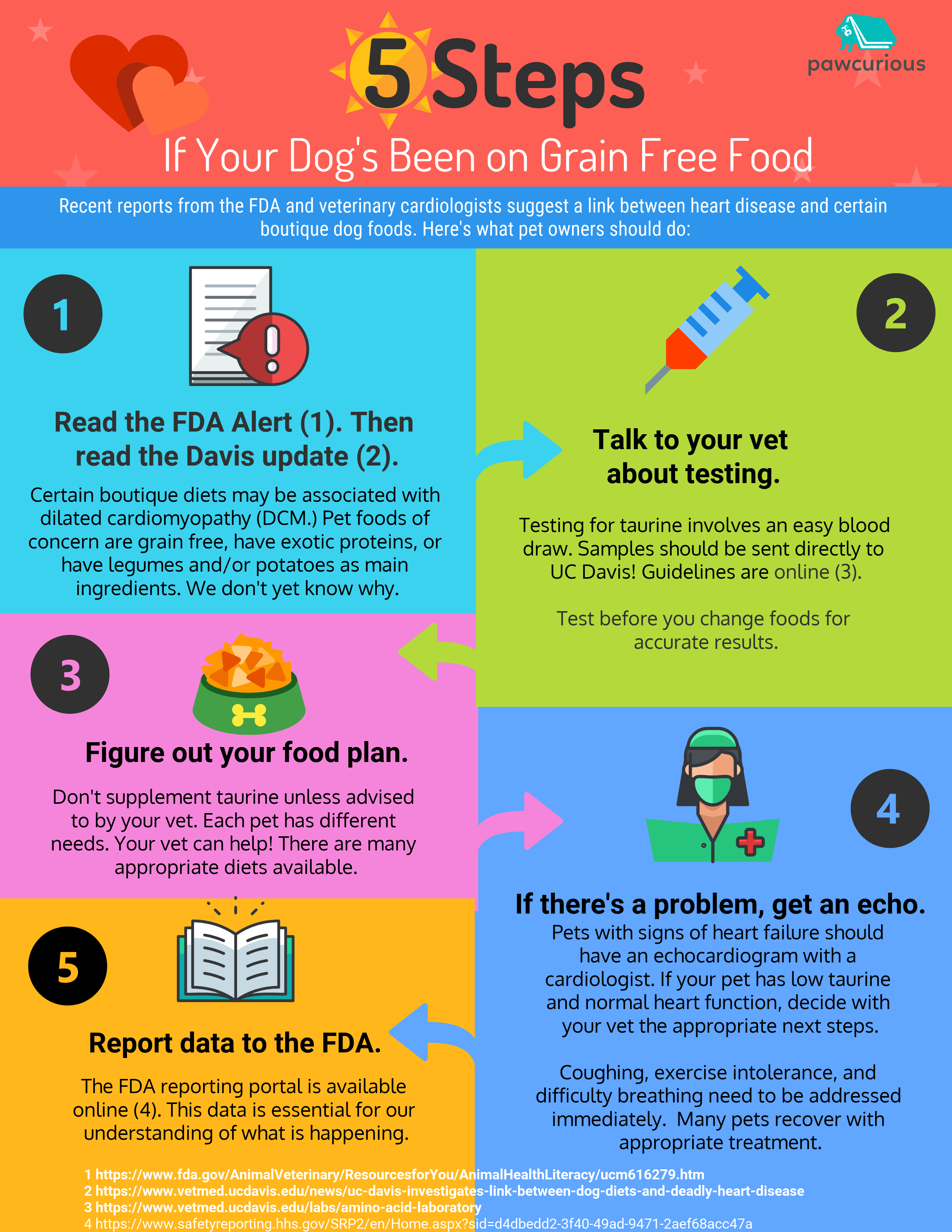
The FDA studied many cases of DCM in dogs. They found a link between grain free diets and this heart disease. The investigation showed many affected dogs ate food with peas, lentils, or chickpeas. These ingredients replace grains in grain free products. The FDA warns pet owners to be cautious about these diets. They recommend consulting a vet before changing a dog’s food. Early detection of heart problems can save a dog’s life.
Allergies And Sensitivities
Many dog owners worry about allergies and sensitivities in their pets. Grain free diets often seem like a safe choice. Yet, grains rarely cause real allergies in dogs. Understanding true allergens helps choose the best food for your dog’s health.
Misconceptions About Grain Allergies
Grains get blamed for many allergy problems in dogs. This is not always true. Most dogs do not have grain allergies. Symptoms like itching or stomach upset often come from other ingredients.
Grains like rice, oats, and barley are usually easy to digest. Many dogs eat grains without any issues. Grain free diets can remove important nutrients found in grains. Avoiding grains without reason may harm your dog’s health.
Common True Allergens In Dog Food
True food allergies in dogs come from proteins, not grains. Beef, chicken, dairy, and eggs cause most allergic reactions. Dogs may also react to soy or fish proteins.
Many allergy symptoms come from these proteins, not grain content. Knowing this helps find the right diet. A vet can test for true allergens. This information ensures your dog gets safe and healthy food.
Long-term Health Consequences
A grain free diet may seem healthy for dogs at first. Yet, it can cause serious problems over time. Dogs need balanced nutrients from various food sources. Removing grains can lead to missing key vitamins and minerals. This imbalance affects their long-term health and well-being. Below are some major health risks linked to grain free diets.
Immune System Weakness
Grains provide essential nutrients that support the immune system. Without these nutrients, dogs may have weaker defenses. A weak immune system means dogs get sick more often. They may fight infections slower and recover less quickly. Over time, this can lead to chronic illness and poor health.
Potential For Chronic Conditions
Long-term grain free diets can increase the risk of chronic diseases. These include heart problems and digestive issues. Some dogs develop nutrient deficiencies that cause lasting damage. Grain free food may lack fiber, important for gut health. Poor digestion leads to discomfort and other health troubles. Careful diet choices help protect dogs from these risks.
Credit: www.lucautosrl.it
Better Alternatives To Grain Free
Choosing a diet for your dog is important for their health and happiness. Grain free diets are popular but not always the best choice. There are better ways to provide balanced nutrition. These options give your dog energy and support their body well.
Balanced Diet Options
A balanced diet means including all nutrients dogs need. Proteins, fats, carbohydrates, vitamins, and minerals must be in the right amounts. Whole grains like brown rice and oats can be part of this mix. They offer fiber and energy without harm. Vegetables and fruits add vitamins and antioxidants. Meat and fish supply high-quality protein. This kind of diet supports healthy digestion and strong immunity.
Consulting A Veterinarian
Each dog is unique with different needs. A veterinarian can guide you on the best diet. They check your dog’s health and lifestyle. This helps choose foods that fit well. Avoid self-diagnosing or following trends blindly. Veterinarians can suggest tests to spot allergies or sensitivities. They also help balance homemade meals safely. Regular check-ups keep your dog’s diet on track. Trust expert advice for long-term wellbeing.
Tips For Choosing Dog Food
Choosing the right dog food can be confusing. Many options claim to be best for your dog’s health. Knowing what to look for helps you pick food that truly benefits your pet. Focus on quality ingredients and clear information.
Reading Ingredient Labels
Always check the ingredient list first. Ingredients are listed by weight. The first few ingredients matter most. Look for real meat like chicken or beef. Avoid foods with too many fillers like corn or wheat. Whole grains can be healthy for dogs. Avoid foods with vague terms like “meat meal” or “animal fat.” Simple, clear ingredients are better for your dog’s health.
Avoiding Marketing Gimmicks
Labels can be tricky. Words like “grain-free” or “natural” don’t always mean healthy. Marketing claims often confuse buyers. Focus on the ingredient list, not the front label. Beware of foods with many additives or artificial colors. Trust facts over fancy packaging. Choose brands that share detailed nutrition information.
Credit: www.dogsnaturallymagazine.com
Frequently Asked Questions
Why Is A Grain Free Diet Bad For Dogs?
A grain free diet can cause nutritional imbalances in dogs. It may lead to heart problems due to lack of essential nutrients found in grains. Dogs need a balanced diet, and removing grains might reduce important vitamins and fiber.
Can Grain Free Diets Cause Heart Disease In Dogs?
Yes, some grain free diets have been linked to canine dilated cardiomyopathy (DCM). This heart disease occurs when dogs lack certain amino acids and nutrients. Grain free foods often miss these, risking heart health in some breeds.
Are Grains Harmful Or Beneficial For Dogs?
Grains provide essential nutrients like fiber, vitamins, and minerals. They support digestion and energy levels. Most dogs digest grains well, making them a beneficial part of a balanced diet rather than harmful.
Should I Avoid Grain Free Dog Food Completely?
Not necessarily, but consult your vet before switching diets. Grain free food is not inherently bad but should meet all nutritional needs. Avoid diets lacking essential nutrients or without proper vet guidance.
Conclusion
Choosing a grain free diet for dogs may cause health problems. Dogs need a balanced diet with grains for energy and nutrients. Grain free foods can lack fiber and important vitamins. Some dogs may even develop allergies or heart issues.
Always check with a vet before changing your dog’s food. A healthy dog needs the right mix of ingredients. Feeding grains in moderation is usually safe and helpful. Keep your dog’s diet simple and balanced for best health.


