

You want the best for your dog, right? Just like you, your furry friend needs the right fuel to stay happy and healthy.
Nutrition plays a huge role in how your dog feels every day—from their energy levels to their coat’s shine. Understanding why nutrition is important for dogs can help you make smarter choices that keep your pet strong and full of life.
Keep reading to discover the simple secrets that can transform your dog’s health and happiness.

Credit: newagepet.com
Role Of Nutrition In Dog Health
Nutrition plays a key role in keeping dogs healthy and happy. Good food supports every part of a dog’s body. It helps dogs grow strong and stay active. Proper nutrition also protects dogs from illness and helps them recover faster. Feeding the right diet gives dogs a better chance at a long life.
Every meal provides essential vitamins, minerals, and nutrients. These keep the body working well. Dogs need balanced nutrition to maintain their health. Poor nutrition can lead to problems like weak bones, low energy, and poor immunity. Careful attention to diet helps dogs avoid these issues.
Impact On Growth And Development
Nutrition is very important for puppies. It supports the growth of bones and muscles. Proper nutrients help the brain develop well. Puppies need proteins, fats, and vitamins to grow strong. Without good nutrition, puppies may grow slowly or get sick easily.
Adult dogs also benefit from balanced nutrition. It keeps their bodies healthy and repairs cells. Good food helps maintain healthy skin and a shiny coat. Dogs need the right nutrients to stay fit throughout life.
Effect On Immune System
A strong immune system protects dogs from diseases. Nutrition provides antioxidants and vitamins that fight infections. Good food helps the body heal and stay strong. Dogs with poor diets get sick more often. Healthy nutrition supports immune cells and reduces inflammation.
Feeding a balanced diet helps dogs resist viruses and bacteria. It also supports recovery after illness. Nutrition plays a vital role in keeping dogs safe from health problems.
Influence On Energy And Vitality
Energy comes from the food dogs eat. Proteins and fats provide fuel for daily activities. Dogs need energy to play, run, and stay alert. Without proper nutrition, dogs feel tired and weak.
Balanced diets help dogs maintain steady energy levels. This keeps them lively and happy. Good nutrition supports a dog’s mood and overall vitality. Feeding quality food helps dogs enjoy life fully.
Key Nutrients For Dogs
Dogs need a balanced diet to stay healthy and active. Key nutrients play a big role in their growth, energy, and overall well-being. Each nutrient supports different body functions. Understanding these nutrients helps you provide the best care for your dog.
Proteins And Amino Acids
Proteins build and repair body tissues. They are essential for muscles, skin, and hair. Amino acids are the building blocks of protein. Dogs need certain amino acids from their diet. Good protein sources include meat, fish, and eggs.
Fats And Fatty Acids
Fats give dogs a concentrated energy source. They help absorb vitamins and keep the skin healthy. Essential fatty acids support brain and eye development. Omega-3 and Omega-6 are important fatty acids for dogs.
Carbohydrates And Fiber
Carbohydrates provide energy for daily activities. Fiber aids digestion and helps maintain healthy bowel movements. Whole grains, vegetables, and fruits are good sources of carbohydrates and fiber for dogs.
Vitamins And Minerals
Vitamins and minerals support immune function and bone health. They help with blood clotting, nerve function, and oxygen transport. Dogs need vitamins A, D, E, and minerals like calcium and iron for overall health.
Choosing The Right Dog Food
Choosing the right food is key to your dog’s health. Good nutrition helps dogs stay active and live longer. The right diet supports their energy, immune system, and overall happiness.
Different dogs have different needs. Age, size, and breed all play a role in deciding the best food. Let’s explore important points to keep in mind when choosing dog food.
Commercial Vs. Homemade Diets
Commercial dog food comes in dry, wet, or semi-moist forms. It is convenient and made to meet nutritional needs. Look for brands that follow strict quality standards.
Homemade diets offer control over ingredients. Fresh foods can be healthy but must be balanced. Missing nutrients can cause health problems. Consult a vet before switching to homemade meals.
Reading Dog Food Labels
Labels list ingredients and nutrients. The first few ingredients are the most important. High-quality protein should be near the top. Avoid foods with too many fillers like corn or wheat.
Check for added vitamins and minerals. These support your dog’s body functions. Watch for artificial colors or preservatives. Natural ingredients are better for long-term health.
Age And Breed Considerations
Puppies need food rich in protein and fats for growth. Adult dogs require balanced nutrition to maintain weight and energy. Older dogs benefit from diets with less fat and more fiber.
Large breeds need joint support and controlled calories. Small breeds need nutrient-dense food in smaller portions. Breed-specific diets can help meet unique needs.
Credit: www.gallant.com
Common Nutritional Issues In Dogs
Dogs need the right nutrition to stay healthy and happy. Sometimes, they face problems from what they eat. These common nutritional issues can affect their energy, mood, and overall health. Understanding these issues helps you care for your dog better.
Obesity And Weight Management
Obesity is a serious problem in dogs today. Too much food or poor diet choices lead to extra weight. Overweight dogs can have joint pain and heart problems. Managing weight means feeding balanced meals and regular exercise. Keeping your dog fit helps them live longer and feel better.
Food Allergies And Sensitivities
Some dogs react badly to certain foods. Allergies cause itching, skin rashes, or upset stomachs. Common allergens include beef, dairy, and grains. Identifying and avoiding these foods reduces discomfort. Special diets can help sensitive dogs stay healthy and happy.
Nutrient Deficiencies
Dogs need vitamins and minerals to grow and stay strong. Lack of nutrients can cause weak bones, dull fur, and low energy. Poor-quality food or unbalanced diets cause these deficiencies. Feeding a complete and balanced diet supports your dog’s health every day.
Feeding Tips For Optimal Health
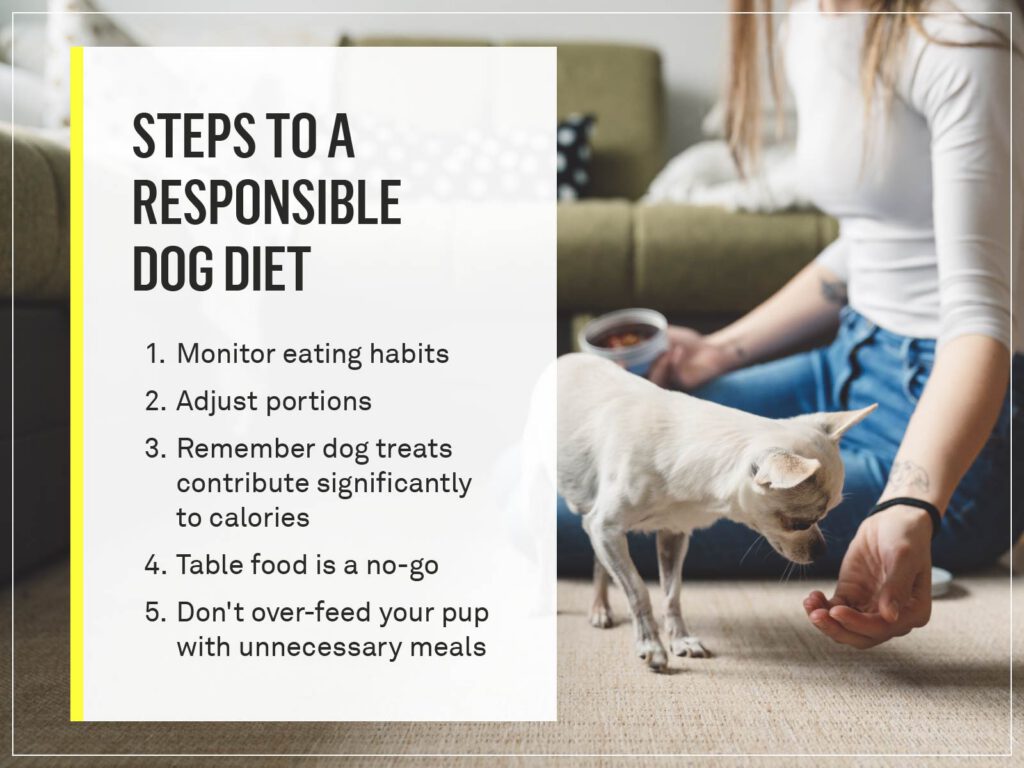
Feeding your dog the right way helps keep them strong and happy. Good nutrition supports their energy, growth, and overall health. Simple feeding tips make a big difference. Focus on portion control, hydration, and smart use of supplements and treats. These steps help your dog live a longer, healthier life.
Portion Control And Feeding Schedule
Give your dog the right amount of food each day. Too much food can cause weight gain and health problems. Too little can lead to weakness and poor growth. Use a measuring cup to serve precise portions. Feed your dog at the same times every day. A regular schedule helps digestion and sets a routine. Most dogs do well with two meals daily—morning and evening.
Hydration Importance
Water is vital for your dog’s health. It helps keep their body cool and supports all organs. Always provide fresh, clean water. Change the water daily to keep it safe. Dogs should drink small amounts often, especially after exercise or in hot weather. Proper hydration helps with digestion and keeps their skin healthy.
Supplements And Treats
Supplements can support your dog’s diet, but use them carefully. Choose only products made for dogs. Talk to a vet before starting supplements. Treats are good for training and bonding. Give treats in small amounts to avoid extra calories. Pick healthy treats like small pieces of fruits or vegetables. Avoid giving too many treats to keep your dog’s weight in check.

Credit: www.ukvetcompanionanimal.com
Frequently Asked Questions
Why Is Balanced Nutrition Vital For Dogs’ Health?
Balanced nutrition provides essential nutrients that support dogs’ growth, energy, and immune system. It prevents diseases and promotes longevity. Proper diet keeps their coat shiny and digestion smooth.
How Does Nutrition Affect A Dog’s Energy Levels?
Nutrition fuels dogs by supplying necessary calories and nutrients. A well-balanced diet ensures sustained energy and proper muscle function. Poor nutrition leads to lethargy and weakness.
What Nutrients Are Essential In A Dog’s Diet?
Dogs need proteins, fats, carbohydrates, vitamins, and minerals. Proteins build muscles, fats provide energy, and vitamins support immune health. A balanced intake ensures overall well-being.
Can Poor Nutrition Cause Health Problems In Dogs?
Yes, inadequate nutrition can lead to obesity, malnutrition, and organ issues. It weakens immunity and increases disease risk. Proper diet prevents many chronic conditions.
Conclusion
Good nutrition keeps dogs healthy and happy every day. It supports strong bones, shiny fur, and good energy. Dogs need the right balance of vitamins and minerals to grow well. Feeding them quality food helps prevent illness and boosts their immune system.
Proper nutrition also improves their mood and behavior. Giving dogs what they need shows you care for their well-being. Healthy dogs live longer and enjoy life more. Simple changes in diet can make a big difference. Remember, good food means a good life for your dog.


