

Does your dog growl, snap, or guard their toys fiercely? If so, you’re not alone—and this behavior can be stressful for both you and your furry friend.
But what if you could stop toy aggression before it gets worse? Imagine a calmer, happier playtime where your dog feels safe and you feel in control. You’ll discover simple, proven steps to help your dog share toys without fear or anger.
Keep reading, because the solution to your dog’s toy aggression is closer than you think.
Causes Of Toy Aggression
Toy aggression in dogs can cause stress for pets and owners. Understanding the causes helps manage and reduce this behavior. Several key factors often lead to toy aggression.
Resource Guarding Instinct
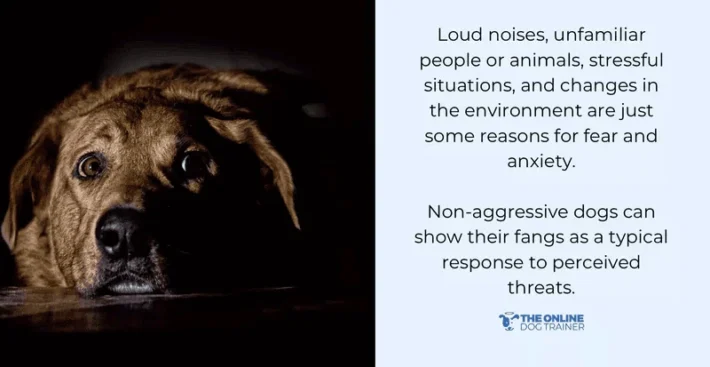
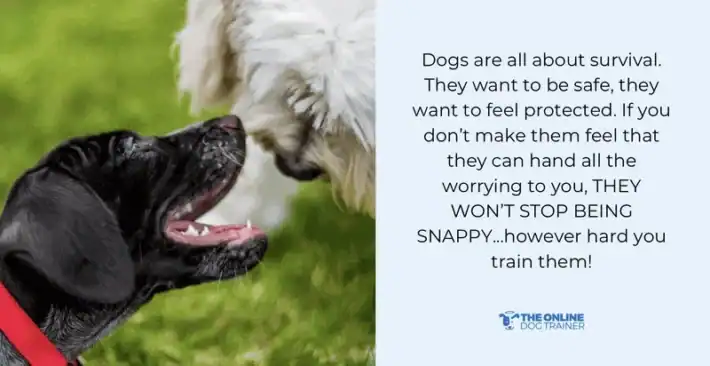
Dogs naturally protect what they value. Toys become important resources for many dogs. They may growl or snap to keep others away. This behavior stems from their survival instincts. Protecting toys feels necessary to them.
Lack Of Socialization
Dogs without enough social experience may act aggressively. They might not know how to share or play nicely. Meeting other dogs early helps reduce fear and possessiveness. Social skills build trust and calmness around toys.
Previous Negative Experiences
Past bad experiences can affect dog behavior. A dog that lost toys or was punished may act defensively. These memories cause anxiety around toys. Gentle training and patience can help change this.
Recognizing Aggressive Behavior
Recognizing aggressive behavior in dogs is the first step to stopping toy aggression. Early signs help prevent serious problems. Understanding these signals keeps both you and your dog safe.
Signs To Watch For
Tense muscles and growling are common warning signs. Your dog may snap or bite when someone approaches their toy. Guarding behavior often shows as standing stiff or freezing. Sometimes dogs stare intensely at others near their toy. Watch for sudden lunges or barking that seems angry.
Body Language Cues
Look for raised hackles along the dog’s back. A stiff tail held high can signal tension. Pinned-back ears and tight lips often mean discomfort. Avoidance of eye contact or glaring can show stress. These body cues warn of possible aggression around toys.
Preventing Toy Aggression
Preventing toy aggression in dogs starts before any problems appear. Taking early steps helps keep playtime safe and fun for everyone. Teaching good habits around toys reduces stress and fights. Owners can create clear rules and choose toys wisely. Supervision during play is also very important. These strategies build trust and respect between dogs and their owners.
Choosing The Right Toys
Pick toys that match your dog’s size and strength. Avoid small toys that can break or cause choking. Durable toys made for tough chewers work best. Soft toys may encourage aggressive biting in some dogs. Select toys that your dog can easily carry and control. Rotate toys to keep your dog interested and calm.
Establishing Toy Rules
Set clear rules about how your dog uses toys. Teach your dog to drop toys on command. Never allow snatching toys from your dog’s mouth. Give toys during play, not as bribes or rewards only. Reward calm behavior around toys to encourage good habits. Consistency helps dogs understand what is allowed.
Supervised Playtime
Always watch your dog during play with toys. Step in if play becomes too rough or tense. Separate dogs if toy guarding or growling begins. Use playtime to reinforce sharing and gentle behavior. Supervision prevents fights before they start. It also helps you learn your dog’s limits and triggers.
Credit: theonlinedogtrainer.com
Training Techniques
Training techniques help manage and reduce toy aggression in dogs. These methods teach dogs to behave calmly around toys. Consistent training builds trust and improves control. It takes time and patience to see real change.
Positive Reinforcement
Reward good behavior with treats or praise. This encourages your dog to repeat calm actions. Ignore or gently redirect aggressive behavior without punishment. Positive reinforcement creates a safe, happy learning environment. It helps dogs feel secure and eager to learn.
Teaching ‘leave It’ Command
Start by holding a treat in your closed hand. Let your dog sniff but not grab it. Say “leave it” firmly and wait. When your dog stops trying, reward immediately. Practice often with toys, treats, or objects. This command teaches self-control and respect for your rules.
Redirecting Attention
Shift your dog’s focus from the toy to something else. Use a favorite toy or treat that is safe and calm. Call your dog gently and offer the new item. This breaks the aggressive focus and reduces tension. Redirecting helps your dog learn to share and relax.
Managing Aggression During Play
Managing aggression during play helps keep your dog safe and happy. Dogs often guard toys out of fear or excitement. This behavior can cause stress for both you and your dog. Managing aggression means staying calm and using smart techniques. These methods stop fights and build trust.
Safe Toy Exchange Methods
Teach your dog to give toys gently. Offer a treat or another toy in exchange. Use calm words like “drop” or “give.” Avoid grabbing the toy quickly. This can scare your dog and increase aggression. Practice this often to make your dog comfortable with sharing.
Using Multiple Toys
Provide more than one toy during playtime. This reduces competition over a single toy. Dogs feel less need to guard when toys are plentiful. Rotate toys to keep your dog interested. This also lowers the chance of fights during play.
Calming Strategies
Watch your dog’s body language for signs of tension. Pause play if your dog stiffens or growls. Use a calm voice to soothe your dog. Teach your dog to relax on a mat or bed. Reward calm behavior to encourage peaceful play.

Credit: talis-us.com
When To Seek Professional Help
Sometimes, toy aggression in dogs can be too hard to handle alone. Knowing when to seek professional help is important. This step can protect your dog and family from harm. It also helps your dog learn better behavior faster. Professionals have tools and skills to manage tough aggression cases safely.
Behaviorist Consultation
A certified animal behaviorist studies your dog’s actions closely. They find the root cause of toy aggression. This expert creates a special plan for your dog’s needs. They teach you how to change your dog’s habits safely. Behaviorists use science-based methods that work well over time.
Training Classes
Group or private training classes offer guided help for toy aggression. Trainers show you ways to improve your dog’s focus and control. They give exercises to reduce guarding and aggression around toys. Classes also help dogs learn social skills and calmness. Regular attendance boosts your dog’s confidence and obedience.
Medical Evaluation
Sometimes aggression links to health problems. A vet checkup can rule out pain or illness causing behavior issues. Conditions like dental pain or hormonal imbalance may increase aggression. Treating these problems can reduce your dog’s toy guarding. Always ensure your dog is healthy before starting behavior changes.
Credit: theonlinedogtrainer.com
Frequently Asked Questions
What Causes Toy Aggression In Dogs?
Toy aggression in dogs often stems from resource guarding, fear, or possessiveness. Dogs may feel threatened and protect their toys aggressively. Early socialization and training can reduce this behavior by teaching dogs to share and feel secure around their possessions.
How Can I Safely Stop Toy Aggression?
Use positive reinforcement and reward calm behavior around toys. Avoid punishment, as it can increase aggression. Teach commands like “drop it” and practice sharing toys during playtime. Consistency and patience are key to safely managing toy aggression.
When Should I Seek Professional Help For Toy Aggression?
Seek professional help if aggression is severe or causes injury. A certified dog trainer or behaviorist can provide tailored strategies. Early intervention prevents escalation and ensures safe interactions with people and other pets.
Can Toy Aggression Be Prevented In Puppies?
Yes, early socialization and gentle handling can prevent toy aggression in puppies. Teach sharing and play with various toys from a young age. Positive experiences build trust and reduce possessiveness over toys as they grow.
Conclusion
Stopping toy aggression in dogs takes patience and clear rules. Keep toys as special treats, not everyday items. Teach your dog to share and take turns. Use calm, firm commands to control play. Reward good behavior with praise and treats.
Watch your dog’s body language closely. Consistent training helps build trust and respect. Remember, gentle guidance works better than force. Small steps each day lead to big changes. You can create a safe, happy space for your dog and toys.


