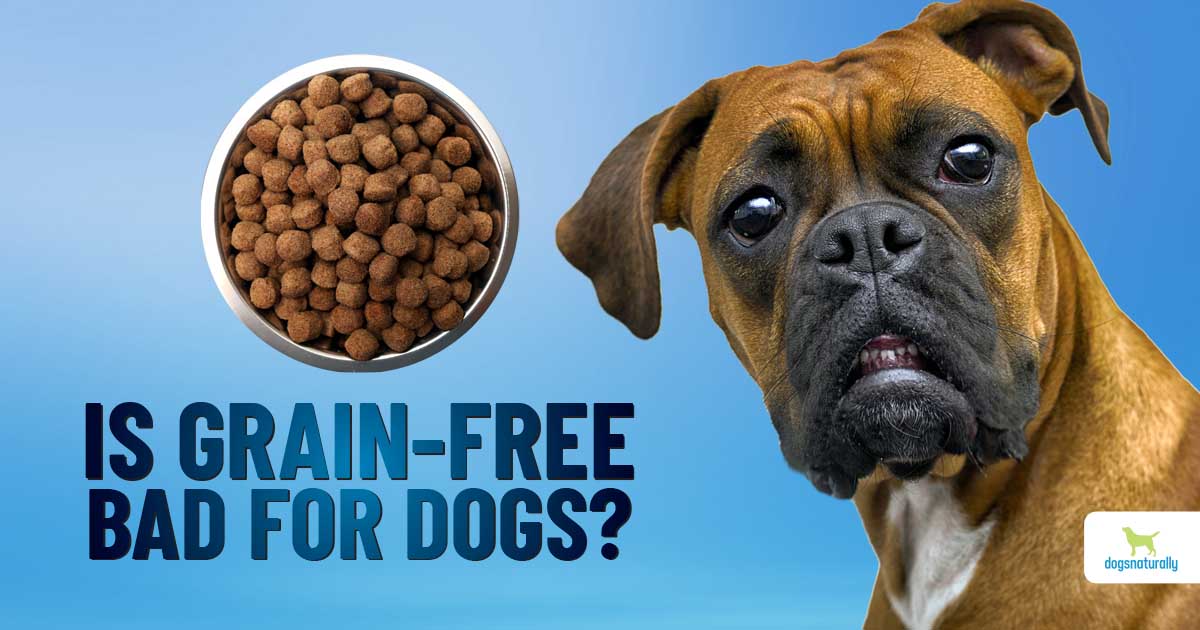
Are you wondering if a grain-free diet is really the best choice for your dog? With so many pet owners switching to grain-free foods, it’s easy to feel confused and unsure about what’s truly healthy.
Your dog’s health depends on the right nutrition, and making the wrong choice can lead to serious problems. Keep reading to discover the truth behind grain-free diets and learn what’s best for your furry friend’s well-being. Don’t make a decision before you know the facts!
Credit: janyafertilityclinic.com
Grain Free Diet Basics
A grain free diet for dogs is a popular choice among many pet owners. It means feeding dogs food that does not contain grains like wheat, corn, or rice. Some believe this diet is healthier or better for dogs with allergies.
Understanding the basics helps you decide if this diet suits your dog. Knowing what grain free food includes is important for making good choices.
What Is A Grain Free Diet
A grain free diet excludes all grains from the dog’s food. Grains are seeds from plants like wheat, corn, barley, and rice. These grains provide carbohydrates and energy in regular dog food.
Grain free dog food replaces grains with other sources of carbohydrates. This diet aims to reduce allergies or digestive problems linked to grains in some dogs.
Common Ingredients In Grain Free Dog Food
Grain free dog food uses ingredients like potatoes, peas, and lentils. These provide energy without using grains. Meat and fish are the main protein sources.
Vegetables such as sweet potatoes and chickpeas also appear in grain free recipes. They add fiber, vitamins, and minerals. This mix helps keep the diet balanced and nutritious.
Credit: janyafertilityclinic.com
Reasons Owners Choose Grain Free
Many dog owners choose a grain free diet for their pets. They believe it can solve some health issues. This choice often comes from concerns about allergies, digestion, and weight. Understanding these reasons helps explain why grain free dog food is popular.
Allergy Concerns
Some dogs show signs of allergies. Owners think grains might cause itching or skin problems. Grain free diets remove wheat, corn, and soy. These ingredients often cause reactions in sensitive dogs. Choosing grain free can reduce allergy symptoms in some pets.
Digestive Health Claims
Digestive problems are common in dogs. Owners want to help with upset stomachs or diarrhea. Grain free foods often use simpler ingredients. This can make digestion easier for some dogs. Many believe grain free diets support better gut health.
Weight Management
Keeping dogs at a healthy weight is important. Grain free diets usually have higher protein and fat. This can help dogs feel full longer. Some owners think grain free food helps with weight control. It supports lean muscle and reduces extra fat.
Potential Risks Of Grain Free Diets
Grain free diets for dogs have gained popularity in recent years. Many pet owners believe grains cause allergies or digestive problems. But these diets may come with risks. Understanding these risks helps make better choices for your dog’s health.
Heart Health Issues
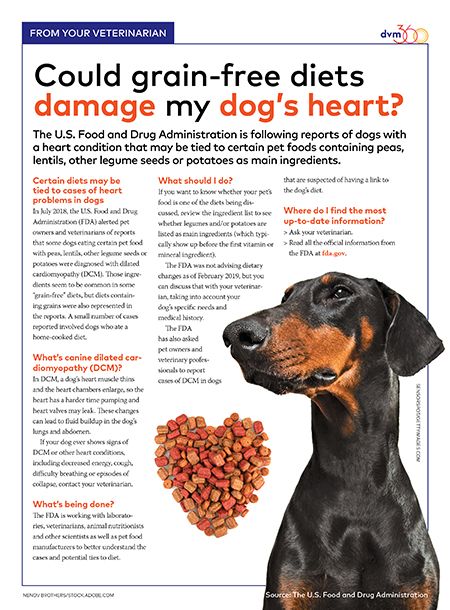
Some grain free diets link to heart problems in dogs. A condition called dilated cardiomyopathy (DCM) affects the heart muscle. DCM can lead to heart failure and even death. Experts suspect certain grain free foods may lack nutrients needed for heart health. This risk is serious and should not be ignored.
Nutritional Deficiencies
Grain free dog foods may miss important nutrients. Grains provide energy, fiber, and vitamins. Without grains, diets must balance these nutrients from other sources. Some grain free foods fail to do this properly. Dogs may suffer from vitamin and mineral shortages. These deficiencies can harm growth and immune function.
Fda Investigations And Findings
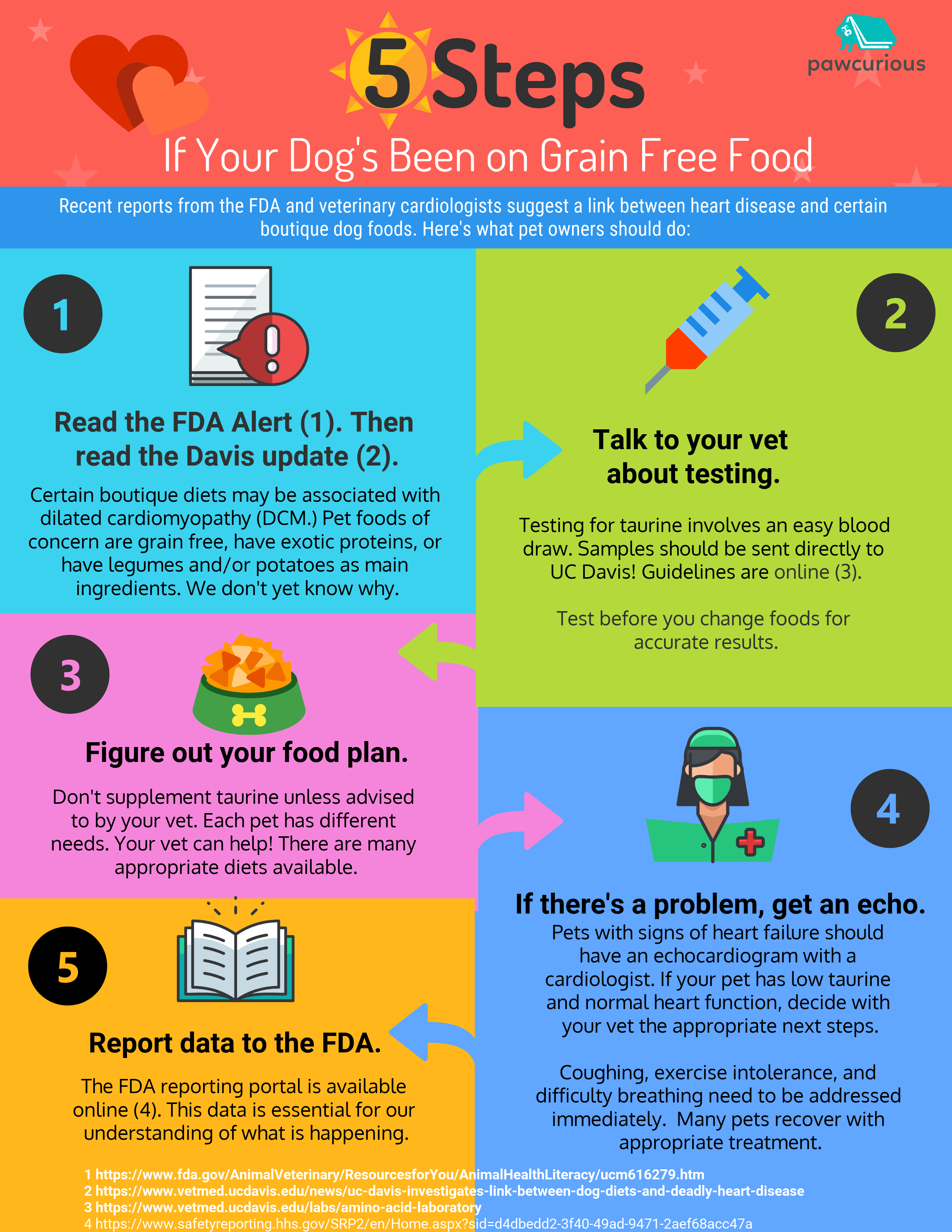
The FDA has studied grain free diets and heart disease. Their research shows a possible link between these diets and DCM. The agency warns pet owners to watch for symptoms like weakness or coughing. They advise consulting vets before changing diets. FDA findings urge caution and more research on grain free foods.
Comparing Grain Free And Grain Inclusive Diets
Comparing grain free and grain inclusive diets helps understand their pros and cons. Both diets offer different benefits for dogs. Choosing the right one depends on your dog’s health, lifestyle, and needs. This section breaks down key factors to consider.
Nutrient Profiles
Grain inclusive diets often contain rice, corn, or barley. These grains provide carbohydrates, fiber, and some vitamins. Grain free diets replace grains with potatoes, peas, or lentils. These ingredients also offer carbohydrates and fiber but differ in nutrient content. Both diets aim to balance protein, fat, and essential nutrients. Always check the ingredient list for a complete nutrient profile.
Digestibility And Energy
Dogs digest grains easily, which provides steady energy release. Grain inclusive diets often support active dogs with moderate energy needs. Grain free diets use alternative carbs that may digest differently. Some dogs with allergies or sensitivities digest grain free food better. Energy levels depend on the overall diet, not just grain presence. Observe your dog’s response to determine the best option.
Cost And Availability
Grain inclusive dog foods are usually more affordable and widely available. Grain free diets tend to cost more due to specialty ingredients. Finding grain free options may be harder in some areas. Budget and local availability affect your choice. Consider your dog’s needs and your resources before deciding.
When To Consider Grain Free Food
Choosing the right diet for your dog is important for its health. Grain free food is not always necessary. It can help in certain cases. Knowing when to consider grain free food can keep your dog healthy and happy.
Many dog owners wonder if grain free food is a better choice. It depends on the dog’s needs and health conditions. Watch your dog carefully and make decisions based on facts.
Veterinary Recommendations
Your vet knows your dog’s health best. They can suggest if a grain free diet is needed. Some dogs have specific health problems that grain free food can help. Always ask your vet before changing food.
Identifying True Grain Allergies
Grain allergies in dogs are rare but possible. Symptoms include itching, skin problems, and upset stomach. A vet can test for true grain allergies. Avoid guessing and making changes without proof.
Monitoring Dog’s Response
Switching to grain free food requires close observation. Check your dog’s energy, skin, and digestion. Keep a food diary to note any changes. If problems improve, grain free may be right. If not, consult your vet again.
Tips For Choosing Safe Dog Food
Choosing safe dog food is important for your pet’s health. Not all dog foods are made the same. Some may lack important nutrients or include harmful ingredients. Here are some tips to help you pick the right food for your dog.
Reading Ingredient Labels
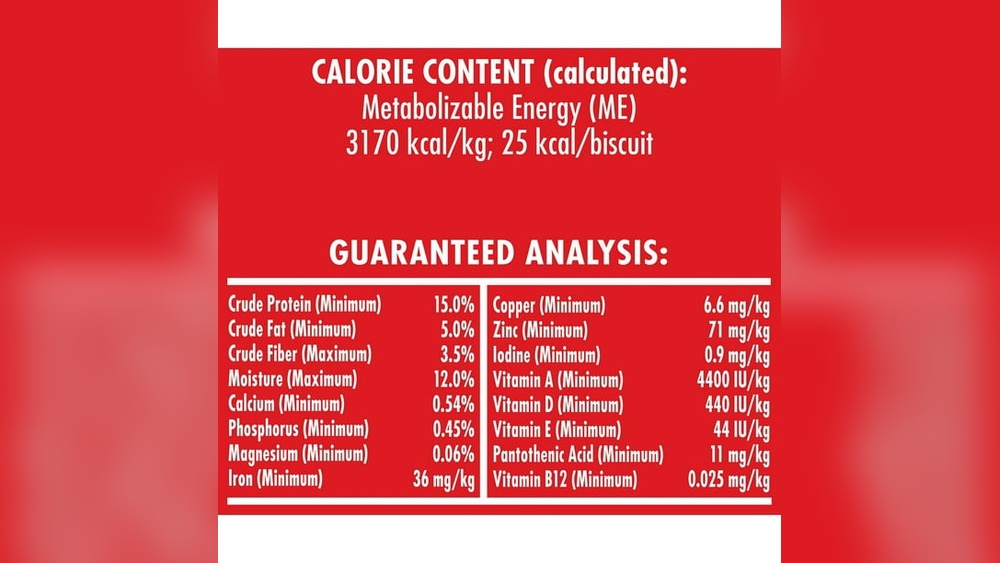
Always check the ingredient list on the dog food package. Look for real meat or fish as the first ingredient. Avoid foods with too many fillers like corn or wheat. Stay away from artificial colors, flavors, and preservatives. Simple, natural ingredients are best for your dog’s health.
Consulting Professionals
Talk to your vet or a pet nutrition expert. They know your dog’s needs and health history. Ask about the best diet for your dog’s age and breed. Experts can help you avoid diets that may cause allergies or other problems. Their advice helps you make smart choices.
Balanced Nutrition Priorities
Dogs need a balanced diet for energy and growth. Ensure the food has proteins, fats, and carbohydrates in the right amounts. Vitamins and minerals are also important for your dog’s immune system. Avoid diets that cut out whole food groups without good reason. Balance keeps your dog healthy and happy.
Credit: www.lucautosrl.it
Frequently Asked Questions
What Is A Grain Free Diet For Dogs?
A grain free diet excludes wheat, corn, rice, and other grains. It focuses on proteins and vegetables instead. This diet suits dogs with grain allergies or sensitivities. However, not all dogs need grain free food for optimal health.
Are Grain Free Diets Harmful To Dogs?
Grain free diets can be harmful if unbalanced. Some studies link them to heart disease in dogs. Always consult a vet before switching to grain free food. Proper formulation and vet guidance ensure your dog’s safety and nutrition.
Do Dogs Need Grains In Their Diet?
Dogs do not need grains to survive. Grains provide carbohydrates and nutrients, but dogs can get these from other sources. Balanced nutrition matters more than the presence of grains. Consult your vet for the best diet for your dog.
Can Grain Free Diets Cause Heart Problems?
Some grain free diets have been associated with canine dilated cardiomyopathy (DCM). This condition affects heart muscles and can be serious. The exact cause is unclear, but certain ingredients may play a role. Vet advice is crucial before choosing grain free food.
Conclusion
Grain free diets for dogs have both pros and cons. Some dogs may benefit from avoiding grains. Others might miss important nutrients found in grains. Talk to your vet before changing your dog’s food. Watch your dog’s health closely during any diet change.
Every dog is different. Choose what fits your dog best. Keep your dog happy and healthy above all.