

Are you wondering if adult dog food is safe or healthy for your puppy? Choosing the right food for your growing dog is one of the most important decisions you’ll make.
What you feed now can shape their health, energy, and happiness for years to come. But with so many options on the shelf, it’s easy to question whether adult dog food can do the job. Keep reading to discover the surprising facts that could change how you feed your puppy—and why getting it right matters more than you think.
Nutritional Needs Of Puppies
Puppies have special nutritional needs that differ from adult dogs. Their bodies grow fast and need the right food to stay healthy. Feeding puppies the correct nutrients supports strong bones, muscles, and brain development. Proper nutrition helps puppies build immunity and energy for daily activities. Understanding these needs helps you choose the best diet for your young dog.
Growth And Development Requirements
Puppies grow rapidly in the first year. Their bodies need extra calories for energy and growth. They require food that supports bone strength and muscle building. Balanced meals help develop a healthy heart and organs. Growth phases also demand nutrients that boost brain and eye health.
Key Nutrients For Puppies
Protein is essential for muscle and tissue growth. Puppies need higher protein levels than adult dogs. Fat provides energy and supports brain development. Calcium and phosphorus build strong bones and teeth. Vitamins and minerals keep the immune system healthy. DHA, an omega-3 fatty acid, aids brain and eye function.
Differences From Adult Dogs
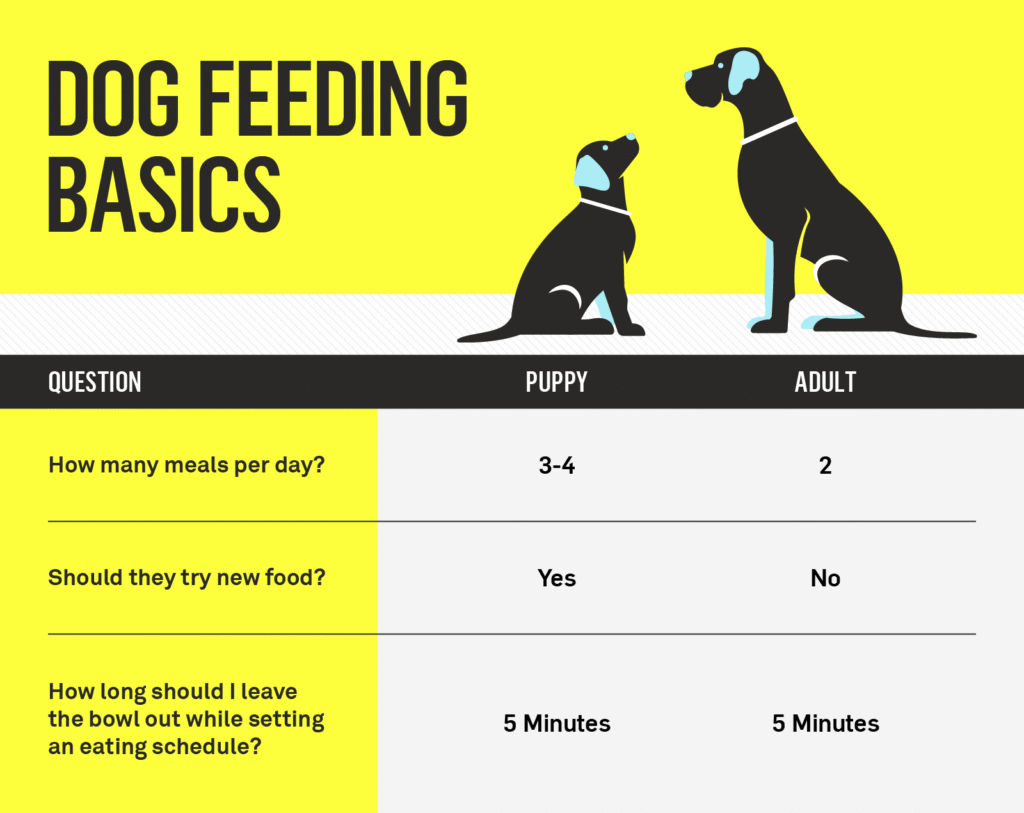
Adult dog food does not meet puppies’ higher energy needs. Adult formulas may lack enough protein and fat for growth. Puppy food contains more nutrients to support rapid development. Feeding adult food too early can slow puppy growth. Puppies require smaller, more frequent meals than adults.
Adult Dog Food Composition
Adult dog food has a specific mix of ingredients and nutrients. These are made for dogs that have finished growing. Puppies need different nutrition to support their fast growth and development. Understanding the composition of adult dog food helps to see if it suits puppies.
Adult dog food focuses on maintaining health and energy in mature dogs. It often has balanced amounts of protein, fat, and calories but not always enough for a puppy’s needs. Let’s explore the typical ingredients and nutrient levels in adult dog food.
Typical Ingredients And Nutrient Levels
Adult dog food usually contains meat, grains, vegetables, and added vitamins. Meat provides protein and fat, essential for energy and muscle. Grains and vegetables give fiber and some carbohydrates. Vitamins and minerals support overall health and immune function.
Compared to puppy food, adult formulas often have less calcium and phosphorus. These minerals help build strong bones and teeth in growing puppies. Adult food might also have fewer omega fatty acids, which support brain and coat health in young dogs.
Caloric Content Comparison
Adult dog food has fewer calories per serving than puppy food. Adult dogs need less energy because they are not growing rapidly. Puppies burn more calories to fuel their growth and playful energy.
Feeding puppies food with low calories can slow their development. They may not get enough energy to build muscles and organs. Puppy food has extra calories to meet these needs.
Protein And Fat Ratios
Adult dog food typically contains 18-25% protein and 8-15% fat. Puppies need more protein and fat to support growth. Puppy food often has 22-32% protein and 10-25% fat.
Protein helps build muscles, organs, and tissues. Fat provides energy and supports brain development. Adult dog food may not have enough of these nutrients for puppies to thrive.
Risks Of Feeding Puppies Adult Food
Feeding puppies adult dog food can cause serious risks. Puppies need special nutrition for their fast growth. Adult dog food does not meet these needs. This can lead to problems in their development and health. Understanding these risks helps keep puppies healthy and strong.
Potential Nutritional Deficiencies
Adult dog food lacks some key nutrients puppies need. Puppies require more protein, fat, and vitamins. These help build muscles, bones, and the brain. Adult food may have less of these nutrients. This can cause puppies to grow weak or slower than normal.
Impact On Growth And Health
Puppies grow rapidly in the first months. They need extra calories and nutrients for this growth. Adult food often has fewer calories and less fat. Feeding it to puppies can stunt their growth. This may also weaken their immune system. A weak immune system makes them prone to illness.
Common Health Issues
Feeding puppies adult food can cause health problems. They may develop poor bone and joint health. Digestive issues like upset stomach or diarrhea are common. Nutrient imbalance can lead to skin and coat problems. These issues can affect a puppy’s quality of life.
Credit: www.gallant.com
When Adult Food Might Be Suitable
Adult dog food usually does not meet all puppy needs. Puppies need more nutrients for growth. Still, adult dog food might work in some cases. Knowing when this is safe helps keep puppies healthy and growing well.
Short-term Use Scenarios
Adult dog food can be okay for a short time. For example, if puppy food is not available, it can fill in. Also, during travel or emergencies, adult food keeps puppies fed. It should not last long because it lacks extra vitamins and minerals.
Veterinarian Recommendations
Sometimes vets suggest adult dog food for puppies. This can happen if a puppy has health issues. Certain conditions may require a different diet. Always follow the vet’s advice on feeding and timing. They know what is best for the puppy’s health.
Transitional Feeding Tips
Switching from puppy food to adult food needs care. Mix small amounts of adult food with puppy food first. Gradually increase adult food over several days. Watch the puppy’s digestion and energy levels. Stop if there are signs of discomfort or illness.
Choosing The Right Food For Puppies
Choosing the right food for puppies is very important for their growth and health. Puppies need more nutrients than adult dogs. Their food must support strong bones, muscles, and a good immune system. Feeding the correct food helps puppies develop well and stay active.
There are many options available, but not all are suitable for puppies. Selecting the right type of food ensures your puppy gets the right balance of vitamins and minerals. It also helps avoid health problems later in life. Understanding what to look for makes feeding easier and safer.
Puppy-specific Formulas
Puppy-specific formulas are made to meet puppies’ unique needs. These foods contain more protein and fat than adult dog food. Protein helps build muscles and fat provides energy for active puppies. These formulas also include extra vitamins and minerals for healthy growth.
Choosing a puppy formula ensures the food supports brain and bone development. The size and texture of the food are also designed for small mouths. Feeding adult dog food can miss these important nutrients and slow growth.
Reading Pet Food Labels
Pet food labels show important information about the ingredients and nutrients. Look for labels that say “complete and balanced” for puppies. This means the food has all the necessary nutrients for their age.
Check the first few ingredients. Meat should be listed first for good protein. Avoid foods with too many fillers like corn or wheat. Also, check for added vitamins like calcium and DHA, which help brain and bone growth.
Consulting With Professionals
Talk to your veterinarian about the best food for your puppy. They can recommend brands and formulas that suit your puppy’s breed and size. Vets can also help if your puppy has allergies or special needs.
Pet nutritionists are another good source of advice. They know how to balance diets for healthy growth. Getting professional advice helps prevent feeding mistakes and keeps your puppy healthy.
Credit: www.acanapetfoods.co.uk
Monitoring Puppy Health And Growth
Monitoring a puppy’s health and growth is key to ensuring a strong, happy dog. Puppies grow fast and need the right food to support this growth. Paying attention to their health helps catch problems early. It also guides you in adjusting their diet as they change.
Signs Of Proper Nutrition
A healthy puppy has a shiny coat and bright eyes. They have steady energy throughout the day. Their weight gain follows a steady path without sudden spikes or drops. Firm stools show the food suits them well. Good appetite and playful behavior also mean proper nutrition.
Adjusting Diet As Puppy Grows
As puppies grow, their food needs change. Young puppies need food rich in protein and fat. Older puppies start needing fewer calories but more balanced nutrients. Gradually change their food to match their age and activity. This helps avoid digestive issues and supports healthy growth.
Regular Vet Checkups
Regular visits to the vet track your puppy’s growth. Vets check weight, body condition, and overall health. They offer advice on diet and supplements if needed. These checkups help spot health issues early. Follow vet recommendations to keep your puppy healthy.

Credit: www.bowlerspets.com
Frequently Asked Questions
Can Puppies Eat Adult Dog Food Safely?
Puppies need specific nutrients for growth, which adult dog food lacks. Feeding adult dog food may cause nutritional deficiencies and affect development. It’s best to use puppy-formulated food for balanced nutrition tailored to their needs.
What Are The Risks Of Feeding Puppies Adult Food?
Adult dog food may have lower protein, fat, and calories than puppy food. This can lead to poor growth, weak immunity, and developmental delays in puppies. Proper puppy food supports their energy and brain development during crucial growth stages.
When Should I Switch My Puppy To Adult Dog Food?
Switching to adult dog food depends on the breed and size. Generally, small breeds switch around 9-12 months, and large breeds at 12-18 months. Consult your vet to determine the best time based on your puppy’s growth and health.
Is Adult Dog Food Missing Nutrients For Puppies?
Yes, adult dog food often lacks higher protein, DHA, and calcium levels puppies need. These nutrients support brain development, bone growth, and overall health. Puppy food is specially formulated to meet these increased nutritional requirements.
Conclusion
Puppies need food that helps them grow strong and healthy. Adult dog food lacks the right nutrients for puppies. Feeding adult food to puppies can slow their growth. Choose puppy-specific food for balanced vitamins and minerals. Always check with a vet if unsure about feeding choices.
Healthy food supports energy, development, and a happy puppy. Keep your puppy’s diet simple and suited to their needs. Good nutrition now means a strong dog later.


