Have you ever noticed your dog starting to drool the moment you step into the car? It can be messy and a bit confusing.
But why does this happen? Understanding why your furry friend drools in the car can help you make their rides more comfortable and stress-free. Keep reading, because the answer might surprise you—and it could change the way you travel together forever.

Credit: www.reddit.com
Common Causes Of Car Drooling
Many dogs drool during car rides. Understanding why helps pet owners manage this behavior better. Drooling can happen for several reasons related to the car environment. These reasons affect dogs differently based on their health, mood, and comfort.
Motion Sickness In Dogs
Motion sickness is a common cause of drooling in cars. Dogs feel nausea from the movement of the vehicle. Their inner ear senses conflict with what their eyes see. This confusion causes dizziness and stomach upset. Drooling is a natural reaction to feeling sick. Some dogs become very uncomfortable and may also vomit.
Anxiety And Stress
Stress and anxiety often cause dogs to drool in cars. New or loud environments can scare dogs. Some dogs dislike being confined in a small space. Nervousness triggers excessive saliva production. Drooling shows their discomfort and worry. Owners may notice shaking or pacing along with drooling.
Heat And Temperature
Heat inside a car can make dogs drool more. Warm temperatures cause dogs to pant and produce more saliva. Cars can heat up quickly, especially in the sun. High heat stresses dogs and increases drooling. Keeping the car cool helps reduce this problem. Always provide fresh air and shade.
Excitement And Anticipation
Some dogs drool because they feel excited during car trips. They may anticipate a fun outing or visit to the park. This excitement stimulates saliva glands. Drooling shows their eagerness and happy mood. Unlike stress drooling, this is a positive reaction to the ride.
Physical Factors Behind Drooling
Dogs drool in the car for many physical reasons. Their bodies react to different triggers during the ride. Understanding these factors helps pet owners care better for their dogs.
Nausea And Digestion Issues
Car rides can upset a dog’s stomach. Motion sickness causes nausea and excess saliva. Dogs may drool more as their body tries to cope. This is similar to how humans feel sick in a moving car.
Mouth And Dental Problems
Dental pain or mouth injuries can increase drooling. If a dog has sores, broken teeth, or gum disease, saliva production rises. The car’s movement may worsen discomfort and cause more drool. Watch for signs of dental trouble during rides.
Breed-specific Traits
Some breeds naturally drool more than others. Breeds like Saint Bernards and Bulldogs have loose lips. This makes drool drip easily, especially during excitement or stress. Knowing your dog’s breed traits helps explain drooling in the car.
Environmental Triggers In Cars
Dogs often drool in the car because of several environmental triggers. These triggers can make your dog feel uneasy or excited. Understanding these factors helps you make car rides more comfortable for your pet.
Car Smells And Sounds
The car has many new smells for dogs. The scent of the engine, fuel, or even air fresheners can bother them. Loud noises like the engine or traffic sounds may increase their stress. These unfamiliar smells and sounds can cause drooling as a stress reaction.
Window Position And Airflow
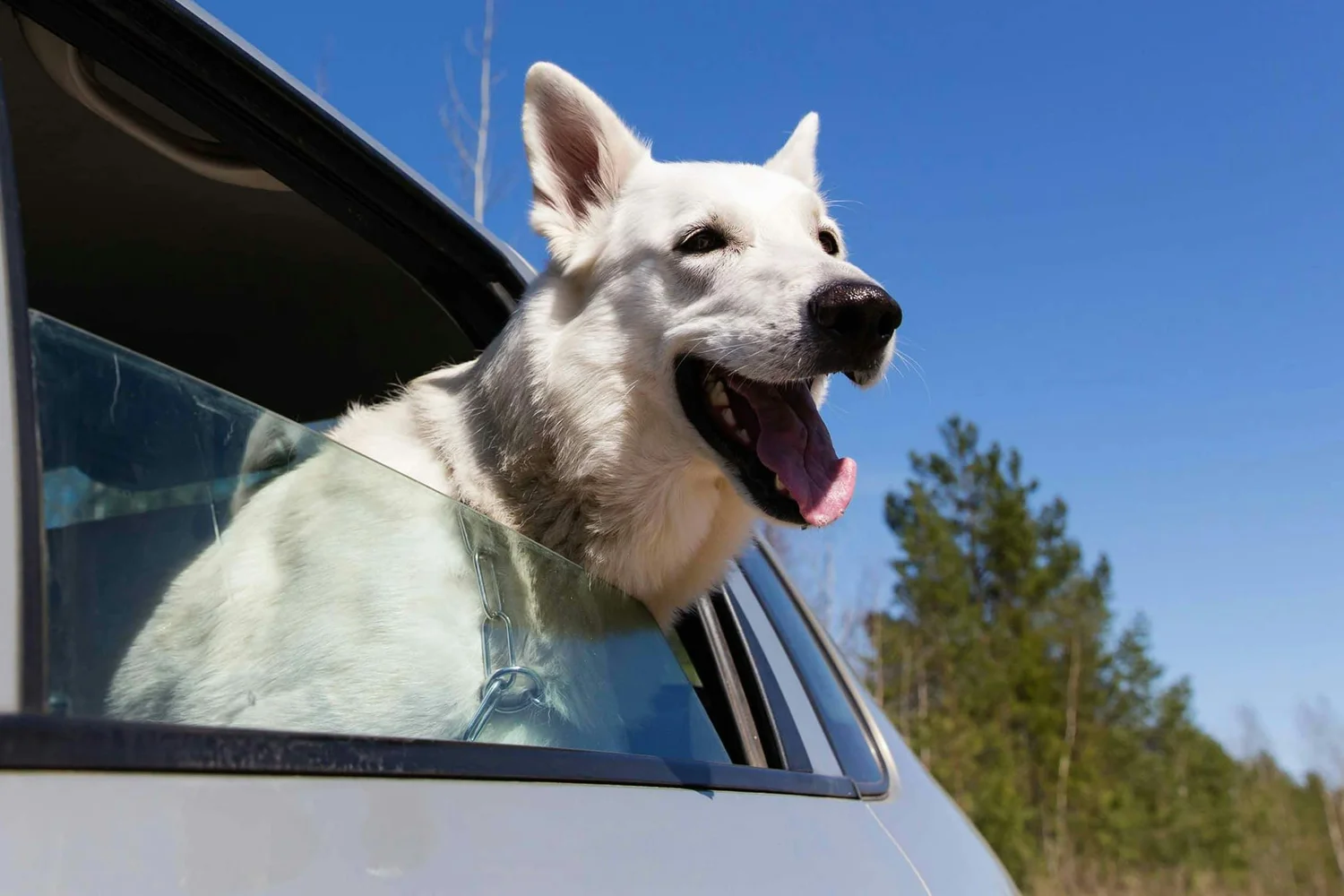
Open windows bring fresh air but also strong smells and wind. Some dogs like the breeze, but others find it overwhelming. Too much wind can dry their mouth, causing extra saliva. The position of the window can change how much airflow your dog feels, affecting drooling.
Duration Of The Ride
Long car rides can make dogs tired or anxious. As the ride goes on, stress may build up, leading to more drooling. Short trips often cause less drooling because the dog stays calmer. Watching your dog’s behavior during the ride helps you understand their comfort level.
Credit: www.fresh-layer.com
How To Reduce Drooling During Rides
Drooling during car rides can make travel messy and stressful for both dogs and owners. Reducing drooling helps create a calm and clean environment. Simple steps before and during travel can ease your dog’s discomfort. Small changes make rides more enjoyable and less messy.
Preparing Your Dog Before Travel
Start by taking short practice trips around the block. Let your dog get used to the car’s movement and sounds. Avoid feeding your dog a large meal right before the ride. A light snack is better to prevent nausea. Offer water to keep your dog hydrated but in small amounts.
Comfortable Car Setup
Use a dog seat belt or crate for safety and comfort. Place a soft blanket or your dog’s favorite toy in the car. Keep the temperature cool and avoid strong smells inside the vehicle. Open a window slightly for fresh air but not too much. A calm space helps reduce anxiety and drooling.
Calming Techniques And Tools
Talk to your dog in a soothing voice during the trip. Play soft music or white noise to mask road sounds. Try calming sprays or pheromone diffusers designed for dogs. These products can create a relaxing atmosphere. Reward your dog with treats for calm behavior.
Consulting A Veterinarian
If drooling is severe or linked to sickness, visit your vet. Motion sickness or anxiety might need medical help. Your vet can suggest safe medications or treatments. Regular health checks ensure your dog’s travel comfort. Professional advice is important for serious cases.

Credit: www.reddit.com
Frequently Asked Questions
Why Do Dogs Drool More In The Car?
Dogs drool more in the car due to motion sickness and anxiety. The moving vehicle can upset their stomach. Nervousness also triggers excessive saliva production. This combination causes increased drooling during car rides.
Can Car Anxiety Cause Drooling In Dogs?
Yes, car anxiety can cause drooling in dogs. Stress activates their salivary glands. Nervous dogs produce more saliva as a physical response. Managing anxiety helps reduce drooling during car trips.
Is Drooling A Sign Of Car Sickness In Dogs?
Drooling is a common sign of car sickness in dogs. It indicates nausea and discomfort. Other symptoms include pacing, whining, and vomiting. Recognizing drooling helps identify and address motion sickness early.
How Can I Reduce My Dog’s Car Drooling?
To reduce car drooling, calm your dog before trips. Use familiar blankets or toys for comfort. Frequent breaks and fresh air help too. Consult a vet for motion sickness remedies if needed.
Conclusion
Dogs often drool in the car due to nerves or motion sickness. This is a normal reaction but can feel messy. Keeping your dog calm helps reduce drooling. Try short trips first to build comfort. Fresh air and breaks make rides better.
Watch your dog’s behavior for signs of stress. Understanding why dogs drool makes travel easier. Enjoy your trips together with patience and care.