You want the best for your dog, and choosing the right food is a big part of that. Maybe you’ve heard that grain-free diets are healthier or safer for dogs.
But what if that’s not the whole story? What if feeding your dog grain-free food could actually harm their health? Understanding why a grain-free diet might be bad for your dog can save you from costly vet visits and heartbreak.
Keep reading to discover the surprising facts that every dog owner needs to know before making this important decision.
Credit: janyafertilityclinic.com
Grain Free Diet Popularity
The grain free diet for dogs has gained a lot of attention recently. Many pet owners choose this diet thinking it is healthier for their dogs. This trend grew fast, and now many dog foods claim to be grain free. Understanding why this diet became popular helps us see its impact on dogs.
Origins Of Grain Free Trends
The grain free trend started because of concerns about dog allergies. Some owners believed grains caused skin problems and stomach issues. This idea spread through social media and pet groups quickly. Dog food brands responded by creating grain free options. They promoted these foods as natural and better for dogs.
Common Beliefs Among Pet Owners
Many pet owners think grains are bad for dogs. They believe dogs cannot digest grains well. Some say grains cause weight gain and inflammation. Others trust grain free diets will improve their dog’s health. These beliefs make grain free diets very popular. Pet owners want the best for their dogs, so they choose these diets.
Nutritional Role Of Grains
Grains have been part of many dog diets for years. They are more than fillers. Grains provide important nutrition that supports a dog’s health and energy.
Removing grains can affect a dog’s diet balance. Knowing what grains offer helps understand why grain-free diets may cause issues.
Essential Nutrients Provided
Grains supply key nutrients like carbohydrates, fiber, and some proteins. Carbohydrates give dogs energy to stay active. Fiber helps with digestion and keeps the gut healthy. Grains also contain vitamins such as B vitamins, which support the nervous system and skin health. Minerals like iron and magnesium in grains support blood health and muscle function.
These nutrients work together to keep dogs strong and healthy. Without grains, dogs might miss out on these vital components.
Grains Vs. Alternative Ingredients
Grain-free diets often replace grains with ingredients like potatoes, peas, or lentils. These alternatives provide carbohydrates and some fiber but differ in nutrient content. Some may lack certain vitamins and minerals found in grains. Also, alternative ingredients can cause allergies or digestive problems in some dogs.
Choosing a diet without grains needs careful planning. Dogs need a complete and balanced diet for good health. Grain-free does not always mean better or safer.
Health Risks Linked To Grain Free Diets
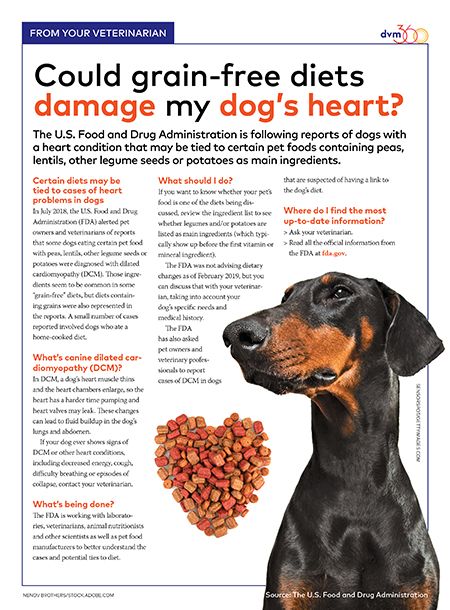
Grain free diets for dogs have gained popularity, but they carry health risks. These diets remove grains and replace them with other ingredients. This change can cause serious problems for your dog’s health.
Some health issues linked to grain free diets may affect your dog’s heart, digestion, and nutrient balance. It is important to know these risks before choosing such a diet.
Dilated Cardiomyopathy (dcm) Concerns
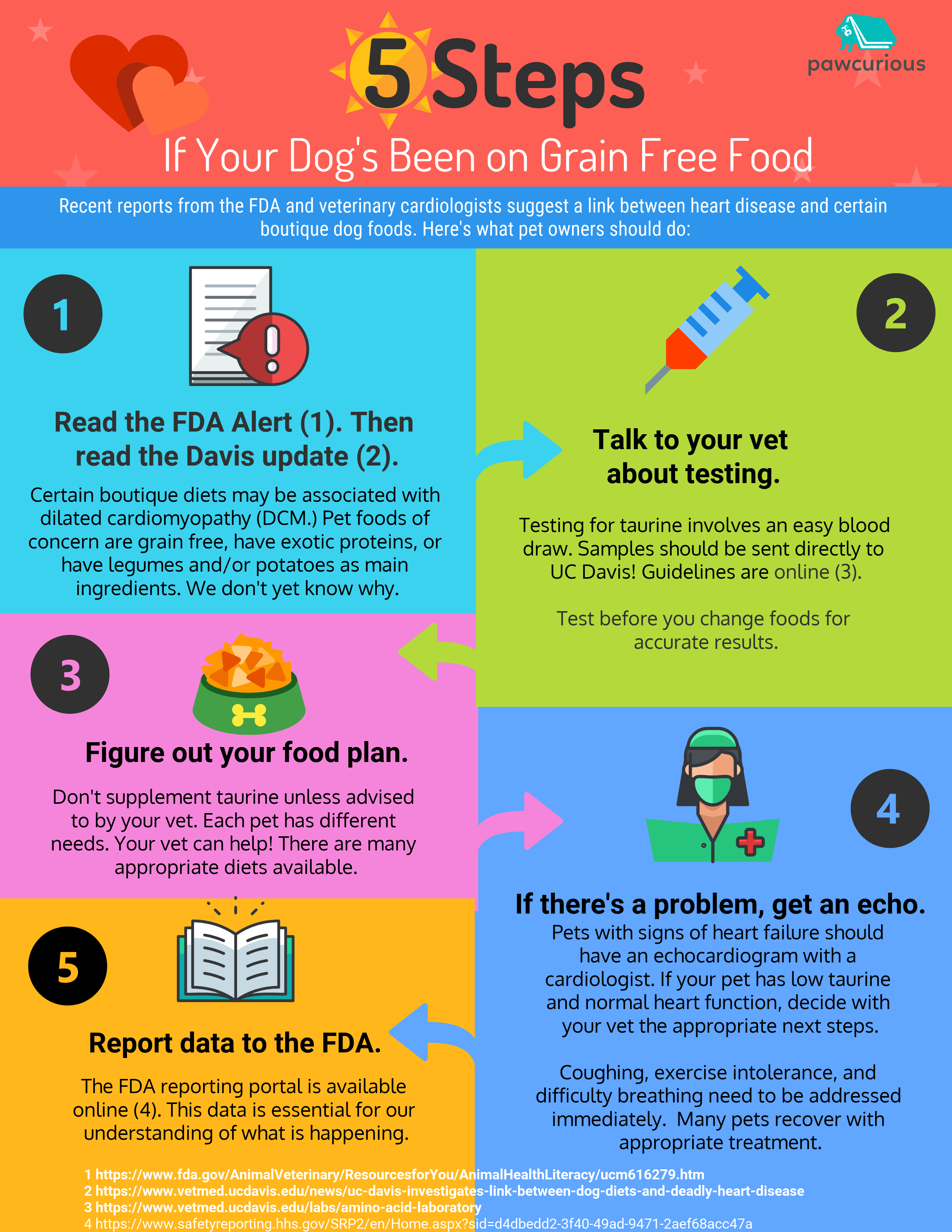
DCM is a heart condition where the heart muscle weakens. Grain free diets have been linked to an increase in DCM cases. This is because some grain free recipes lack certain nutrients like taurine. Taurine is vital for strong heart muscles. Dogs on grain free diets might not get enough taurine, leading to heart problems.
Nutrient Deficiencies
Grains provide important nutrients such as fiber, vitamins, and minerals. Grain free diets often replace grains with potatoes or peas. These substitutes may not give the same nutrients. This can cause nutrient gaps in your dog’s diet. Lack of essential nutrients can affect your dog’s energy, skin, and overall health.
Digestive Issues
Grains help with healthy digestion by adding fiber. Removing grains can reduce fiber intake. This change may cause digestive problems like diarrhea or constipation. Dogs may also find some grain free foods harder to digest. Proper digestion is key to nutrient absorption and good health.
Credit: janyafertilityclinic.com
Scientific Studies And Findings
Scientific studies provide important facts about grain free diets for dogs. These diets became popular but raised health concerns. Researchers studied how these diets affect dogs’ heart health and overall well-being. The findings reveal risks that pet owners should know. Understanding the science helps in making better food choices for dogs.
Key Research On Grain Free Diets
Researchers found links between grain free diets and heart disease in dogs. A condition called dilated cardiomyopathy (DCM) appeared more often in dogs eating grain free food. Studies suggest some grain free formulas lack key nutrients. This can weaken the heart muscle over time.
One large study showed dogs on grain free diets had higher rates of DCM than those on regular diets. The exact cause is unclear. Scientists think missing nutrients or unusual ingredients play a role. More research is ongoing to understand the full impact.
Veterinary Expert Opinions
Veterinarians warn against grain free diets without medical need. Many vets see cases of heart problems linked to these foods. They advise pet owners to choose balanced diets with grains. Grains often provide important vitamins and fibers that support health.
Experts say not all dogs need grain free food. Only dogs with allergies or digestive issues might benefit. Vets recommend discussing diet changes before switching to grain free options. They emphasize careful ingredient selection to avoid health risks.
Misconceptions About Grains In Dog Food
Many dog owners believe grains harm their pets. This idea has led to a rise in grain-free dog foods. Some think grains cause allergies or digestive problems. This section explores common misunderstandings about grains in dog diets.
Gluten Sensitivity Vs. Grain Allergies
Gluten sensitivity in dogs is rare. It happens mostly in specific breeds. Grain allergies are even less common. Most dogs digest grains without issues. Grains like rice, oats, and barley offer nutrients. They provide fiber, vitamins, and minerals. These help dogs stay healthy and active.
Debunking Grain Myths
Grains do not cause weight gain in dogs. Obesity links to overeating and lack of exercise. Grain-free diets often replace grains with more fat. This can lead to weight problems. Some believe grains cause diabetes. No strong evidence supports this claim. Balanced dog food with grains supports good digestion. Avoiding grains without reason can limit nutrition.
Choosing The Right Diet For Your Dog
Choosing the right diet for your dog is important for their health and happiness. Dogs need food that gives them energy and helps their body grow strong. Not all diets work the same for every dog. Some diets can cause problems instead of helping. Understanding your dog’s needs can prevent health issues and keep them active.
Consulting With A Veterinarian
A veterinarian knows what your dog needs. They can check your dog’s health and suggest the best diet. They watch for allergies, weight problems, and other health issues. Getting advice from a vet helps avoid diets that may harm your dog. Always ask a vet before changing your dog’s food.
Balanced Nutrition Tips
Dogs need a mix of proteins, fats, and carbs. Each part helps their body in different ways. Proteins build muscles. Fats give energy. Carbs support digestion. Vitamins and minerals keep their immune system strong. Avoid diets that cut out important food groups without reason. A balanced diet supports your dog’s overall health.
Alternatives To Grain Free Diets
Choosing the right diet for your dog is important for their health. Grain free diets are not always the best choice. Many dogs do well on diets that include grains or have fewer ingredients. These options can provide good nutrition without the risks linked to grain free foods.
Whole Grain Options
Whole grains offer many nutrients that dogs need. Brown rice, oats, and barley are good examples. These grains give fiber, vitamins, and minerals. Fiber helps digestion and keeps your dog’s stomach healthy. Whole grains also provide energy that lasts longer. Many dogs enjoy the taste and texture of whole grains in their food.
Limited Ingredient Diets
Limited ingredient diets use fewer ingredients to reduce allergies. These diets focus on simple recipes with one protein and one carbohydrate source. This helps identify food sensitivities in dogs. Limited ingredient diets often include grains like rice or quinoa. They support dogs with sensitive stomachs or skin problems. Choosing limited ingredient foods can improve your dog’s health safely.
Credit: pawcurious.com
Frequently Asked Questions
Why Is A Grain Free Diet Bad For Dogs?
A grain free diet can lack essential nutrients dogs need. It may cause heart issues like dilated cardiomyopathy. Avoiding grains doesn’t always improve allergies or digestion. Consult your vet before switching diets to ensure balanced nutrition.
Can Grain Free Diets Cause Heart Problems In Dogs?
Yes, grain free diets have been linked to dilated cardiomyopathy (DCM). This serious heart condition affects heart function and can be fatal. The FDA has investigated this connection. Always monitor your dog’s health and seek vet advice on diet.
Are Grain Free Diets Necessary For Dogs With Allergies?
Not always. Most dogs tolerate grains well. Allergies are usually caused by proteins, not grains. Grain free diets may not improve allergy symptoms. Proper diagnosis and vet guidance are essential for effective treatment.
How Do Grain Free Diets Affect Dog Nutrition?
Grain free diets often replace grains with legumes or potatoes. This can lead to nutrient imbalances or deficiencies. Dogs need a balanced diet including proteins, fats, vitamins, and minerals. Grain free doesn’t guarantee better nutrition.
Conclusion
Grain free diets may seem healthy but can harm dogs over time. Dogs need balanced food with grains for proper nutrition. Removing grains can cause heart problems and nutrient gaps. Always choose diets made with safe, tested ingredients. Consult your vet before changing your dog’s food.
Healthy eating means thinking about long-term effects. Keep your dog strong and happy with good nutrition. Avoid quick diet trends that might risk your pet’s health. Your dog deserves the best care and food choices.