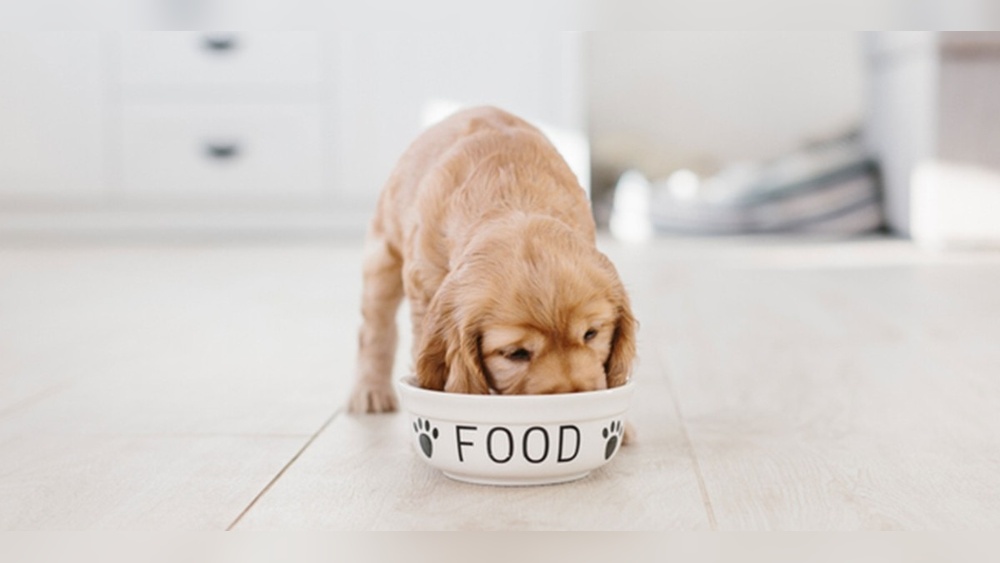
Is your furry friend turning one and you’re wondering if it’s time to switch from puppy food to adult dog food? You want to make sure your dog stays healthy and happy, but the choices can be confusing.
Can your 1-year-old dog safely eat adult food? And if so, when is the right time to make the change? Keep reading to find out what you need to know to give your dog the best nutrition at this important stage of life.
Your dog’s well-being depends on it!
Credit: www.petmd.com
Age And Nutritional Needs
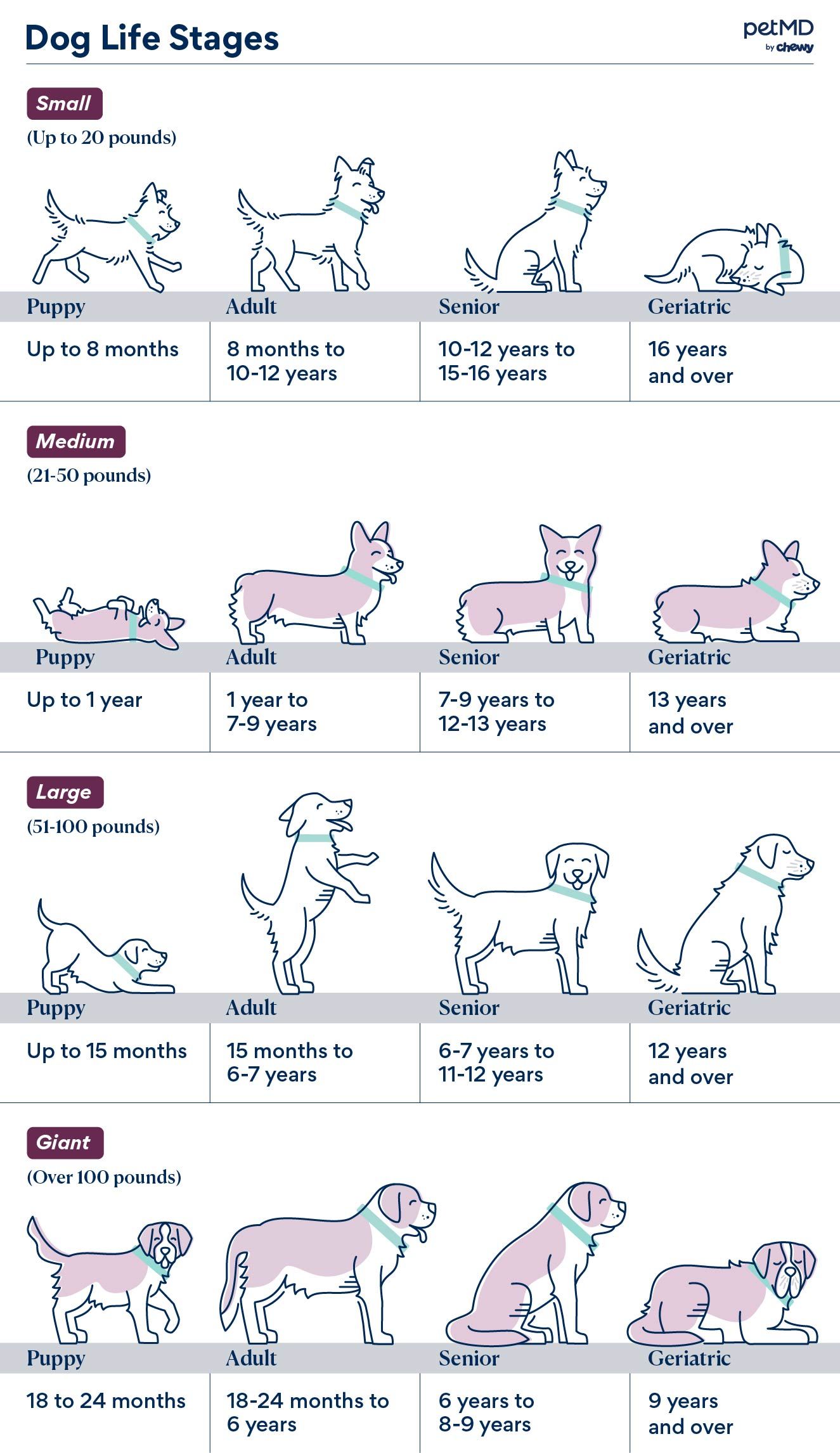
Age plays a big role in a dog’s diet. Different life stages need different nutrients. Feeding your dog the right food helps keep them healthy and strong. Understanding these needs can guide your choice between puppy and adult food.
Growth Stages In Dogs
Puppies grow fast. They need more calories and nutrients for bones and muscles. Their food must support brain and eye development. Adult dogs grow slowly. They need fewer calories to avoid weight gain. Their diet focuses on maintaining health and energy.
Differences Between Puppy And Adult Food
Puppy food has more protein and fat. It supports quick growth and development. Adult dog food has balanced nutrients to keep energy steady. It contains less fat to prevent obesity. Vitamins and minerals differ to meet each stage’s needs.
Signs Your Dog Is Ready For Adult Food
Knowing when your dog is ready to switch to adult food is important. This change supports their health as they grow. Dogs show clear signs that they are ready to make this switch. Recognizing these signs helps you feed your dog the right food at the right time.
Physical Indicators
Your dog’s body changes as they grow older. Adult dogs have less puppy fat and more muscle. Their teeth are fully grown and stronger. Coat texture may become thicker and shinier. Puppies often look chubbier than adult dogs. Watch for a steady weight and size that matches adult dogs of the same breed. These signs mean their body is ready for adult food.
Behavioral Changes
Adult dogs act differently than puppies. They may become calmer and less playful. Energy levels might drop from puppy bursts to steady activity. Eating habits change too. Adult dogs can eat larger meals less often. They might show less interest in constant snacking. These behavior shifts suggest it is time for adult dog food.
Risks Of Feeding Adult Food Too Early
Feeding adult dog food to a one-year-old dog too soon can cause health problems. Puppies and young dogs need food that supports their fast growth. Adult food lacks some key nutrients that young dogs require. Using adult food too early might harm your dog’s development and well-being.
Nutritional Deficiencies
Adult dog food does not have enough protein for growing dogs. Puppies need more protein to build strong muscles and bones. Adult food often has less fat, which puppies need for energy. Missing these nutrients can slow growth and weaken the immune system. Young dogs may become tired or sick more often.
Digestive Issues
Switching to adult food too early can upset your dog’s stomach. Puppy digestive systems are sensitive and need special care. Adult food has different fiber and nutrient levels that may cause diarrhea or vomiting. These problems can lead to dehydration and poor nutrient absorption. It is best to feed the right food for your dog’s age.
Transitioning To Adult Dog Food
Switching your dog from puppy food to adult food is important for their health. At one year old, many dogs need different nutrients than puppies do. Adult dog food supports their energy needs and helps maintain a healthy weight. Making the change carefully can avoid stomach problems and keep your dog happy.
Gradual Switch Techniques
Start by mixing a small amount of adult food with puppy food. Use about 25% adult food and 75% puppy food for the first few days. Slowly increase the adult food amount over 7 to 10 days. This helps your dog’s stomach adjust to the new diet. Avoid sudden changes to prevent digestive upset.
Monitoring Your Dog’s Reaction
Watch your dog’s behavior and digestion during the switch. Look for signs like vomiting, diarrhea, or loss of appetite. Check their energy levels and coat condition. If you notice problems, slow down the transition. Contact your vet if issues continue or worsen. Keeping a close eye helps ensure a smooth change to adult food.
Choosing The Right Adult Food
Switching your dog to adult food at one year is important for their health. Adult dog food has the right nutrients for their grown body. Picking the best food helps keep your dog active and strong. Quality adult food supports good digestion, healthy skin, and a shiny coat.
Not all adult dog foods are the same. Some have better ingredients. Others may contain things that can harm your dog. Understanding what to choose helps you make the best decision for your pet.
Key Ingredients To Look For
Protein is the most important part of adult dog food. It helps muscles stay strong and repairs tissues. Look for named meat sources like chicken, beef, or fish. Whole grains, like brown rice or oats, give energy and fiber.
Healthy fats, such as omega-3 and omega-6, keep skin soft and coat shiny. Vegetables and fruits add vitamins and minerals. These support the immune system and overall health. Balanced adult food has the right mix of these ingredients.
Avoiding Harmful Additives
Stay away from dog food with artificial colors, flavors, or preservatives. These can cause allergies or upset your dog’s stomach. Avoid foods with too much salt or sugar. These are bad for your dog’s heart and weight.
Ingredients like by-products or fillers add no real nutrition. They may fill the bowl but not your dog’s needs. Choose foods with clear, simple ingredient lists. This helps you know exactly what your dog eats.
Feeding Schedule And Portions
Feeding schedule and portions are important for your 1 year old dog’s health. At this age, dogs often switch from puppy food to adult dog food. Proper feeding helps keep your dog active and strong. It also supports good digestion and weight control.
Knowing how much and when to feed your dog can avoid problems like overeating or hunger. Consistent feeding times make your dog feel safe and calm. Let’s explore daily feeding guidelines and how to adjust portions based on your dog’s activity.
Daily Feeding Guidelines
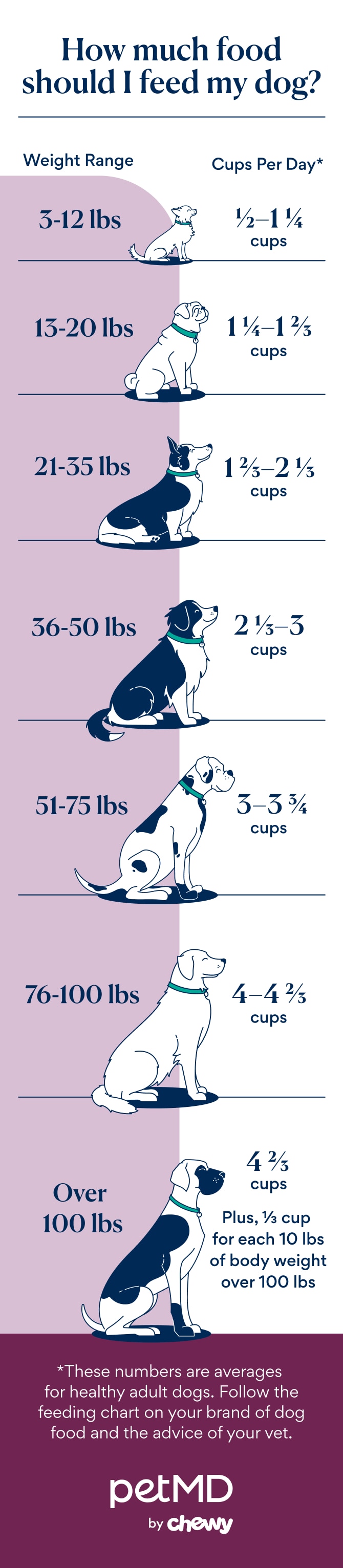
Feed your 1 year old dog twice a day. Morning and evening meals work well. Divide the daily food amount into two equal parts. This routine supports steady energy levels throughout the day. Use the feeding chart on the dog food package as a start. Adjust the amount according to your dog’s size and breed. Fresh water should always be available during meals.
Adjusting Portions Based On Activity
Active dogs need more food to keep their energy up. Less active dogs need smaller portions to avoid weight gain. Watch your dog’s body shape and weight. A healthy dog has a visible waist and ribs you can feel but not see. Increase food slightly on days with long walks or playtime. Reduce food if your dog rests more or gains weight. Always make changes gradually to avoid stomach upset.
Special Considerations
Feeding a 1-year-old dog adult food requires careful thought. Dogs differ in needs due to breed and health. These factors affect diet choices. Paying attention to special considerations helps keep your dog healthy.
Breed-specific Needs
Different breeds have different nutritional needs. Small breeds may need more calories per pound. Large breeds often require food that supports joint health. Some breeds digest food differently. Choosing food that fits your dog’s breed supports growth and energy.
Health Conditions Impacting Diet
Health issues can change what food your dog needs. Dogs with allergies might need special diets. Dogs with kidney or liver problems need low-protein foods. Overweight dogs require food with fewer calories. Always watch for signs of discomfort or illness after feeding new food.
Credit: www.bluebuffalo.com
Consulting Your Veterinarian
Choosing the right food for your 1-year-old dog is important for their health. Adult dog food differs from puppy food in nutrients and calories. Consulting your veterinarian helps make the best choice for your pet’s diet. Your vet knows your dog’s health needs and growth stage.
Veterinarians can guide you on when to switch your dog to adult food. They can also suggest the best brands or types of food for your dog’s breed, size, and activity level. Talking to a vet ensures your dog stays healthy and happy during diet changes.
When To Seek Professional Advice
Seek veterinary advice before switching to adult food. Your dog’s growth rate and health condition matter. If your dog shows signs of allergies or stomach issues, ask your vet first. Sudden diet changes can cause digestive problems. Your vet can recommend a smooth transition plan. Regular check-ups help monitor your dog’s nutritional needs.
Questions To Ask Your Vet
Ask your vet about the best time to switch foods. Inquire about specific nutrients your dog needs now. Request advice on portion sizes and feeding frequency. Check if your dog requires special diets due to health problems. Ask about signs of food intolerance or allergies. Discuss supplements if your dog needs extra vitamins or minerals.
Credit: www.petmd.com
Frequently Asked Questions
Can A 1 Year Old Dog Eat Adult Dog Food?
Yes, most 1-year-old dogs can switch to adult dog food. Their growth rate slows, needing fewer calories but balanced nutrition.
When Should I Transition My Dog To Adult Food?
Transition typically starts around 12 months old. Breed size matters; large breeds may switch later for joint support.
Is Adult Dog Food Nutritionally Different From Puppy Food?
Adult food has fewer calories and lower fat. It focuses on maintenance, while puppy food supports growth and development.
Can Feeding Adult Food Early Harm My Puppy?
Feeding adult food too early may lack essential nutrients. Puppies need higher protein and fat for healthy growth stages.
Conclusion
Feeding adult food to your 1-year-old dog depends on their size and health. Puppies need special nutrients to grow strong. Adult food may lack these important nutrients. Watch your dog’s energy and weight closely. Talk to your vet before making changes.
Every dog is different. Choosing the right food helps keep your dog happy and healthy. Make careful decisions for your dog’s best care.