
You want the best for your puppy, and feeding them the right food is a big part of that. But how do you know when it’s time to switch from puppy food to adult dog food?
Making this change at the right moment can affect your dog’s health, energy, and growth. If you switch too early or too late, it might cause problems you don’t want. Keep reading to discover the signs to watch for and the simple steps to make this transition smooth and healthy for your furry friend.
Signs Your Puppy Is Ready
Knowing when to switch your puppy to adult dog food is important. Puppies grow fast and their needs change. Watching for signs helps you feed them right. This keeps your dog healthy and happy.
Growth Milestones
Puppies grow quickly in the first year. Most stop growing between 9 and 12 months. Larger breeds may take longer to grow. When your puppy reaches near full size, it may be time. Check their weight and height regularly. Sudden slow growth can signal readiness for adult food.
Behavioral Changes
Puppies become less hyperactive as they mature. They may sleep more and play less. A calmer puppy often needs fewer calories. Watch how active your dog is daily. Less energy means adult dog food might suit better.
Nutritional Needs
Puppy food has more calories and nutrients for growth. Adult food supports maintenance, not rapid growth. If your puppy’s energy needs drop, switch diets. Feeding too rich food can cause weight gain. Adjust food type to match your dog’s stage.

Credit: www.help.sc.ug
Age Guidelines For Transition
Knowing the right age to switch your puppy to adult dog food is important. Puppies grow at different rates depending on their breed. Feeding the correct food supports healthy growth and development. Age guidelines help you make this change at the right time.
Small Breeds
Small breed dogs grow fast and finish growing by about 9 to 12 months. You can start switching their food around 9 months. Small breeds need nutrient-rich food to keep their energy high. Make the change slowly over a week to avoid upset stomach.
Medium Breeds
Medium breeds usually grow until they are 12 to 15 months old. Begin the transition to adult food near 12 months. Their bodies need balanced nutrition for healthy bones and muscles. Gradual change helps them adjust to the new food easily.
Large Breeds
Large breeds take longer to grow, often up to 18 to 24 months. Start moving to adult dog food after 12 months but finish by 18 to 24 months. Large breeds need food that supports slow, steady growth. Changing food slowly helps prevent digestive problems.
Choosing The Right Adult Food
Choosing the right adult dog food matters a lot for your dog’s health. Adult dogs need food that supports their energy and body needs. The right food helps keep their coat shiny and bones strong. It also supports their immune system and digestion. Picking the best food can make your dog feel happy and active every day.
Key Nutrients
Adult dog food should have balanced nutrients. Look for good protein sources like chicken, beef, or fish. Protein helps build and repair muscles. Healthy fats give energy and keep skin healthy. Carbohydrates provide fuel for daily activities. Vitamins and minerals support overall health and immunity. Fiber helps with digestion and keeps the tummy happy.
Avoiding Common Ingredients
Some ingredients can cause problems for adult dogs. Avoid foods with fillers like corn, wheat, and soy. These can cause allergies or upset stomachs. Stay away from artificial colors, flavors, and preservatives. These add no nutrition and may harm health. Choose foods with natural ingredients for better quality and safety.
Special Dietary Needs
Some dogs need special diets due to health issues. Dogs with allergies may need limited ingredient foods. Older dogs might need food with joint support and fewer calories. Active dogs require higher protein and fat levels. Talk to a vet about your dog’s special needs. Tailored food helps keep your dog healthy and comfortable.

Credit: shop.bullymax.com
How To Switch Foods Safely
Switching your puppy’s food to adult dog food needs care. A sudden change can upset their stomach. A safe switch helps your dog adjust well. It keeps them healthy and happy during the change.
Gradual Transition Plan
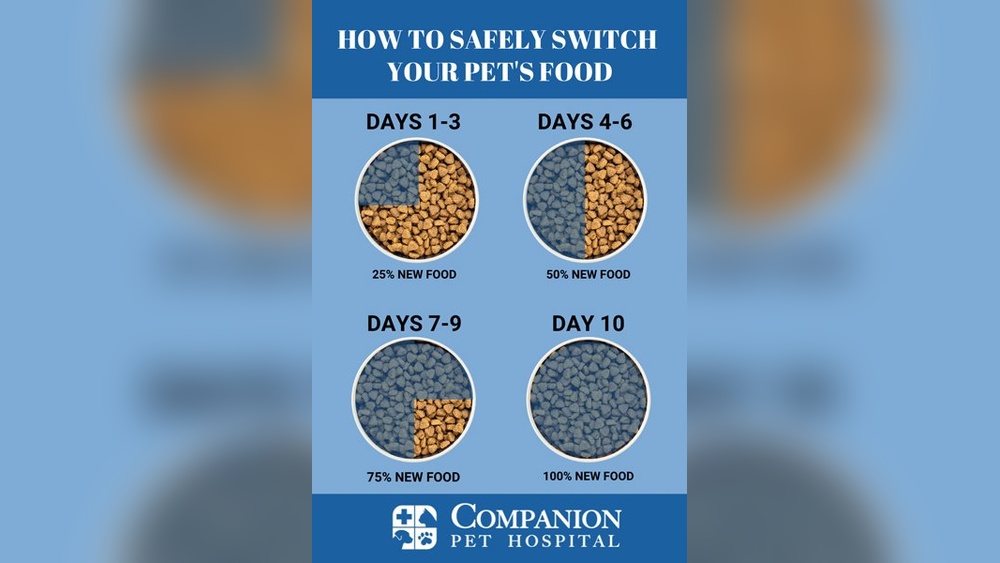
Start by mixing 25% adult food with 75% puppy food. Keep this mix for three days. Then change to 50% adult and 50% puppy food for three days. Next, use 75% adult food with 25% puppy food for three days. Finally, feed only adult dog food. This slow change helps your dog’s body adapt.
Monitoring Digestive Health
Watch your dog’s stool during the switch. It should stay firm and regular. Look for signs like diarrhea or constipation. If these happen, slow down the transition. Take a few more days at each step. Check if your dog shows less energy or appetite. These signs mean the food switch needs more time.
Adjusting Portions
Adult dogs need fewer calories than puppies. Reduce the amount of food slowly. Use the feeding guide on the food package. Adjust portions based on your dog’s weight and activity. Avoid overfeeding to keep a healthy weight. Regularly check your dog’s body condition. Change the portion size if needed during the transition.
Common Mistakes To Avoid
Transitioning your puppy to adult dog food requires careful timing and attention. Many dog owners make simple mistakes that can affect their pet’s health. Avoiding these errors helps your dog grow strong and stay healthy.
Switching Too Early
Changing to adult food too soon can cause nutritional gaps. Puppies need extra calories and nutrients for growth. Adult food may not support their developing bones and muscles well. Wait until your dog reaches the right age for its breed.
Ignoring Breed Differences
Different breeds grow at different rates. Large breeds take longer to mature than small breeds. Feeding adult food too early to large breeds can harm their growth. Always consider your dog’s breed size when changing food.
Overfeeding During Transition
Giving too much food during the switch can lead to weight gain. Some owners try to make the change easier by adding extra food. Overfeeding causes stomach upset and obesity. Follow feeding guidelines and adjust portions slowly.
Signs Your Dog Prefers Adult Food
Knowing when to switch from puppy food to adult dog food is important for your dog’s health. Some dogs show clear signs that they prefer adult food. Watching these signs helps you make the right choice.
Improved Energy Levels
Your dog’s energy changes with food. Adult food provides balanced nutrients for grown dogs. If your dog feels lively and active, adult food might suit them better. They may play longer and rest well after eating.
Better Coat Condition
A shiny, soft coat shows good nutrition. Adult dog food often has the right mix of fats and vitamins. If your dog’s coat looks healthier and less dry, it could mean they prefer adult food. This change is a sign of good health.
Stable Weight
Weight control is easier with adult food. Puppy food has more calories for growth, which can cause weight gain in adult dogs. If your dog keeps a steady weight and body shape, adult food likely suits them. This helps avoid obesity and related problems.
When To Consult A Veterinarian
Knowing when to consult a veterinarian is important during the switch from puppy to adult dog food. Dogs grow at different rates, and some may face health issues during this time. A vet can provide advice tailored to your dog’s needs. This helps make the transition safe and healthy.
Health Concerns
Consult a vet if your dog shows signs of illness or discomfort. Sudden weight loss or gain needs professional attention. Digestive problems like vomiting or diarrhea are red flags. The vet can check for underlying health problems. They may suggest a special diet to support recovery.
Dietary Allergies
Watch for itching, redness, or skin rashes after food changes. Allergies can cause upset stomach or diarrhea too. A vet can identify food allergies with tests. They help find the right food to avoid allergic reactions. This keeps your dog comfortable and healthy.
Unusual Behavior
Changes in energy or mood may signal food issues. If your dog seems tired or irritable, seek vet advice. Loss of appetite or drinking too much water also matters. The vet can find if food affects your dog’s behavior. Early help prevents bigger problems later.

Credit: www.iams.com
Frequently Asked Questions
When Is The Right Age To Switch To Adult Dog Food?
Most puppies transition to adult dog food between 9 to 12 months. Small breeds may switch earlier, around 9 months. Large breeds often wait until 12 to 18 months. Consult your vet for breed-specific recommendations for a smooth transition.
How To Know If My Puppy Needs Adult Dog Food?
Signs include slowed growth, reduced energy, and less need for high calories. If your puppy reaches their adult size, it’s time. Monitor weight and activity levels. Always consult your vet before changing food to ensure proper nutrition.
Can Switching Too Early Harm My Puppy’s Health?
Yes, switching too soon can cause nutritional deficiencies. Puppy food supports growth with extra nutrients. Adult food lacks some essential nutrients for growing pups. Transition at the right time to avoid health issues and ensure balanced nutrition.
How To Transition From Puppy To Adult Dog Food?
Gradually mix adult food with puppy food over 7-10 days. Start with 25% adult food and increase daily. Monitor your dog for digestive upset. A slow transition helps prevent stomach issues and allows your dog to adjust comfortably.
Conclusion
Choosing the right time to change your puppy’s food is important. Watch their age and growth to decide. Usually, dogs switch to adult food between 9 to 12 months. This change helps support their health and energy. Always check with your vet for the best advice.
Remember, a smooth food change keeps your dog happy and healthy. Small steps make a big difference. Stay patient and observe your dog closely. Feeding well now helps your dog live a strong life.


