

If you have an older dog, you might be wondering if their food needs to change as they age. You want to give your furry friend the best nutrition, but is adult dog food still the right choice?
Understanding what your senior dog needs can help keep them healthy and happy for years to come. Keep reading to discover the truth about feeding older dogs and how you can make the best decision for your loyal companion.
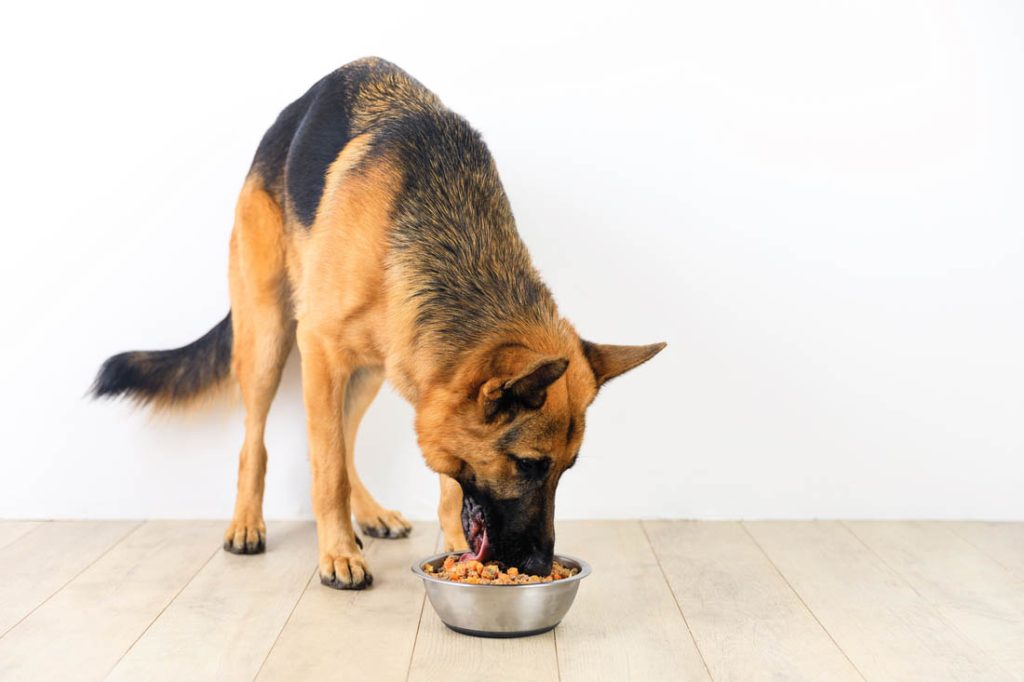
Credit: blog.justfoodfordogs.com
Nutritional Needs Of Older Dogs
Older dogs have different nutritional needs than younger dogs. Their bodies change as they age, affecting how they use food. Choosing the right diet helps keep them healthy and active. Understanding these needs is important for every dog owner.
Feeding older dogs the correct food supports their energy and overall health. Let’s explore the key changes in their nutrition needs.
Changes In Metabolism
Older dogs have slower metabolism. They burn calories at a lower rate. This means they need less energy from food. Their bodies also process nutrients differently. Protein and fat digestion can become less efficient. Adjusting food types can help meet these changes.
Common Health Concerns
Aging dogs face health issues like arthritis, kidney problems, and dental disease. These conditions affect their diet and appetite. Foods with joint-supporting ingredients can ease arthritis pain. Lower protein and phosphorus help dogs with kidney problems. Soft or smaller kibble aids those with dental issues.
Calorie Requirements
Older dogs usually need fewer calories than adult dogs. Too many calories can cause weight gain and strain joints. Balanced calories maintain a healthy weight and energy level. Monitoring weight helps adjust feeding amounts. Feeding the right calories keeps older dogs comfortable and active.
Differences Between Adult And Senior Dog Food
Adult dog food and senior dog food differ in many ways. These differences support a dog’s changing needs as they age. Older dogs have slower metabolisms and different health concerns. Their food must help maintain their weight, joint health, and energy levels. Understanding these differences helps pet owners choose the right diet for their aging dogs.
Ingredient Variations
Senior dog food often contains more fiber. Fiber aids digestion and helps prevent constipation. It usually has fewer calories than adult dog food. This helps older dogs avoid weight gain. Senior formulas may include ingredients that support joint health. Ingredients like glucosamine and chondroitin are common. Adult dog food focuses on balanced nutrition for active dogs.
Protein And Fat Content
Protein is essential for muscle maintenance in all dogs. Senior dog food has moderate protein levels to protect aging kidneys. Adult dog food has higher protein for muscle growth and energy. Fat content in senior food is often lower. This prevents excess weight gain. Adult dog food contains more fat to fuel active lifestyles.
Added Supplements
Senior dog food usually includes extra supplements. These support aging joints and brain health. Common additives are omega-3 fatty acids and antioxidants. They reduce inflammation and support immune function. Adult dog food may lack these added supplements. It focuses more on general health and energy needs.
Potential Risks Of Feeding Adult Food To Older Dogs
Feeding adult dog food to older dogs can bring some risks. Older dogs have different needs than younger adults. Their bodies change, and their diet should reflect this. Using adult food might cause problems that affect their health and comfort.
Weight Gain And Obesity
Adult dog food often has more calories. Older dogs tend to be less active. This combination can lead to weight gain. Extra weight puts pressure on their heart and lungs. Obesity can shorten a dog’s life and lower its quality.
Digestive Issues
Older dogs have weaker digestion. Adult food may be harder to digest. This can cause stomach upset and diarrhea. Some ingredients in adult food may irritate older dogs. Proper nutrition helps keep their stomachs calm and healthy.
Joint Health Implications
Adult dog food may lack nutrients for joints. Older dogs need more support for bones and joints. Without the right nutrients, arthritis can get worse. Joint pain makes moving and playing difficult. Specialized food helps maintain joint health and comfort.
When Adult Dog Food Might Be Suitable
Older dogs have different needs than younger ones. Still, some older dogs can eat adult dog food. This depends on their health, activity, and diet changes.
Understanding when adult dog food fits can help keep your dog healthy and happy. Here are some key points to consider.
Healthy Older Dogs
Some older dogs stay active and healthy. Their weight and energy levels remain steady. These dogs might do well on adult dog food. Adult formulas meet their basic nutrition needs without extra calories. They avoid unnecessary nutrients meant for puppies or seniors.
Transition Periods
Dogs moving from adult to senior food may need a transition. Sometimes, this takes weeks or months. During this time, adult dog food can be useful. It helps avoid sudden changes in digestion or appetite. Gradual shifts reduce stomach upset and stress.
Veterinarian Recommendations
Your vet knows your dog’s health best. They may suggest continuing adult dog food if no health problems exist. Vets consider weight, joint health, and organ function. They may also recommend adult food for dogs with mild conditions. Always follow your vet’s advice for the best diet plan.
Tips For Choosing The Right Food For Senior Dogs
Choosing the right food for senior dogs is important. Older dogs have different needs than younger dogs. Their bodies change and they may need special nutrients. This section shares tips to help you pick the best food for your older dog.
Reading Labels
Check the ingredient list carefully. Look for high-quality protein like chicken or fish. Avoid foods with too many fillers like corn or soy. Notice the fat content; older dogs may need less fat. Also, see if the food has added vitamins and minerals. These support your dog’s health and immune system.
Considering Special Diets
Some senior dogs need special diets for health issues. Dogs with kidney problems may need low phosphorus food. Joint problems often require food with glucosamine. Weight control diets help overweight dogs stay healthy. Talk to your vet about the best diet for your dog’s needs.
Monitoring Your Dog’s Response
Watch how your dog reacts to new food. Check for changes in energy, coat, and digestion. Soft stools or vomiting may signal a poor choice. If your dog loves the food and feels good, you found a winner. Change food slowly to avoid upset stomachs.
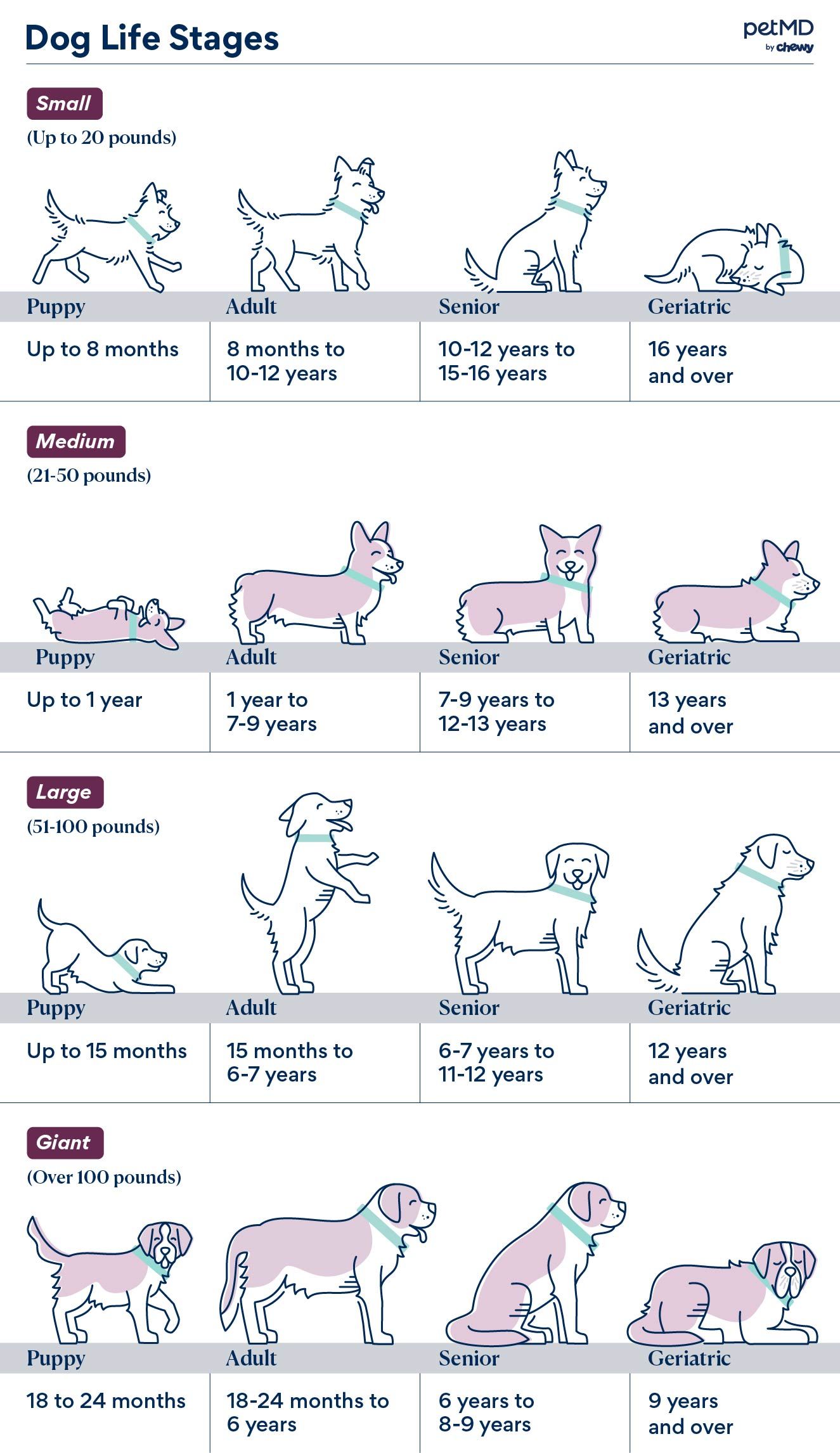
Credit: www.petmd.com
.jpg)
Credit: www.scala-santa.com
Frequently Asked Questions
Can Older Dogs Eat Adult Dog Food Safely?
Yes, older dogs can eat adult dog food safely if it meets their nutritional needs. However, senior-specific formulas often provide better joint support and easier digestion.
When Should I Switch My Dog To Senior Food?
Switch your dog to senior food around 7 to 8 years old. This timing varies by breed and health status, so consult your vet for personalized advice.
What Nutrients Do Older Dogs Need Most?
Older dogs need higher fiber, antioxidants, and joint-supporting nutrients like glucosamine. These help maintain mobility, digestion, and overall health as they age.
Can Adult Dog Food Cause Health Issues In Seniors?
Adult dog food may lack nutrients seniors need, potentially causing weight gain or joint problems. Specialized senior diets help prevent these issues by targeting older dogs’ needs.
Conclusion
Older dogs can eat adult dog food, but it depends on their health. Some dogs do well with adult food, while others need special diets. Watch your dog’s energy and weight closely. Consult your vet to choose the best food.
Good nutrition helps your dog stay happy and strong. Adjust meals as your dog ages. Feeding the right food supports their health and comfort. Keep your dog’s needs in mind every day. Simple care makes a big difference.


