

Are you wondering if a grain free diet could be the key to your dog’s health and happiness? You’re not alone.
Many dog owners are curious about how removing grains from their pet’s food might make a difference. Could it help with allergies, digestion, or energy levels? This article will give you clear answers and practical insights. By the end, you’ll know exactly what a grain free diet does for dogs and whether it might be right for your furry friend.
Keep reading to discover how simple changes in your dog’s food can lead to big benefits.
Grain Free Diet Basics
A grain free diet for dogs removes grains like wheat, corn, and rice. It aims to reduce allergies and improve digestion. Many pet owners choose this diet to support their dog’s health naturally.
This diet focuses on proteins and vegetables instead of grains. It often suits dogs with sensitive stomachs or food intolerances. Understanding what makes a grain free diet different helps you decide if it fits your dog’s needs.
What Is A Grain Free Diet
A grain free diet excludes all cereal grains. This means no wheat, corn, barley, or rice. Instead, it uses other sources of carbohydrates and nutrients. The diet tries to mimic what dogs ate before farming began.
It focuses on high protein from meat, fish, or eggs. Vegetables and fruits provide vitamins and minerals. This diet may reduce allergies linked to grains in some dogs.
Common Ingredients In Grain Free Dog Food
Grain free dog food uses ingredients like sweet potatoes and peas. These replace grains as sources of energy. Meat such as chicken, beef, or fish provides protein and essential nutrients.
Vegetables like carrots and spinach add fiber and vitamins. Fruits such as blueberries offer antioxidants. These ingredients combine to support healthy digestion and energy.
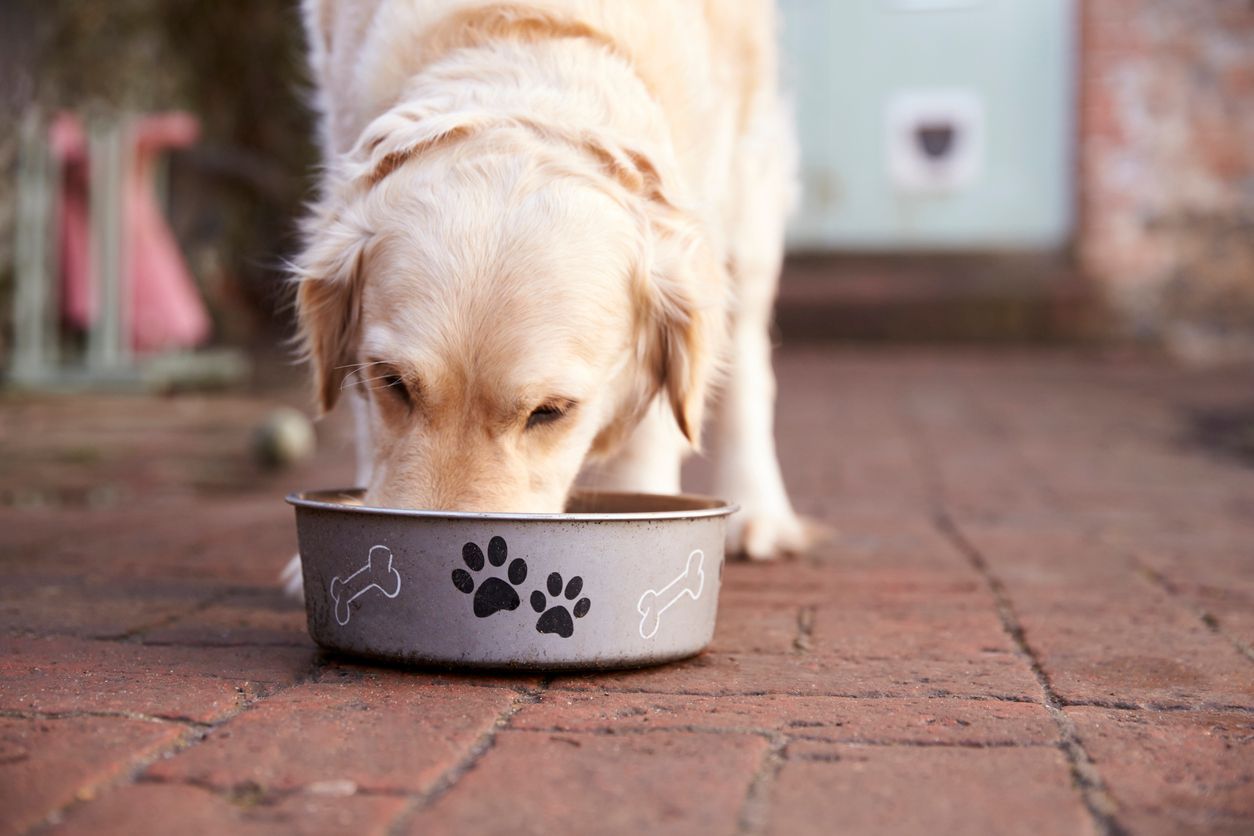
Credit: vetster.com
Health Benefits For Dogs
A grain free diet offers many health benefits for dogs. It focuses on removing grains like wheat, corn, and rice. This change can improve your dog’s overall well-being. Many dogs show positive effects after switching to a grain free diet.
Here are some key health benefits dogs can experience on this diet.
Improved Digestion
Grains can be hard for some dogs to digest. A grain free diet uses proteins and vegetables that are easier on the stomach. This can reduce digestive problems like gas and diarrhea. Dogs often have firmer stools and less stomach upset. Improved digestion also means better nutrient absorption.
Reduced Allergies And Skin Issues
Grains may cause allergies in some dogs. These allergies can lead to itchy skin, redness, and hair loss. Removing grains can lower allergic reactions and skin problems. Many dogs show clearer skin and less scratching. A grain free diet supports healthier skin and a shiny coat.
Better Energy Levels
A grain free diet can provide more balanced energy. It uses quality proteins and healthy fats instead of grains. Dogs often feel more active and alert. This diet supports strong muscles and overall vitality. Many owners notice their dogs play and move more easily.
Impact On Weight Management
A grain free diet can affect a dog’s weight in several ways. It often helps dogs maintain a healthy weight. This diet removes grains that sometimes add extra calories and fillers. Dogs may feel fuller with better nutrients from this diet. This can lead to less overeating and healthier weight management.
Weight Control Advantages
Grain free diets usually have more protein and fat from meat. These nutrients help dogs feel satisfied longer. This reduces hunger and stops constant begging for food. Dogs burn energy better with high protein intake. This helps keep muscles strong and fat low. A balanced diet with fewer carbs supports steady weight. It avoids sudden weight gain caused by excess grains. Dogs on grain free diets often have leaner bodies.
Avoiding Unhealthy Fillers
Many dog foods with grains contain fillers like corn or wheat. These fillers add calories but little nutrition. They can cause dogs to gain weight without health benefits. Grain free diets skip these fillers. They use healthier ingredients like vegetables and fruits. This means fewer empty calories and better digestion. A cleaner diet helps dogs stay at an ideal weight. It also reduces risks of allergies linked to grains.
Considerations Before Switching
Switching your dog to a grain free diet needs careful thought. This change affects your pet’s health and daily nutrition. Knowing what to expect helps you make the best choice.
Potential Nutritional Gaps
Grains provide important nutrients like fiber, vitamins, and minerals. Removing grains can create gaps in your dog’s diet. Watch out for missing nutrients such as B vitamins and carbohydrates. These are key for energy and digestion. A grain free diet may need other foods to fill these gaps. Balanced nutrition is essential for your dog’s wellbeing.
Consulting Your Veterinarian
Talk to your vet before changing your dog’s diet. They know your dog’s health history and needs. Your vet can suggest safe food options and supplements. They can also monitor your dog’s health during the switch. This helps catch any issues early. Professional advice keeps your dog healthy and happy.
Choosing The Right Grain Free Food
Choosing the right grain free food for your dog is important. Not all grain free foods are the same. Some have good ingredients, while others do not. You want to pick food that gives your dog the nutrients needed to stay healthy and happy.
Pay close attention to the ingredients list and the types of proteins used. Make sure the food matches your dog’s needs and preferences. The right choice supports digestion and energy levels.
Reading Labels Carefully
Check the ingredient list on the package. The first few ingredients matter most. Avoid foods with too many fillers or artificial additives. Look for natural ingredients and clear labels. Grain free does not mean low quality. Some products add extra sugars or starches. These can harm your dog’s health.
Also, note if the food includes vegetables and fruits. These help provide vitamins and antioxidants. Watch for terms like “by-products” or “meal.” These can indicate lower quality ingredients.
Quality Protein Sources
Protein is key for your dog’s muscle and energy. Pick grain free foods with real meat or fish listed first. Chicken, beef, lamb, or salmon are good choices. Avoid foods that rely on plant proteins like soy or peas only. Dogs need animal protein to thrive.
High-quality protein supports growth and repair. It also keeps your dog feeling full and satisfied. Check if the food has named protein sources instead of vague terms. This ensures better nutrition and taste.
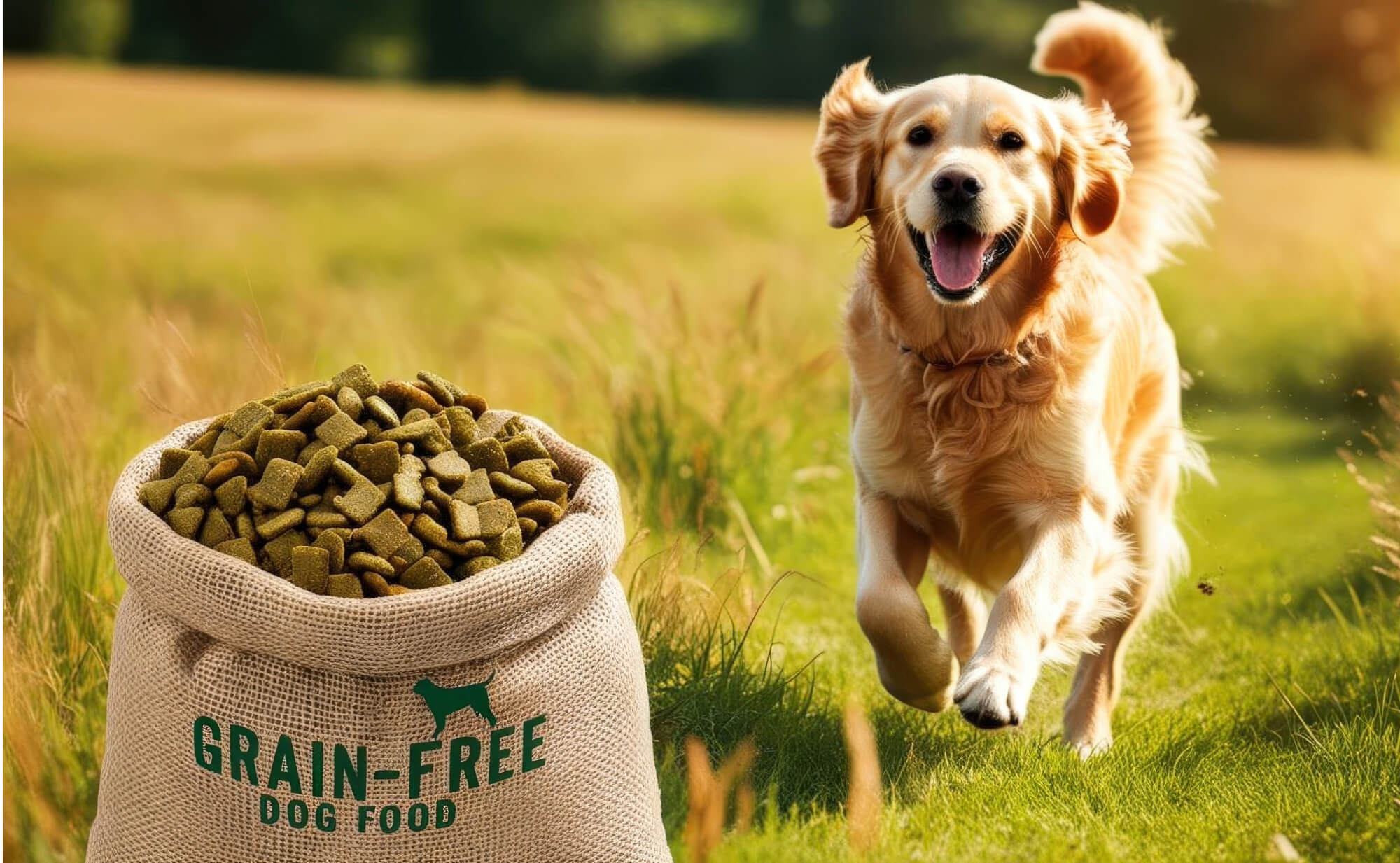
Credit: somersetvethospital.com
Common Myths About Grain Free Diets
Many dog owners hear confusing ideas about grain free diets. Some think these diets are always better. Others worry they might harm dogs. Sorting facts from myths helps pet owners choose wisely. Here are some common myths about grain free diets for dogs.
Debunking Misconceptions
Grain free diets do not always mean healthier food. Dogs can digest grains like rice and oats well. Some believe grains cause allergies in dogs. True allergies to grains are quite rare. Many dogs with allergies react to proteins like beef or chicken.
Another myth says grain free food is natural for dogs. Dogs are omnivores. They eat both plants and meat. Grains can be a good energy source for dogs. Grain free does not guarantee higher quality or better nutrition.
Scientific Findings
Research shows no clear link between grain free diets and better dog health. Studies find dogs thrive on diets with or without grains. Some grain free diets may lack important nutrients. This happens if the diet is not balanced correctly.
The FDA once studied a possible link between grain free diets and heart disease. Results were inconclusive, and research is ongoing. Pet owners should focus on balanced nutrition, not just grain content. Consult a vet before changing a dog’s diet.

Credit: www.dogseechew.in
Frequently Asked Questions
What Are The Benefits Of A Grain Free Diet For Dogs?
A grain free diet may reduce allergies and digestive issues in dogs. It often improves skin, coat health, and energy levels. Grain free foods replace grains with proteins and vegetables, which can aid sensitive stomachs and food intolerances.
Can Grain Free Diets Help Dogs With Allergies?
Yes, grain free diets can help dogs with grain allergies. Removing grains reduces exposure to common allergens like wheat and corn. This may decrease itching, inflammation, and digestive upset in allergic dogs.
Is A Grain Free Diet Better For All Dog Breeds?
Not necessarily. Some breeds may benefit from grain free diets due to allergies or sensitivities. However, many dogs digest grains well and do not require grain free food. Consult a vet before changing your dog’s diet.
How Does Grain Free Food Affect Dog Digestion?
Grain free food often contains more protein and fiber, aiding digestion. It can reduce bloating and gas in sensitive dogs. However, some dogs may need grains for balanced nutrition, so monitor your dog’s response closely.
Conclusion
A grain free diet can help dogs with allergies and digestion issues. It often leads to healthier skin and shinier coats. Dogs may feel more energetic and comfortable. Not all dogs need grain free food, though. Always talk to your vet before making diet changes.
Choosing the right food supports your dog’s health and happiness. Simple changes can make a big difference over time. A balanced diet is key for a happy dog.


