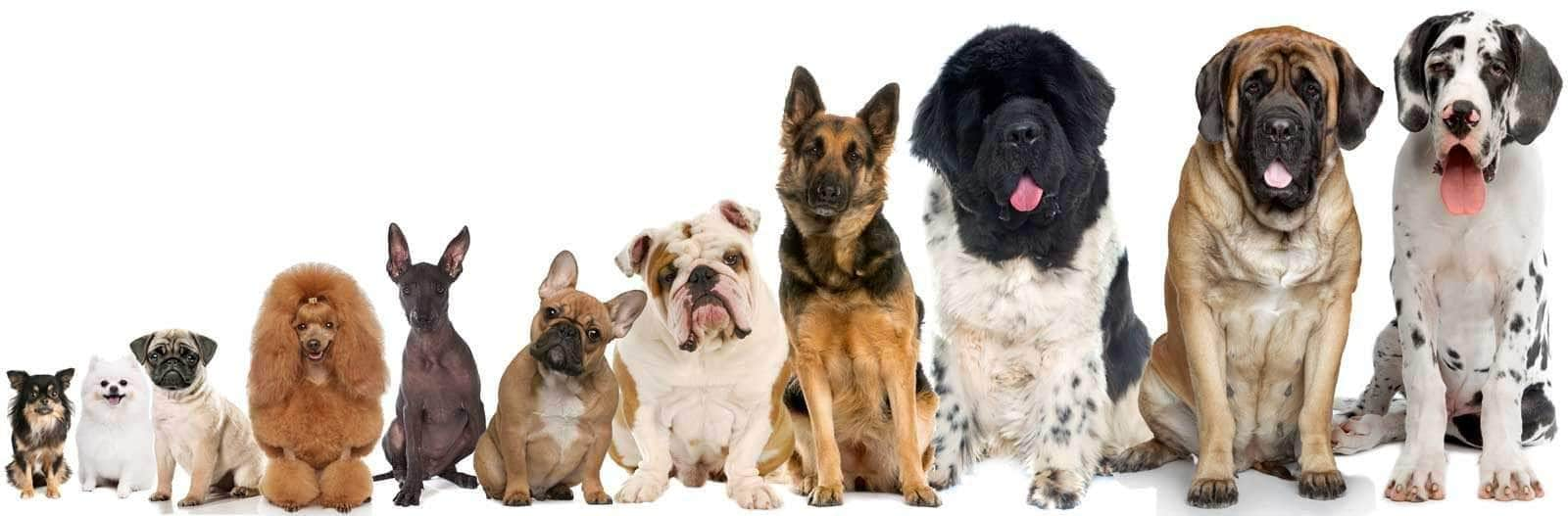
Have you ever wondered why there are so many dog breeds out there? From tiny Chihuahuas to massive Great Danes, the variety can be surprising.
But it’s not just about size or looks—each breed has a unique history and purpose. Understanding why these differences exist can change the way you see dogs forever. Keep reading, and you’ll discover fascinating reasons behind the amazing diversity of dogs you might not have guessed.
This will help you connect better with your furry friend or even choose the perfect one for your lifestyle.
Origins Of Dog Breeds
The origins of dog breeds trace back thousands of years. Dogs started as wild animals that slowly became companions to humans. Over time, people bred dogs for specific jobs and traits. This process created many different types of dogs.
Each breed has a unique story. Their differences come from how humans and nature shaped them. Understanding these origins helps explain why there are so many dog breeds today.
Early Domestication
Dogs were the first animals humans tamed. This happened at least 15,000 years ago. Early humans and wolves formed a bond. They helped each other survive harsh environments. Wolves that were friendlier and less fearful stayed close to humans. These wolves evolved into the first dogs.
Early dogs helped with hunting and guarding. People chose dogs that had useful skills. This started the process of creating different dog types. Each group of humans shaped dogs to fit their needs.
Role Of Natural Selection
Natural selection played a big role in dog breeds. Dogs that adapted well to their surroundings thrived. Traits like size, coat type, and behavior changed based on the environment. For example, dogs in cold places grew thick fur. Dogs in hot areas had shorter hair.
Humans also influenced dog traits by breeding. They picked dogs with certain qualities to mate. This sped up changes in the dog population. Over centuries, this mix of nature and human choice created the many breeds we see now.
Credit: foreverhusky.org
Human Influence On Breeding
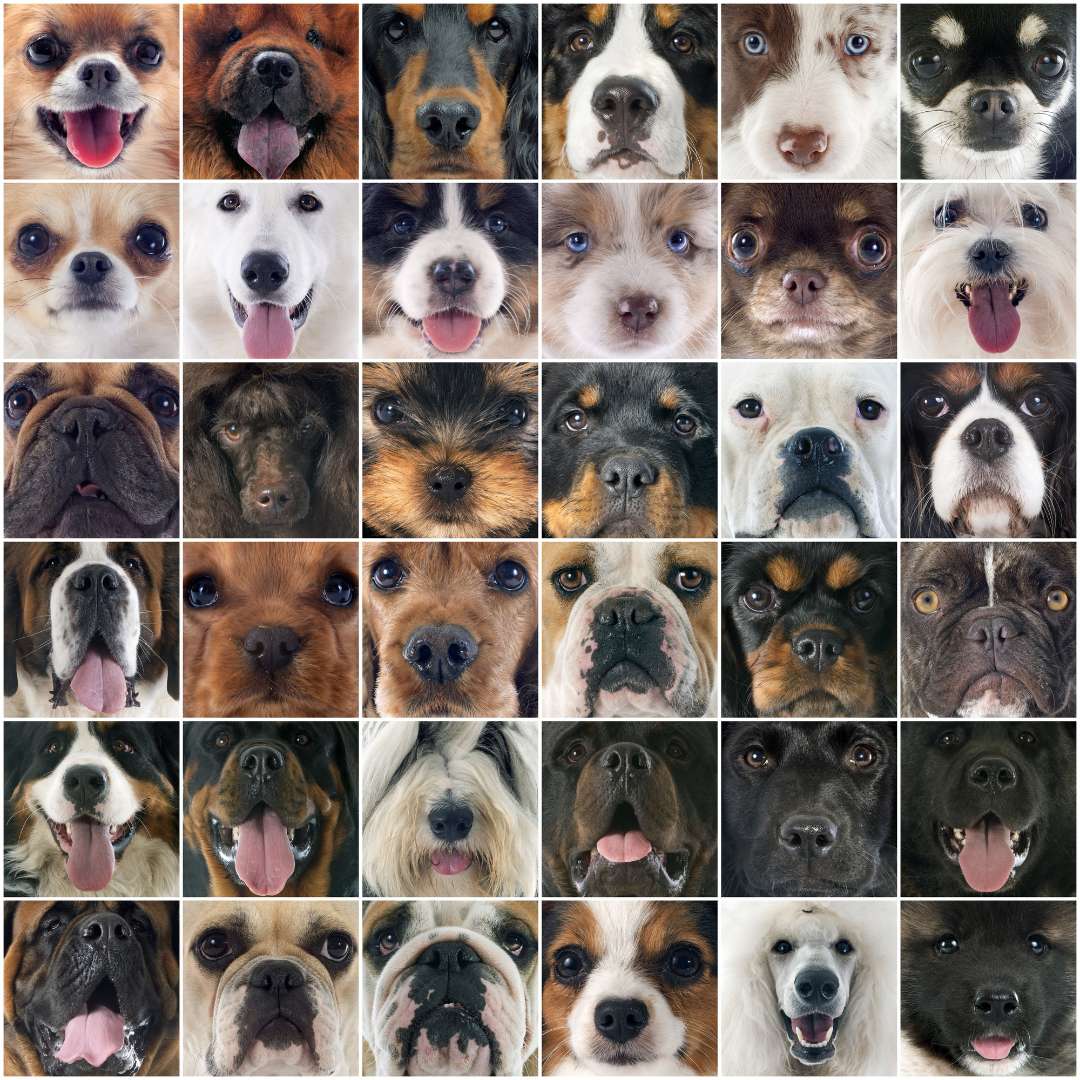
Humans have shaped dog breeds for thousands of years. They chose dogs with traits that fit their needs. This careful breeding led to many dog breeds we see today.
People bred dogs for jobs, looks, and behavior. Different regions and cultures favored different types of dogs. This variety grew over time, creating a wide range of breeds.
Purpose-driven Selection
Humans bred dogs for specific tasks. Some dogs were chosen for hunting skills. Others were bred to guard homes or herd animals. Each job required special traits. Breeders focused on these traits to improve the dog’s abilities.
For example, retrievers were bred to bring back game. Herding dogs were selected for their control and speed. This focused breeding created breeds with unique skills and shapes.
Cultural Preferences
Different cultures liked different dog features. Some preferred small dogs for companionship. Others wanted large, strong dogs for protection. Appearance, size, and temperament varied by culture.
In some places, dogs with thick fur were favored. In others, sleek coats were better for the climate. These choices helped create a wide variety of breeds worldwide.
Functional Roles Of Dogs
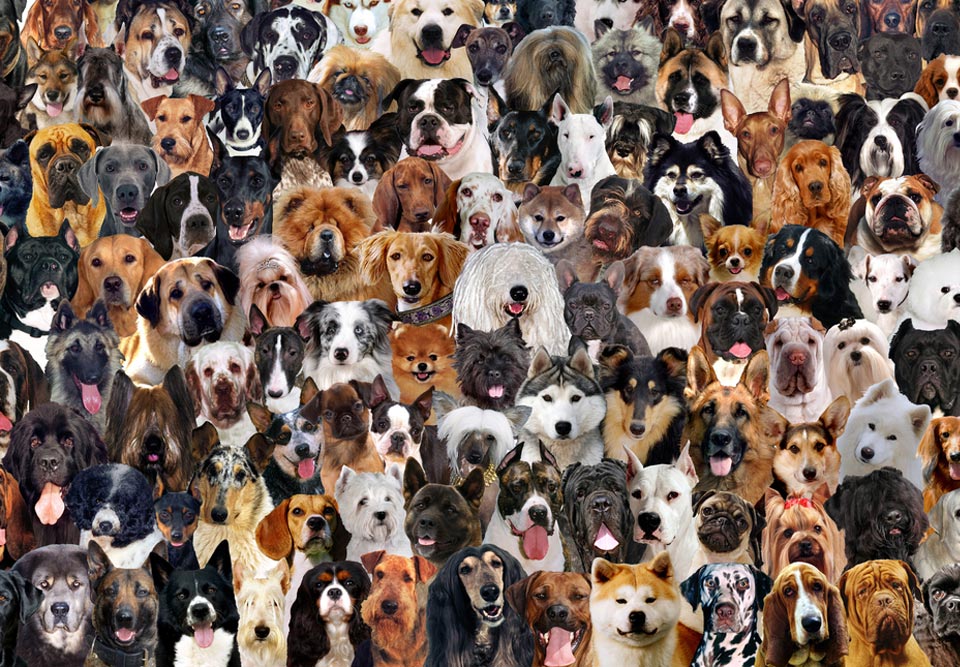
Dogs have served many roles throughout history. Their breeds developed to match specific tasks. These tasks shaped their size, shape, and skills. Understanding their functions helps explain the variety of breeds.
Hunting And Herding
Some dogs were bred to help hunt animals. They track scents, flush out prey, or retrieve game. Breeds like retrievers and pointers excel at these jobs.
Other dogs helped farmers by herding sheep and cattle. They guide and protect livestock on farms. Border Collies and Australian Shepherds are famous herding dogs.
Guarding And Companionship
Many dogs serve as guards to protect homes and property. They alert owners to danger with barking or presence. Breeds like Dobermans and Rottweilers are known for guarding.
Companionship is a key role for many dogs. They provide comfort, love, and friendship. Small breeds like Pugs and Shih Tzus are popular pets for this reason.
Credit: www.caninecommander.com
Geographic And Environmental Factors
Geographic and environmental factors play a big role in why there are so many dog breeds. Different places and climates create the need for dogs with special traits. These traits help dogs survive and work well in their homes.
Adaptation To Climate
Dogs change to fit the climate they live in. Cold places need dogs with thick fur and strong bodies. Hot areas require dogs with short hair and good heat control. These changes happen over many years. They help dogs stay healthy and comfortable.
Isolation And Regional Breeds
Some dog breeds develop in isolated areas. Mountains, islands, and forests can keep dogs apart from others. This isolation leads to unique breeds with special features. People in these areas breed dogs for local needs. This creates many different breeds worldwide.
Genetic Diversity In Dogs
Dogs show a wide range of shapes, sizes, and colors. This variety comes from their rich genetic diversity. Genetic diversity means the differences in genes between dogs. These differences help create many unique breeds. Each breed has special traits and skills. This diversity helps dogs survive in many environments. It also meets different human needs, such as hunting, herding, or companionship.
Breed Standards
Breed standards are a set of rules for each dog breed. They describe how a breed should look and behave. These standards guide breeders to keep certain traits. Traits include size, coat color, and ear shape. Breed standards help keep dogs purebred. They make sure dogs meet the desired features. This process keeps the breed’s identity strong. It also limits genetic mixing with other breeds.
Crossbreeding And New Varieties
Crossbreeding mixes genes from two different breeds. This can create new dog varieties. New varieties may have traits from both parents. Sometimes, crossbreeding improves health or behavior. It can bring fresh genes into a breed’s pool. This helps prevent genetic problems caused by inbreeding. Crossbreeding also meets new needs or trends. It leads to the creation of hybrid dogs. Examples include Labradoodles and Cockapoos.
Modern Trends In Dog Breeding
Modern trends in dog breeding show how people’s tastes and needs change over time. Breeders now create dogs that suit modern lifestyles. These trends shape the many dog breeds we see today. New breeds appear to meet specific desires and living conditions.
Designer Breeds
Designer breeds are mixes of two purebred dogs. People want dogs with looks and traits from both parents. These breeds often have unique appearances and friendly temperaments. Many families choose designer dogs for their charm and novelty. Popular examples include Labradoodles and Cockapoos. These mixes can blend good health and personality.
Health And Ethical Considerations
Breeders focus more on dog health than before. They avoid breeding dogs with health problems. Ethical breeding means caring for dogs’ well-being first. Some breeders test dogs for genetic diseases. They aim to reduce risks in puppies. This trend helps dogs live longer, happier lives. It also makes dog ownership safer and more joyful.
Credit: theblissfuldog.com
Frequently Asked Questions
Why Are There So Many Dog Breeds Today?
There are many dog breeds due to centuries of selective breeding. Humans bred dogs for specific tasks, traits, and environments. This created diverse breeds suited for hunting, herding, guarding, and companionship. Each breed reflects unique characteristics shaped by human needs and natural adaptation.
How Did Selective Breeding Create Different Dog Breeds?
Selective breeding involves choosing dogs with desired traits to mate. This process enhances specific features like size, coat, or behavior. Over generations, it results in distinct breeds. Breeders aimed to develop dogs ideal for work, lifestyle, or appearance, leading to the wide variety we see today.
What Role Does Geography Play In Dog Breed Variety?
Geography influences dog breeds by shaping traits for local climates and tasks. Dogs in cold regions often have thick coats. Those in hot areas may have short fur. Different environments required dogs to adapt, resulting in unique breeds adapted to diverse global habitats.
Are Dog Breeds Created Only For Work Purposes?
Not all dog breeds were created for work; many were bred for companionship. While some breeds focus on hunting or herding, others were developed for appearance and social traits. Breeds vary from working dogs to lapdogs, reflecting diverse human preferences and lifestyles.
Conclusion
Dog breeds exist because people wanted dogs for many jobs and places. Each breed has special traits for work, size, or looks. Over time, breeders chose traits to help dogs fit better with people’s needs. This created many breeds with different skills and shapes.
Dogs show how close humans and animals can be. Understanding why there are many breeds helps us appreciate dogs more. Each dog has a story that connects to human history. That is why the world has so many dog breeds today.