
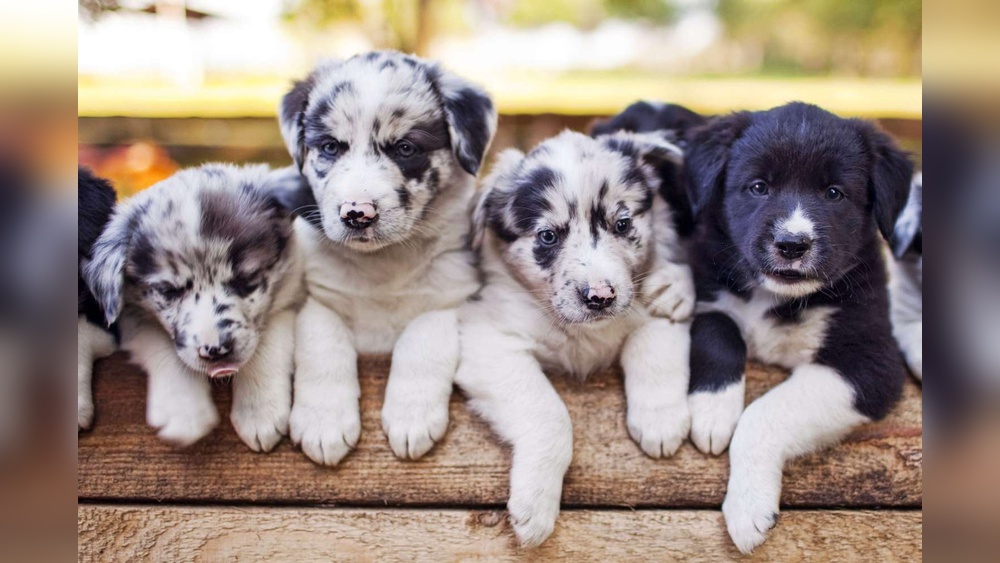
Choosing the right dog breeder can feel overwhelming. You want a healthy, happy puppy that fits your lifestyle.
But how do you find a breeder you can trust? Making the right choice now saves you from heartbreak and costly problems later. This guide will show you exactly what to look for, the questions to ask, and the red flags to avoid.
Keep reading to make sure your new furry friend comes from the best possible place. Your perfect puppy is waiting—and it starts with choosing the right breeder.

Credit: www.akc.org
Traits Of A Responsible Breeder
Choosing a dog breeder is an important step to find a healthy and happy puppy. A responsible breeder cares deeply about the dogs. They follow strict rules to protect the health and well-being of each dog. Understanding the traits of a responsible breeder helps you make the right choice.
Health Testing And Certifications
A responsible breeder performs health tests on their dogs. These tests check for common genetic diseases. Breeders share these health results openly with buyers. Certifications from trusted organizations prove the dogs are healthy. This reduces the chance of health problems in puppies.
Ethical Breeding Practices
Ethical breeders breed dogs only to improve the breed. They avoid breeding dogs with health or behavioral issues. These breeders do not breed dogs too often. They take care to match dogs with good traits. Puppies are raised with love and respect.
Proper Living Conditions
Dogs should live in clean and safe spaces. Responsible breeders provide enough room for dogs to move freely. Dogs get regular exercise and socialization. Puppies grow up in a calm and loving environment. This helps puppies develop good behavior and strong immune systems.
Researching Breeders
Researching breeders is a key step in finding a healthy and happy dog. This process helps you avoid dishonest sellers. It also ensures you get a puppy from a caring environment. Taking time to research protects your future pet’s well-being.
Checking References And Reviews
Start by checking references from past buyers. Honest breeders will gladly share contact details. Read online reviews on multiple sites for different opinions. Pay attention to repeated praise or complaints. This helps you spot trustworthy breeders and avoid scams.
Visiting Breeding Facilities
Visit the breeder’s facility in person. Look for clean, safe, and spacious areas. Watch how the dogs behave and interact. Healthy puppies should appear active and well-cared for. Meeting the breeder face-to-face builds trust and shows their passion.
Asking The Right Questions
Prepare questions about the puppy’s health and parents. Ask about vaccinations, medical checks, and genetic tests. Inquire about the puppy’s socialization and early training. A good breeder answers clearly and patiently. This reveals their knowledge and commitment to quality care.
Evaluating Puppy Health
Choosing a dog breeder means checking the health of the puppies. Healthy puppies grow strong and happy. Sick puppies may have problems later. Knowing how to spot a healthy pup helps you make a good choice.
Signs Of A Healthy Puppy
A healthy puppy has clear eyes and clean ears. Their coat looks shiny and soft. The puppy moves easily and is curious. They do not cough or sneeze a lot. Their gums are pink, not pale. A healthy puppy eats well and drinks water.
Early Socialization And Care
Puppies need to meet people and other dogs early. This helps them feel safe and confident. Good breeders start this social time at a young age. They also keep puppies in a clean place. The puppies get plenty of love and gentle handling. This care helps puppies grow with good behavior.
Vaccination And Medical Records
Ask the breeder for vaccination papers. Puppies should get shots to prevent sickness. Medical records show the puppy’s health history. These papers prove the breeder cares for the puppy. Always check these documents before buying a puppy.
Credit: fenrircanineleaders.com
Understanding Breeding Contracts
Understanding breeding contracts is key when choosing a dog breeder. These contracts protect both the buyer and the breeder. They explain important rules about the dog’s care and ownership. Knowing what is inside helps avoid future problems. Always read the contract carefully before making a decision.
Return Policies And Guarantees
Return policies explain what happens if the dog cannot stay with you. Some breeders accept a dog back for any reason. Others only allow a return for health or behavior issues. Guarantees often cover specific problems like genetic diseases. These policies ensure the dog gets proper care if you cannot keep it.
Spay And Neuter Agreements
Many breeders include spay or neuter clauses in their contracts. These clauses require you to alter the dog by a certain age. This helps prevent unwanted puppies and controls the dog population. Some breeders sell pets with these agreements to keep the dog’s health stable. Following these rules shows respect for the breeder’s terms.
Health Warranty Clauses
Health warranties promise the dog is free of certain diseases at purchase. They often cover genetic or hereditary conditions. If a health problem appears, the breeder may offer treatment help or a replacement dog. These clauses give peace of mind about your new pet’s health. Always ask about the warranty length and what it covers.
Avoiding Red Flags
Choosing the right dog breeder is important for your future pet’s health and happiness. Some breeders may show warning signs that suggest poor care or dishonest business. Spotting these red flags early helps you avoid problems.
Pay close attention to the breeder’s environment and behavior. Trust your gut if something feels off. This section highlights key red flags to watch for in breeders.
Overcrowded Or Unsanitary Conditions
A good breeder keeps dogs in clean and spacious areas. Overcrowded kennels stress the animals and spread disease. Dirty cages or yards show neglect. Dogs should look healthy with clean fur and bright eyes. Avoid breeders with messy or cramped facilities.
Lack Of Transparency
Reliable breeders share clear information about their dogs. They show health records, vaccination history, and lineage papers. They welcome your questions and visits. If a breeder hides details or refuses to answer, it signals a problem. Transparency builds trust and shows care for the puppies.
Pressure To Buy Quickly
Good breeders want you to choose carefully, not rush. They give you time to decide and meet the puppies. High-pressure tactics push buyers to act fast. Beware if a breeder says “buy now” or limits your visits. Buying a dog is a big decision that needs patience.
Alternatives To Traditional Breeders
Choosing a dog breeder is not the only way to find a new pet. Many alternatives offer great options for dog lovers. These options often give dogs a second chance and can be very rewarding. Exploring these choices can help you find a dog that fits your life and heart.
Rescue Organizations
Rescue organizations save dogs from shelters or difficult situations. They care for the dogs until they find a home. These groups often have many breeds and sizes. Dogs from rescues are usually checked by vets and socialized. Choosing from a rescue can be kind and cost-effective.
Breed-specific Shelters
Breed-specific shelters focus on one type of dog. They help dogs that need special care or homes. These shelters know a lot about the breed’s needs and behavior. Adopting from here means you get a dog that matches your preference. It also supports efforts to help that breed.
Adoption Events
Adoption events bring many dogs together in one place. They offer a chance to meet and interact with different dogs. Staff and volunteers are there to guide you. These events often feature dogs from rescues and shelters. Visiting an adoption event can be fun and informative.
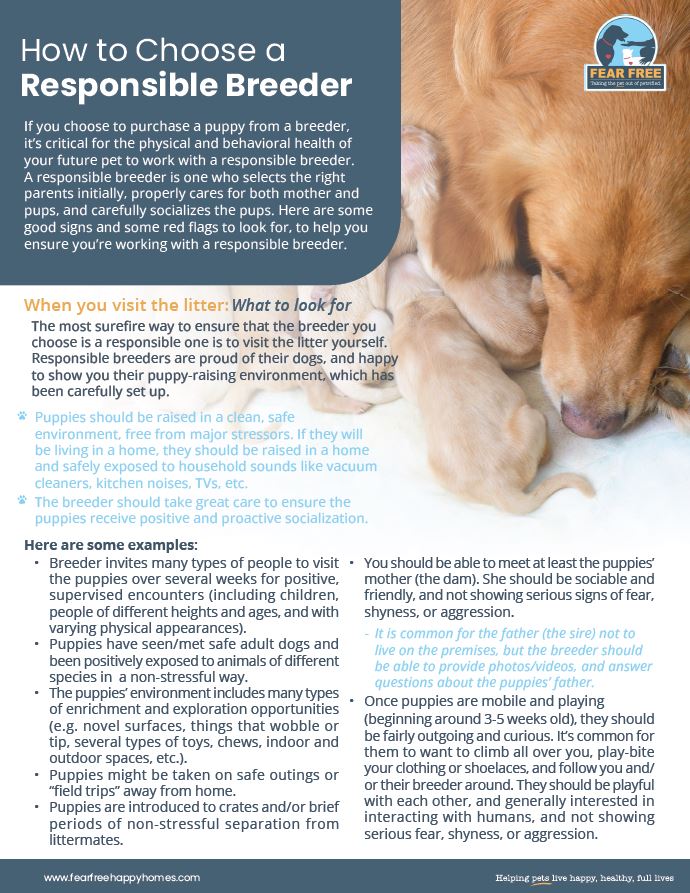
Credit: www.fearfreehappyhomes.com
Frequently Asked Questions
How Do I Find A Reputable Dog Breeder?
Look for breeders with positive reviews, certifications, and clear health testing. Visit their facilities and ask questions. Reliable breeders prioritize puppy health and socialization.
What Questions Should I Ask A Dog Breeder?
Ask about health screenings, lineage, vaccination records, and socialization practices. Inquire about the breeder’s experience and support after adoption. Good breeders are transparent and willing to answer.
Why Is Health Testing Important In Dog Breeding?
Health testing ensures puppies are free from inherited diseases. It helps prevent genetic disorders and promotes long-term wellbeing. Responsible breeders provide test results for parent dogs.
How Can I Spot A Puppy Mill Versus A Good Breeder?
Puppy mills prioritize profit over welfare, often have poor conditions. Good breeders have clean spaces, healthy puppies, and open communication. Always visit in person before deciding.
Conclusion
Choosing the right dog breeder takes time and careful thought. Trustworthy breeders care about the health and happiness of their dogs. Always ask questions and visit the breeder’s place. Watch how they treat their animals. A good breeder will share health records and answer your concerns.
This helps you find a healthy, happy puppy. Taking these steps leads to a better life with your new dog. Your effort will pay off with a loving companion.


