

Have you ever wondered which dog breeds can become service dogs? If you need a loyal companion to help with daily tasks, choosing the right breed is key.
Not every dog is suited for this important role, but some breeds shine because of their intelligence, temperament, and trainability. You’ll discover the top dog breeds that can make amazing service dogs. Knowing this will help you find the perfect match for your needs or someone you care about.
Keep reading to unlock the secrets behind these incredible working dogs.
Traits Of Ideal Service Dogs
Service dogs must have special traits to help people well. These traits make them reliable, safe, and effective in their jobs. Not every dog breed fits these needs. The right traits help dogs stay calm, learn fast, and handle physical tasks. Understanding these traits helps in choosing the best service dog breed.
Temperament And Behavior
Service dogs must stay calm in busy places. They should not get scared or aggressive easily. Friendly and gentle behavior is very important. These dogs need patience and focus. They must listen well and ignore distractions. Good temperament means they can work with different people safely.
Trainability And Intelligence
Service dogs learn commands quickly and follow them well. High intelligence helps dogs understand tasks faster. They must remember many instructions for different needs. Dogs that like to work and please their owners train better. This makes them ready for many types of service jobs.
Size And Physical Strength
Size matters for service dogs. Some tasks need big and strong dogs. Others need smaller dogs that can move easily. Strength helps dogs guide or support people physically. The right size helps dogs perform their tasks without problems. This keeps both dog and handler safe.
Credit: www.newsweek.com
Popular Service Dog Breeds
Service dogs play a vital role in helping people live more independently. Certain dog breeds have qualities that make them especially good for service work. These breeds often have intelligence, good temperaments, and a strong work ethic. Popular service dog breeds are well-known for their ability to perform tasks and provide support.
Labrador Retriever
Labradors are one of the most popular service dog breeds. They are friendly, smart, and eager to please. These dogs learn commands quickly and stay calm in busy places. Labradors can assist with mobility, hearing, and medical alerts. Their gentle nature makes them great companions.
Golden Retriever
Golden Retrievers are similar to Labradors in many ways. They are patient and highly trainable. These dogs excel at helping people with disabilities. Golden Retrievers often work as guide dogs or therapy dogs. Their loyalty and kindness make them excellent service animals.
German Shepherd
German Shepherds are strong and intelligent dogs. They are known for their courage and focus. These dogs often serve in police and military roles. As service dogs, they help with mobility and protection. German Shepherds are loyal and form close bonds with their handlers.
Other Effective Service Breeds
Service dogs come in many breeds, not just the popular ones. Some less common breeds also show great skills. These dogs can perform tasks that help their owners live better lives. They have unique traits that make them valuable as service animals.
Standard Poodle
Standard Poodles are smart and easy to train. They have a calm nature and good focus. Their size makes them strong enough for many tasks. People with allergies benefit from their low-shedding coat. They excel in guiding, alerting, and assisting roles.
Border Collie
Border Collies are very intelligent and quick learners. They have great energy and love to work. Their sharp senses help in detecting changes in health. They are perfect for alerting to seizures or other emergencies. Training them requires patience due to their high activity level.
Boxer
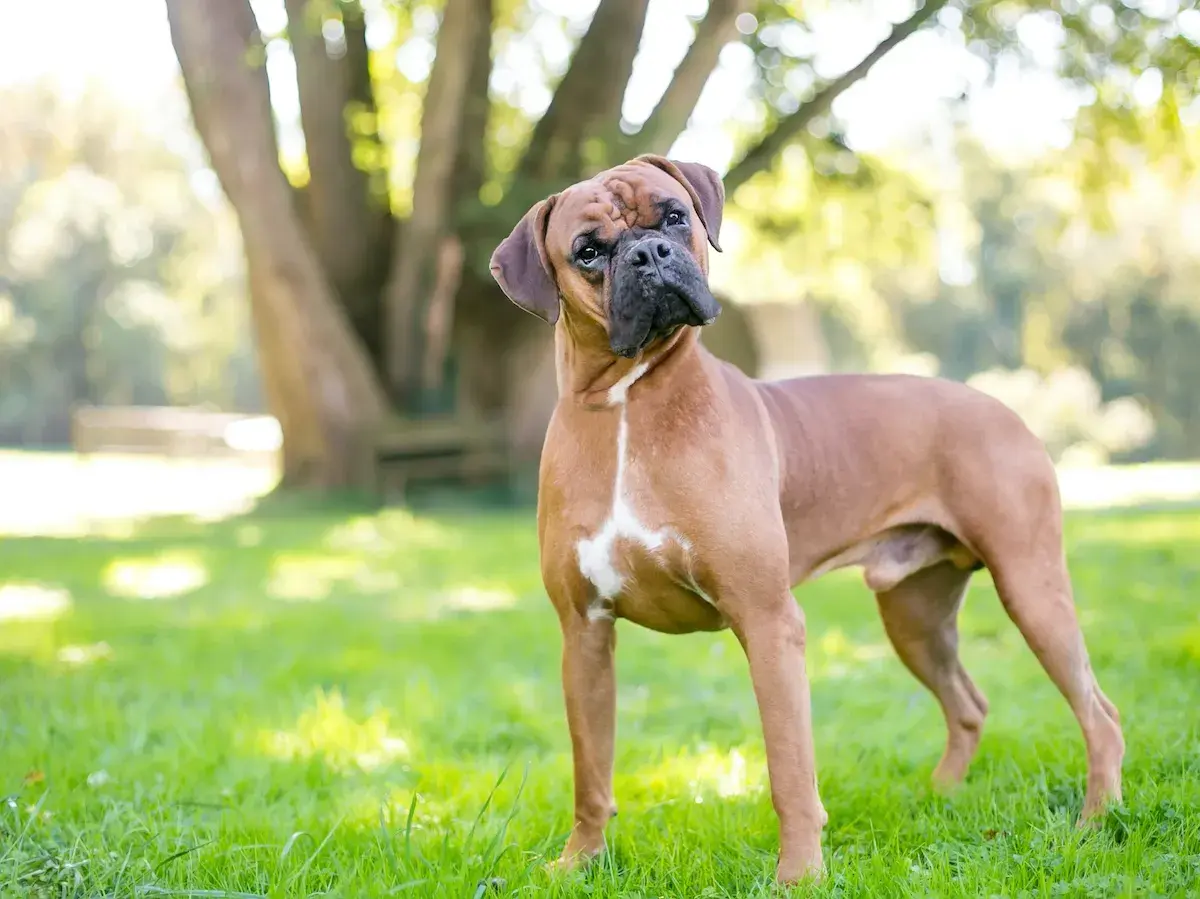
Boxers are loyal and protective dogs. They have strong bodies and great stamina. Their friendly attitude makes them good companions. They can assist people with physical disabilities by supporting movement. Boxers respond well to consistent training and socialization.
Credit: www.servicedogcertifications.org
Specialized Service Breeds
Specialized service breeds perform unique roles that suit their size, skills, and temperaments. These dogs assist with tasks beyond general guide or mobility work. Their abilities fit specific needs of people with disabilities. Training focuses on individual strengths and capabilities.
Many people think only large dogs can serve. Yet, smaller and rare breeds also offer valuable support. They fill special niches in service work. Their skills help individuals in ways big dogs might not.
Miniature And Toy Breeds For Specific Tasks
Miniature and toy breeds suit tasks requiring small size and agility. They fit easily in tight spaces and travel well. These dogs often help with medical alerts. For example, some toy breeds detect seizures or blood sugar changes.
Chihuahuas and Pomeranians are popular in this group. They respond quickly to changes in their owner’s body. Their small size makes them ideal for people living in apartments. Also, they cause less distraction in public places. Training focuses on alerting and emotional support tasks.
Rare Breeds With Unique Skills
Rare breeds bring special talents to service work. Some have heightened senses or natural instincts. These skills help with tasks like scent detection or emotional therapy. Breeds such as the Lagotto Romagnolo and the Keeshond are examples.
Lagotto Romagnolos have an excellent nose for detecting scents. They assist in alerting owners to allergens or medical conditions. Keeshonds offer strong emotional support with their calm nature. Their rare presence makes them less common but highly effective.
Factors Influencing Breed Choice
Choosing the right dog breed for service work depends on many factors. These factors help match the dog’s skills and traits with the needs of the person. Understanding these points makes the training and partnership more effective.
Type Of Assistance Needed
Different tasks require different abilities. Some dogs guide people with vision loss. Others alert to seizures or carry items. A breed’s natural skills influence how well it performs specific tasks. For example, retrievers are great for mobility assistance. Smaller breeds might be better for alert work.
Owner’s Lifestyle And Environment
The person’s daily routine matters a lot. Active owners may need energetic dogs that enjoy exercise. Quiet lifestyles suit calmer breeds. Living space also matters. Large dogs might struggle in small apartments. Dogs must feel comfortable and safe in their environment.
Health And Longevity Considerations
Service dogs need to stay healthy for many years. Some breeds have common health issues. Choosing a breed with good health means fewer medical problems. Longevity helps the dog serve longer. Regular vet care and good diet support the dog’s well-being.
Training Requirements For Service Dogs
Training service dogs requires careful and detailed preparation. These dogs must perform tasks that help people with disabilities. Training takes time and effort. It focuses on obedience, special skills, and social behavior. Each step builds a dog’s ability to assist safely in public places.
Basic Obedience Skills
Service dogs must follow simple commands well. Sit, stay, come, and heel are essential. These commands keep the dog controlled in many situations. The dog learns to ignore distractions and listen only to the handler. Good obedience forms the foundation for all other training.
Task-specific Training
Each service dog learns tasks that match their handler’s needs. Some dogs alert to sounds, others guide or pick up items. Training focuses on these special skills. The dog practices until they perform tasks correctly every time. Precision and reliability are key for service tasks.
Socialization And Public Access
Service dogs must behave calmly around strangers and other animals. They go to stores, buses, and crowded places during training. This helps them stay focused and relaxed in public. Proper socialization ensures the dog does not cause problems or distractions. Public access training is vital for real-life service work.
Legal Recognition And Rights
Service dogs play a vital role in helping people with disabilities. Laws protect these dogs and their handlers. Understanding legal recognition and rights helps handlers know what to expect.
These laws cover which dogs qualify as service animals. They also explain where these dogs can go. This section highlights key legal points about service dogs.
Service Dog Certification
Many people think service dogs need special certificates. The law does not require official certification. Training and behavior matter more than papers. Handlers should have their dog well-trained to assist them. Some places may ask for proof of disability or training. Still, there is no universal service dog ID or license.
Access Rights In Public Spaces
Service dogs have the right to enter most public places. This includes stores, restaurants, and public transport. The dog must behave well and stay under control. Businesses cannot refuse access because of allergies or fear. Handlers can bring their service dogs almost everywhere they go. These rights help people live more independently.
Credit: www.newsweek.com
Frequently Asked Questions
What Dog Breeds Are Best For Service Dogs?
Popular service dog breeds include Labrador Retrievers, Golden Retrievers, and German Shepherds. These breeds are intelligent, trainable, and have calm temperaments, making them ideal for various service roles.
Can Small Dog Breeds Be Service Dogs?
Yes, small breeds like Poodles and Cocker Spaniels can be service dogs. They are suitable for specific tasks and environments requiring smaller, agile dogs.
How Do Breed Traits Affect Service Dog Training?
Breed traits impact a dog’s ability to learn tasks, remain calm, and adapt to environments. Choosing the right breed ensures effective training and successful service work.
Are Mixed Breed Dogs Eligible To Be Service Dogs?
Yes, mixed breed dogs can be excellent service dogs. Their temperament and trainability matter more than purebred status for service work.
Conclusion
Service dogs come in many shapes and sizes. Different breeds have unique skills that help people daily. Choosing the right breed depends on the person’s needs and lifestyle. Training is key for any dog to become a good service dog.
With patience and care, many dogs can learn important tasks. Service dogs bring comfort, safety, and independence to their handlers. They prove that teamwork between dogs and humans can change lives.


