When it comes to choosing a service dog, picking the right breed can make all the difference for you and your needs. You want a dog that’s smart, reliable, and easy to train—one that will be by your side through every challenge.
But with so many breeds out there, how do you know which one will truly be the best fit? You’ll discover the top breeds known for their service skills and why they stand out. Keep reading to find the perfect companion that can change your life for the better.
Traits Of Ideal Service Dogs
Service dogs must have special traits to perform their jobs well. These traits help dogs assist people safely and reliably. Choosing dogs with the right qualities improves their success and the handler’s life.
Temperament And Behavior
Ideal service dogs stay calm in busy places. They do not get scared or nervous easily. These dogs are friendly but focused on their work. They listen well and do not bark without reason. Good behavior helps them work around strangers and loud noises.
Trainability And Intelligence
Service dogs must learn many commands and tasks. Smart dogs understand instructions quickly and remember them. They solve problems and adapt to new situations. High trainability means they can help with different needs. Patience and consistency make training easier for both.
Size And Strength Considerations
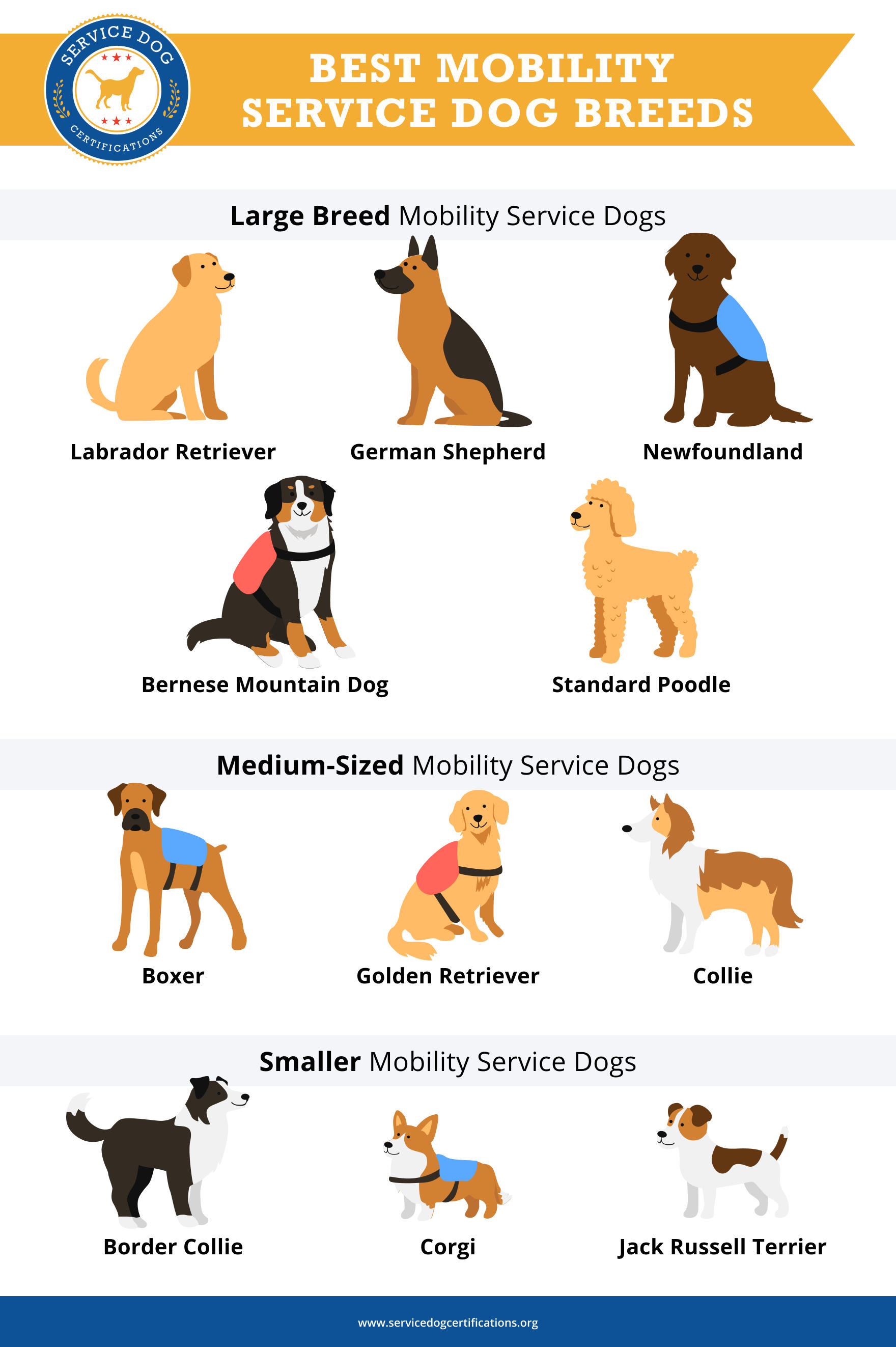
Size matters based on the type of service needed. Large dogs can help with mobility support or pulling wheelchairs. Smaller dogs fit better in tight spaces and assist with alerts. Strength helps with physical tasks but does not reduce gentleness. The right size balances power and comfort for the handler.
Labrador Retrievers
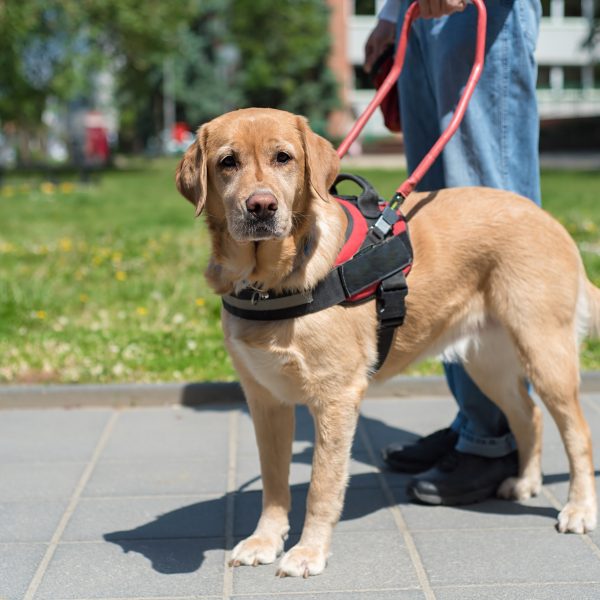
Labrador Retrievers rank among the most popular service dog breeds worldwide. Their friendly nature and intelligence make them excellent helpers. Labs adapt well to many service roles and environments. They work hard and love to please their handlers.
Temperament Highlights
Labradors are gentle and patient with people. They stay calm in busy places. Their friendly attitude helps them connect with others easily. Labs are loyal and form strong bonds quickly. They handle stress well and stay focused on tasks.
Common Service Roles
Labrador Retrievers serve in many important roles. They assist people with disabilities, like guiding the visually impaired. Labs also help with mobility support and medical alerts. Their strong sense of smell aids in detecting health problems. These dogs bring comfort and safety to many lives.
Training Ease
Labradors learn commands quickly and respond well to training. They enjoy structured lessons and praise from trainers. Their eagerness to work makes them reliable partners. Labs thrive with consistent routines and clear instructions. Training builds their skills and strengthens their bond with handlers.
Golden Retrievers
Golden Retrievers stand out as top choices for service dogs. They are known for their gentle and calm personality. Their intelligence and eagerness to please make training easier. Many service dog programs favor Goldens for these reasons. They work well with people of all ages and needs.
Friendly Nature
Golden Retrievers are naturally friendly and social. They enjoy being around people and other animals. This breed rarely shows aggression or fear. Their warm and trusting attitude helps them connect with their handlers quickly. Such traits are crucial for service dogs who must work closely with humans.
Service Tasks Suited For
Golden Retrievers excel at many service tasks. They assist with mobility, guiding, and therapy work. Their strength supports physical help tasks like pulling wheelchairs. Their sharp minds help with alerting to medical conditions. They also provide emotional support for people with anxiety or PTSD.
Adaptability
Golden Retrievers adapt well to new environments. They handle busy places like airports or stores calmly. Their patience helps them manage different situations without stress. This breed adjusts to their handler’s lifestyle easily. Adaptability makes them reliable partners in many service roles.
German Shepherds
German Shepherds are among the most popular service dog breeds worldwide. They have a strong build and sharp intelligence. These dogs are known for their loyalty and eagerness to work. Many people trust them for different types of service tasks. Their natural abilities make them excellent helpers for people with disabilities.
Protective Instincts
German Shepherds have strong protective instincts. They watch over their handlers carefully. This makes them great for people needing extra safety. They sense danger quickly and respond calmly. Their loyalty helps them stay alert at all times.
Versatility In Service
These dogs adapt well to many roles. They assist with mobility, guide work, and medical alerts. Their intelligence allows them to learn various tasks fast. German Shepherds serve in police and military roles too. Their ability to handle different jobs makes them very useful.
Training Challenges
Training German Shepherds needs patience and consistency. They require clear commands and regular practice. Without proper training, they may become stubborn or anxious. Early socialization is important to keep them calm. Experienced trainers usually get the best results.
Poodles
Poodles are a popular choice for service dogs. They come in three sizes: standard, miniature, and toy. Each size can work well for different service roles. Poodles are known for their friendly nature and strong bond with humans. Their unique coat and smart behavior make them ideal for many tasks.
Hypoallergenic Qualities
Poodles have curly, dense fur that sheds very little. This trait helps reduce allergic reactions. People with allergies often tolerate poodles better than other breeds. Their coat requires regular grooming to avoid mats. Clean and healthy fur supports their work as service dogs. Hypoallergenic fur is a big plus for people with sensitivities.
Intelligence And Training
Poodles are among the smartest dog breeds. They learn commands quickly and remember them well. Training poodles is usually smooth and fast. They respond well to positive reinforcement. Their intelligence helps them perform complex tasks. They can adapt to new situations easily. This makes poodles reliable service companions.
Service Roles
Standard poodles often work as guide dogs for the blind. Miniature and toy poodles can serve as therapy or medical alert dogs. Their size allows them to assist in various environments. Poodles can detect seizures or low blood sugar. They provide emotional support and physical help. Their versatility suits many service dog needs.

Credit: kinderlandacademy.org
Other Notable Breeds
Many breeds have qualities that make them good service dogs. Some breeds are famous for their work. Others have unique traits that help them assist people in different ways. These other notable breeds also deserve attention for their skills and loyalty.
Boxers
Boxers are strong and energetic. They learn commands quickly. Their protective nature makes them good for alerting owners. Boxers are gentle with children and patients. Their loyalty helps build trust with handlers. They work well in busy environments.
Border Collies
Border Collies are smart and eager to work. They understand tasks fast and follow instructions well. Their energy helps them perform long duties without tiring. Border Collies are great at detecting sounds and movements. They make excellent companions for active handlers.
Corgis
Corgis are small but brave. Their friendly attitude helps them connect with people easily. Corgis learn tricks and commands quickly. They adapt well to different living spaces. Their alertness helps in warning handlers of dangers nearby.
Factors Affecting Breed Choice
Choosing the right breed for a service dog depends on many factors. Each person has unique needs. The dog’s environment and health also matter a lot. These points help match the perfect dog to the person.
Individual Needs
Every person needs different help from a service dog. Some need help with mobility. Others need a dog for medical alerts. The breed should fit the tasks the dog must do. Size, strength, and intelligence are important. The dog’s temperament must match the person’s lifestyle.
Living Environment
The home and daily surroundings affect breed choice. Small apartments suit smaller breeds. Large homes or outdoor spaces can fit bigger dogs. Noise and activity levels also matter. Some dogs handle busy places well. Others need quiet and calm. Climate plays a role too. Thick fur breeds may struggle in hot areas.
Health And Longevity
Healthy dogs live longer and serve better. Some breeds have fewer health problems. Others may face issues like hip dysplasia or heart conditions. A long-living breed means more years of support. Regular vet care helps maintain good health. Choosing a healthy breed reduces future worries.
Credit: tehachapisportsmanclub.com
Credit: www.greenfieldpuppies.com
Frequently Asked Questions
Which Dog Breeds Excel As Service Dogs?
Labrador Retrievers, Golden Retrievers, and German Shepherds excel as service dogs. They are intelligent, trainable, and have calm temperaments. These breeds adapt well to various service roles, including guide, hearing, and mobility assistance.
Why Are Labradors Popular As Service Dogs?
Labradors are popular because they are friendly, intelligent, and eager to please. Their strong work ethic and adaptability make training easier. They also have a gentle nature, ideal for supporting individuals with disabilities.
Can Small Dog Breeds Be Good Service Dogs?
Small breeds can be service dogs but are less common. They excel in roles like medical alert or psychiatric support. However, larger breeds typically handle physical tasks better due to strength and stamina.
How Do Service Dog Breeds Differ By Task?
Different breeds suit different tasks. German Shepherds excel in protection and mobility assistance. Golden Retrievers are great for emotional support. Labradors perform well in guide and hearing roles, thanks to their keen senses and trainability.
Conclusion
Service dogs come in many breeds, each with unique strengths. Labrador Retrievers and Golden Retrievers often top the list due to their calm nature. German Shepherds offer great protection and intelligence. Smaller breeds can also serve well for specific needs.
Choosing the right breed depends on the person’s lifestyle and tasks needed. Training and care play a big role in success. Every dog can be a great helper with the right support. Pick a breed that fits your life and needs best.