

Are you curious about which dog breeds have hair instead of fur? Knowing this can make a big difference, especially if you or someone in your family has allergies or wants a low-shedding companion.
Understanding the types of coats dogs have helps you find the perfect furry friend that fits your lifestyle. Keep reading to discover the unique breeds with hair, why their coats matter, and how this knowledge can make your time with your dog even better.

Credit: kingkanine.com
Hair Vs Fur In Dogs
Many people confuse dog hair with fur. Both cover a dog’s body but have distinct traits. Knowing the difference helps in care and allergy management. Let’s explore what sets hair and fur apart in dogs.
Key Differences
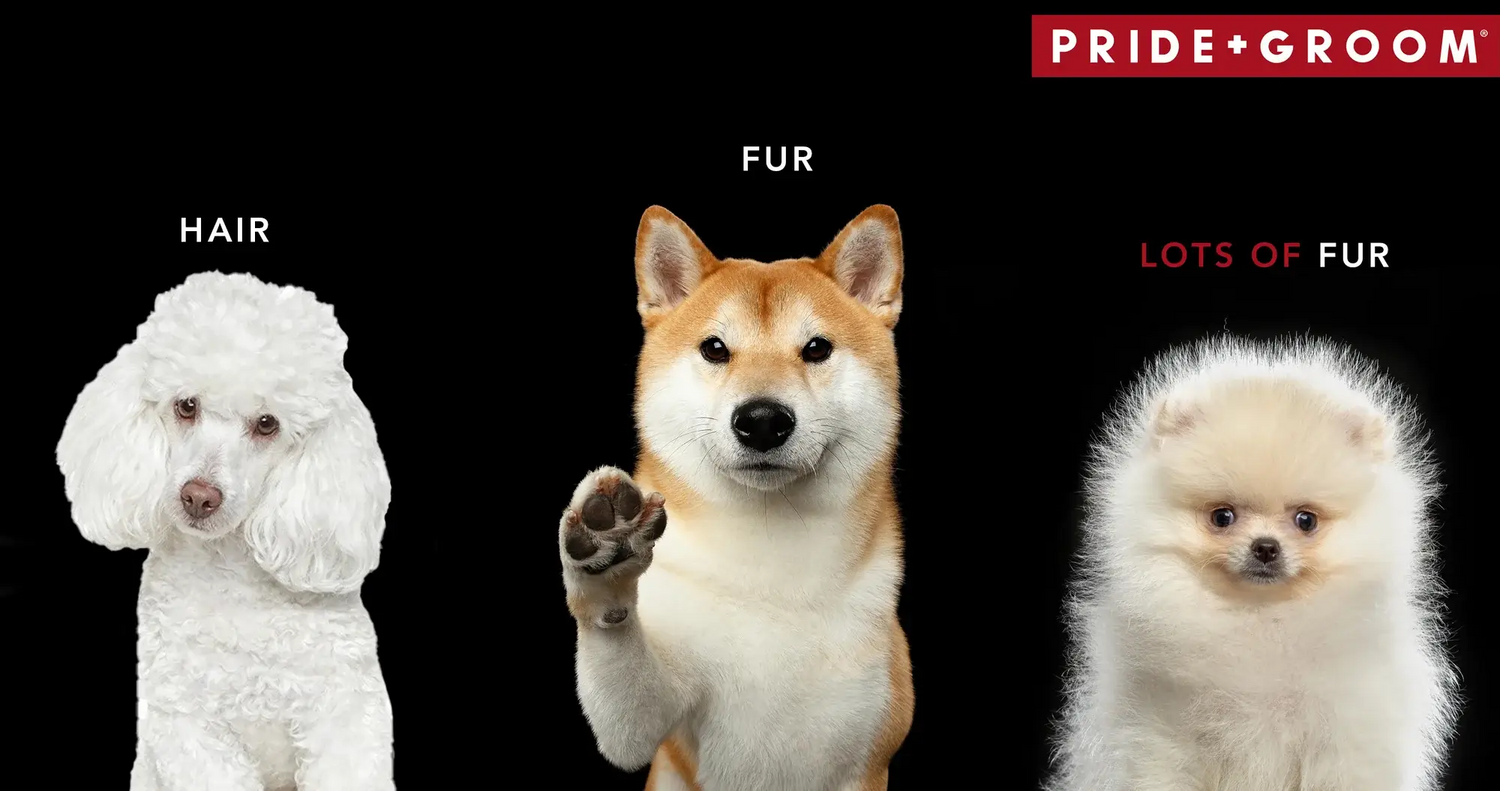
Hair grows continuously, just like human hair. It requires regular trimming or grooming. Fur grows to a certain length and then stops. It sheds seasonally in large amounts. Hair tends to be softer and finer. Fur is usually denser and thicker. Dogs with hair often have less undercoat. Fur dogs have a double coat with undercoat and topcoat. This structure helps fur dogs stay warm in cold weather.
Impact On Allergies
Hair dogs tend to shed less. They release fewer allergens into the air. People with mild allergies often prefer hair dogs. Fur dogs shed more dander and hair. Dander causes most allergic reactions in people. Regular grooming reduces allergens in both types. Choosing the right breed can ease allergy symptoms.
Traits Of Hypoallergenic Dogs
Hypoallergenic dogs are popular for people with allergies. These dogs have traits that cause fewer allergic reactions. They often have hair instead of fur. This hair grows slowly and sheds less. Less shedding means fewer allergens in the air.
People who suffer from allergies often choose hypoallergenic breeds. These dogs are not completely allergen-free but produce fewer allergens. Their unique traits help many allergy sufferers enjoy pet companionship.
What Makes A Breed Hypoallergenic
Hypoallergenic dogs usually have hair that grows continuously. This hair traps dander, which is a common allergen. These breeds shed very little or not at all. Less shedding means fewer allergens spread around the home.
Many hypoallergenic dogs also have oily skin. This oil helps keep dander from becoming airborne. They often need regular grooming to remove loose hair and skin flakes. Grooming reduces allergen buildup on their coat and skin.
Common Misconceptions
Many people think hypoallergenic means allergy-proof. No dog is completely safe for allergy sufferers. Allergies come from dander, saliva, and urine, not just hair. Some breeds labeled hypoallergenic may still cause reactions.
Another myth is that all dogs with hair are hypoallergenic. Hair alone does not stop allergens. Grooming and care habits play a big role. Allergy reactions vary by person and dog breed.
Top Hair Dog Breeds
Dogs with hair instead of fur have unique coats that require special care. Their hair grows continuously, similar to human hair. This trait makes them popular for people who want less shedding. Many hair dog breeds also have soft, curly, or silky hair that adds to their charm.
These breeds often need regular grooming to keep their hair healthy and tangle-free. Their coats can come in many colors and textures. Understanding the top hair dog breeds helps in choosing the right pet for your lifestyle.
Poodles
Poodles have curly, dense hair that grows nonstop. They come in toy, miniature, and standard sizes. Their hair is hypoallergenic, making them great for allergy sufferers. Poodles need regular trims to avoid mats and tangles. Their smart and active nature makes them easy to train.
Bichon Frise
Bichon Frises have soft, fluffy hair that looks like cotton. Their coats are white or cream-colored. This breed sheds very little, ideal for clean homes. Bichons need grooming every few weeks to maintain their look. They are friendly, playful, and good with children.
Maltese
The Maltese has long, silky white hair that flows smoothly. Their hair grows long and needs daily brushing. They do not shed much, which reduces allergens. Maltese dogs are gentle and make great companions. Regular grooming keeps their hair shiny and healthy.
Shih Tzu
Shih Tzus have a thick, flowing coat that requires daily care. Their hair can grow very long and needs brushing to prevent knots. They come in many colors and patterns. Shih Tzus are affectionate and enjoy being close to their owners. Grooming keeps their coat looking its best.
Yorkshire Terrier
Yorkshire Terriers have fine, silky hair that resembles human hair. Their coat grows long and needs regular grooming to stay neat. Yorkies often have a glossy, steel-blue and tan coat. They are lively and brave despite their small size. Daily brushing is key to avoid tangles.
Credit: prideandgroom.com
Care Tips For Hair Breeds
Dogs with hair instead of fur need special care to keep their coat healthy. Their hair grows continuously and can tangle or mat without proper attention. Regular care helps prevent skin problems and keeps dogs comfortable.
Grooming Essentials
Brush your dog’s hair often to stop tangles and mats. Use a comb or brush made for dogs with hair. Bath your dog every 4 to 6 weeks with gentle shampoo. Trim their hair regularly to keep it neat and avoid overgrowth. Clean ears and trim nails to complete grooming.
Skin And Coat Health
Check your dog’s skin for redness, bumps, or dryness. Healthy skin means a healthy coat. Feed a balanced diet rich in omega-3 and omega-6 fats. These nutrients support shiny hair and skin. Keep your dog hydrated by providing fresh water daily. Regular vet visits help spot any skin issues early.
Choosing The Right Breed For Allergies
Choosing the right dog breed for allergies is important for many pet lovers. Some dogs have hair instead of fur, which can affect allergy reactions. Understanding how hair breeds impact allergies helps in making a smart choice. The right breed can reduce sneezing, itching, and other allergy symptoms. This guide shares tips on finding a dog that fits your allergy needs.
Assessing Your Allergic Sensitivity
Allergy levels vary from person to person. Some people react strongly to dog dander, saliva, or hair. It is important to know how your body reacts to different dogs. Visiting a friend with a hair breed dog can help test your reaction. Allergy tests at a doctor’s office give clear information. Knowing your sensitivity helps pick a suitable breed. Not all hair breeds are the same for allergies.
Living With Hair Breeds
Hair breeds may shed less than fur breeds but still produce dander. Regular grooming reduces loose hair and dander in your home. Baths and brushing keep your dog clean and cut allergens. Using air purifiers and cleaning often improves indoor air quality. Some popular hair breeds include Poodles, Maltese, and Bichon Frise. These breeds often cause fewer allergy problems. Care and hygiene make living with hair breeds easier for allergy sufferers.
Credit: kingkanine.com
Frequently Asked Questions
Which Dog Breeds Have Hair Instead Of Fur?
Dog breeds like Poodles, Maltese, and Yorkshire Terriers have hair instead of fur. Hair grows continuously and sheds less, making these breeds ideal for allergy sufferers.
Are Hair-coated Dogs Hypoallergenic?
Hair-coated dogs are often hypoallergenic because they shed less dander. However, no dog is 100% hypoallergenic. Hair breeds reduce allergens but don’t eliminate them completely.
How Does Hair Differ From Fur In Dogs?
Hair grows longer and continuously, while fur has a fixed length and sheds seasonally. Hair-coated dogs need regular grooming to prevent matting and maintain coat health.
Why Do Some Dogs Have Hair And Others Have Fur?
Genetics determine whether dogs have hair or fur. Hair breeds evolved with single coats, while fur breeds have double coats for insulation and protection.
Conclusion
Dogs with hair offer unique benefits for many pet lovers. They shed less and often cause fewer allergies. Choosing the right breed depends on your lifestyle and needs. Hair coats need regular care to stay healthy and clean. Knowing which dogs have hair helps you find a good match.
Every breed has its charm and care needs. Think about your time and home before deciding. A dog with hair can be a loving, lasting friend.


