

Are you tired of constantly finding dog hair on your clothes, furniture, and floors? If you love dogs but dread the endless shedding, you’re not alone.
Choosing a dog that sheds less can make a huge difference in keeping your home clean and your allergies in check. You’ll discover which dog breeds shed the least—and why they might be the perfect fit for your lifestyle. Keep reading to find out how you can enjoy the joy of a furry friend without the mess.
Why Shedding Matters
Shedding is a natural process for dogs. It means they lose old or dead hair to make space for new growth. Some breeds shed more than others. This affects many parts of life with a dog. Understanding why shedding matters helps in choosing the right dog breed.
Allergies And Shedding
Shedding affects people with allergies. Dog hair can carry dust and pollen. When dogs shed less, there is less hair and dander in the air. This helps reduce allergic reactions. Choosing a low-shedding breed can make life easier for allergy sufferers.
Home Cleanliness
Dog hair can cover floors, furniture, and clothes. High shedding means more cleaning every day. Less shedding means less hair around the house. This keeps the home cleaner and saves time. It also reduces the need for constant vacuuming and dusting.
Pet Grooming Needs
Shedding affects grooming routines. Dogs that shed a lot need more brushing. This prevents mats and loose hair buildup. Low-shedding dogs need less frequent grooming. This saves time and reduces grooming costs. It also keeps the dog more comfortable.
Credit: www.purina.com
Traits Of Low-shedding Dogs
Low-shedding dogs have special traits that make them ideal for many homes. Their coats lose less hair, which means less mess and cleaning. Understanding these traits helps in choosing the right dog for your lifestyle.
Coat Types And Shedding
Coat type plays a big role in shedding levels. Dogs with curly or wavy coats usually shed less. Their hair tends to stay trapped in the curls instead of falling out. Dogs with single coats shed more because their hair falls out freely. Double-coated dogs shed heavily, especially in spring and fall.
Hypoallergenic Breeds
Hypoallergenic dogs produce fewer allergens. This means they are better for people with allergies. These breeds often have hair that grows continuously instead of fur that falls out. Examples include Poodles and Bichon Frises. These dogs shed very little and keep homes cleaner.
Maintenance Requirements
Low-shedding dogs still need regular care. Brushing helps remove loose hair and prevents matting. Some dogs need grooming every few weeks. Baths keep their coat clean and healthy. Proper maintenance reduces shedding and keeps the dog comfortable.
Top Low-shedding Dog Breeds
Many people want dogs that do not leave fur all over the house. Low-shedding dog breeds are perfect for those who want less cleaning. These dogs lose very little hair. They are good for people with mild allergies or busy lifestyles.
Here is a list of top low-shedding dog breeds. Each breed has unique traits and looks. You will find small and large dogs that shed less. These breeds are also known for their friendly and loving nature.
Poodle Varieties
Poodles come in three sizes: toy, miniature, and standard. Their curly coats trap hair, so they shed very little. Poodles are smart and easy to train. They also get along well with kids and other pets.
Bichon Frise
Bichon Frises have soft, curly fur that sheds minimally. They are small, cheerful, and gentle dogs. Their coat needs regular grooming to stay clean and fluffy. Bichons are great for families and apartment living.
Portuguese Water Dog
This breed has curly or wavy hair that does not shed much. Portuguese Water Dogs are energetic and love water activities. They are loyal and protective of their family. Their coats require regular brushing to avoid mats.
Shih Tzu
Shih Tzus have long, silky hair that sheds very little. They are small dogs with a friendly personality. Shih Tzus enjoy being around people and other pets. Their coat needs daily grooming to prevent tangles.
Maltese
Maltese dogs have fine, white coats that shed very little. They are gentle and affectionate companions. Maltese dogs do well in small homes and apartments. Regular brushing keeps their coat smooth and shiny.
Basenji
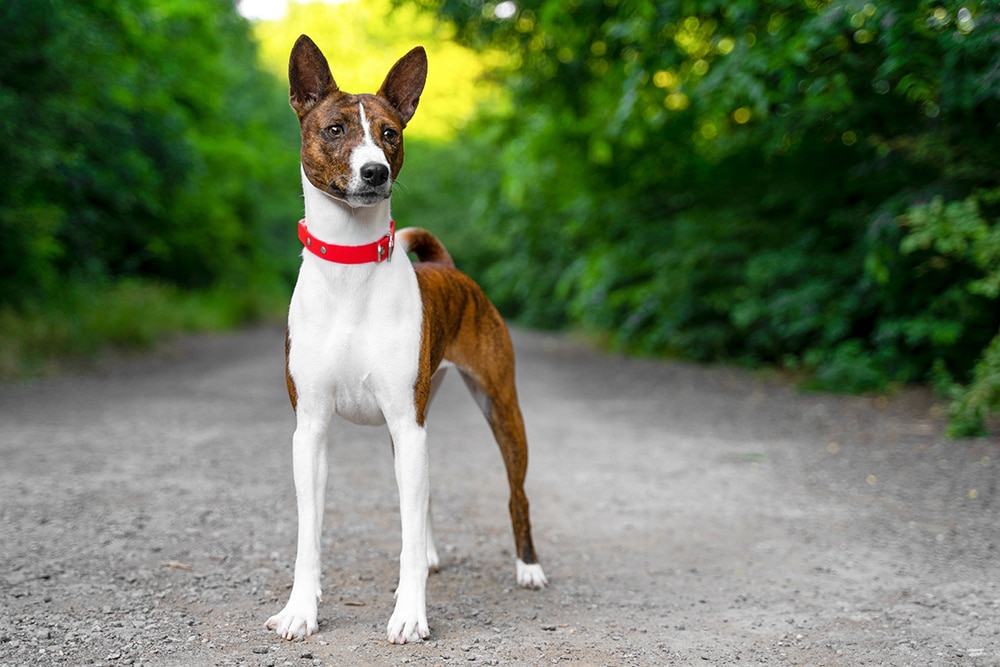
Basenjis have short hair that sheds very little. They are known as “barkless dogs” because they make unique sounds. Basenjis are active and independent. Their short coat is easy to care for and clean.
Credit: www.purina.com
Choosing The Right Low-shedding Dog
Choosing the right low-shedding dog means more than just picking a breed. It involves matching the dog’s needs with your daily life. This match helps you enjoy your pet and avoid surprises. Think about your home, time, and energy before choosing. This way, both you and your dog will be happy.
Different dogs shed less but have different care needs. Some need more exercise or mental work. Others may need special grooming. Knowing these details helps find a dog that fits well with your lifestyle.
Lifestyle Compatibility
Consider your daily routine and living space. Some dogs need lots of time outside. Others do well in apartments. A low-shedding dog that fits your lifestyle stays healthy and calm. Think about your work hours and family activities. Choose a dog that matches your pace and space.
Size And Activity Level
Small dogs may need less exercise but can be active indoors. Large dogs often need more space and walks. Low-shedding dogs come in all sizes. Match the dog’s activity level to your energy. This keeps your dog happy and reduces stress for both of you.
Temperament And Training
Temperament affects how a dog fits with your family. Some low-shedding breeds are calm and gentle. Others are playful and need training. Choose a dog with a temperament you can handle. Training helps manage behaviors and builds a strong bond.
Tips To Minimize Shedding
Shedding can be a big challenge for dog owners. It can make your home messy and cause allergies. There are simple ways to reduce shedding. These tips help keep your dog’s coat healthy and clean. They also reduce loose hair around your house.
Regular Grooming
Brush your dog’s coat often. This removes loose hair before it falls out. Use the right brush for your dog’s fur type. Bathing your dog regularly helps keep skin clean. It also reduces dead hair. Grooming strengthens the bond between you and your pet. It keeps your dog comfortable and happy.
Proper Nutrition
Feed your dog a healthy diet. Good food supports strong fur and skin. Include foods rich in omega-3 and omega-6 fatty acids. These nutrients reduce shedding and improve coat shine. Avoid low-quality foods with fillers. Fresh water is important too. Proper nutrition keeps your dog’s coat thick and healthy.
Environmental Factors
Keep your home clean and free from dust. Dust can irritate your dog’s skin. Control the temperature inside your home. Extreme heat or cold can increase shedding. Use air filters to reduce allergens. Regular vacuuming helps remove pet hair from floors and furniture. A clean environment helps reduce your dog’s shedding problems.
Credit: www.purina.com
Frequently Asked Questions
Which Dog Breeds Shed The Least?
Breeds like the Poodle, Bichon Frise, and Shih Tzu shed very little. These breeds have hair that grows continuously, not fur that sheds seasonally.
Are Hypoallergenic Dogs Always Low Shedders?
Hypoallergenic dogs usually shed less, reducing allergens. However, individual dogs vary, so low shedding is common but not guaranteed.
How Does Grooming Affect Dog Shedding?
Regular grooming removes loose hair and reduces shedding. Brushing your dog frequently helps manage shedding, especially in low-shedding breeds.
Do Small Dog Breeds Shed Less Than Large Breeds?
Not necessarily. Shedding depends on the breed’s coat type, not size. Some small dogs shed a lot, while some large dogs shed very little.
Conclusion
Choosing a dog that sheds little can make life easier. These breeds help keep your home cleaner. They also reduce allergy problems for many people. Remember, every dog needs love and care, regardless of shedding. Find a breed that fits your lifestyle and needs.
Enjoy the bond with your furry friend every day. Shedding does not define a dog’s value or love. A happy dog brings joy, no matter the fur.


