

If your dog has shown signs of aggressive behavior, you’re not alone—and you definitely want to fix it. Aggression can create unsafe situations for you, your pet, and those around you.
But here’s the good news: you have the power to change your dog’s behavior. You’ll discover simple, effective steps that anyone can follow to calm your dog down and build a stronger bond. Keep reading, and learn how to bring peace and happiness back to your home.
Causes Of Aggression
Aggressive behavior in dogs can be confusing and worrying. Understanding the causes of aggression helps in managing and reducing it. Dogs may show aggression for many reasons. These reasons can be natural or learned. Identifying the root cause is the first step to help your dog feel safe and calm.
Genetic Factors
Some dogs inherit traits that affect their behavior. Certain breeds may have a higher chance of aggressive tendencies. Genes can influence how a dog reacts to threats or fear. While genetics play a role, training and environment also shape behavior.
Environmental Triggers
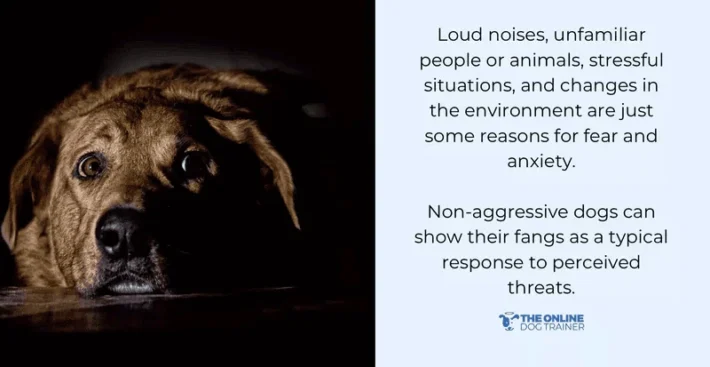
Dogs react to their surroundings. Loud noises, new people, or unfamiliar places can cause stress. Stress may lead to aggression as a defense. Poor socialization during puppyhood increases fear and aggression later. Changes in the home, such as new pets or family members, may trigger aggressive acts.
Health Issues
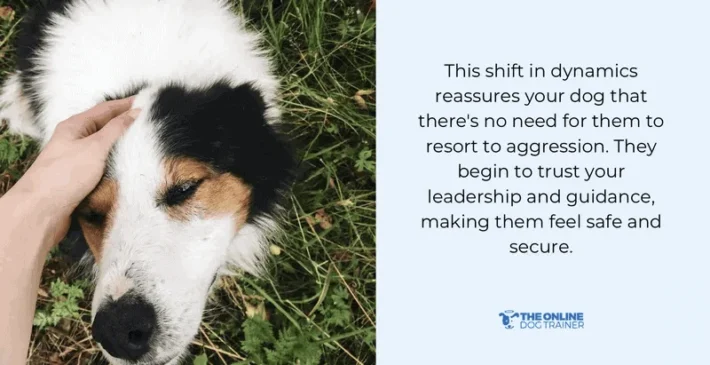
Pain or illness can make dogs irritable and aggressive. Conditions like arthritis, infections, or dental problems affect mood. A sudden change in behavior often signals health problems. Regular vet check-ups help catch issues early. Treating health problems can reduce aggressive responses.
Credit: theonlinedogtrainer.com
Early Signs To Watch
Recognizing early signs of aggressive behavior in dogs helps prevent serious problems. Dogs often show subtle signals before they act out. Paying close attention to these signs can protect both the dog and people around.
Body Language Cues
Watch your dog’s posture carefully. Stiff legs and raised hackles show tension. A fixed stare or intense eye contact can signal unease. Ears pinned back or standing high may mean the dog feels threatened. Tail position matters too; a high, rigid tail often signals alertness or aggression.
Behavioral Changes
Notice sudden shifts in behavior. A friendly dog becoming withdrawn or overly protective is a red flag. Avoidance of certain people or places can indicate fear or discomfort. Increased growling or snapping at toys or food shows rising aggression. Changes in play style, like rougher play, also matter.
Vocal Indicators
Listen closely to your dog’s sounds. Low growls warn of discomfort or a threat. Barking that is sharp or rapid may indicate anxiety or aggression. Whining or yelping can show stress or pain. Pay attention to any new or unusual vocalizations as signals of changing mood.
Training Techniques
Training is key to reducing aggressive behavior in dogs. It helps dogs learn calm and safe reactions. Consistent practice builds trust and control.
Different methods work for different dogs. Choosing the right technique makes a big difference. Training creates a positive bond between you and your dog.
Positive Reinforcement
Positive reinforcement rewards good behavior. Treats, praise, or toys encourage dogs to repeat calm actions. This method avoids punishment or fear.
Reward calmness and gentle behavior immediately. Dogs link good behavior with positive results. Over time, they choose calmness over aggression.
Desensitization
Desensitization means exposing dogs to triggers slowly. Start with very low levels of the trigger. Gradually increase exposure as the dog stays calm.
This technique reduces fear or anxiety linked to triggers. It helps dogs feel safe in tough situations. Patience and slow steps are essential.
Counter-conditioning
Counter-conditioning changes the dog’s emotional response to triggers. Pair a trigger with something pleasant, like treats or play. The dog learns to feel good, not scared or angry.
This method rewires the dog’s reaction to aggression triggers. It takes time but creates lasting calm behavior. Consistency is important for success.
Creating A Calm Environment
Creating a calm environment helps reduce your dog’s aggressive behavior. Dogs feel safer and less anxious in peaceful settings. Calm spaces lower stress and build trust. This lets your dog relax and behave better. Follow simple steps to make your home a calm place for your dog.
Safe Spaces
Provide a quiet area where your dog can rest. Use a cozy bed or crate in a low-traffic room. This space should be free from loud noises and sudden movements. Let your dog retreat there when feeling stressed. A safe space helps your dog feel secure and calm.
Routine And Structure
Keep your dog’s daily schedule consistent. Feed, walk, and play at the same times each day. Predictable routines reduce anxiety and confusion. Dogs thrive on knowing what to expect. A steady routine helps prevent sudden aggressive reactions.
Reducing Stressors
Identify things that upset your dog. Loud sounds, strangers, or other pets can cause stress. Minimize exposure to these triggers as much as possible. Use calming tools like soft music or pheromone sprays. Lowering stress helps your dog stay calm and friendly.
Professional Help
Sometimes, aggressive behavior in dogs needs expert help. Professionals can find the cause and guide the right treatment. They offer support beyond basic training or home care. Seeking professional help improves safety for both you and your dog.
When To Consult A Vet
A vet can check if health issues cause aggression. Pain or illness can make dogs act aggressively. Sudden changes in behavior need a medical check-up. Vets can also suggest medicines if needed. Early vet visits can prevent problems from getting worse.
Working With Behaviorists
Behaviorists study why dogs act aggressively. They create plans to change bad habits. These experts use safe, science-based methods. Behaviorists teach owners how to handle triggers. Their help is useful for serious or long-term aggression.
Training Classes
Training classes offer social skills and control techniques. Dogs learn to obey commands and stay calm. Group classes help dogs get used to others. Trainers show owners how to manage aggression at home. Regular classes improve behavior and build trust.
Credit: theonlinedogtrainer.com
Managing Aggression Safely
Managing aggression safely is key to protecting both your dog and others. Aggressive behavior needs careful control to avoid injuries. Using the right tools and techniques helps keep situations calm.
Safety measures reduce stress for your dog and people nearby. They also allow you to work on behavior without risk. Below are practical ways to handle aggression with care.
Using Muzzles And Leashes
Muzzles prevent biting during stressful moments. Choose a muzzle that fits well and allows breathing. Use it only as a temporary safety tool.
Leashes keep your dog close and controlled. A strong, short leash works best for aggressive dogs. It helps you guide your dog away from triggers.
Supervision Strategies
Always watch your dog around people and other animals. Avoid places with many distractions or unknown dogs. Supervision stops aggressive acts before they start.
Keep your dog in a safe, quiet area when unsupervised. Use baby gates or crates to limit access. This prevents unexpected aggressive behavior.
Handling Aggressive Episodes
Stay calm and avoid sudden movements during aggression. Speak softly to help your dog relax. Do not punish or shout; it may worsen aggression.
Use distraction techniques like toys or treats to redirect attention. Slowly remove your dog from the trigger if possible. Seek professional help for ongoing aggressive episodes.
Lifestyle Adjustments
Lifestyle adjustments can help reduce aggressive behavior in dogs. Changing daily routines improves their mood and control. Dogs need a balance of physical activity, mental challenges, and social time. These elements calm them and reduce stress. Consistent changes support long-term behavior improvement.
Regular Exercise
Exercise helps release built-up energy and tension. A tired dog is less likely to act aggressively. Daily walks, runs, or playtime are essential. Choose activities that fit your dog’s breed and age. Regular exercise supports a calm and happy mind.
Mental Stimulation
Mental challenges keep a dog’s brain active and focused. Use puzzle toys, training sessions, or scent games. These activities reduce boredom, a common cause of aggression. Mental stimulation increases confidence and helps them handle stress better.
Socialization Practices
Proper socialization teaches dogs to interact calmly with others. Introduce your dog to different people and pets slowly. Positive experiences build trust and reduce fear-based aggression. Regular social visits create comfort and improve behavior over time.
Credit: theonlinedogtrainer.com
Frequently Asked Questions
What Causes Aggressive Behavior In Dogs?
Aggression in dogs can stem from fear, pain, territorial instincts, or lack of socialization. Genetics and past trauma also influence aggression. Identifying the cause helps in effective behavior management and training.
How Can I Safely Approach An Aggressive Dog?
Approach slowly, avoid direct eye contact, and stay calm. Do not corner the dog or make sudden movements. Use a soothing voice and offer treats to build trust gradually.
What Training Methods Reduce Dog Aggression Effectively?
Positive reinforcement, consistent commands, and socialization help reduce aggression. Avoid punishment as it may worsen behavior. Professional training and behavior modification plans tailored to your dog’s needs yield the best results.
When Should I Seek Professional Help For Dog Aggression?
Consult a professional if aggression persists or worsens despite training. Immediate help is vital if your dog shows biting tendencies or aggressive attacks. Early intervention prevents injury and improves behavior outcomes.
Conclusion
Curbing aggressive behavior in dogs takes time and patience. Consistent training helps your dog feel safe and calm. Use positive rewards to encourage good behavior every day. Understand your dog’s triggers and avoid them when possible. Seek help from a professional if needed.
A calm dog makes life better for everyone. Keep working with love and care. Small steps lead to big changes. Your dog can become friendlier and happier. Stay patient and keep trying.


