

Are you wondering if it’s okay for your adult dog to eat puppy food? You’re not alone.
Many pet owners face this question and want to make sure their furry friend is getting the right nutrition. Feeding your dog the wrong food could affect their health, energy, and happiness. But what really happens when an adult dog eats puppy food?
Keep reading to discover the surprising facts and find out what’s best for your loyal companion.

Credit: www.purina.com
Differences Between Puppy And Adult Dog Food
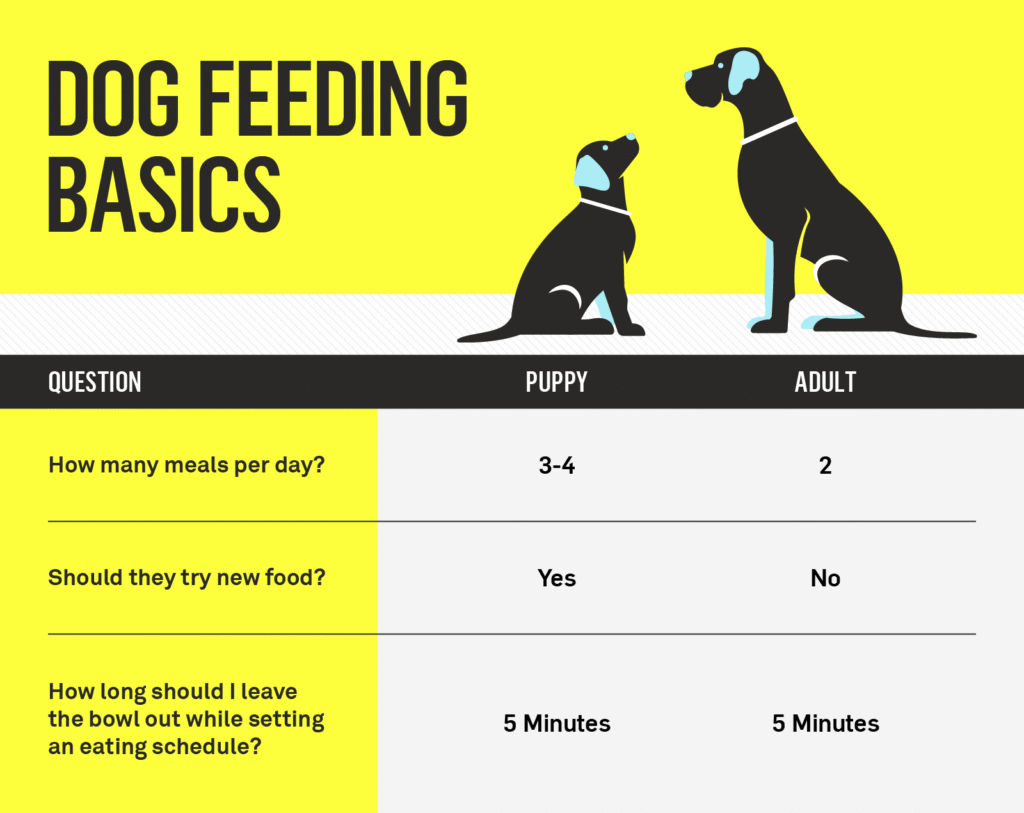
Understanding the differences between puppy and adult dog food is important. These foods serve different purposes. Puppies grow fast. They need more nutrients to build strong bones and muscles. Adult dogs need food that keeps them healthy without extra calories. Feeding the right food keeps your dog healthy and happy.
Nutritional Needs Of Puppies
Puppies need extra protein and fat for growth. Their food has more calories than adult dog food. Puppies also need higher levels of vitamins and minerals. These nutrients support bone development and energy. Puppy food helps them grow strong and healthy.
Nutritional Needs Of Adult Dogs
Adult dogs need fewer calories to maintain weight. Their food has balanced protein and fat. It focuses on keeping their muscles and organs healthy. Adult dog food often contains ingredients for joint and skin health. This food supports a stable energy level.
Key Ingredient Variations
Puppy food contains more protein and fat. It includes DHA, an important fat for brain development. Adult food has less fat and calories. It often contains fiber for digestion. Ingredients differ to match the dog’s life stage needs.
Credit: www.gallant.com
Potential Effects Of Feeding Puppy Food To Adult Dogs
Feeding puppy food to adult dogs can cause some issues. Puppy food has more calories and nutrients to support growth. Adult dogs do not need this extra energy. This can affect their health in several ways.
Weight Gain And Obesity Risks
Puppy food has higher calories. Adult dogs eating it can gain weight fast. Extra calories turn into fat. This leads to obesity. Obesity raises risks of health problems. Joint pain and heart disease can occur. Controlling weight is easier with adult dog food.
Digestive Concerns
Puppy food has different ingredients and nutrient amounts. Adult dogs may find it hard to digest. This can cause stomach upset. Diarrhea or vomiting may happen. Sensitive dogs especially suffer. Feeding proper adult dog food supports good digestion.
Energy Levels And Activity
Puppy food is made for high energy needs. Adult dogs eating it may feel restless. Too much energy can cause hyperactivity. Some dogs may get tired faster too. Balanced adult dog food helps maintain steady energy. This supports regular activity and good health.
Situations Where Puppy Food May Be Suitable For Adults
Adult dogs usually need food made for their age. Puppy food has extra nutrients and calories. These help puppies grow strong. Sometimes adult dogs might need puppy food. Certain life stages or health needs require more energy or nutrients. In these cases, puppy food can support adult dogs well.
Below are some situations where puppy food fits adult dogs’ needs. These examples show when extra nutrition helps health and energy.
Pregnant Or Nursing Dogs
Pregnant or nursing dogs need more calories and nutrients. Puppy food provides higher protein and fat levels. These help support the mother and her puppies. Feeding puppy food during this time can boost health and energy. It helps the mother produce good milk and stay strong.
Underweight Or Malnourished Adults
Adult dogs that are underweight or malnourished need more nutrition. Puppy food offers extra calories and vitamins to help gain weight. It is easier to digest and absorb. This food helps rebuild body strength and improve health. Using puppy food can speed up recovery for thin or weak dogs.
Highly Active Adult Dogs
Dogs with high activity need more energy every day. Puppy food contains more fats and proteins for stamina. It supports muscle repair and keeps energy levels high. Working dogs or very active pets may benefit from puppy food. This diet helps them stay fit and active longer.
Expert Recommendations On Dog Feeding Practices
Feeding your dog the right food is important for its health and happiness. Experts suggest following clear steps to choose the best diet. Adult dogs and puppies have different needs. Puppy food is rich in nutrients for growing dogs but may not suit adults.
Understanding expert advice helps you make the best choice for your dog’s diet. Proper feeding supports energy, weight, and overall health.
Consulting A Veterinarian
Always ask a veterinarian before changing your dog’s food. They know your dog’s health history and needs. A vet can recommend the right diet based on age, size, and health. This prevents problems like obesity or nutrient imbalance. Trusting expert advice keeps your dog safe and healthy.
Transitioning Between Foods
Switch dog food slowly over 7 to 10 days. Mix a small amount of new food with the old food. Gradually increase the new food portion daily. This helps your dog’s stomach adjust. Sudden changes may cause upset stomach or diarrhea. A smooth transition keeps your dog comfortable and happy.
Monitoring Dog Health And Behavior
Watch your dog closely after changing food. Check energy levels, coat condition, and bathroom habits. If your dog acts tired or has loose stools, contact a vet. Healthy dogs have bright eyes and shiny fur. Early detection of problems helps fix issues quickly.
Alternatives To Puppy Food For Adult Dogs
Adult dogs have different dietary needs than puppies. Puppy food is rich in calories and nutrients to support growth. Feeding adult dogs puppy food can cause weight gain and nutrient imbalance. Finding the right alternative helps maintain your dog’s health and energy.
Specialized Adult Dog Formulas
Adult dog formulas meet the nutritional needs for mature dogs. These foods have balanced protein, fat, and fiber levels. They support healthy weight, muscle maintenance, and digestion. Choosing age-appropriate food keeps your dog active and strong.
Homemade Balanced Diet Options
Home-cooked meals allow control over ingredients and portions. Include lean meats, vegetables, and grains in meals. Avoid harmful foods like onions, chocolate, and grapes. Consult a vet or pet nutritionist to ensure balance and safety.
Supplements And Treats
Supplements fill gaps in your dog’s diet. Common ones include fish oil, glucosamine, and probiotics. Treats should be healthy and given in moderation. Use them to reward good behavior without upsetting nutrition.

Credit: www.reddit.com
Frequently Asked Questions
Can Adult Dogs Safely Eat Puppy Food Occasionally?
Yes, adult dogs can eat puppy food occasionally. However, puppy food is richer and higher in calories. Regular feeding may cause weight gain or digestive issues in adults.
What Are The Risks Of Feeding Adult Dogs Puppy Food?
Feeding adult dogs puppy food regularly can lead to obesity. The extra fat and protein might strain their kidneys and digestive system.
How Does Puppy Food Differ From Adult Dog Food?
Puppy food has more calories, protein, and fat to support growth. Adult dog food is balanced for maintenance and lower energy needs.
When Should I Stop Feeding My Dog Puppy Food?
Switch to adult food after your dog reaches one year old. Large breeds may need puppy food for up to 18 months.
Conclusion
Adult dogs can eat puppy food occasionally, but not always. Puppy food has more fat and calories, which may cause weight gain. It lacks the right balance of nutrients for grown dogs. Feeding adult dogs the correct food supports their health and energy.
Choose dog food made for adult dogs to keep them strong. Always watch your dog’s weight and health closely. Talk to a vet if unsure about your dog’s diet. Careful feeding helps your dog live a happy, healthy life.


