

Choosing the right dog breed can change your life in amazing ways. But with so many breeds out there, how do you know which one fits your lifestyle, personality, and home?
Picking the perfect dog isn’t just about looks—it’s about finding a loyal companion who matches your energy, needs, and daily routine. You’ll discover simple steps and key questions to ask yourself that will make this important decision easier. Keep reading to find the dog breed that feels like it was made just for you.
Assess Your Lifestyle
Choosing the right dog breed starts with understanding your lifestyle. Different breeds have different needs. Matching a dog’s traits with your daily routine helps create a happy home for both of you.
Activity Level And Exercise Needs
Some dogs need lots of exercise every day. Others are fine with short walks or indoor play. Think about your energy levels. Do you enjoy running or long walks? Or do you prefer quiet time at home? Active breeds like Border Collies or Huskies need more movement. Calm breeds like Bulldogs or Basset Hounds need less exercise.
Living Space Considerations
Space matters. Big dogs often need more room to move around. Small dogs can live happily in apartments. Check your home size. Do you have a yard or a nearby park? A dog that fits your living space feels less stressed. Crowded spaces can cause problems for bigger or more active dogs.
Time Commitment
Dogs need time and attention. Some breeds require lots of grooming, training, and socializing. Puppies and young dogs need more care than older ones. Think about your daily schedule. Can you spend time walking, feeding, and playing with your dog? Busy people might prefer low-maintenance breeds that are more independent.
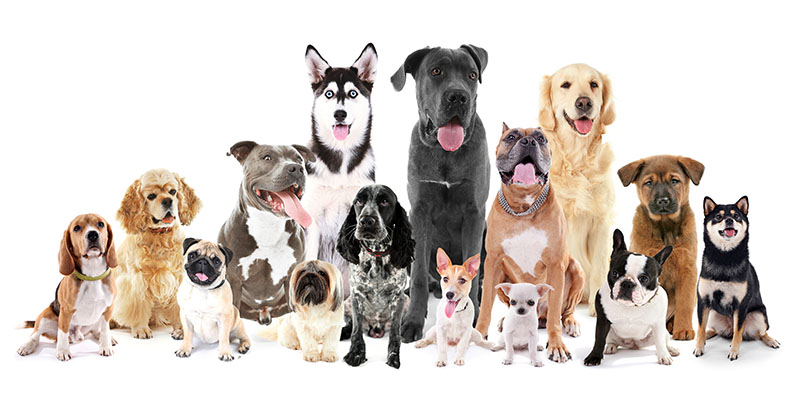
Credit: www.harmonyanimalhospital.net
Consider Size And Energy
Choosing a dog means thinking about size and energy. These two factors affect how a dog fits into your home and lifestyle. Size impacts space needs and care. Energy affects daily activities and training.
Small Vs. Large Breeds
Small dogs suit small homes and apartments. They need less space but may need more attention. Large dogs need more room to move. They often require bigger yards or outdoor time. Large breeds usually eat more and cost more to care for. Small breeds can be easier to handle and travel with. Choose a size that fits your living space and daily routine.
High Vs. Low Energy Dogs
High energy dogs need lots of exercise and play. They enjoy long walks, runs, and active games. Low energy dogs prefer short walks and quiet time. They relax more and require less exercise. Match a dog’s energy to your activity level. Active owners may enjoy high energy breeds. Less active people might prefer calmer dogs. Knowing this helps prevent frustration for both you and your dog.
Evaluate Temperament
Evaluating a dog’s temperament is key to choosing the right breed. Temperament means how a dog behaves and reacts. It affects daily life and how well the dog fits your home. Understanding temperament helps avoid problems and builds a happy bond.
Family-friendly Traits
Some breeds have calm and gentle temperaments. These dogs enjoy being around people and are patient. They adapt well to home life. Look for breeds known for kindness and low aggression. These traits make dogs easier to live with.
Compatibility With Children And Pets
Not all dogs get along with kids or other animals. Some breeds are protective and playful with children. Others may be shy or nervous. Consider how the breed reacts to small children and pets. Choose a breed that matches your family’s lifestyle.
Socialization Needs
Dogs need social time to stay happy. Some breeds require more interaction than others. They enjoy meeting people and playing with other dogs. Other breeds prefer quiet and less social contact. Know how much socialization your chosen breed needs.
Health And Lifespan Factors
Choosing the right dog breed means thinking about health and lifespan. These factors affect your dog’s happiness and your life together. Different breeds have different health risks and life expectancies. Understanding these details helps you make a smart choice. Care needs and grooming also play a big role in your daily routine.
Common Breed Health Issues
Each dog breed faces unique health problems. Some breeds suffer from hip dysplasia or heart disease. Others might have breathing issues or skin allergies. Knowing these risks helps you prepare for vet visits. Regular check-ups keep your dog healthy and happy. Early detection can prevent serious problems.
Longevity Expectations
Dog lifespans vary widely by breed. Small breeds often live longer, sometimes over 15 years. Large breeds may live 8 to 12 years on average. Lifespan affects your long-term plans and commitment. Choose a breed that fits your lifestyle and expectations. This helps build a strong bond for many years.
Grooming And Maintenance
Grooming needs differ across breeds. Some dogs need daily brushing and regular haircuts. Others require only occasional baths and nail trims. Long-haired breeds may need more time and care. Short-haired dogs usually need less grooming effort. Consider your time and ability before choosing a breed.
Research Popular Breeds
Researching popular dog breeds helps find the best fit for your home and lifestyle. Each breed has unique traits, energy levels, and care needs. Learning about these differences makes choosing easier.
Start by exploring breeds known for good temperaments. Consider size, grooming, and exercise needs. This knowledge saves time and helps avoid surprises.
Top Breeds For Beginners
Some breeds are perfect for first-time dog owners. They are friendly, easy to train, and adapt well. Examples include the Labrador Retriever, Cavalier King Charles Spaniel, and Beagle. These dogs enjoy family life and require moderate exercise.
Active Lifestyle Breeds
Active people benefit from energetic breeds. These dogs love running, hiking, and playing outdoors. Border Collies, Australian Shepherds, and Jack Russell Terriers are good choices. They need daily exercise and mental challenges.
Low-maintenance Breeds
Low-maintenance dogs suit busy or less active owners. They need less grooming and moderate exercise. Breeds like the French Bulldog, Chihuahua, and Dachshund fit this category. These dogs enjoy relaxing but still need some activity.
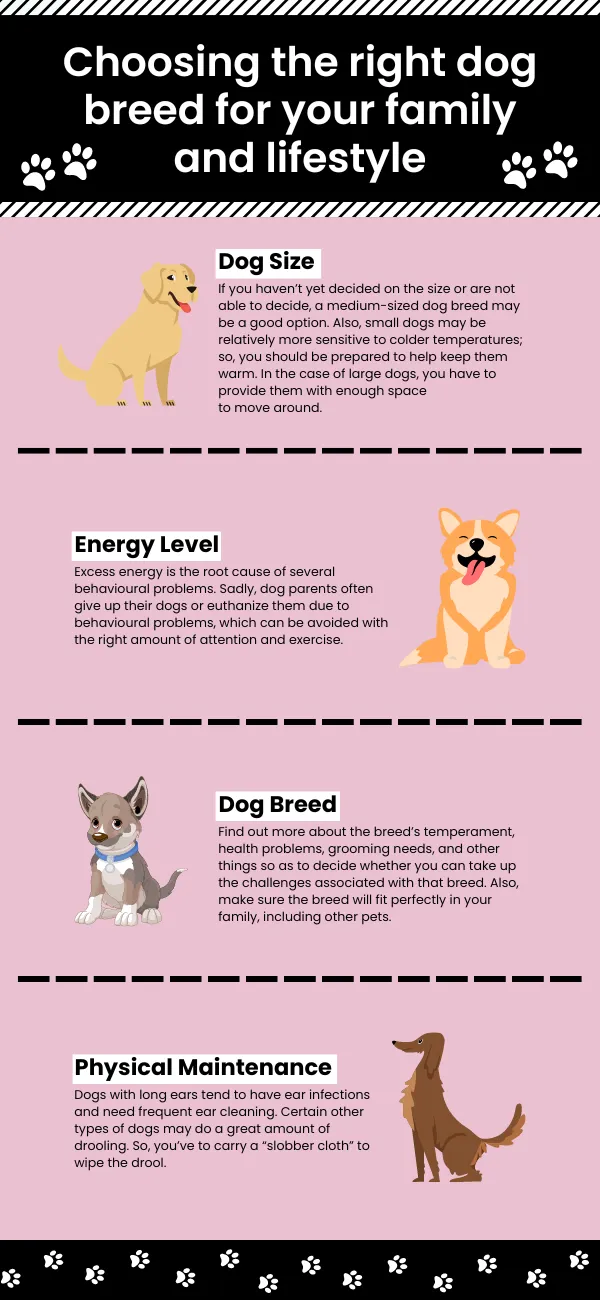
Credit: www.bluediamondsgr.org
Meet And Interact With Dogs
Meeting and interacting with dogs helps you find the best breed for your life. It lets you see how different dogs behave and feel. Spending time with dogs shows their energy levels and personalities. This step helps you choose a dog that fits your home and style.
Visiting Shelters And Rescues
Shelters and rescues have many dogs waiting for homes. Visiting them lets you meet dogs of different breeds and mixes. You can see how dogs act around people and other pets. Staff can share helpful info about each dog’s needs and traits. This visit helps you find a dog that matches your lifestyle.
Talking To Breeders
Breeders know their dogs very well. They can explain each breed’s habits and health needs. Talking to breeders gives you a chance to ask questions. You can meet puppies and adult dogs. This helps you understand what to expect from a specific breed.
Observing Behavior
Watch how dogs behave during your visits. Notice if they are calm or very active. See how they respond to strangers and children. Observe their reaction to sounds and movement. This helps you decide if the dog’s temperament suits your home.
Consider Adoption Options
Choosing the right dog breed includes thinking about adoption options. Many dogs need loving homes. Adopting can be a rewarding choice. It helps animals and brings joy to families. This section covers why adoption matters and how to find the right dog.
Benefits Of Adopting
Adopting saves a dog’s life. Shelters have many dogs of all ages and sizes. Adoption costs are lower than buying from breeders. Shelters often check dogs’ health and behavior. You give a home to a dog who really needs one. Adoption supports animal welfare and reduces overpopulation.
Finding The Right Shelter
Look for shelters with good reviews and clean facilities. Visit more than one shelter to meet different dogs. Staff can help match you with a dog that fits your lifestyle. Ask about the dog’s history and health. Some shelters offer trial periods to see if the dog suits you.
Assessing Mixed Breeds
Mixed breeds have unique traits and personalities. They often have fewer health problems than purebreds. Assess the dog’s energy level and temperament. Mixed breeds can fit well in many homes. Spend time with the dog before adopting. This helps ensure a good match for your family.
Prepare For Long-term Care
Choosing a dog means thinking about care for many years. Dogs live a long time. They need love, time, and money. Prepare yourself to give your dog a good home for life. This section helps you plan for long-term care.
Budgeting For Expenses
Dogs cost money every year. Food, toys, and grooming add up fast. Some breeds need special food or tools. Plan your budget before you get a dog. Set aside money for emergencies. Unexpected vet visits can be expensive. A good budget keeps your dog healthy and happy.
Training And Socialization
Training is a must for all dogs. It helps them behave well and stay safe. Start training early. Use simple commands and be patient. Socialize your dog with people and other animals. This lowers fear and aggression. Well-trained dogs fit better in families and public places.
Veterinary Care Planning
Regular vet visits keep dogs healthy. Vaccines, check-ups, and dental care prevent problems. Know the common health issues of your breed. Find a vet near your home. Plan for yearly exams and shots. Early care saves money and pain later.

Credit: www.visco-foam.com
Frequently Asked Questions
What Factors Determine The Best Dog Breed For Me?
Consider your lifestyle, living space, activity level, and allergies. Match breed traits like size, energy, and temperament to your needs for a happy pet.
How Does My Activity Level Affect Breed Choice?
Active people benefit from energetic breeds like Border Collies. Less active owners may prefer calm breeds like Bulldogs or Basset Hounds.
Are Certain Breeds Better For Families With Children?
Yes, breeds like Golden Retrievers and Labradors are patient and gentle. Choose breeds known for good temperament around kids.
How Important Is Size When Choosing A Dog Breed?
Size affects space needs, exercise, and care. Larger breeds need more room and activity; smaller breeds suit apartments better.
Conclusion
Choosing the right dog breed takes thought and care. Think about your home, time, and energy. Each breed has unique needs and traits. Match these with your lifestyle for the best fit. Remember, a happy dog makes a happy owner.
Take your time, and enjoy the journey. Your perfect dog is waiting for you.


