

Have you ever noticed those small extra toes on the inside of a dog’s legs and wondered what they are? These are called dew claws, and not every dog has them.
If you’re curious about which dog breeds have dew claws and why they matter, you’re in the right place. Understanding dew claws can help you take better care of your furry friend and even spot potential health issues early. Keep reading to discover the breeds that have dew claws and what makes these little toes so important to your dog’s well-being.

Credit: rebarkable.com
Dew Claw Basics
Dew claws are a unique part of many dogs’ paws. They are not as well known as regular claws but still important. Understanding dew claws helps you care better for your dog’s paws.
This section explains what dew claws are and why dogs have them. It provides clear details to help you learn about these special claws.
What Are Dew Claws
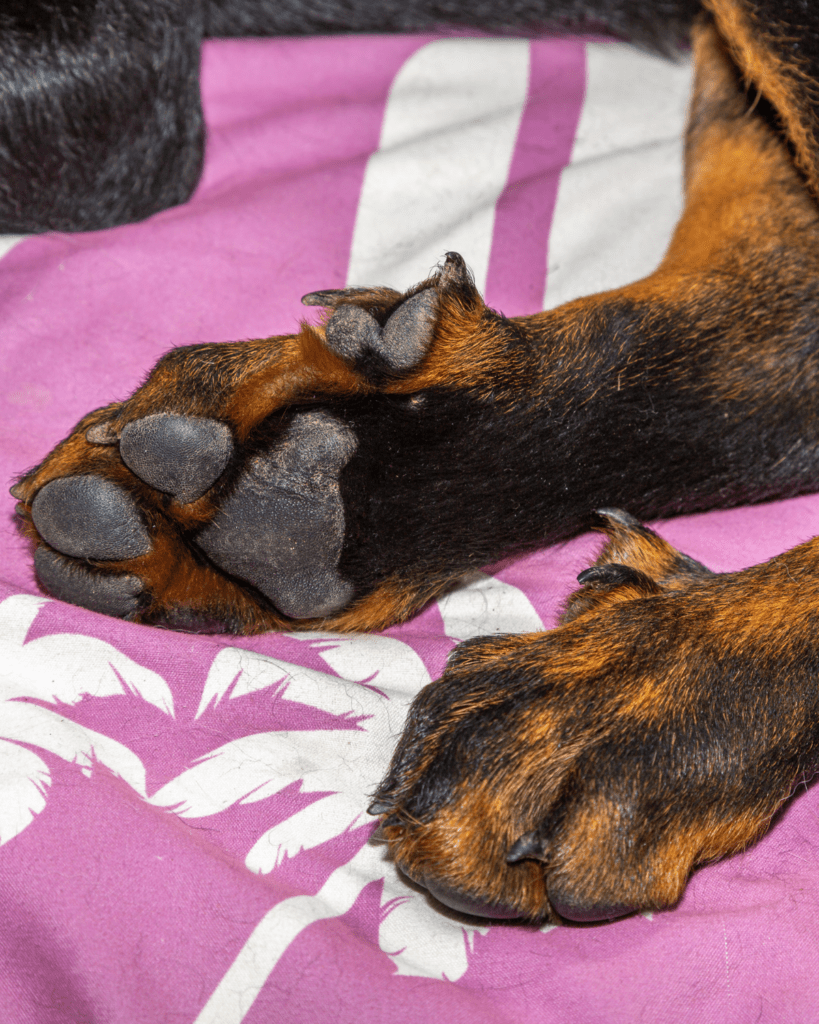
Dew claws are extra claws found higher on a dog’s leg. They are located on the inside of the front legs. Some dogs also have dew claws on their back legs.
Unlike other claws, dew claws do not touch the ground. They look like thumbs or small fingers. Not all dogs have them, and some dogs have them removed.
Purpose Of Dew Claws
Dew claws help dogs hold and grip objects. They assist in climbing and running on rough surfaces. Some dogs use them to scratch or dig.
These claws also help with balance during quick turns. They provide extra support when dogs move fast. Dew claws can protect dogs from slipping on slippery ground.
Common Breeds With Dew Claws
Dew claws are small extra toes found on some dogs. These claws can be on the front paws, rear paws, or both. Not all dog breeds have dew claws. Some have them naturally, while others may have them removed.
Knowing which breeds have dew claws helps dog owners care for them properly. Dew claws need regular checking and trimming to avoid problems. Below are common breeds that often have front and rear dew claws.
Breeds With Front Dew Claws
Many dog breeds have dew claws on their front paws. These claws act like thumbs and help dogs hold objects or climb. Some common breeds with front dew claws include:
- Golden Retriever
- Labrador Retriever
- Border Collie
- German Shepherd
- Saint Bernard
- Great Pyrenees
These breeds usually keep their front dew claws unless removed by a vet. The claws help with balance and grip during activities.
Breeds With Rear Dew Claws
Rear dew claws are less common but still found in some breeds. These claws can be single or double on the back legs. Breeds with rear dew claws include:
- Great Pyrenees
- Norwegian Lundehund
- Beauceron
- Some lines of the Icelandic Sheepdog
Rear dew claws may need extra care. They can get caught or injured more easily than front dew claws.
Rare Cases And Variations
Some dog breeds show rare differences in their dew claws. These variations can surprise many dog owners. Understanding these rare cases helps in knowing your dog’s anatomy better.
Polydactyl Dogs
Polydactyl dogs have extra toes, including extra dew claws. This trait is unusual and seen in only a few breeds. Some dogs may have two or more dew claws on one paw. These extra claws can affect how dogs run and grip surfaces.
One famous example is the Great Pyrenees. These dogs often have double dew claws on their back legs. This helps them move better on rough terrain. Extra dew claws are a natural part of their breed standard.
Dew Claw Absence In Some Breeds
Some dog breeds naturally lack dew claws. These dogs do not have these extra toes on their legs. Breeds like the Doberman often have dew claws removed early. In other breeds, dew claws never develop at all.
The absence of dew claws does not harm dogs. Many dogs run, jump, and play without any problems. This trait depends on breed genetics and breeding practices.

Credit: www.morrisanimalinn.com
Health And Care Tips
Dew claws are extra toes on a dog’s legs. They need special care to stay healthy. Many dog breeds have dew claws, and owners must watch them closely. Good care helps avoid pain and infection. Below are important tips on dew claw health and care.
Dew Claw Injuries
Dew claws can easily get caught on objects. This may cause tears or breaks. Injuries can be painful and bleed a lot. Watch your dog for limping or licking the claw. Clean any cuts with mild soap and water. Seek a vet’s help for deep wounds or swelling. Early care prevents infections and serious problems.
Trimming And Maintenance
Trim dew claws regularly to avoid overgrowth. Long claws can curl and dig into the skin. Use sharp nail clippers made for dogs. Cut small bits at a time to avoid hurting the quick. If unsure, ask a vet or groomer for help. Regular checks keep dew claws neat and healthy. Clean the area to prevent dirt buildup and infection.
Breed-specific Dew Claw Facts
Dew claws vary widely among dog breeds. Some breeds keep them on all four legs. Others only have front dew claws, or none at all. These differences often relate to the dog’s original role or breed history. Understanding breed-specific dew claw facts helps explain their presence and importance.
Some breeds use their dew claws actively. Others have them more as a leftover trait from ancestors. Below, learn about dew claws in hunting and working dogs, and toy and companion dogs.
Hunting And Working Dogs
Many hunting and working dogs have well-developed dew claws. These claws help with gripping and stability on rough terrain. For example, the Norwegian Lundehund has extra dew claws on each paw. This breed uses them to climb steep cliffs and rocky areas. The Great Pyrenees also often has double dew claws on the hind legs.
These extra claws give better balance and traction. They protect the dog during hard work. Some herding breeds, like the Beauceron, have rear dew claws. These help during quick turns and sharp movements. In working dogs, dew claws are functional, not just cosmetic.
Toy And Companion Dogs
Toy and companion dogs often have dew claws too. Many keep front dew claws, but rear ones are rare. For example, the Chihuahua and Maltese usually have front dew claws. These claws may not serve a big purpose in daily life. Still, they are part of the breed’s standard look.
Some breeders remove dew claws in puppies for safety. This prevents snagging or injury in small dogs. Despite this, many toy breeds keep their dew claws. They add to the breed’s unique appearance. Dew claws in companion dogs remind us of their wild ancestors.
Credit: rebarkable.com
Frequently Asked Questions
What Dog Breeds Commonly Have Dew Claws?
Many breeds like Great Pyrenees, Briards, and Saint Bernards have dew claws. These are often on the front legs and sometimes on the rear. Dew claws help with grip and stability, especially in working or hunting dogs.
Why Do Some Dogs Have Double Dew Claws?
Double dew claws appear mainly in certain breeds like the Great Pyrenees. They provide extra traction and support on rough terrain. This trait is genetic and helps these dogs perform tasks like herding and climbing.
Are Dew Claws Removed In All Dog Breeds?
No, dew claw removal depends on breed standards and owner preference. Some breeds keep them for functionality, while others remove them to prevent injury. Always consult a vet before deciding on dew claw removal.
Do Dew Claws Serve A Purpose For Dogs?
Yes, dew claws aid in gripping and stability during running or climbing. They act like a thumb, helping dogs hold objects or improve balance. Not all dogs use them frequently, but they serve an important role in movement.
Conclusion
Dew claws appear on many dog breeds, but not all have them. Some dogs keep their dew claws, while others lose them early. These small toes can help with grip and balance. Knowing which breeds have dew claws helps owners care better for their pets.
Watch your dog’s paws for signs of injury or discomfort. Taking care of dew claws keeps dogs healthy and happy. Simple attention goes a long way in pet care.


