

You want the best for your furry friend, and that includes feeding them the right food at the right time. But how do you know when it’s time to switch from puppy food to adult dog food?
Making this change too early or too late can affect your dog’s health and energy. You’ll discover clear signs and simple tips to help you make the right choice for your dog’s diet. Keep reading to ensure your pet stays happy, healthy, and full of life.

Credit: www.spunkyjunky.com
Age Milestones For Switching
Knowing the right time to switch your puppy to adult dog food is important. Dogs grow fast, and their food needs change as they age. Feeding the right food helps your dog stay healthy and active. Watch for key age milestones that signal it’s time to change their diet.
Puppy Growth Stages
Puppies grow in stages. In the first few months, they need special puppy food. This food has more nutrients for growth. Most puppies stay on puppy food until they are about one year old. At this point, their growth slows down. Their bodies no longer need extra calories and nutrients. This signals the time to switch to adult dog food. Some puppies may need the change a little earlier or later. Watch your puppy’s size and energy to help decide.
Breed Size Considerations
Breed size affects when to switch food. Small breeds grow quickly and may need adult food by 9 to 12 months. Large and giant breeds grow slower. They may need puppy food until 12 to 24 months. Large breed puppies also need special food to support bone growth. Switching too early or late can cause health problems. Always think about your dog’s breed size before changing their diet.

Credit: www.iams.com
Physical Changes To Watch
Watching your puppy grow is exciting. Physical changes tell you when to switch to adult dog food. These signs show your dog is ready for new nutrition. Pay close attention to teeth, weight, and energy levels. They help you make the right choice for your dog’s health.
Teeth Development
Puppies lose their baby teeth by six months. Adult teeth start to come in around this time. Strong, healthy teeth need more minerals and nutrients. Adult dog food supports this growth better than puppy food. Check if your dog’s teeth look fully grown and strong.
Weight And Body Shape
Weight gain slows down as puppies mature. Their body shape becomes more defined and less round. Muscle development increases, and fat levels balance out. Adult dog food provides the right calories and proteins. Notice if your puppy looks less chubby and more muscular.
Energy Levels
Puppies are very active and need extra energy. Energy levels start to steady as they grow older. Too much energy may mean they still need puppy food. Less hyper activity means their metabolism is changing. Adult food matches their calmer energy needs better.
Nutritional Needs Shift
The shift from puppy to adult dog food happens as your dog grows. Their body changes and so do their nutritional needs. Feeding the right food supports healthy growth and keeps your dog active. Understanding these changes helps you choose the right diet at the right time.
Calorie Requirements
Puppies need more calories to support fast growth and high energy. Adult dogs need fewer calories to maintain a healthy weight. Too many calories can lead to weight gain and health issues. Adult dog food has fewer calories but still provides enough energy for daily activities.
Protein And Fat Adjustments
Puppies require high protein and fat for muscle and brain development. Adult dogs need balanced protein to maintain muscle without excess. Fat levels are also lower in adult food to prevent obesity. Proper protein and fat help keep your dog strong and healthy as they age.
Behavioral Indicators
Behavioral changes in your dog often signal the right time to switch to adult dog food. These signs show how your dog’s body and mind adjust as they grow. Watching your dog’s behavior helps you meet their new needs properly.
Changes In Appetite
Adult dogs eat differently than puppies. You may see your dog eating more or less than before. A sudden drop in appetite can mean their puppy food is no longer enough. Or, your dog might want food more often. These changes suggest it’s time for a diet that fits their adult stage.
Activity And Play Patterns
Young dogs are usually very active and playful. As they grow, their energy levels change. If your dog starts to slow down or play less, it could mean their nutrition needs have changed. Adult dog food supports steady energy and helps maintain good health through this shift.
Choosing The Right Adult Food
Choosing the right adult dog food is important for your pet’s health. Adult dogs need balanced nutrition to stay active and strong. The food you pick should match your dog’s size, breed, and lifestyle. Quality ingredients and special dietary needs play a big role in this choice.
Ingredient Quality
Good adult dog food starts with high-quality ingredients. Look for real meat as the first ingredient. Avoid foods with too many fillers like corn or soy. Whole grains, vegetables, and fruits add important vitamins and minerals. Natural ingredients support your dog’s digestion and energy levels.
Special Dietary Needs
Some dogs need special diets because of allergies or health issues. Foods for sensitive skin or stomach can help these dogs feel better. Older dogs may need food with joint support or lower calories. Talk to your vet to find the best food for your dog’s needs.
Transitioning Tips
Changing your dog’s food needs care and attention. Switching too fast can upset their stomach. Follow some simple tips to help your dog adjust smoothly to adult dog food.
These tips protect your dog’s health and keep them happy during the change.
Gradual Food Changes
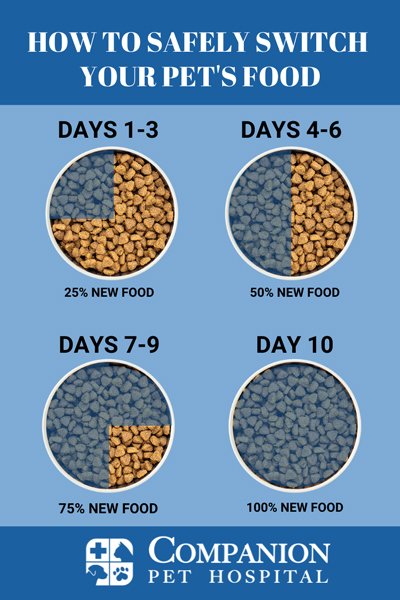
Start by mixing a small amount of adult food with the puppy food. Slowly increase the adult food over 7 to 10 days. This helps your dog’s digestion adjust without problems.
Watch how your dog reacts each day. If your dog shows signs of upset stomach, slow down the change. Patience is key to a smooth transition.
Monitoring Health
Check your dog’s stool, energy, and appetite every day. Healthy dogs will stay active and eat well. Soft or loose stools may mean the food is changing too fast.
Visit the vet if any problems last more than a few days. Keep an eye on weight and coat shine too. These are signs your dog is thriving on the new food.
When To Consult A Vet
Knowing when to consult a vet about your dog’s food is very important. Changing to adult dog food might seem simple. But some dogs need special care before switching. A vet’s advice helps keep your dog healthy and happy.
Health Concerns
Some dogs have health problems that affect their diet. Issues like allergies, digestion problems, or weight changes need vet attention. Your vet can spot signs that adult food may harm your dog. They can suggest safer food options or treatments. Never change food if your dog shows unusual symptoms.
Customized Diet Plans
Every dog is different. Age, breed, and health affect their diet needs. Vets create diet plans that suit your dog’s life stage and condition. These plans include the right food types, amounts, and feeding times. A customized diet helps your dog stay fit and active. Trust your vet to guide you through this process.
Credit: companionpethospital.com
Frequently Asked Questions
When Should I Switch My Puppy To Adult Dog Food?
Switch to adult dog food when your puppy reaches about 80% of their adult size. This usually occurs between 9 to 12 months. Large breeds may need longer. Consult your vet for precise timing based on your dog’s breed and growth.
What Are Signs My Dog Needs Adult Dog Food?
Signs include slowed growth, decreased energy needs, and less need for high-calorie nutrition. Your dog’s activity level may stabilize. Coat condition and digestion can also indicate readiness for adult food. Always confirm with your vet before switching.
Can I Mix Puppy And Adult Dog Food?
Yes, you can mix during the transition period to help your dog adjust. Gradually increase adult food over 7-10 days while decreasing puppy food. This reduces digestive upset and helps your dog adapt to the new diet.
Why Is Adult Dog Food Different From Puppy Food?
Adult dog food contains fewer calories and different nutrient ratios. It supports maintenance rather than growth. Puppy food is richer in protein and fat to fuel rapid development. Feeding the correct food helps keep your dog healthy and fit.
Conclusion
Choosing the right time to switch to adult dog food is important. Watch your dog’s age and weight closely. Notice changes in energy or health. Adult dog food supports growth and keeps dogs healthy. Feeding the right food helps your dog feel good.
Talk to your vet for advice if unsure. Making the switch at the right time keeps your pet happy and strong. Small changes make a big difference in your dog’s life. Take care of your dog by feeding the right food.


